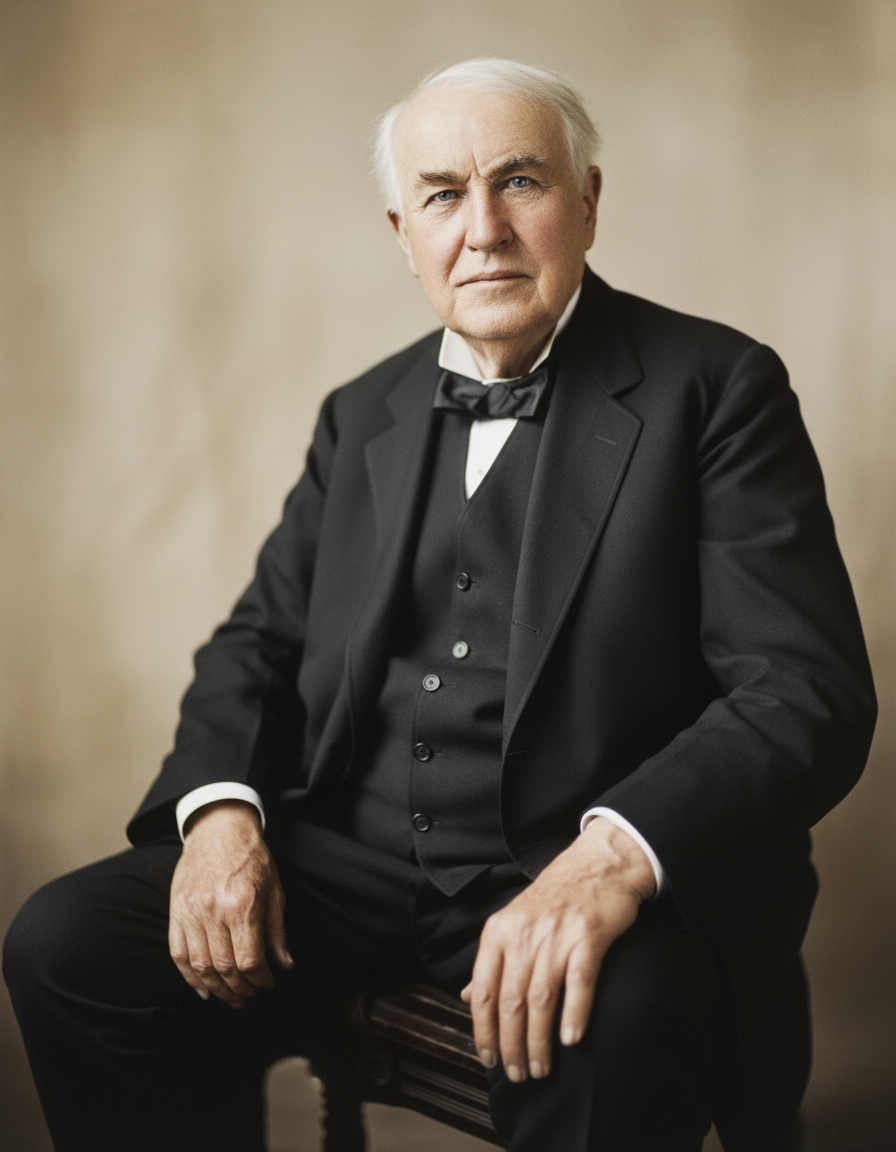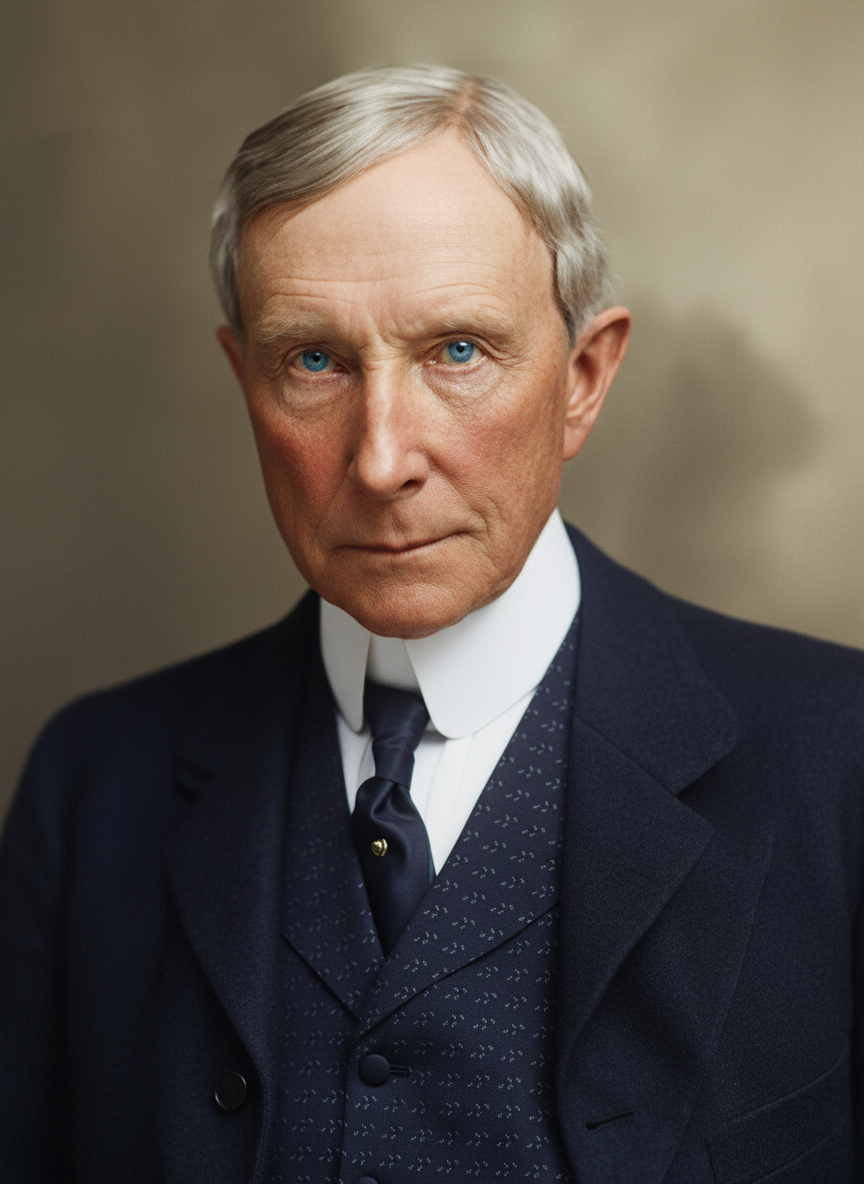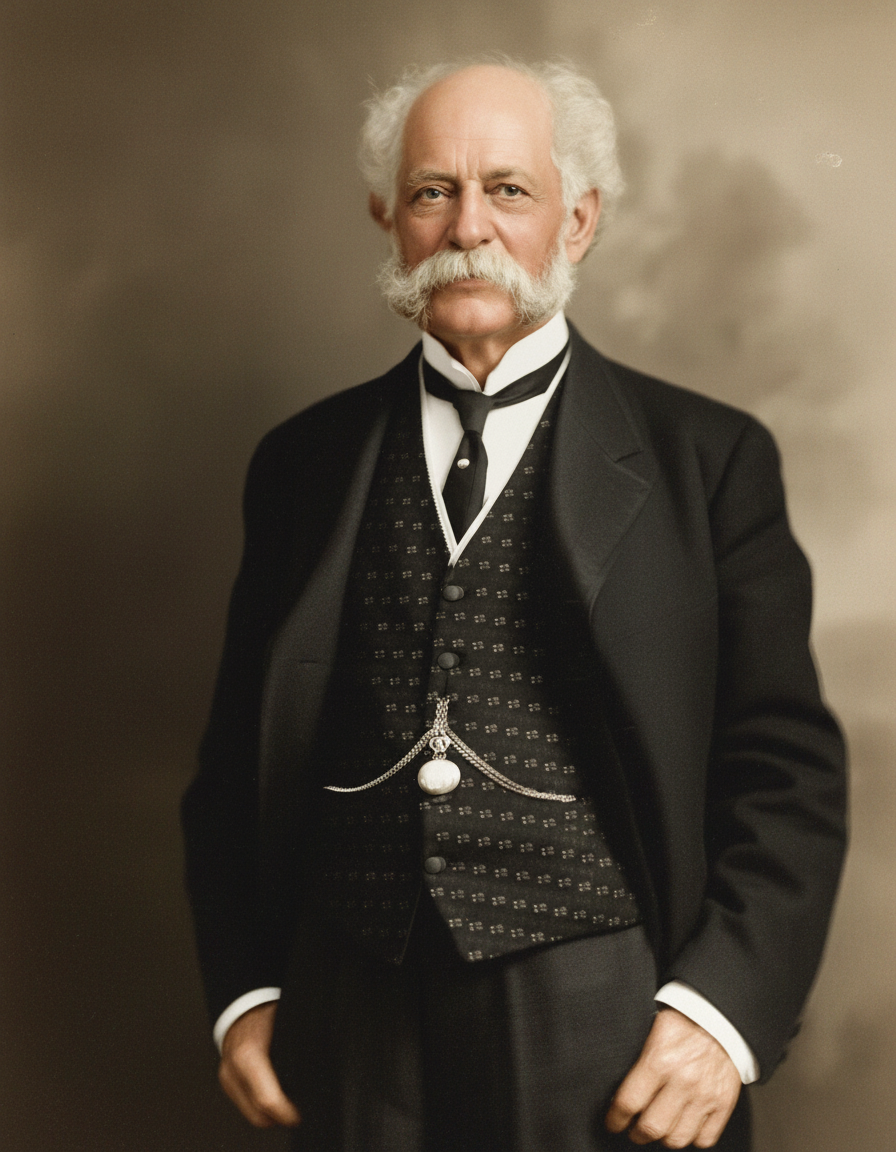
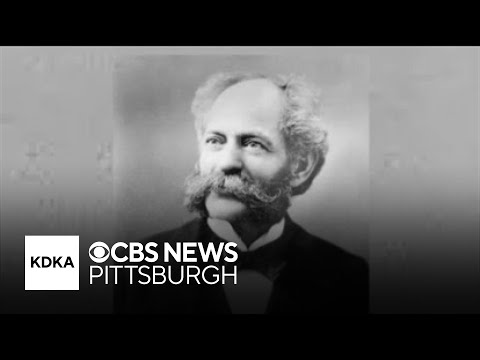
Henry J. Heinz
Henry J. Heinz: The pioneer of branded foods, meticulous quality, and innovative marketing, transforming the food industry from local bulk sales to a trusted global enterprise.
Henry J. Heinz founded the H.J. Heinz Company in 1869, building it into a global food giant through an unwavering commitment to quality, innovative branding, and vertical integration. He revolutionized the food industry by introducing transparent packaging, advocating for food purity standards, and creating one of the earliest and most recognizable global brands.
Biography
Accomplishments
- 01Founded H.J. Heinz Company in 1869, which grew into a global food conglomerate.
- 02Pioneered transparent packaging (clear glass bottles for horseradish) to signify product purity, building early consumer trust.
- 03Introduced the '57 Varieties' slogan in 1896, a globally recognized marketing initiative for product diversification.
- 04Championed the Pure Food and Drug Act of 1906, advocating for industry-wide quality and safety standards.
- 05Established a vertically integrated supply chain, including owning tomato farms, to control raw material quality and costs.
- 06Developed an extensive international distribution network, expanding into the UK (1886), Canada, and Australia, becoming one of the first truly global food brands.
- 07Implemented progressive employee welfare programs, including medical facilities, lunchrooms, and libraries, fostering a loyal workforce.
- 08Innovated manufacturing processes to ensure consistent quality and scale production of products like ketchup, pickles, and baked beans.
Lessons for Operators
Key Takeaways
Practical lessons distilled for operators, investors, C-levels, and capital allocators.
Brand Equity from Trust
Heinz demonstrated that investing in product purity and transparent practices builds an invaluable foundation of consumer trust, which directly translates into brand equity and market dominance. His clear bottle strategy was a precursor to modern 'clean label' movements.
Strategic Regulation Adoption
Instead of resisting regulation, Heinz embraced and advocated for it. He understood that robust industry standards, while potentially increasing immediate operational costs, ultimately served as a barrier to entry for lower-quality competitors, solidifying the market position of ethical players.
Holistic Value Chain Control
By integrating raw material sourcing (farms) with manufacturing and distribution, Heinz achieved unparalleled control over product quality, cost, and supply. This strategy minimized external dependencies and ensured consistent brand promise delivery.
Employee-Centric Operations
Heinz proved that treating employees as valuable assets, investing in their welfare, and providing superior working conditions leads to higher productivity, reduced absenteeism, and a stronger, more reliable workforce, which directly impacts product quality and consistency.
Marketing for the Masses
The '57 Varieties' slogan, though a marketing abstraction, was a stroke of genius in its simplicity and memorability. It showcased the power of effective mass-market branding and product diversification in building a household name.
Early Internationalization
Heinz was among the earliest American industrialists to systematically pursue global markets, recognizing that scale and growth would eventually depend on reaching consumers beyond national borders. This foresight established a critical competitive advantage.
Resilience in Adversity
Overcoming an early bankruptcy (Heinz & Noble) showcased remarkable entrepreneurial resilience. His ability to learn from failure and quickly pivot, re-establishing a stronger company, is a testament to his determination and strategic acumen.
Product-Market Fit
Heinz didn't invent ketchup or pickles, but he perfected their quality, standardized their production, and made them universally accessible. His success lay in identifying established consumer needs and fulfilling them with superior, trustworthy products.
Frameworks & Principles
Named frameworks and strategic principles they popularized or embodied.
Transparency-Driven Brand Building
This framework emphasizes using clear, honest communication and verifiable product attributes (e.g., clear packaging, public quality tests) to build profound consumer trust, which forms the bedrock of brand loyalty and market differentiation.
When to useApplicable when launching new products in industries with low consumer trust, when facing intense competition where product quality is a key differentiator, or when rebuilding a tarnished brand image.
Vertical Integration for Quality Control
A strategic approach where a company gains ownership or tight control over various stages of its supply chain, from raw material sourcing to manufacturing and distribution, primarily to ensure consistent quality, reduce costs, and mitigate supply risks.
When to useSuitable for businesses where raw material quality is critical to the final product, where supply chain disruptions are frequent, or where cost control through internal efficiencies offers a significant competitive edge.
Progressive Employee Relations Model
Focuses on investing in employee welfare, development, and fair working conditions as a strategic asset. This model views employees as long-term partners whose well-being directly contributes to productivity, quality, and corporate reputation.
When to useIdeal for industries requiring skilled labor, high-quality production, or complex operations where employee turnover negatively impacts performance. Also valuable for companies seeking to build a strong ethical brand internally and externally.
Championing Industry Standards
This strategy involves actively participating in and advocating for higher industry-wide quality, safety, or ethical standards. It helps legitimize the industry, differentiate high-quality players, and create barriers to entry for low-quality competitors.
When to useEffective for market leaders in nascent or unregulated industries, or in sectors where consumer trust has been eroded by poor practices. It's a long-term play to shape the competitive landscape favorably.
Recent Appearances
Latest interviews, keynotes, and press from the past half year.
 youtube.com
 youtube.com
 youtube.com
 youtube.com
 youtube.com
 youtube.com
 youtube.com
 youtube.com
 m.youtube.com
 youtube.com
 m.youtube.com
 youtube.com
 youtube.com
Sources & Further Reading
Profiles, interviews, podcasts, and articles used to compile and verify this entry. Each link opens at the original publisher.
Explore Related Titans
Other figures in the archive who share Henry J. Heinz's domain, geography, or era.
More in Consumer & Retail






From United States





Contemporaries — 19th century