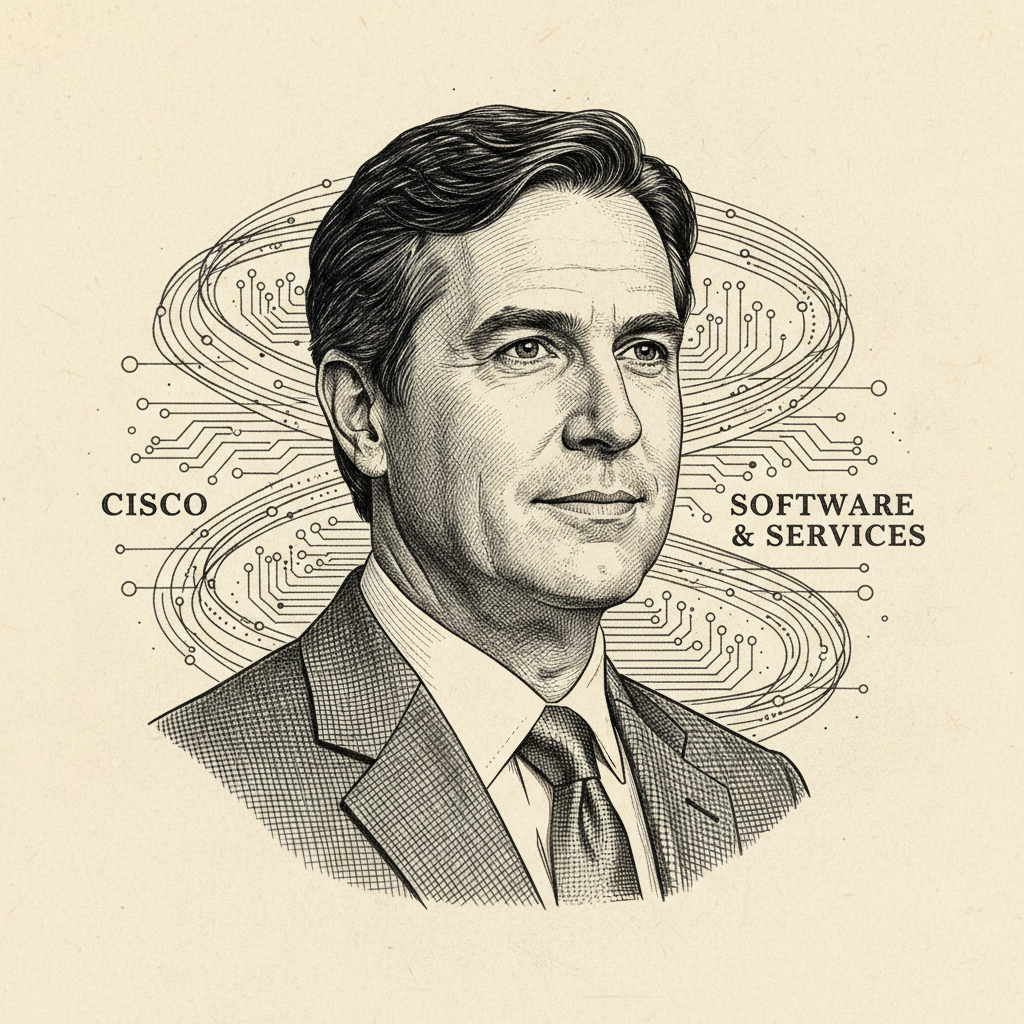
Reed Hastings
Co-founder of Netflix, pioneer of DVD-by-mail, and architect of the global streaming revolution.
Wilmot Reed Hastings Jr. is an American entrepreneur and co-founder of Netflix. He transformed how content is consumed, moving from a DVD-by-mail service to a global streaming behemoth. His leadership emphasized a culture of 'freedom and responsibility' and a relentless focus on innovation and adaptation.
Biography
Accomplishments
- 01Co-founded Netflix in 1997, pioneering the DVD-by-mail subscription service that disrupted traditional video rental.
- 02Led Netflix's strategic pivot to streaming video in 2007, anticipating and capitalizing on broadband growth.
- 03Orchestrated Netflix's global expansion, making it available in over 190 countries by 2016.
- 04Initiated Netflix's original content strategy, beginning with 'House of Cards' in 2013, redefining television production and distribution.
- 05Developed and implemented the 'Freedom and Responsibility' culture deck, widely regarded as a benchmark for high-performance corporate environments.
- 06Achieved market capitalization of over $300 billion at peak, demonstrating significant shareholder value creation.
Lessons for Operators
Key Takeaways
Practical lessons distilled for operators, investors, C-levels, and capital allocators.
Strategic Cannibalization
Leaders must be willing to disrupt their own successful business models before competitors do. Hastings initiated Netflix's streaming service even though it directly competed with their lucrative DVD-by-mail business, proving prescient.
Culture as a Competitive Advantage
A carefully crafted and rigorously enforced company culture can be a powerful differentiator. Netflix's 'Freedom & Responsibility' model attracted top talent and fostered innovation, but requires consistent application and difficult personnel decisions.
Content is King, Data is Queen
In content-driven industries, proprietary, high-quality content is crucial. However, the effective use of user data to inform content strategy, personalize experiences, and optimize engagement is equally vital for long-term success and efficiency.
Global Ambition from Day One
For digital businesses, planning for global scalability from the outset is paramount. Designing systems, content strategies, and operational frameworks that can accommodate multi-country deployment significantly accelerates growth.
Relentless Iteration and Reinvention
The media and technology landscapes are dynamic. Continuous innovation in business model, product offering, and operational practices is necessary to maintain market leadership and relevance.
Talent Density
Prioritize hiring and retaining only top-tier talent. This allows for fewer rules, greater autonomy, and ultimately, higher output and innovation. Be prepared to pay premium compensation and to let go of underperformers quickly.
Frameworks & Principles
Named frameworks and strategic principles they popularized or embodied.
Freedom and Responsibility Culture
A management philosophy emphasizing high talent density, radical candor, and minimal formal rules. Employees are given significant autonomy and accountability for results, not just process adherence. Performance expectations are exceedingly high, with underperformers quickly exited.
When to useApplicable for organizations seeking to foster extreme innovation, empower highly skilled teams, and operate with agility, particularly in fast-paced or creative industries. Requires a strong leadership commitment to clear communication, transparency, and a high tolerance for employee turnover if performance isn't met.
Strategic Cannibalization
The deliberate act of introducing new products or services that directly compete with and intentionally diminish the market share or revenue of a company's existing offerings. This is done to pre-empt external disruption and capture future market opportunities.
When to useEssential for mature businesses in industries undergoing rapid technological change or shifting consumer preferences. Use when current profitable products face an inevitable decline and a new, potentially disruptive, alternative is emerging. Requires significant foresight and a willingness to forgo short-term profits for long-term market dominance.
Data-Driven Content Strategy
Leveraging comprehensive user data (viewing habits, preferences, completion rates, engagement metrics) to inform decisions regarding content acquisition, greenlighting original productions, and personalizing recommendations. Reduces guesswork and optimizes return on content investment.
When to useCrucial for media, entertainment, and e-commerce companies where understanding consumer taste and predicting demand are critical. Implement this framework to optimize content spend, enhance user experience, and drive subscription or purchase rates. Requires robust data infrastructure and analytical capabilities.
Evergreen Talks & Interviews
Foundational talks, lectures, and interviews worth revisiting.

Sources & Further Reading
Profiles, interviews, podcasts, and articles used to compile and verify this entry. Each link opens at the original publisher.
Explore Related Titans
Other figures in the archive who share Reed Hastings's domain, geography, or era.
More in Technology










From United States



Contemporaries — born 1960s