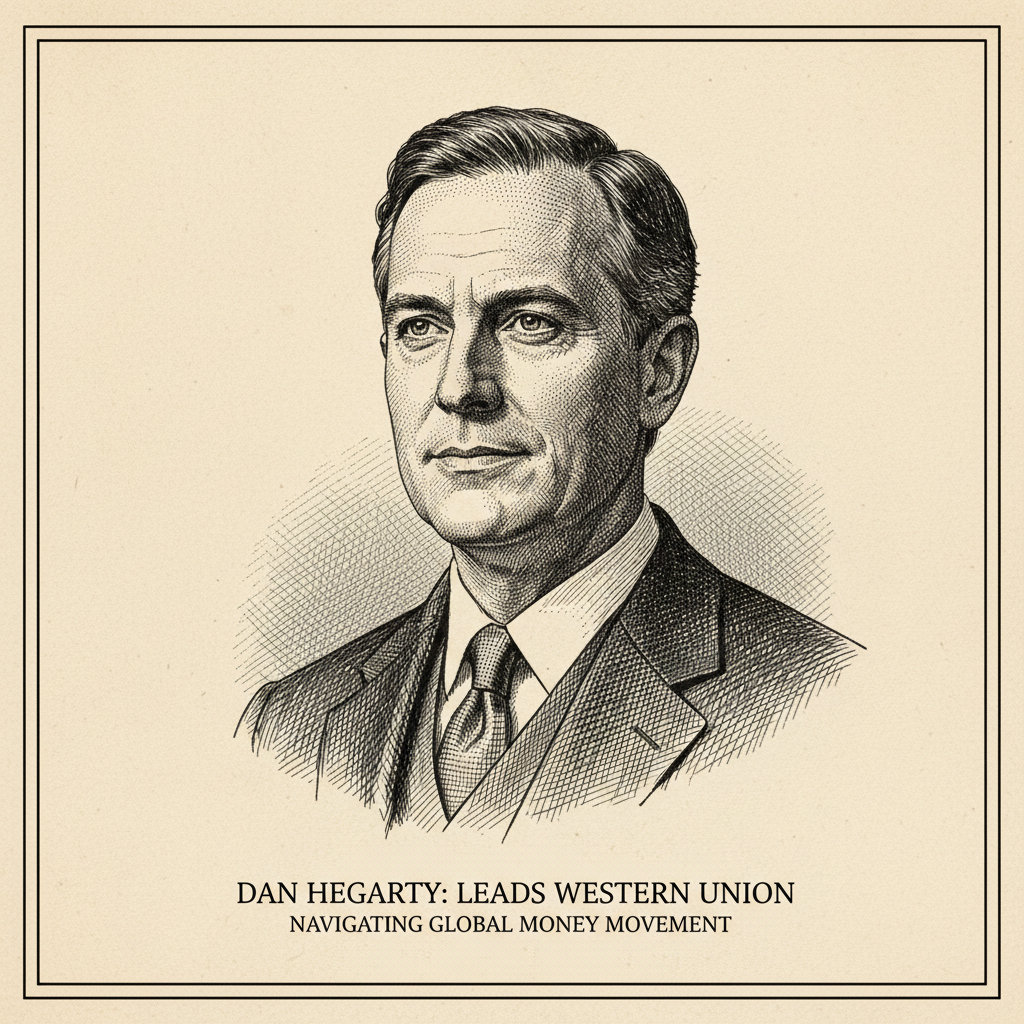
Dan Hegarty
Irish radio presenter and music curator known for championing alternative music.
Dan Hegarty is a prominent Irish radio presenter for RTÉ 2fm, specializing in alternative music. He hosts 'The Alternative' and is frequently involved in live broadcasting from major musical events and festivals.
Biography
Accomplishments
- 01Successfully maintained a dedicated alternative music program, 'The Alternative,' on national radio (RTÉ 2fm) for an extended period.
- 02Provided live broadcasting and coverage from significant international music events, including the Eurosonic Festival, expanding audience reach and engagement.
- 03Actively participated in major national music festivals like Electric Picnic and Oxegen, enhancing their profile through live radio presence.
- 04Served as a judge for the Choice Music Prize in 2008, influencing the recognition of Irish musical talent.
- 05Contributed expertise and guidance at industry events such as The Music Show, demonstrating thought leadership in music programming.
Lessons for Operators
Key Takeaways
Practical lessons distilled for operators, investors, C-levels, and capital allocators.
Niche Dominance Strategy
Dan Hegarty's success with 'The Alternative' exemplifies the power of specializing. By consistently focusing on a specific genre (alternative music), he built a dedicated audience and became a recognized authority, rather than broadly competing across all musical styles. This strategy is actionable for businesses looking to carve out a unique market position.
Experiential Content Generation
His role in live broadcasting from festivals like Eurosonic and Electric Picnic showcases the value of producing content directly from significant events. This creates authentic, timely, and immersive experiences for the audience, leading to higher engagement. Operators should consider how 'on-the-ground' presence can differentiate their content or services.
Industry Engagement for Authority
Serving on the Choice Music Prize judging panel and providing advice at 'The Music Show' significantly burnishes Hegarty's professional credibility. Active participation in industry events, judging, or advisory roles positions an individual or an entity as a thought leader, influencing perceptions and expanding networks. C-levels should seek opportunities for strategic industry involvement.
Brand Consistency and Predictability
The consistent Monday to Thursday 11 pm – 12 am slot for 'The Alternative' reinforces listener habits and builds routine. For any enterprise, maintaining consistent product quality, service delivery, or brand messaging at predictable intervals is crucial for building customer trust and loyalty. This enhances brand recognition and reduces customer acquisition costs.
Frameworks & Principles
Named frameworks and strategic principles they popularized or embodied.
Niche Specialization Model
Focusing intensely on a specific segment of a larger market to achieve market leadership and brand recognition within that niche.
When to useWhen entering a crowded market, or when an organization seeks to differentiate itself by becoming the go-to authority for a particular product, service, or audience. Applicable for startups and established firms seeking market penetration or new product launches.
Event-Driven Content Strategy
Leveraging external, high-profile events (industry conferences, festivals, news cycles) as primary sources for content generation and audience engagement.
When to useIdeal for media companies, marketing departments, or brands that can align their storytelling with ongoing, relevant events to capture public attention, enhance brand visibility, and demonstrate timeliness.
Recent Appearances
Latest interviews, keynotes, and press from the past half year.
 youtube.com
 youtube.com
 youtube.com
 youtube.com
 youtube.com
 youtube.com
Sources & Further Reading
Profiles, interviews, podcasts, and articles used to compile and verify this entry. Each link opens at the original publisher.
Explore Related Titans
Other figures in the archive who share Dan Hegarty's domain, geography, or era.
More in Media & Entertainment



From Ireland