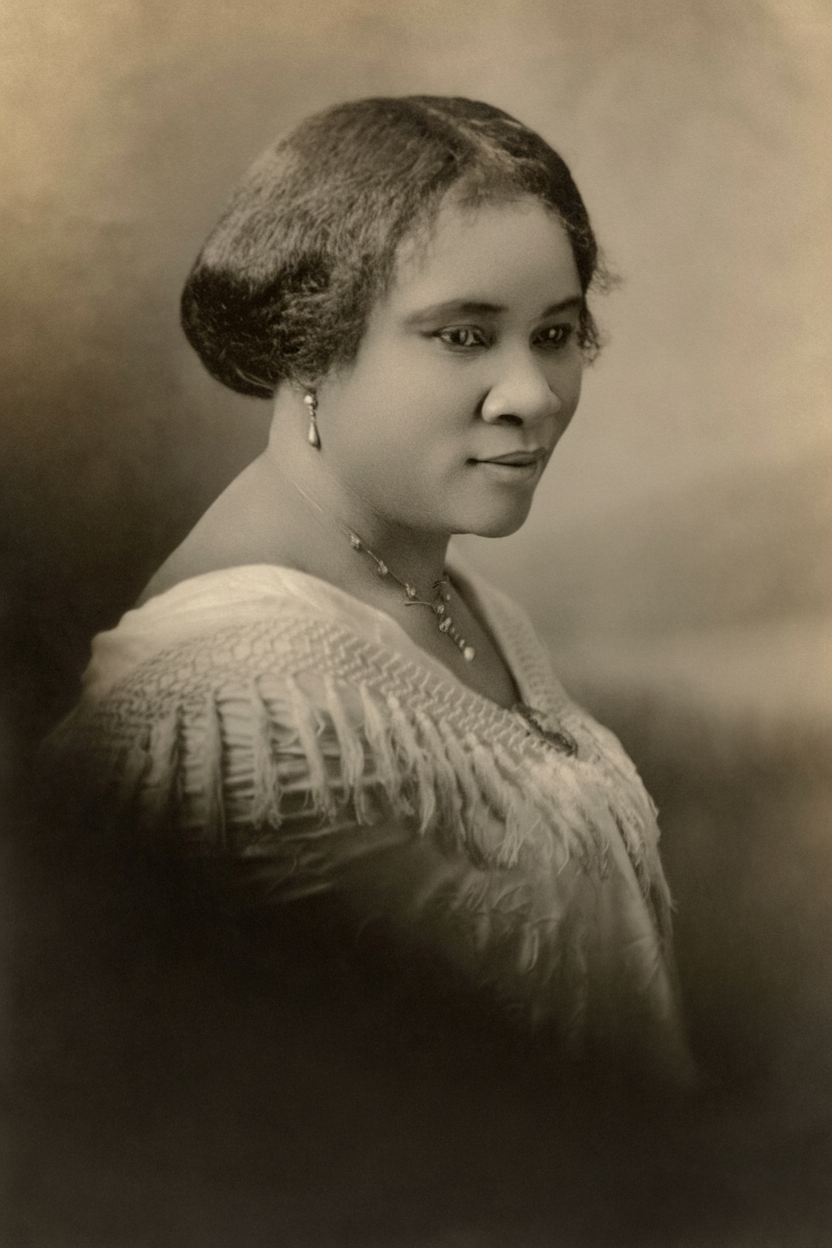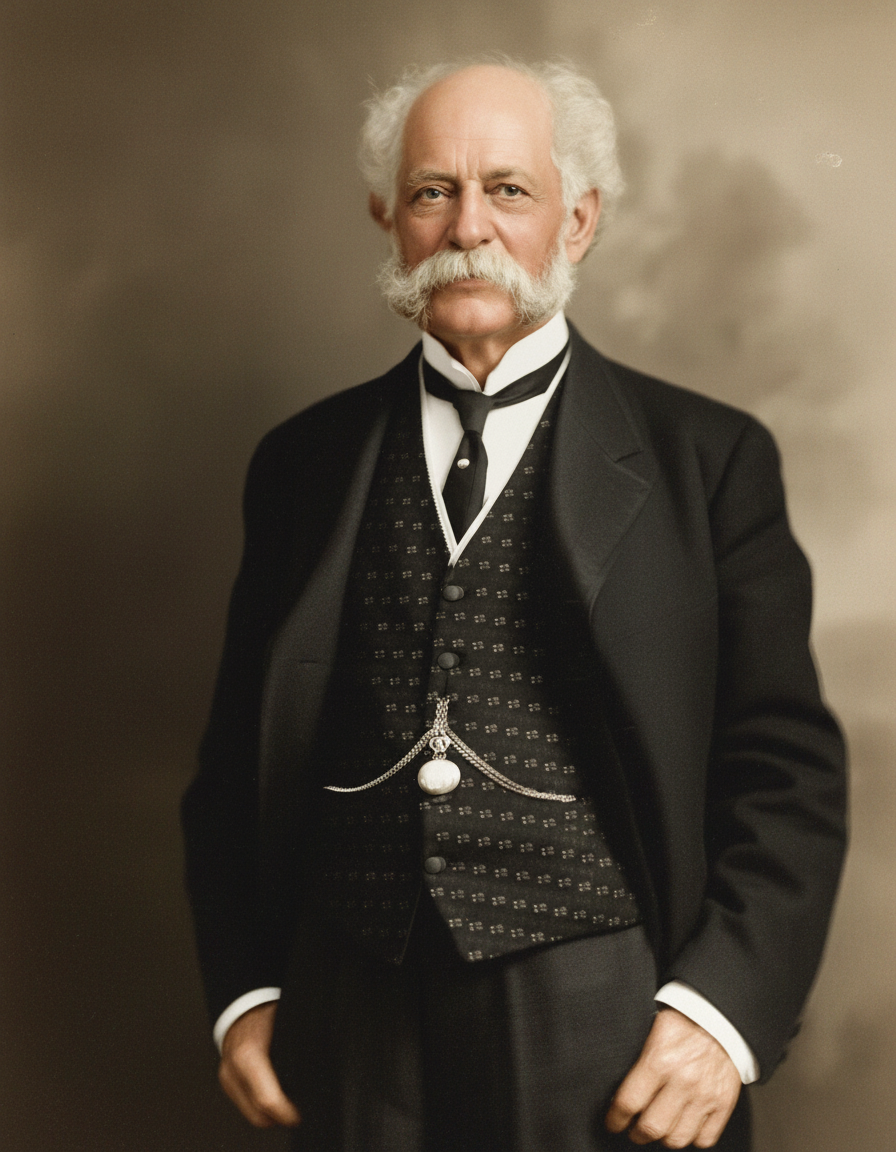
Ida Tarbell
The investigative journalist who exposed Standard Oil's monopolistic practices, catalyzing anti-trust legislation.
Ida Minerva Tarbell was a leading muckraker whose 19-part series, 'The History of the Standard Oil Company,' published in McClure's Magazine from 1902 to 1904, meticulously documented John D. Rockefeller's aggressive and often illegal business tactics. Her work directly contributed to the 1911 Supreme Court decision to dissolve Standard Oil under the Sherman Antitrust Act.
Biography
Accomplishments
- 01Authored 'The History of the Standard Oil Company' (1902-1904), a seminal work of investigative journalism.
- 02Provided the factual basis that influenced the U.S. Supreme Court's 1911 decision to break up Standard Oil.
- 03Pioneered 'muckraking' journalism, setting new standards for in-depth, fact-based investigative reporting.
- 04Became one of the most prominent female journalists of her era, challenging gender norms in a male-dominated field.
- 05Authored multiple biographies, including a respected one on Abraham Lincoln, showcasing her diverse research and writing talents.
- 06Served on various government committees, including President Wilson's Industrial Conference (1919) and the Unemployment Conference (1921), demonstrating her continued influence on public policy debates.
Lessons for Operators
Key Takeaways
Practical lessons distilled for operators, investors, C-levels, and capital allocators.
Transparency as a double-edged sword
While internal operational transparency is crucial for management, external transparency, especially under scrutiny, demands strategic handling. Tarbell’s access to internal documents highlighted the risks of unmanaged information release or discovery.
Reputation is a strategic asset
Standard Oil's unprecedented economic power couldn't withstand the damage to its public image caused by Tarbell's exposè. For any enterprise, safeguarding reputation through ethical conduct is as vital as financial performance.
Antitrust vulnerabilities
Excessive market concentration, especially when achieved through anti-competitive means, invites regulatory intervention. Leaders must continuously assess their market position against antitrust principles to mitigate legal risks.
The enduring impact of narrative
Tarbell's well-crafted narrative, built on facts, resonated with the public and policymakers alike. C-suite leaders and investors should understand that compelling storytelling, whether positive or negative, shapes perception and influences outcomes.
Stakeholder capitalism origins
Tarbell's work implicitly argued that businesses have obligations beyond shareholder profit, extending to fair competition and public welfare. This concept has contemporary relevance in discussions around stakeholder capitalism and ESG.
Frameworks & Principles
Named frameworks and strategic principles they popularized or embodied.
The Tarbell Principle of Investigative Due Diligence
A framework for deep-dive, fact-based analysis of an organization's operational practices, market conduct, and ethical standing, leveraging both public and internal records. Focuses on systematically uncovering discrepancies between public claims and actual conduct.
When to useApplicable for private equity firms conducting pre-acquisition due diligence, regulators investigating market failures, or corporate boards assessing ethical risks and compliance. Useful before major strategic pivots or in response to public accusations.
Ethical Business Boundary Checklist
A proactive audit methodology inspired by Tarbell's exposé, designed to identify practices that, while potentially legal in the short term, could be deemed anti-competitive, predatory, or unethical, and thus lead to long-term regulatory or reputational damage. It forces internal examination of competitive tactics, pricing strategies, and supply chain leverage.
When to useImplemented by compliance departments, legal teams, and risk management functions within large corporations, particularly those with significant market share, to prevent the types of abuses that led to Standard Oil's downfall. Essential for ventures in highly regulated industries or those prone to public scrutiny.
Narrative Risk Management
Focuses on identifying potential vulnerabilities in a company's public narrative versus its operational realities. This framework involves scrutinizing all public communications, investor relations, and CSR reports against documented internal practices and third-party perceptions, anticipating how an external 'Tarbell-esque' investigation might frame the company's story.
When to useCritical for public relations, investor relations, and strategic communications teams. Used proactively to identify and mitigate 'narrative gaps' that could be exploited by critics, journalists, or competitors, particularly in periods of crisis or heightened industry scrutiny.
Sources & Further Reading
Profiles, interviews, podcasts, and articles used to compile and verify this entry. Each link opens at the original publisher.
Explore Related Titans
Other figures in the archive who share Ida Tarbell's domain, geography, or era.
More in Media & Entertainment








From United States










Contemporaries — 19th century