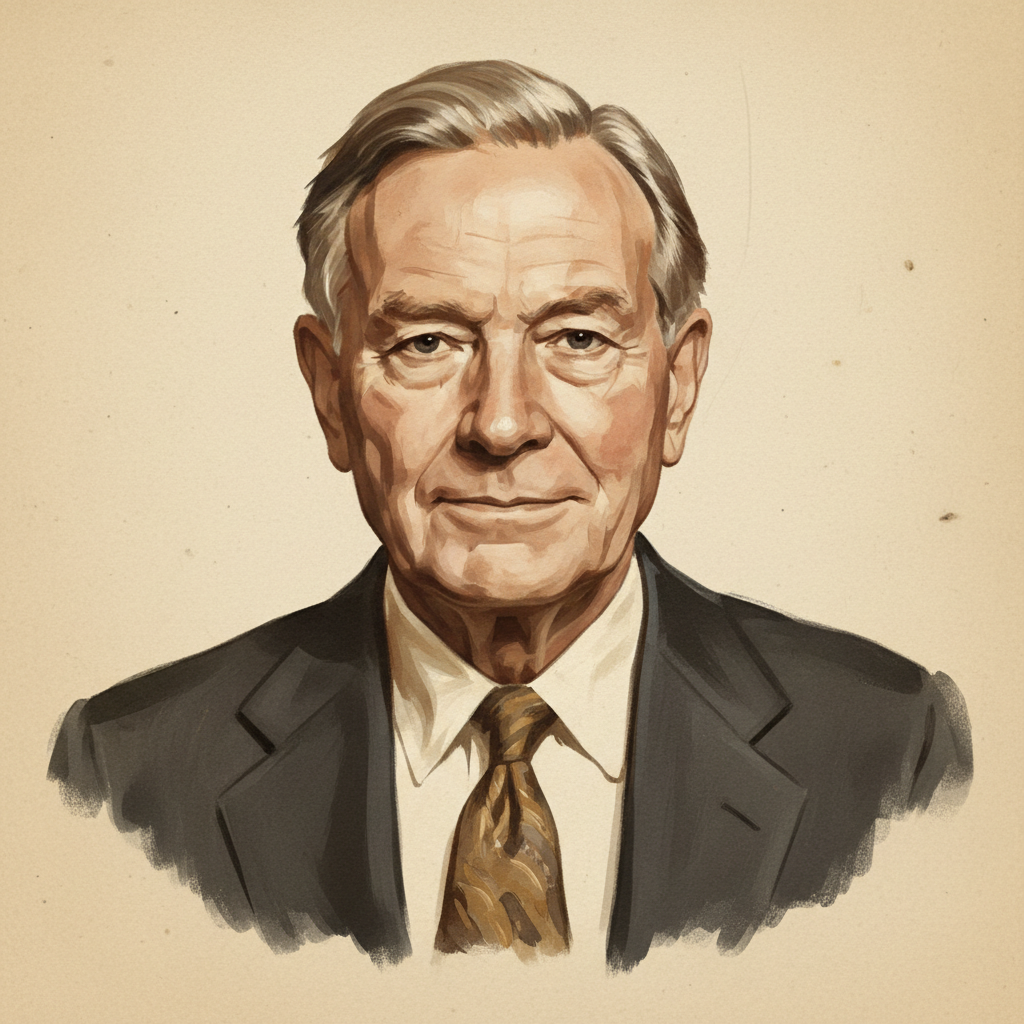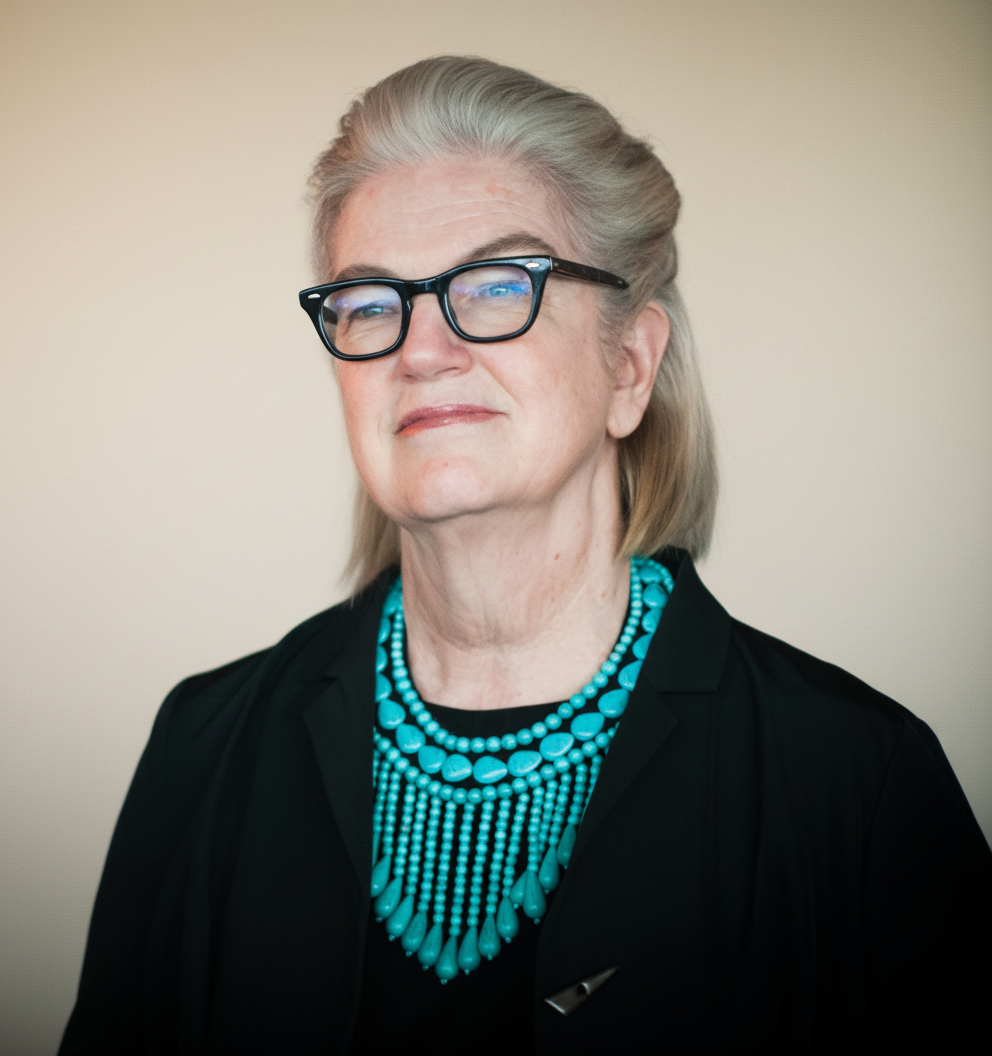
Portrait of Marjorie Scardino
Modern Architect · 1947 — Present

Marjorie Scardino

The Transformative CEO who modernized Pearson PLC.

Country
United States
Continent
North America
Industry
Media and Education
Role
CEO, Board Member

Marjorie Scardino is a distinguished business leader best known for her 12-year tenure as CEO of Pearson PLC, becoming the first female chief executive of a FTSE 100 company. She spearheaded Pearson's transformation from a diversified conglomerate into a focused media and education giant, emphasizing digital evolution and global expansion.

Biography

Marjorie Scardino (born 1947) is an American-born businesswoman who left an indelible mark on the global media and education landscape. After graduating from Baylor University and earning a Juris Doctor from the University of San Francisco School of Law, Scardino initially pursued a career in journalism and law. Her entrepreneurial spirit led her to co-found The Georgia Gazette, an award-winning newspaper, in 1978. She later moved to The Economist Group, a subsidiary of Pearson, becoming CEO in 1993. Her leadership at The Economist prepared her for the monumental task of reshaping Pearson PLC. Appointed CEO of Pearson in 1997, Scardino embarked on a strategic divestiture program, selling non-core assets like Madame Tussauds (1998) and a significant stake in Lazard (1999) to concentrate on education, business information, and consumer publishing. Under her guidance, Pearson acquired National Computer Systems (NCS) in 2000, establishing a strong foothold in educational technology and assessment. She oversaw the transition of traditional publishing houses like Penguin (acquired in 1998) into leading digital content providers and expanded Pearson's education footprint globally, particularly in emerging markets. Scardino retired from Pearson in 2012, leaving behind a company significantly re-positioned for the digital age. Post-Pearson, she continued to serve on various boards, including Twitter and The Economist Group, and became the first female director of the Bank of England.

Accomplishments

  • 01First female CEO of a FTSE 100 company (Pearson PLC, 1997).
  • 02Successfully divested non-core assets including Madame Tussauds (1998) and Lazard (1999), streamlining Pearson's portfolio.
  • 03Led Pearson's pivot towards education and digital services, including the acquisition of National Computer Systems (NCS) in 2000.
  • 04Oversaw significant international expansion for Pearson, establishing market leadership in educational materials and services.
  • 05Grew Pearson's adjusted earnings per share by an average of 10% annually during her 12-year tenure.
  • 06Facilitated the digital transformation of Pearson's publishing assets, adapting to industry shifts.

Lessons for Operators

Strategic clarity through divestment: Scardino demonstrated that shedding non-core assets can unlock value and sharpen organizational focus. Identify businesses that do not align with the core mission and execute decisive divestitures.
Embrace digital transformation early: Recognizing the inevitable shift to digital in media and education, she proactively invested in technology and digital capabilities, repositioning a traditional publisher for future growth. Continual investment in technology is paramount for long-term viability.
Global perspective for growth: Scardino expanded Pearson's reach beyond mature markets, targeting growth in emerging economies. Diversifying geographical revenue streams can mitigate regional risks and open new opportunities.
Acquisition as a strategic tool: Her acquisition of NCS was pivotal in building Pearson's educational technology prowess. Strategic M&A can accelerate capability building and market entry, but requires clear integration plans and a vision for value creation.
Cultural change leadership: Transforming a conglomerate into a focused, future-oriented entity demands significant cultural shifts. Leaders must articulate a compelling vision and foster an environment where innovation and new business models can thrive.
The Operator's Playbook

Key Takeaways

Practical lessons distilled for operators, investors, C-levels, and capital allocators.

Lesson 01

Portfolio Rationalization

Scardino's divestment strategy at Pearson underscores the importance of regularly reviewing and pruning a company's portfolio. Non-core assets can dilute focus, consume resources, and depress valuation multiples. Proactive divestiture allows for increased investment in high-growth, strategic areas.

Lesson 02

Digital Imperative

Her commitment to digital transformation, particularly in education, demonstrates that inaction in the face of technological shifts is a fatal error. Companies must allocate capital to digital initiatives, develop new business models, and retrain workforces to remain competitive.

Lesson 03

Long-Term Vision

Scardino's tenure was marked by a consistent long-term vision to transform Pearson, often making difficult short-term decisions for strategic gains. Investors and leaders should prioritize sustainable value creation over quarterly results, enabling transformational change.

Lesson 04

Leadership Diversity

As the first female CEO of a FTSE 100 company, Scardino broke significant barriers. Her success highlights the value of diverse leadership perspectives in driving innovation, organizational resilience, and broader market understanding.

Lesson 05

M&A for Strategic Capability

The NCS acquisition was not merely about market share, but about acquiring critical educational technology and assessment capabilities. M&A should be viewed as a tool to build strategic competencies that are difficult or slow to develop organically.

Mental Models

Frameworks & Principles

Named frameworks and strategic principles they popularized or embodied.

01

Portfolio Management Matrix (e.g., BCG or GE-McKinsey)

Utilized, perhaps implicitly, to evaluate Pearson's diverse business units (e.g., Madame Tussauds, Lazard, Penguin) and decide which to divest and where to invest. Focuses on market growth and relative market share or business strength/industry attractiveness.

When to useWhen a company has a diversified portfolio of businesses and needs to strategically allocate capital, identify divestment candidates, or prioritize investment opportunities for future growth.

02

Change Management Model (e.g., Kotter's 8-Step Process)

Critical for guiding Pearson through its extensive transformation from a diversified conglomerate to a focused media and education company centered on digital. This involved creating urgency, forming a guiding coalition, developing a vision, and empowering action.

When to useWhen executing large-scale organizational transformations, digital pivots, or cultural shifts that require deep employee engagement and sustained leadership commitment.

03

PESTEL Analysis (or STEEP Analysis)

Used to continually assess the external environment (Political, Economic, Social, Technological, Environmental, Legal factors) driving the need for Pearson's digital shift and global expansion, particularly identifying technological disruptions in publishing and educational trends.

When to useFor continuous environmental scanning to identify macro-environmental forces impacting an industry or business, informing strategic planning and risk management.

Citations

Sources & Further Reading

Profiles, interviews, podcasts, and articles used to compile and verify this entry. Each link opens at the original publisher.

Adjacent Minds

Explore Related Titans

Other figures in the archive who share Marjorie Scardino's domain, geography, or era.

Media & Entertainment

More in Media & Entertainment
Browse all →
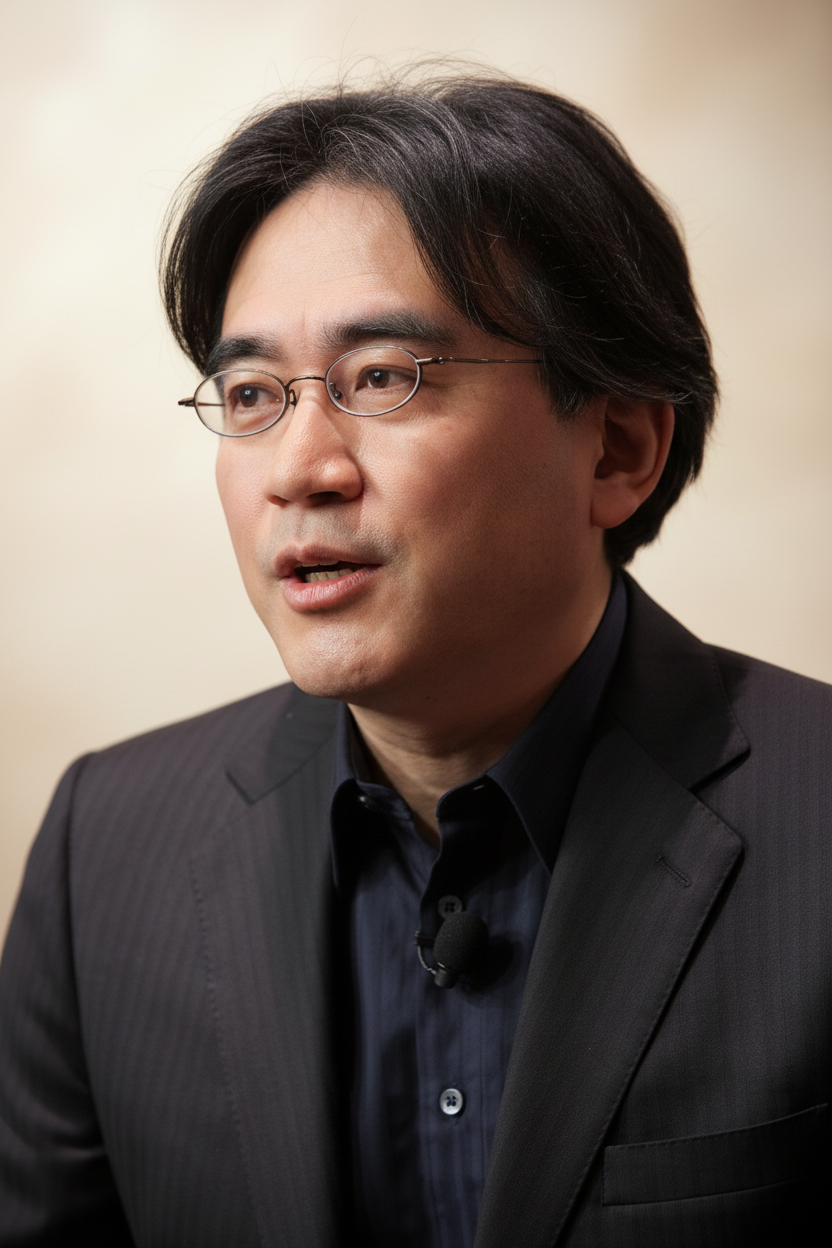
Portrait of Satoru Iwata
JAPAN / VIDEO GAME DEVELOPMENT AND PUBLISHING
Satoru Iwata
The visionary leader who steered Nintendo through a paradigm shift, prioritizing accessibility and innovation to expand the gaming market.
Portrait of Sir Martin Sorrell
UNITED KINGDOM / MARKETING & ADVERTISING
Sir Martin Sorrell
The architect of WPP, transforming a wire-basket manufacturer into the world's largest advertising and marketing services company.
Portrait of Yves Guillemot
FRANCE / VIDEO GAME PUBLISHING
Yves Guillemot
Co-founder and CEO of Ubisoft, a global leader in interactive entertainment, known for strategic long-term vision and navigating industry consolidation.
Portrait of Andrew Wilson
AUSTRALIA / VIDEO GAME DEVELOPMENT AND PUBLISHING
Andrew Wilson
Architect of Interactive Entertainment: Guiding Electronic Arts through the Live Services Era.
Portrait of Brandon Beck
UNITED STATES / VIDEO GAME DEVELOPMENT, ESPORTS
Brandon Beck
Co-founder of Riot Games, pioneering the Free-to-Play gaming model and architecting a global esports ecosystem.
Portrait of Kevin Lofton
UNITED STATES / SPORTS MANAGEMENT
Kevin Lofton
Kevin Lofton: The architect of collegiate basketball success through sustained dedication and strategic elevation.
Portrait of Walter Isaacson
UNITED STATES / MEDIA, JOURNALISM, EDUCATION, BIOGRAPHY
Walter Isaacson
The chronicler of innovation and genius, whose deep dives into transformative figures offer strategic insights for leadership and disruption.
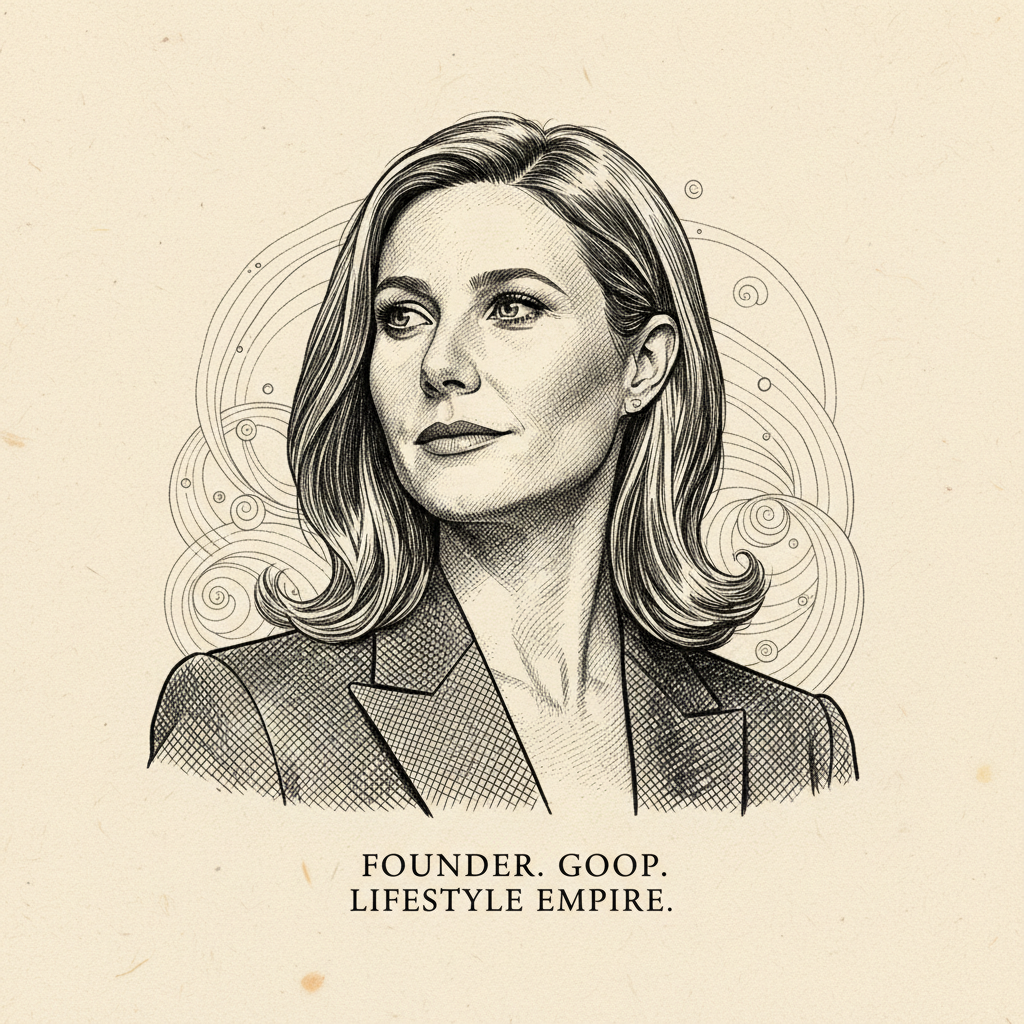
Portrait of Gwyneth Paltrow
UNITED STATES / E-COMMERCE, WELLNESS, MEDIA
Gwyneth Paltrow
From Oscar-winning actress to pioneering wellness entrepreneur, Gwyneth Paltrow leveraged celebrity into a lifestyle brand and e-commerce powerhouse.
Portrait of Yuval Noah Harari
ISRAEL / ACADEMIA, PUBLISHING, THOUGHT LEADERSHIP
Yuval Noah Harari
Yuval Noah Harari: A historian redefining human narrative through a global lens, influencing thought leadership and strategic foresight.
Portrait of Jesse Powell
UNITED STATES / MUSIC
Jesse Powell
American R&B and soul singer known for his hit single 'You' and a four-octave vocal range.
United States

From United States

Browse all →
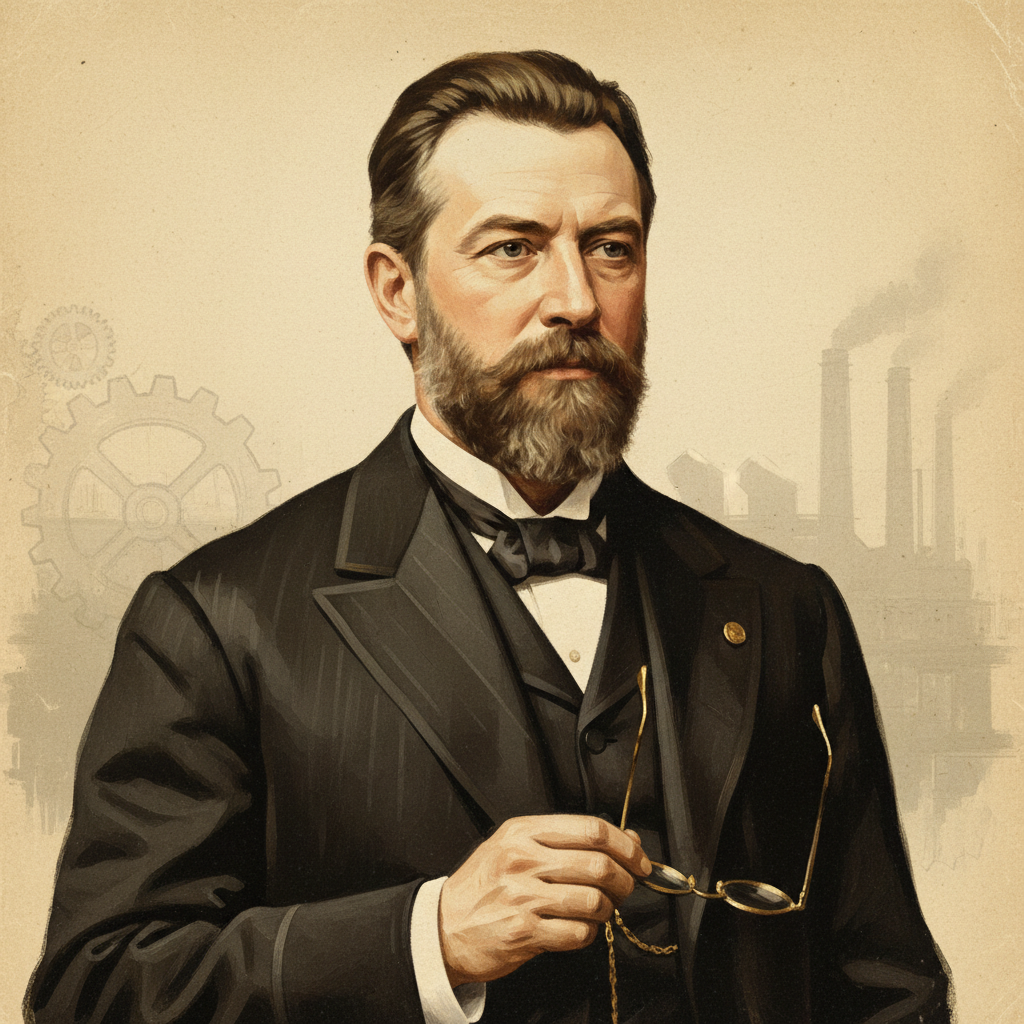
Portrait of Andrew Carnegie
UNITED STATES / STEEL & MANUFACTURING
Andrew Carnegie
The architect of American steel supremacy and a pioneering industrialist whose innovations in cost control and vertical integration reshaped global manufacturing.
Portrait of Warren Buffett
UNITED STATES / INVESTING
Warren Buffett
The Oracle of Omaha: Architect of long-term value investing and compounding returns through disciplined acquisition and intrinsic value focus.
Portrait of Jeff Bezos
UNITED STATES / TECHNOLOGY, RETAIL, LOGISTICS, CLOUD COMPUTING, SPACE EXPLORATION
Jeff Bezos
Founder of Amazon, orchestrator of an e-commerce and cloud computing empire, and pioneer in space exploration.
Portrait of Bill Gates
UNITED STATES / SOFTWARE, TECHNOLOGY, PHILANTHROPY
Bill Gates
Co-founder of Microsoft, architect of the personal computing revolution, and global philanthropist.
Portrait of Sam Walton
UNITED STATES / RETAIL
Sam Walton
The architect of modern retail, pioneering discount merchandising and logistical efficiency to establish the world's largest retail corporation.
Portrait of Mark Cuban
UNITED STATES / TECHNOLOGY, MEDIA, SPORTS, HEALTHCARE
Mark Cuban
Mark Cuban: The Prolific Disrupter – From Software Startups to Sports Franchises and Pharmaceutical Innovation, Leveraging Technology and Direct-to-Consumer Models.
Portrait of Mohnish Pabrai
UNITED STATES / FINANCIAL SERVICES
Mohnish Pabrai
The Dhandho Investor: A Value Investing Maverick.
Portrait of Henry Ford
UNITED STATES / AUTOMOTIVE
Henry Ford
The architect of mass production, democratizing the automobile through efficiency and scale.
Portrait of Walt Disney
UNITED STATES / ENTERTAINMENT
Walt Disney
Co-founder of The Walt Disney Company, pioneering animation, theme parks, and diversified entertainment.
Portrait of Thomas Edison
UNITED STATES / INDUSTRIAL & ENERGY
Thomas Edison
The Prolific Inventor and Industrialist Who Electrified the World and Standardized Innovation.
Same Era

Contemporaries — born 1940s
Browse all →
Portrait of Bernard Arnault
FRANCE / LUXURY GOODS
Bernard Arnault
The architect of modern luxury, Bernard Arnault transformed LVMH into the world's leading luxury conglomerate.
Portrait of Ray Dalio
UNITED STATES / INVESTMENT MANAGEMENT
Ray Dalio
The architect of 'radical transparency' and systematic investing, Ray Dalio built Bridgewater Associates into one of the world's largest and most influential hedge funds.
Portrait of Larry Ellison
UNITED STATES / ENTERPRISE SOFTWARE
Larry Ellison
Oracle's Architect: A relentless competitor who built the dominant enterprise database and cloud platform.
Portrait of Michael Bloomberg
UNITED STATES / FINANCIAL DATA, MEDIA, PHILANTHROPY, GOVERNMENT
Michael Bloomberg
The architect of real-time financial information and a transformative civic leader.
Portrait of Stephen Schwarzman
UNITED STATES / FINANCIAL SERVICES
Stephen Schwarzman
Co-founder, Chairman, and CEO of Blackstone, Stephen A. Schwarzman engineered the firm's evolution into the world's largest alternative asset manager.
Portrait of Alfred West
USA / FINANCIAL TECHNOLOGY (FINTECH)
Alfred West
Alfred West: The visionary founder of SEI Investments, who transformed the investment management landscape through innovative technology and a client-centric approach.
Portrait of Sir Martin Sorrell
UNITED KINGDOM / MARKETING & ADVERTISING
Sir Martin Sorrell
The architect of WPP, transforming a wire-basket manufacturer into the world's largest advertising and marketing services company.
Portrait of Israel Englander
UNITED STATES / FINANCIAL SERVICES
Israel Englander
The architect of Millennium Management, pioneering a multi-manager, multi-strategy hedge fund with a relentless focus on risk-adjusted returns.
Portrait of S. P. Lohia
INDIA (BY ORIGIN), INDONESIA (BY OPERATIONS) / PETROCHEMICALS, TEXTILES, FERTILIZERS, POLYMERS
S. P. Lohia
The architect of a global petrochemical and textile conglomerate built on strategic acquisitions and vertical integration.
Portrait of Paul Singer
UNITED STATES / FINANCE AND INVESTING
Paul Singer
The founder of Elliott Management, known for his aggressive activist investing and distressed debt strategies.