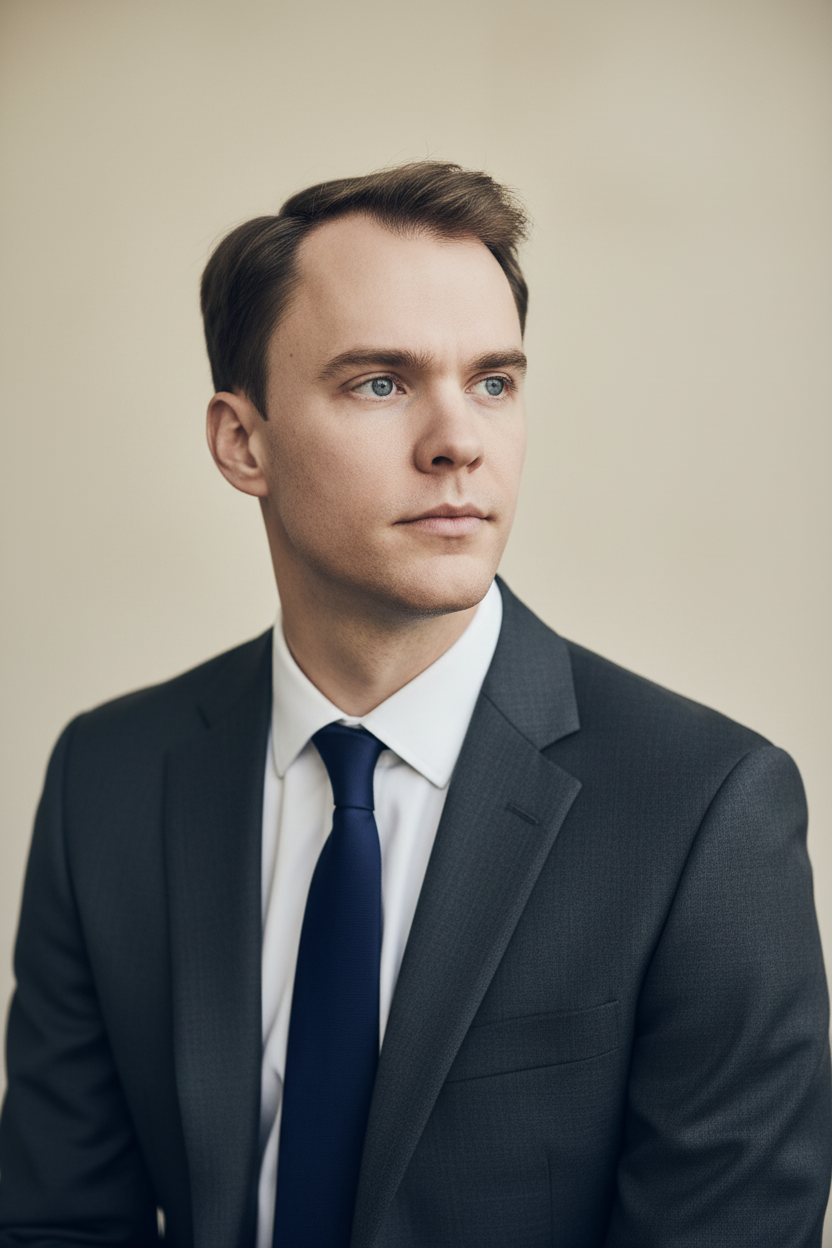
Brandon Beck
Co-founder of Riot Games and key architect of League of Legends' global dominance, Brandon Beck pioneered the Free-to-Play business model and scaled esports into a multi-billion dollar industry.
Brandon Beck is an American entrepreneur best known as the co-founder and co-chairman of Riot Games, the developer and publisher of the critically acclaimed and globally popular video game, League of Legends. Along with Marc Merrill, Beck founded Riot Games in 2006, pioneering the 'games-as-a-service' model and transforming esports into a mainstream entertainment phenomenon. Under his leadership, Riot Games grew from a small startup to a multi-billion dollar enterprise, profoundly influencing the video game industry's business models and cultural landscape.
Biography
Accomplishments
- 01Co-founded Riot Games in 2006, disrupting the video game industry's traditional business models and leading to a multi-billion dollar enterprise.
- 02Co-created and launched League of Legends in 2009, which became the world's most-played PC game and a cultural phenomenon, boasting over 180 million monthly active players as of 2021.
- 03Pioneered and popularized the 'Free-to-Play' and 'Games as a Service' business model for core competitive games, demonstrating its long-term viability and profitability, influencing numerous other game developers.
- 04Architected the professionalization and global scaling of esports for League of Legends, establishing major regional leagues (e.g., LCS, LEC) and the annual World Championship, transforming esports into a mainstream entertainment industry.
- 05Oversaw the expansion of Riot Games into a multi-game studio with titles like Valorant and Legends of Runeterra, and into entertainment with the Emmy-winning animated series Arcane.
- 06Successfully navigated the acquisition by Tencent Holdings, leveraging the partnership for significant global expansion, particularly into the Asian market.
Lessons for Operators
Key Takeaways
Practical lessons distilled for operators, investors, C-levels, and capital allocators.
Disruptive Business Models
Brandon Beck demonstrated that a Free-to-Play business model, when executed with continuous content updates and a strong community focus, can outperform traditional upfront purchase models, creating massive scale and long-term engagement.
Ecosystem Orchestration
Rather than just building a game, Beck and Riot Games built an entire competitive ecosystem around League of Legends, including professional leagues, broadcasts, and player development pathways, turning a product into a global sport and entertainment phenomenon.
Iterative Product Development
The 'games-as-a-service' approach pioneered by Riot Games means the product is never 'finished.' Continuous updates, balancing, and new content releases are essential for maintaining player interest and adapting to market demands, a principle applicable to any digital product or service.
Strategic Patience
Initial investor skepticism towards Free-to-Play highlighted the need for conviction and long-term vision. Beck's commitment to building a player-centric experience and growing the community before maximizing monetization proved crucial for Riot Games' sustained success.
Community as a Core Asset
Riot Games' success is deeply intertwined with its dedicated player base. Investing in community tools, listening to feedback, and fostering an inclusive environment were key to transforming users into evangelists and maintaining the game's cultural relevance.
Frameworks & Principles
Named frameworks and strategic principles they popularized or embodied.
Free-to-Play (F2P) / Games-as-a-Service (GaaS)
A business model where the core product (gameplay) is free, but monetization occurs through optional in-game purchases (e.g., cosmetics, convenience items) and continuous content updates. Focus is on engagement, retention, and lifetime value.
When to useApplicable for digital products or services where a large user base is critical, and ongoing engagement can drive long-term revenue through incremental value. Ideal for products with network effects or community focus, allowing for low friction user acquisition.
Ecosystem Building / Competitive Play Infrastructure
Beyond the core product, strategic investment in surrounding infrastructure that enables competitive play, community events, and content creation. For Riot, this meant building professional esports leagues, broadcast capabilities, and supporting player pathways.
When to useWhen your product has a strong competitive or community component. Useful for amplifying brand presence, creating new revenue streams (e.g., media rights, sponsorships), and fostering deeper user loyalty by transforming users into active participants in a broader experience.
Player-Centric Development (or User-Centric Design)
A development philosophy prioritizing continuous feedback from the player/user community, with iterative updates and features designed directly to meet their expressed needs and desires. This involves robust analytics, community engagement, and rapid deployment cycles.
When to useEssential for any product or service intended for a dedicated user base, especially in rapidly evolving digital markets. Ensures product relevance, enhances user satisfaction, and builds a loyal community that feels heard and valued.
Recent Appearances
Latest interviews, keynotes, and press from the past half year.
 youtube.com
 youtube.com
 youtube.com
 youtube.com
 m.youtube.com
 youtube.com
 youtube.com
 youtube.com
 youtube.com
 youtube.com
 youtube.com
 youtube.com
 youtube.com
 youtube.com
 youtube.com
 youtube.com
 youtube.com
 youtube.com
 youtube.com
 youtube.com
 youtube.com
 youtube.com
 youtube.com
 youtube.com
 youtube.com
 youtube.com
 youtube.com
 youtube.com
 youtube.com
 youtube.com
 youtube.com
 youtube.com
 youtube.com
 youtube.com
 youtube.com
 youtube.com
 youtube.com
 youtube.com
 youtube.com
 youtube.com
 youtube.com
 youtube.com
 youtube.com
 youtube.com
 youtube.com
 youtube.com
 youtube.com
 youtube.com
 youtube.com
 youtube.com
 youtube.com
 youtube.com
 youtube.com
 youtube.com
 youtube.com
 youtube.com
 youtube.com
 youtube.com
 youtube.com
 youtube.com
 youtube.com
 youtube.com
 youtube.com
![[GOD SAYS: "I WILL DEAL WITH HIM"] Kent Christmas PROPHECY ...](https://i.ytimg.com/vi/8F6DOb14-7c/hqdefault.jpg) youtube.com
youtube.com youtube.com
 youtube.com
 youtube.com
 youtube.com
 m.youtube.com
 youtube.com
 youtube.com
 youtube.com
 youtube.com
 youtube.com
 youtube.com
 youtube.com
 youtube.com
 youtube.com
 youtube.com
 youtube.com
 youtube.com
 youtube.com
 youtube.com
 youtube.com
 youtube.com
 youtube.com
 youtube.com
 youtube.com
 youtube.com
 youtube.com
 youtube.com
 youtube.com
 youtube.com
 youtube.com
 youtube.com
 youtube.com
 youtube.com
 m.youtube.com
 youtube.com
 m.youtube.com
 youtube.com
 youtube.com
 youtube.com
 youtube.com
 youtube.com
 youtube.com
 youtube.com
 youtube.com
 youtube.com
 youtube.com
 m.youtube.com
 youtube.com
 m.youtube.comm.youtube.comm.youtube.com
 youtube.com
 youtube.com
 youtube.com
 youtube.com
 youtube.com
 m.youtube.com
 youtube.comyoutube.com
 youtube.com
 youtube.com
 youtube.com
 youtube.com
 youtube.com
 m.youtube.com
 youtube.com
 youtube.com
 youtube.com
 youtube.com
 youtube.comyoutube.com
 youtube.com
 youtube.com
 youtube.comyoutube.com
 youtube.com
 youtube.com
Sources & Further Reading
Profiles, interviews, podcasts, and articles used to compile and verify this entry. Each link opens at the original publisher.
Explore Related Titans
Other figures in the archive who share Brandon Beck's domain, geography, or era.
More in Technology



From United States
Contemporaries — born 1980s