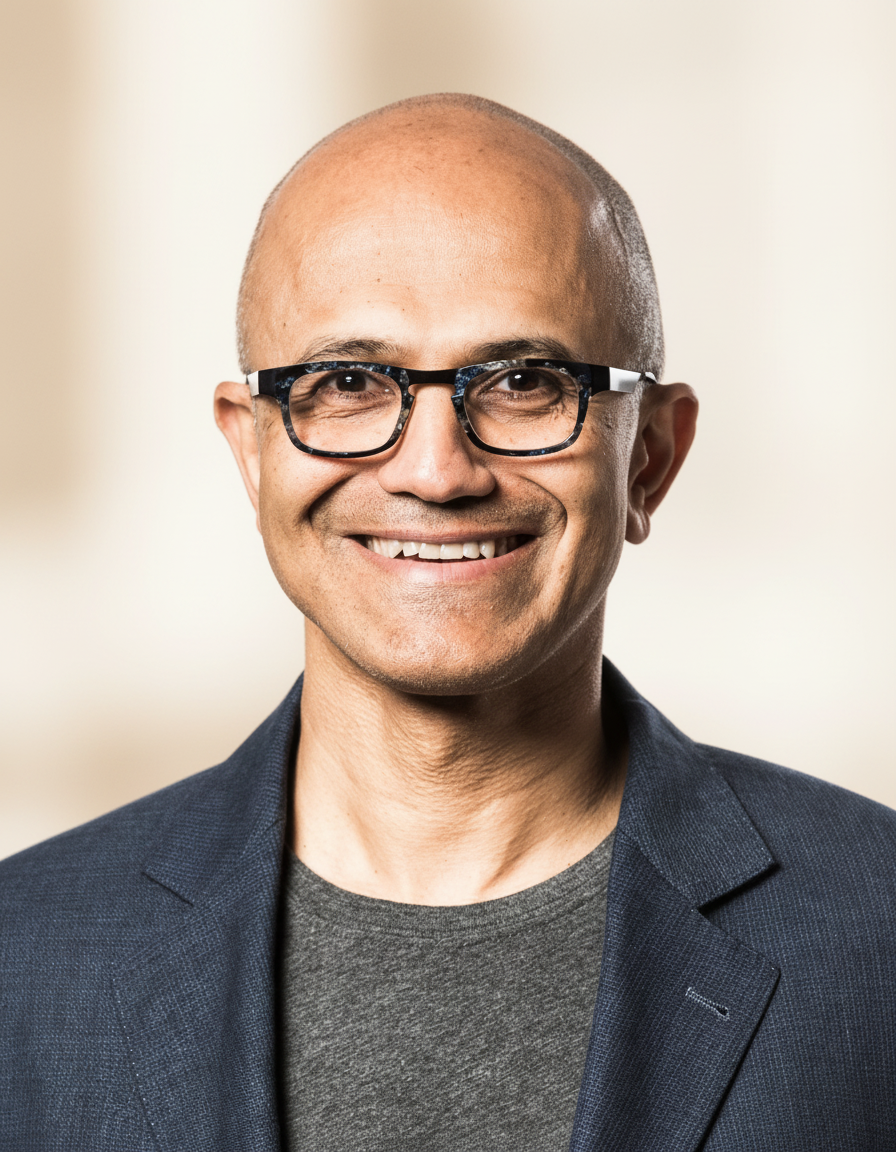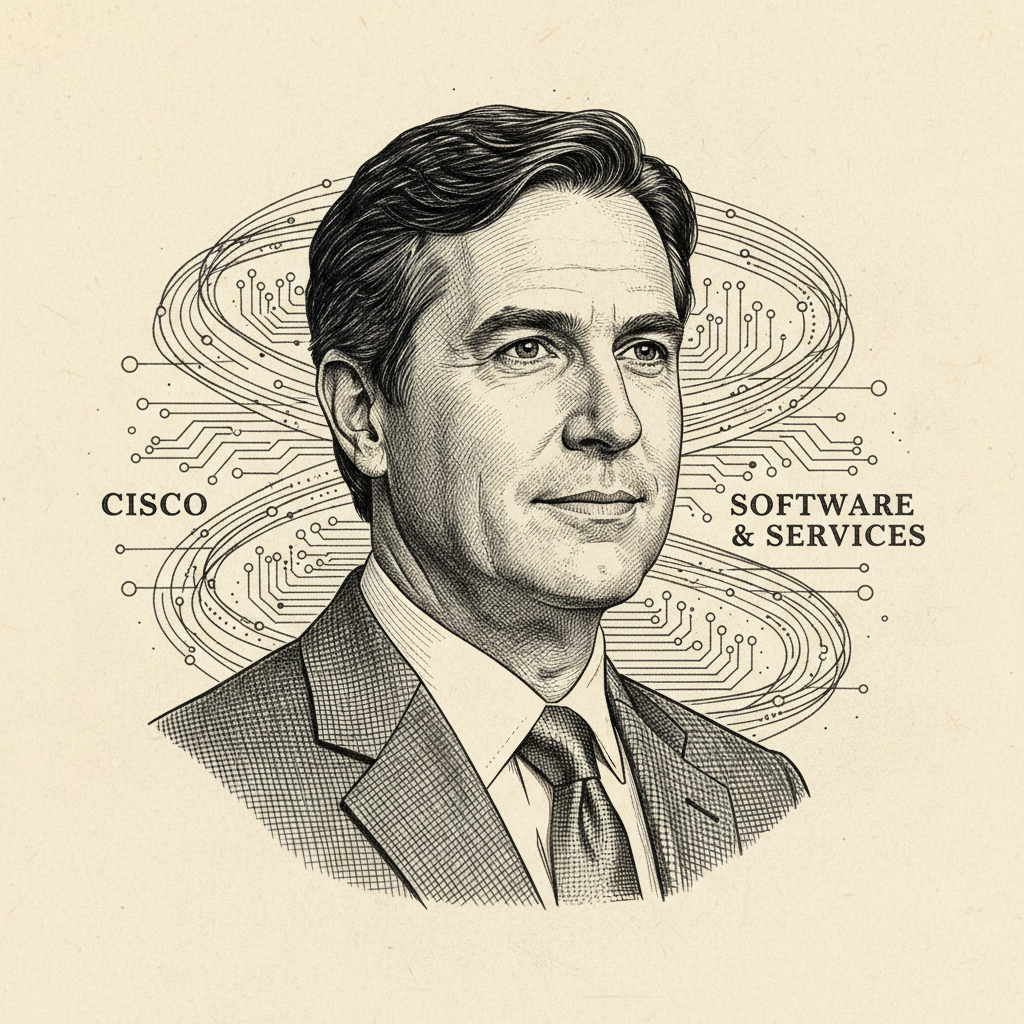
Yves Guillemot
Co-founder and CEO of Ubisoft, a global leader in interactive entertainment, known for strategic long-term vision and navigating industry consolidation.
Yves Guillemot is the co-founder and current CEO of Ubisoft Entertainment SA, one of the world's largest video game publishers. He established the company with his four brothers in 1986, transforming a family wholesale business into a global interactive entertainment powerhouse. Guillemot is renowned for his long-term strategic vision, fostering creative talent, and maintaining independence amidst intense industry consolidation.
Biography
Accomplishments
- 01Co-founded Ubisoft in 1986, transforming it from a software distributor into one of the world's largest video game developers and publishers.
- 02Successfully established and nurtured major global franchises including 'Assassin's Creed', 'Far Cry', 'Rainbow Six', and 'Just Dance'.
- 03Led Ubisoft's successful defense against a hostile takeover attempt by Vivendi (2015-2018), preserving the company's independence and strategic vision.
- 04Oversaw the expansion of Ubisoft into new markets and platforms, including online services, mobile gaming, and esports.
- 05Implemented a decentralized development studio model, fostering creativity and enabling simultaneous production of multiple AAA titles globally.
- 06Navigated significant shifts in the video game industry, transitioning from console-centric development to multi-platform, live-service models.
Lessons for Operators
Key Takeaways
Practical lessons distilled for operators, investors, C-levels, and capital allocators.
Strategic Independence Above All
Guillemot's multi-year battle against Vivendi illustrates that maintaining strategic control (e.g., through robust shareholder structures or clear communication of long-term value) is paramount for founders and leadership teams who wish to fully execute their vision and safeguard company culture. Operators should build defensive mechanisms early.
Distributed Creativity as a Competitive Advantage
Ubisoft's model of numerous studios contributing to complex franchises, often with shared technology and resources, demonstrates that a distributed, collaborative creative ecosystem can outcompete centralized models. Investors should look for companies that effectively scale creative output without compromising quality or diversity.
Long-Term IP Incubation is Key to Sustainable Value
The development of franchises like 'Assassin's Creed' and 'Far Cry' over decades showcases the power of investing in and patiently nurturing intellectual property. This generates recurring revenue streams and a loyal customer base, providing greater resilience than a focus on one-off hits. Capital allocators should favor businesses with defensible, growing IP portfolios.
Adaptability in Business Model and Technology
Ubisoft's evolution from boxed retail games to digital distribution, live services, and new monetization strategies underscores the need for continuous business model innovation. Enterprise leaders must foster an organizational culture that anticipates and adapts to technological shifts, rather than reacting to them.
Frameworks & Principles
Named frameworks and strategic principles they popularized or embodied.
Founder-Led Strategic Resilience
A framework where founding leadership is deeply committed to the company's long-term vision and capable of orchestrating multi-faceted defenses against external pressures like hostile takeovers, often leveraging family control, employee loyalty, and public relations.
When to useApplicable for leadership teams defining succession plans, implementing dual-class share structures, or developing strategies to maintain corporate independence in competitive markets.
Decentralized Creative Hub Model
A paradigm for creative industries where multiple inter-connected studios or teams operate with significant autonomy, sharing core technology engines and brand guidelines, to foster diverse creative output and increase production capacity simultaneously.
When to useUseful for C-levels in entertainment, software development, or media companies seeking to scale creative output, manage multiple product lines, and leverage global talent pools efficiently.
Multi-Generational IP Stewardship
A strategy focusing on the continuous development, evolution, and monetization of key intellectual properties over extended periods, often adapting them across different media, technologies, and market trends, ensuring brand longevity and recurring revenue streams.
When to useRelevant for investors evaluating companies with significant IP assets and for operators planning long-term product roadmaps, brand extensions, or content strategies in media, gaming, and tech sectors.
Sources & Further Reading
Profiles, interviews, podcasts, and articles used to compile and verify this entry. Each link opens at the original publisher.
Explore Related Titans
Other figures in the archive who share Yves Guillemot's domain, geography, or era.
More in Media & Entertainment

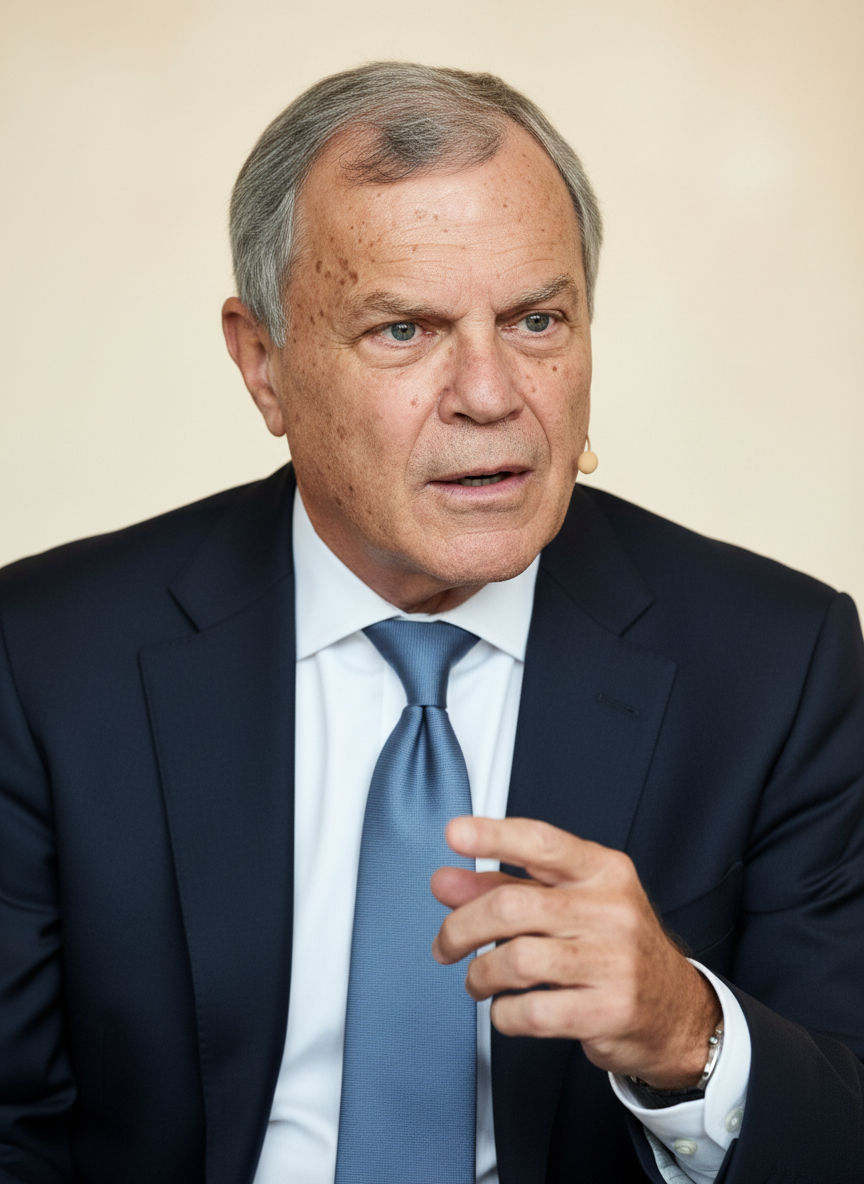






From France








Contemporaries — born 1960s