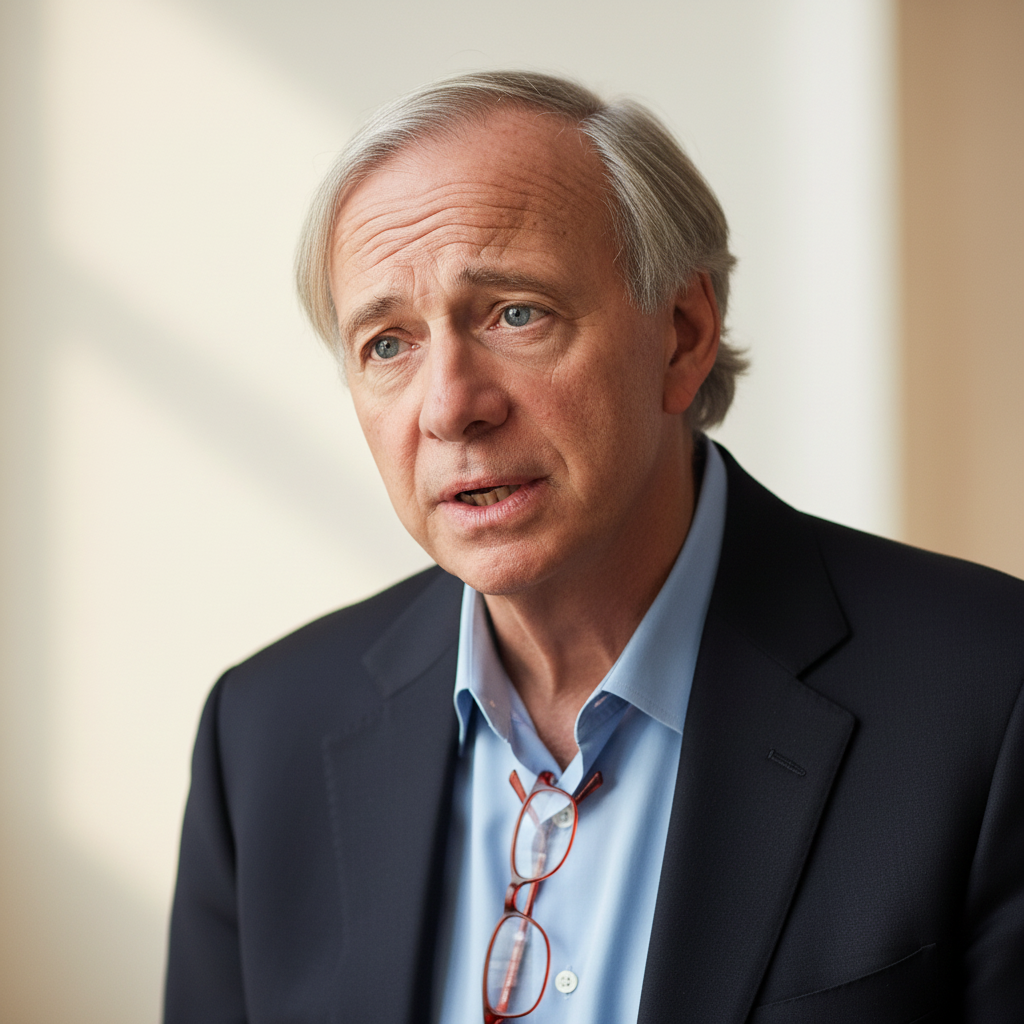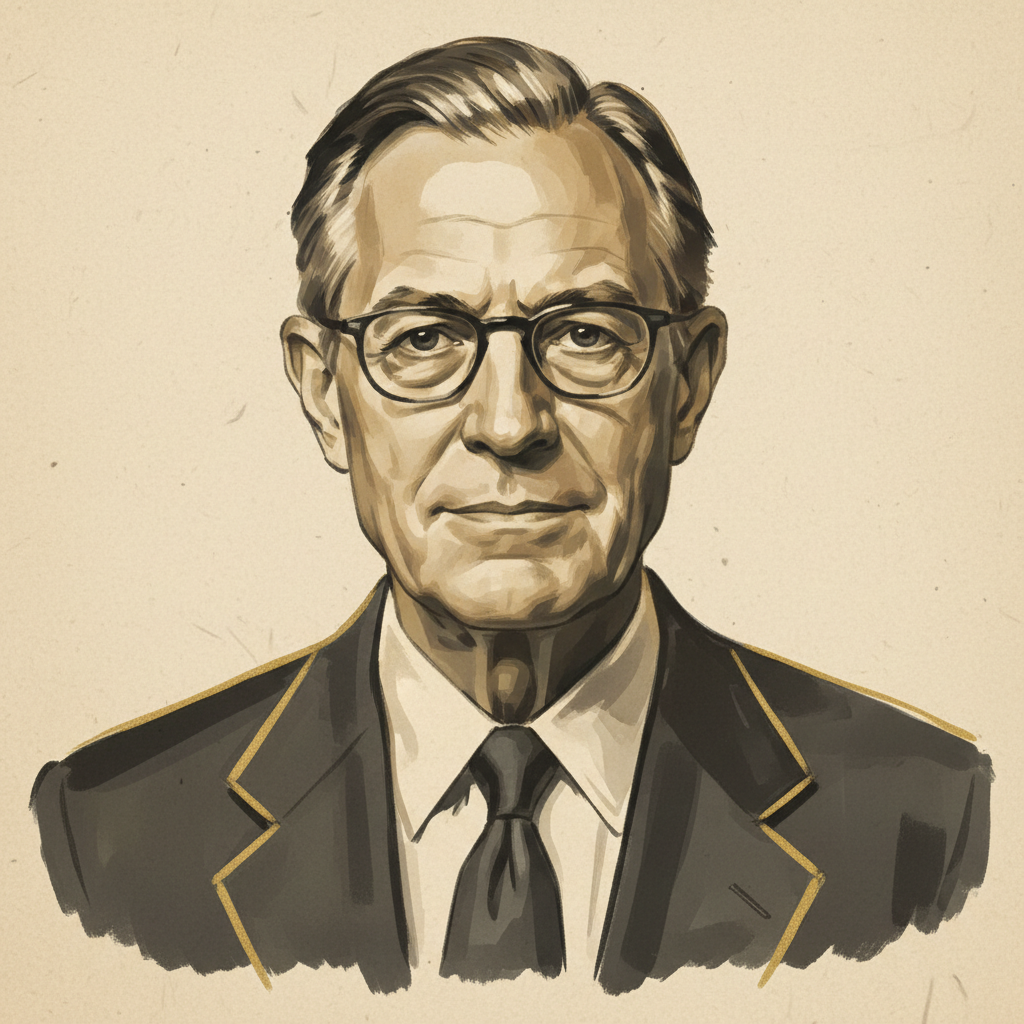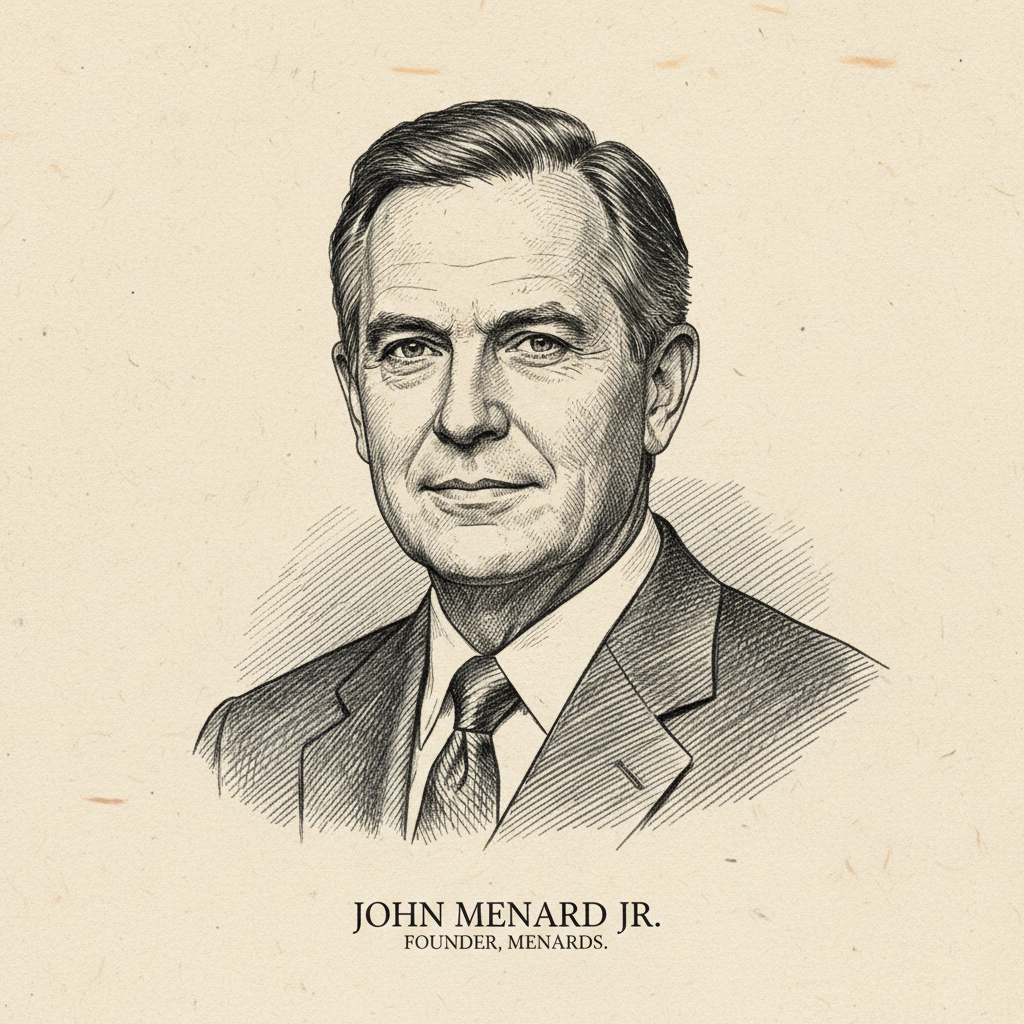
John Menard Jr.
The architect of a 'big box' retail empire, known for extreme cost control and an unwavering focus on operational efficiency.
John Menard Jr. is the founder, owner, and chairman of Menard, Inc., a privately held big-box home improvement retail chain. Starting his business in 1960 during college, Menard built an empire through an aggressive focus on low costs, vertical integration, and a hands-on management style, making him one of the wealthiest individuals in the United States.
Biography
Accomplishments
- 01Founded Menard, Inc. in 1960, growing it into the third-largest home improvement retailer in the U.S. without public funding or significant acquisitions.
- 02Pioneered extensive vertical integration within the retail sector, encompassing manufacturing, logistics, and raw material sourcing, e.g., operating sawmills and trucking fleets.
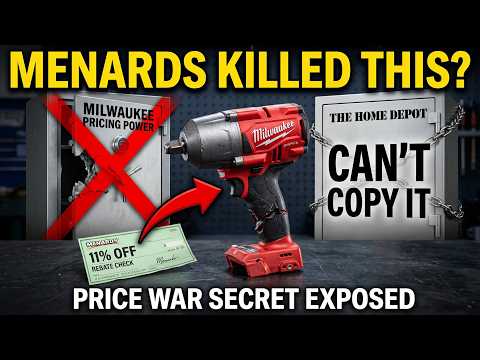
- 03Successfully competed against publicly traded giants like The Home Depot and Lowe's through disciplined cost control and price leadership.
- 04Maintained full private ownership of a multi-billion dollar retail enterprise, allowing for long-term strategic decisions free from quarterly earnings pressures.
- 05Developed a highly efficient, data-driven operational model focused on in-stock performance and inventory turns.
- 06Built a substantial real estate portfolio through strategic land acquisition and development for Menards store locations.
Lessons for Operators
Key Takeaways
Practical lessons distilled for operators, investors, C-levels, and capital allocators.
Unrelenting Cost Leadership
Menard's success is predicated on an uncompromising commitment to being the lowest-cost provider. This requires systematic elimination of waste, aggressive vendor negotiations, and internalizing functions others outsource. Operators should identify key cost drivers in their business and apply similar rigor.
Strategic Vertical Integration
By controlling substantial portions of his own supply chain (e.g., manufacturing specific building materials, running his own trucking fleet), Menard gained a competitive edge in quality, cost, and delivery. Evaluate critical dependencies in your value chain for potential vertical integration that offers strategic control and cost savings.
Operational Intensity
Menard is known for his highly detailed, often personal, involvement in operational specifics. This level of engagement, while not scalable for all leaders, underscores the importance of deep operational understanding and direct oversight in driving efficiency and maintaining standards within an organization.
Private Capital Advantage
Remaining privately held allowed Menard to prioritize long-term growth and internal reinvestment over short-term shareholder demands. This structure facilitates capital allocation to strategic initiatives (like vertical integration or real estate) that might be difficult to justify in a public setting.
Frugality as a Culture
The 'save big money' ethos is not just a marketing slogan but a core operational philosophy. Instilling a company-wide culture of frugality can translate into significant competitive advantages by continuously seeking efficiencies across all business functions.
Frameworks & Principles
Named frameworks and strategic principles they popularized or embodied.
Cost Leadership Strategy (Porter's Generic Strategies)
John Menard Jr. exemplifies a pure cost leadership strategy by relentlessly pursuing lower production and distribution costs to offer products at the lowest prices. This approach targets a broad market and relies on volume to drive profitability.
When to useApplicable when competing in commodity markets, price-sensitive industries, or where economies of scale are critical. Requires extreme operational efficiency, aggressive supply chain management, and low-cost structure.
Vertical Integration Analysis
This framework involves evaluating the benefits and risks of owning or controlling various stages of a company's supply chain, from raw materials to final distribution. Menard's extensive forward and backward integration is a prime example.
When to useUse when seeking greater control over quality, costs, and supply reliability; reducing transactional costs; or differentiating through proprietary processes. Requires significant capital investment and management expertise across diverse operations.
Owner-Managed Business Model
Characterized by the founder or a small group of owners retaining significant or full control over operations and strategy, often with a long-term perspective uninfluenced by external shareholders. Menard's private ownership of Menard, Inc. is a textbook case.
When to useSuitable for companies prioritizing autonomy, long-term vision, and cultural consistency over rapid external capital injection or public market liquidity. Requires strong internal capital generation or access to private financing.
Recent Appearances
Latest interviews, keynotes, and press from the past half year.
 youtube.com
 youtube.com
 youtube.com
 youtube.com
 youtube.com
 youtube.com
 youtube.com
 youtube.com
 youtube.com
Sources & Further Reading
Profiles, interviews, podcasts, and articles used to compile and verify this entry. Each link opens at the original publisher.
Explore Related Titans
Other figures in the archive who share John Menard Jr.'s domain, geography, or era.
More in Technology



From United States

Contemporaries — born 1940s