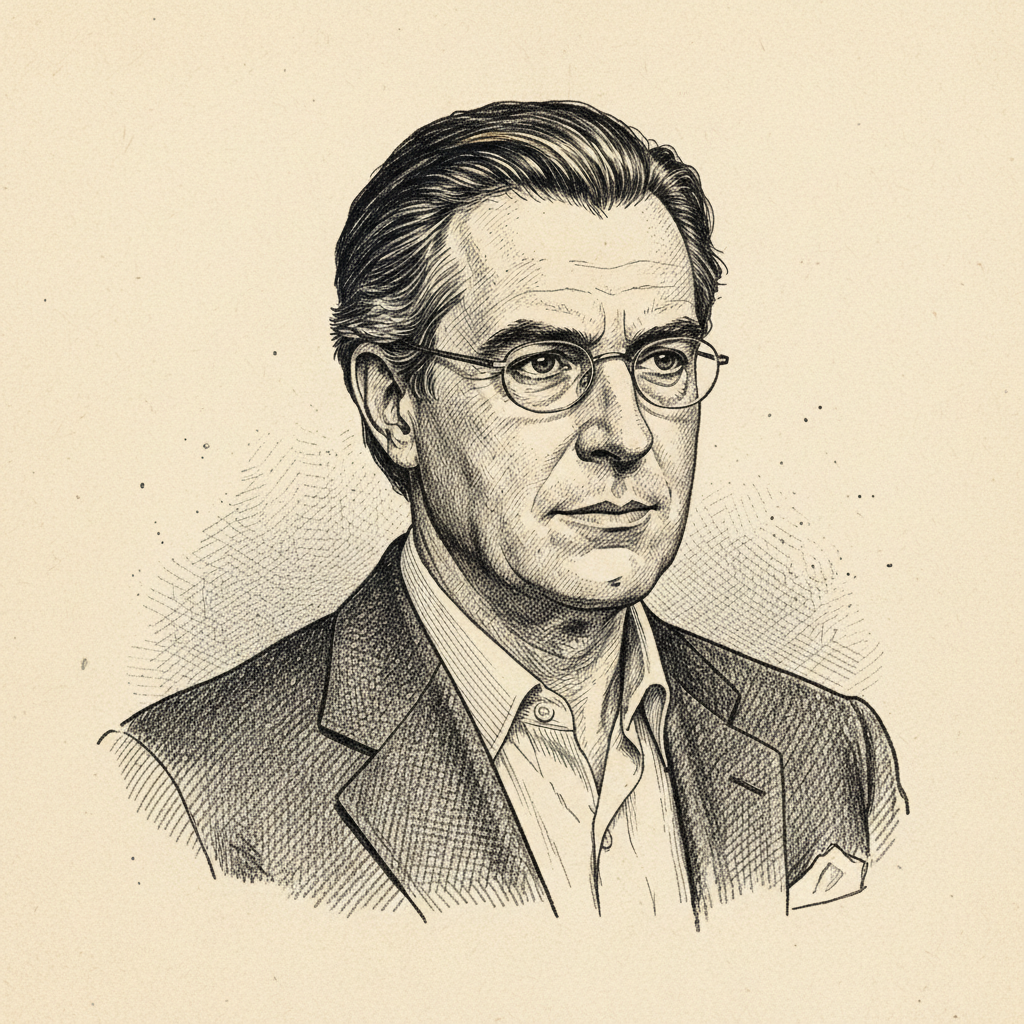
Tony O'Reilly
From Butter to Boardrooms: The Global Entrepreneur Who Transformed Heinz and Built a Media Empire.
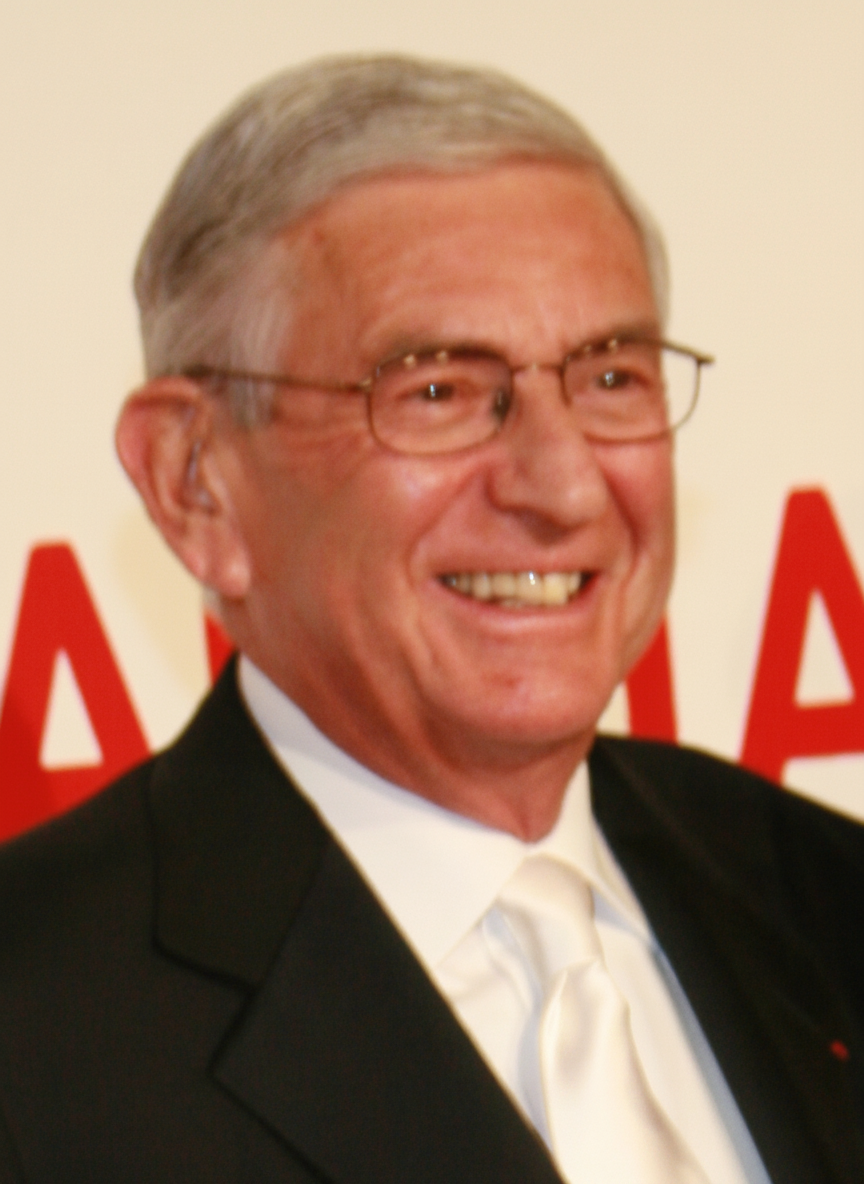
Tony O'Reilly is an Irish businessman and former international rugby player, best known for his transformative tenure as CEO and Chairman of H.J. Heinz Company and for building Independent News & Media into a global media conglomerate.
Biography
Accomplishments
- 01Transformed H.J. Heinz Company (1979-1998) from a largely domestic food producer into a diversified global consumer goods powerhouse, achieving consistent double-digit earnings growth for over 15 years.
- 02Built Independent News & Media (INM) from a local Irish publisher into a multinational media conglomerate with significant holdings across four continents (e.g., The Independent in the UK, various Australian and New Zealand publications, South African newspaper groups).
- 03Successfully integrated Weight Watchers International into the Heinz portfolio, driving its global expansion and substantial revenue contributions.
- 04Engineered numerous strategic acquisitions and divestitures at Heinz, including the purchase of Celestial Seasonings and the sale of Starkist Tuna, optimizing the company's brand portfolio.
- 05Served as Chairman of Waterford Wedgwood, orchestrating efforts to revitalize the struggling luxury goods manufacturer.
- 06Knighted by Queen Elizabeth II in 2001 for his services to Northern Ireland, acknowledging his business contributions and peace-building efforts.
Lessons for Operators
Key Takeaways
Practical lessons distilled for operators, investors, C-levels, and capital allocators.
Global Vision & Execution
O'Reilly demonstrated a consistent ability to identify and execute on global opportunities, transforming both mature and nascent businesses into international powerhouses. This requires deep market intelligence and cultural adaptability.
Portfolio Optimization as a Core Strategy
His success at Heinz underscores that continuous strategic asset allocation—buying, selling, and nurturing brands—is crucial for sustained growth and profitability in consumer goods.
Entrepreneurial Drive within Corporate Structures
Even as a corporate CEO, O'Reilly maintained an entrepreneurial mindset, taking bold risks and pursuing aggressive expansion strategies typical of founders, not just managers.
Strategic Use of Capital Structures
His use of private investment vehicles and willingness to deploy debt strategically illustrates that financial engineering, when skillfully applied, can be a powerful accelerator for growth and market consolidation.
Media Consolidation Acumen
O'Reilly's build-out of INM highlighted his understanding of media asset valuation, the economies of scale in publishing, and the power of cross-border media ownership.
Frameworks & Principles
Named frameworks and strategic principles they popularized or embodied.
Global Portfolio Diversification
A strategy involving expanding a company's product lines and geographical presence to reduce reliance on any single market or product, thereby mitigating risk and accessing new growth vectors.
When to useApplicable when a company's core markets are maturing, facing increased competition, or when significant untapped opportunities exist in international markets. Used by O'Reilly at Heinz to move beyond domestic condiments into broader consumer goods and global markets.
Acquisition-Led Growth (Roll-up Strategy)
A business strategy where a company grows by acquiring smaller, complementary businesses, often in a fragmented industry, to achieve economies of scale, market share, and operational efficiencies.
When to useIdeal for industries ripe for consolidation, or when a company seeks rapid expansion into new product categories or geographic regions. O'Reilly extensively used this at INM to consolidate newspaper holdings across multiple countries.
Brand-Centric Value Creation
Focusing on the strength and equity of individual brands as key drivers of corporate value, investing in marketing, innovation, and strategic positioning to enhance brand perception and consumer loyalty.
When to useEssential in consumer goods and media, where brand recognition directly impacts sales and market share. O'Reilly applied this at Heinz with brands like Weight Watchers and within INM's various newspaper titles.
Recent Appearances
Latest interviews, keynotes, and press from the past half year.
 youtube.com
 youtube.com
 youtube.com
 youtube.com
 youtube.com
 youtube.com
 youtube.com
 youtube.com
 youtube.com
 youtube.com
 youtube.com
 youtube.com
 youtube.com
 youtube.com
 youtube.com
Sources & Further Reading
Profiles, interviews, podcasts, and articles used to compile and verify this entry. Each link opens at the original publisher.
Explore Related Titans
Other figures in the archive who share Tony O'Reilly's domain, geography, or era.
More in Finance & Investing
From Ireland
Contemporaries — born 1930s