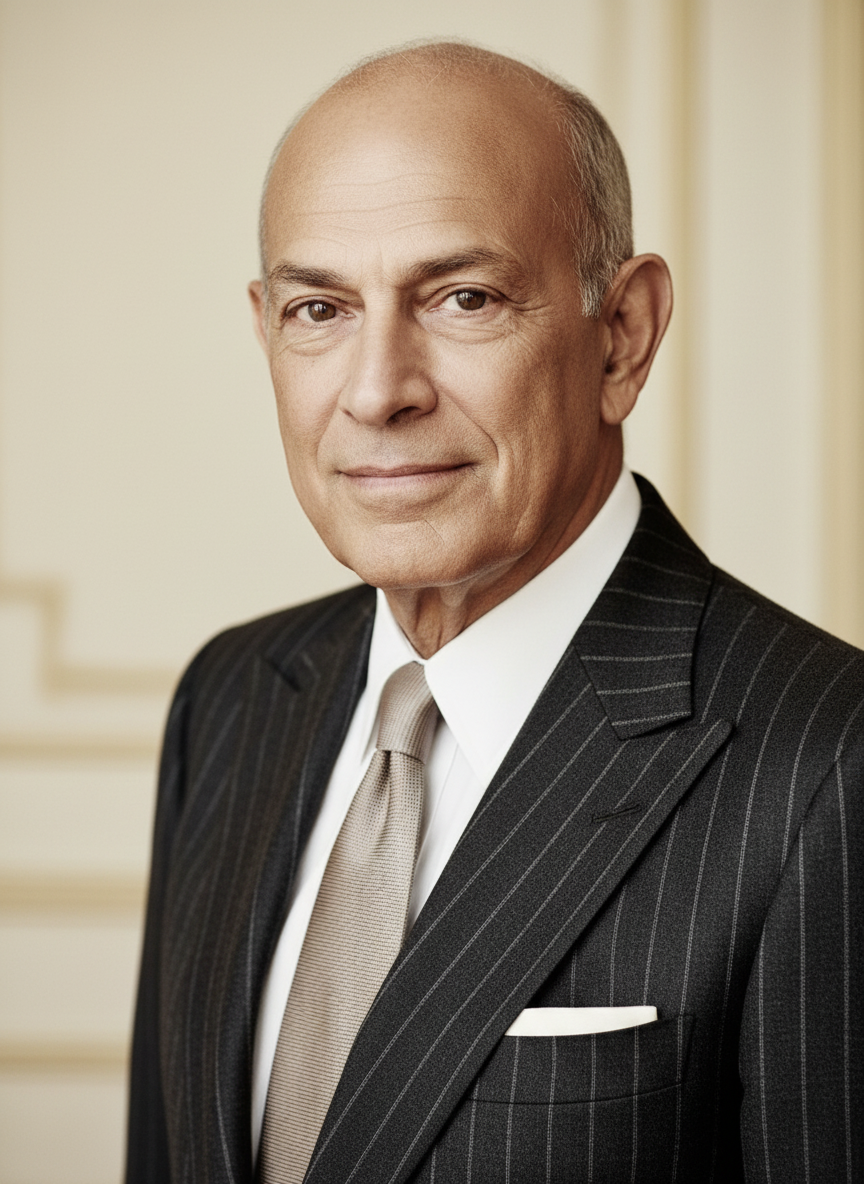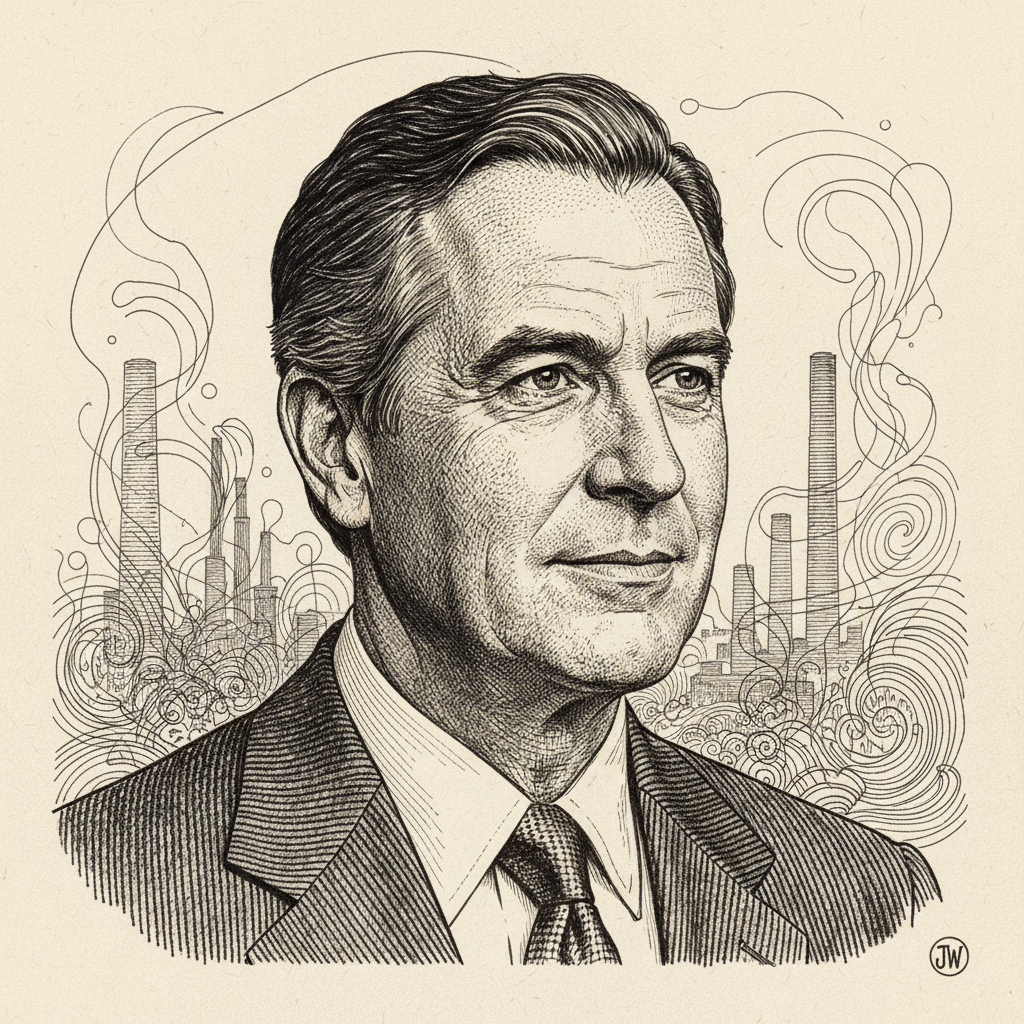
Eli Broad
The relentless entrepreneur who co-founded two Fortune 500 companies in divergent industries through strategic vision and disciplined execution.
Eli Broad was an American entrepreneur and philanthropist. He co-founded Kaufman and Broad, a homebuilding company now known as KB Home, and SunAmerica, a financial services company which he later sold to AIG. Broad's career was marked by strategic acquisitions, divestitures, and a keen ability to identify and capitalize on market opportunities, culminating in a significant philanthropic legacy focused on education, science, and the arts.
Biography
Accomplishments
- 01Co-founded Kaufman and Broad (now KB Home) in 1957, growing it into a national homebuilding giant and the first homebuilder listed on the NYSE (1969).
- 02Acquired Sun Life Insurance Company of America in 1971 and transformed it into SunAmerica Inc., a leading retirement savings and annuity provider.
- 03Engineered the sale of SunAmerica to AIG for $18 billion in 1998, demonstrating exceptional M&A strategy and timing.
- 04Built two Fortune 500 companies in distinct industries, showcasing versatility and strategic market identification.
- 05Co-founded The Broad Foundations, deploying over $4 billion in philanthropic capital with a strategic, results-driven approach to education, science, and the arts.
- 06Established The Broad contemporary art museum in Los Angeles, significantly enhancing the city's cultural landscape.
Lessons for Operators
Key Takeaways
Practical lessons distilled for operators, investors, C-levels, and capital allocators.
Diversification Through Acquisition and Transformation
Broad didn't just buy companies; he transformed them. He acquired Sun Life and entirely re-engineered its business model to target a distinct market segment (retirement savings), creating a new entity (SunAmerica). This demonstrates how M&A can be a vehicle for true business model innovation, not just market share acquisition.
The Power of the Niche Market
Both Kaufman and Broad's focus on affordable 'starter homes' and SunAmerica's specialization in retirement products for the affluent (annuities, mutual funds) illustrate the strategic advantage of deeply understanding and serving specific market niches rather than attempting to be all things to all people.
Visionary Philanthropy as Strategic Investment
Broad applied the same rigorous, results-oriented mindset to his philanthropy as he did to his businesses. His foundations funded initiatives with clear objectives, measurable impact, and often disruptive potential (e.g., funding for KIPP charter schools, significant investment in stem cell research), treating philanthropic capital as strategic investment.
Mastering the Business Cycle
Broad’s successful career across real estate and financial services involved navigating distinct business cycles. His ability to expand aggressively during growth phases and to pivot or sell strategically (e.g., the SunAmerica sale) before potential downturns highlights the importance of market timing and flexibility.
Frameworks & Principles
Named frameworks and strategic principles they popularized or embodied.
Market Niche Identification & Domination
Focus intently on a specific, underserved market segment, and develop products/services uniquely tailored to its needs to achieve a dominant position. Broad did this first with starter homes and then with retirement products for baby boomers.
When to useWhen entering a new market, expanding product lines, or seeking to differentiate from competitors. Requires deep market research and customer understanding.
Strategic Value Creation through M&A
Utilize mergers and acquisitions not merely for growth, but to fundamentally transform business models, enter new high-growth sectors, or optimize an entire asset portfolio. The acquisition and restructuring of Sun Life into SunAmerica is a prime example.
When to useWhen organic growth is limited, seeking to diversify, or aiming to acquire capabilities/market access quickly. Requires a clear vision for post-acquisition integration and value realization.
The 'Constructive Dissatisfaction' Mindset
A leadership philosophy where one is never fully satisfied with current achievements, fostering a continuous drive for improvement, innovation, and strategic re-evaluation. This ensures agility and prevents complacency.
When to useTo drive innovation, maintain competitive edge, and foster a culture of perpetual improvement within an organization. Especially vital in rapidly changing industries.
Sources & Further Reading
Profiles, interviews, podcasts, and articles used to compile and verify this entry. Each link opens at the original publisher.
Explore Related Titans
Other figures in the archive who share Eli Broad's domain, geography, or era.
More in Finance & Investing

From United States


Contemporaries — born 1930s