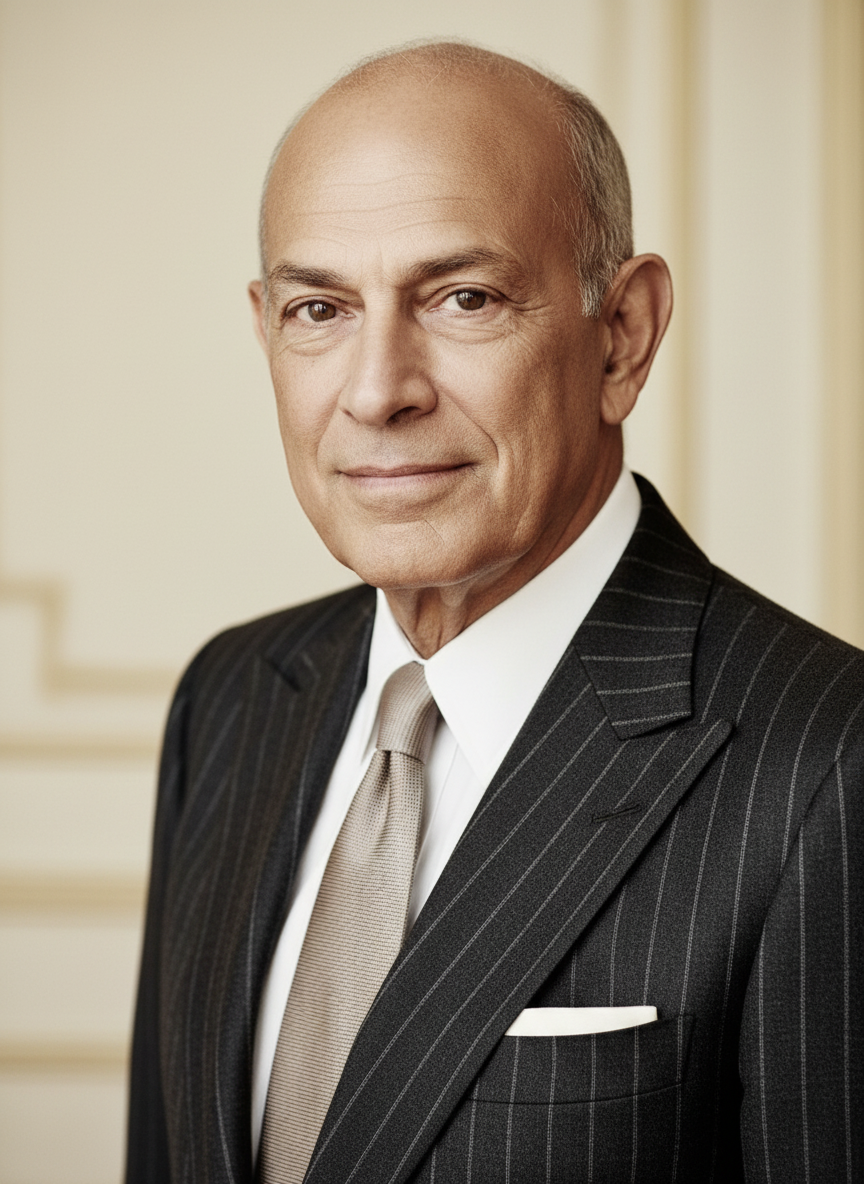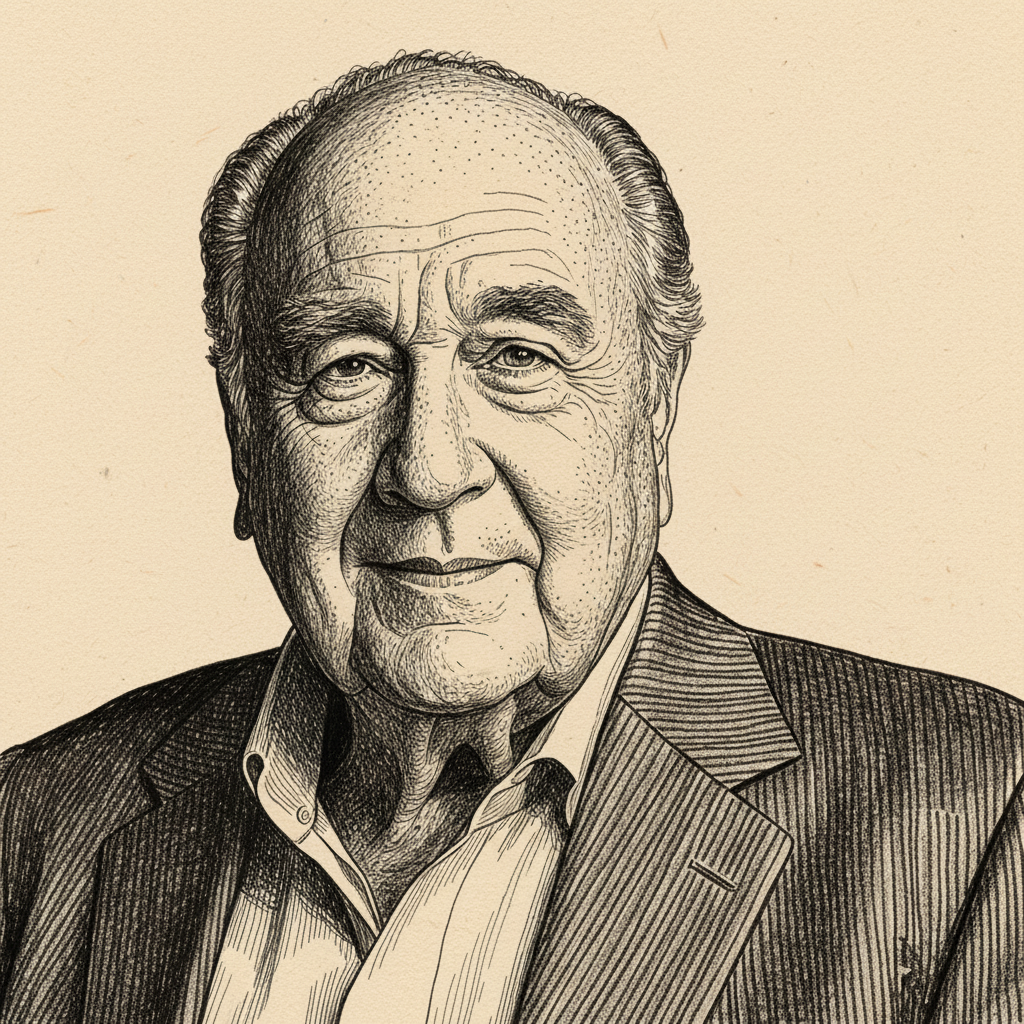
Amancio Ortega
Amancio Ortega: The silent titan behind Inditex and Zara, who redefined global fashion retail through agile supply chains and rapid trend adoption, pioneering the fast-fashion model and building a multi-billion-dollar empire that extends into global real estate.
Amancio Ortega Gaona OMC is a Spanish billionaire businessman, co-founder of the Inditex fashion group, best known for its Zara and Bershka chains. A pioneer of fast fashion, he revolutionized the apparel industry by creating an ultra-responsive supply chain. Starting from humble beginnings, he built Inditex into a global powerhouse, briefly becoming the world's richest man in 2015. His strategic genius extended beyond retail, making him a significant investor in global real estate.
Biography
Accomplishments
- 01Co-founded Inditex (Industria de Diseño Textil S.A.) in 1985, which became one of the world's largest fashion retail groups.
- 02Founded Zara in 1975, pioneering the 'fast fashion' business model that revolutionized the apparel industry's supply chain and trend responsiveness.
- 03Briefly became the world's richest person in 2015, surpassing Bill Gates, with a peak net worth of $80 billion, demonstrating immense wealth creation.
- 04Developed a highly vertically integrated supply chain for Inditex, enabling design-to-retail lead times as short as two weeks, a critical competitive advantage.
- 05Expanded Inditex globally to operate thousands of stores across hundreds of countries under multiple distinct brands (e.g., Zara, Bershka, Massimo Dutti).
- 06Built a substantial global real estate portfolio through Pontegadea, diversifying his wealth and becoming a major player in commercial property investment.
Lessons for Operators
Key Takeaways
Practical lessons distilled for operators, investors, C-levels, and capital allocators.
The Power of an Agile Supply Chain
Ortega proved that speed and responsiveness could be a greater competitive advantage than purely low cost. By minimizing lead times and leveraging sophisticated logistics, Zara could adapt to trends in weeks, avoiding markdowns and maximizing full-price sales, a model now widely adopted across industries.
Innovation Through Operational Excellence
Ortega's genius lay not in groundbreaking product design, but in perfecting the process of delivering fashionable items efficiently. His focus on lean manufacturing, just-in-time inventory, and tight control over distribution channels established new benchmarks for operational efficiency in retail.
Strategic Diversification of Assets
His transition from a fashion retail magnate to a major global real estate investor demonstrates a long-term vision for wealth preservation and growth. This diversification reduces reliance on a single industry, providing a stable foundation and significant income streams outside of his core business.
Customer-Centricity via Rapid Iteration
Zara's success was fundamentally about listening to the customer. By continuously introducing new styles and quickly retiring underperforming ones, Ortega built a system that constantly responded to consumer demand, fostering loyalty and driving repeat visits without heavy advertising.
The Value of Vertical Integration in Complex Markets
In a rapidly changing industry like fashion, vertical integration allowed Inditex to maintain control over quality, design, production, and distribution. This level of control minimized external dependencies and enabled unparalleled speed and flexibility.
Frameworks & Principles
Named frameworks and strategic principles they popularized or embodied.
Fast Fashion Model
A business model characterized by rapid production cycles to quickly bring new designs from the catwalk to stores, responding to current trends. It emphasizes speed, flexibility, and affordability over high-end luxury or traditional seasonal collections.
When to useApplicable for businesses in highly trend-driven industries (e.g., fashion, consumer electronics, media) where rapid adaptation to changing consumer preferences and minimizing inventory risk are critical.
Vertical Integration Strategy
A strategy where a company owns or controls multiple stages of its supply chain, from raw materials to manufacturing, distribution, and retail. This provides greater control over quality, costs, and lead times.
When to useUseful for companies seeking to optimize their supply chain, reduce dependencies on external suppliers, ensure quality control, or gain competitive advantages through speed and efficiency, especially in industries with complex production processes or high demand volatility.
Market-Responsive Production
An operational philosophy focused on producing goods in response to real-time market demand and feedback, rather than forecasting and mass production. It emphasizes short production runs, rapid reordering, and agile manufacturing.
When to useIdeal for businesses where consumer tastes are fickle, product life cycles are short, or inventory obsolescence is a major risk. It helps minimize waste, optimize inventory levels, and maximize sales of full-price items.
Recent Appearances
Latest interviews, keynotes, and press from the past half year.
 youtube.com
 youtube.com
 youtube.com
 youtube.com
 youtube.com
 youtube.com
 youtube.com
 youtube.com
 youtube.com
 youtube.com
 youtube.com
 youtube.com
 youtube.com
 youtube.com
 youtube.com
 youtube.com
 youtube.com
 youtube.com
 youtube.com
 youtube.com
 youtube.com
 youtube.com
 youtube.com
 youtube.com
 youtube.com
 youtube.com
 youtube.com
 youtube.com
 youtube.com
 youtube.com
 youtube.com
 youtube.com
 youtube.com
 youtube.com
 youtube.com
 youtube.com
 youtube.com
 youtube.com
 youtube.com
 youtube.com
 youtube.com
 youtube.com
 youtube.com
 youtube.com
 youtube.com
 youtube.com
 youtube.com
 youtube.com
 youtube.com
 youtube.com
 youtube.com
 youtube.com
 youtube.com
 youtube.com
 youtube.com
 youtube.com
 youtube.com
 youtube.comyoutube.com
 youtube.com
 youtube.com
 youtube.com
 youtube.com
 youtube.com
 youtube.com
 youtube.com
 youtube.com
 youtube.com
 youtube.com
 youtube.com
 youtube.com
 youtube.com
 youtube.com
 youtube.com
 youtube.com
 youtube.com
 youtube.com
 youtube.com
 youtube.com
 youtube.com
 youtube.com
 youtube.com
 youtube.com
 youtube.com
 m.youtube.com
 youtube.com
 youtube.com
 youtube.com
 youtube.com
 m.youtube.com
 youtube.com
 youtube.comm.youtube.com
 youtube.com
 youtube.com
 youtube.com
 youtube.com
 youtube.com
 youtube.com
 youtube.com
 youtube.com
 youtube.com
 youtube.com
 youtube.com
 youtube.comyoutube.com
 m.youtube.com
 youtube.com
 youtube.com
 youtube.com
 youtube.com
 youtube.com
 youtube.com
 youtube.com
 youtube.com
 youtube.com
 youtube.com
 youtube.com
 youtube.com
 youtube.com
 youtube.com
 m.youtube.com
 youtube.com
 youtube.com
 youtube.com
 youtube.com
 youtube.com
 youtube.comyoutube.com
 youtube.comm.youtube.com
 youtube.com
 m.youtube.comyoutube.comyoutube.com
 youtube.comyoutube.com
 youtube.com
 youtube.com
 youtube.com
 youtube.com
 youtube.com
Sources & Further Reading
Profiles, interviews, podcasts, and articles used to compile and verify this entry. Each link opens at the original publisher.
- interviewFrom Shirt Shop to Billionaire: The Story of Amancio Ortega ...instagram.com→
- interviewA pioneer in fast fashion, Amancio Ortega of Spain is the cofounder ...facebook.com→
- interviewZara Founder Leads Wealthy Push Into $1 Trillion Property Marketbloomberg.com→
- interviewForbes Real Time Billionaires List - The World's Richest Peopleforbes.com→
- interviewMarie Besnier Beauvalot - Forbesforbes.com→
- interviewStocks - Bloomberg Marketsbloomberg.com→
- interviewAmancio Ortega's Journey from Shirt Shop to Billionaire - TikToktiktok.com→
- interviewAmancio Ortega: The Quiet Mind Behind Zara's Empiretheeuromagazine.com→
- interview7400 stores, $147 billion fortune, zero interviews; meet the most ...m.economictimes.com→
- interviewHe never gave an interview. He just quietly built the biggest fashion ...instagram.com→
- interviewAmancio Ortega: How Zara's reclusive founder became the 16th ...timesofindia.indiatimes.com→
- interviewZara's Billionaire Cofounder Is Now The World's Richest Real Estate ...forbes.com→
- interviewQube Holdings shares after Macquarie $8.3 billion takeover dealcnbc.com→
- interviewZara Billionaire Ortega to Draw Record Dividend of €3.2 Billionbloomberg.com→
- interviewBillionaire Jorge Pérez Plans To Beat Trump's Immigration Crackdownforbes.com→
- interviewZara at 50: can the world's biggest fashion brand keep its appeal?ft.com→
- interviewZara SA | Financial Timesft.com→
- interviewSpain's booming economy collides with a barren politicsft.com→
- interviewIran war fallout set to filter into economic data - Financial Timesft.com→
- podcastPeople often ask me, “Now that you're rich, what is XYZ?” I used to ...instagram.com→
- podcast商业小样41 | ZARA创始人,竟然还是全球“最大地主” - Apple Podcastspodcasts.apple.com→
- podcastRosalía Mera - Mujeres - Apple Podcastspodcasts.apple.com→
- podcast商业小样41 | ZARA创始人,竟然还是全球“最大地主”podcasts.apple.com→
- podcastShameless Media - Channel - Apple Podcastspodcasts.apple.com→
- podcastLas cuentas claras - Podcast de Economía de EL MUNDOpodcasts.apple.com→
- podcastEn Cadena Dos | Podcast on Spotifyopen.spotify.com→
- podcastSome Sunday motivation and free game for aspiring ... - Instagraminstagram.com→
- podcastHe was born with money… but he's building his own story now ...instagram.com→
- podcastWhat are your thoughts? William Last: I have big numbers but I've ...facebook.com→
- podcastFrank R. Pologruto's Post - LinkedInlinkedin.com→
- podcastWhen you take away the money, what does success really mean ...instagram.com→
- podcastHe Dropped Out Of College And Made Millions - Facebookfacebook.com→
- podcastMillionaires invest in these 16 things - Facebookfacebook.com→
- podcastGrow As Entrepreneurs | Giorgio Armani highlights a pattern seen ...instagram.com→
- podcastSilicon Valley built the money. Miami built the lifestyle. Low taxes ...instagram.com→
- podcastHoward Huang of Orbbec on 2026 Forbes Billionaires list - Facebookfacebook.com→
- podcastDude was a Forbes 30 under 30 — at 17 - Instagraminstagram.com→
- podcastAmancio Ortega tiene cero vivi... - Podcast de Juan Ramón Rallopodcasts.apple.com→
- podcastExperiences For Fitness Enthusiasts → Strategy Used By Oyshopodcasts.apple.com→
- podcast商业小样41 | ZARA创始人,竞然还是全球“最大地主” - Apple Podcastspodcasts.apple.com→
- podcastRosalía Mera–Mujeres - Apple Podcastspodcasts.apple.com→
- podcastLas cuentas claras - Podcast de Economía de EL MUNDO - Spotifyopen.spotify.com→
- podcastEP.17 - ¿Zara será la próxima marca de lujo? - Spotifyopen.spotify.com→
- podcastCafé Couture Podcast - Apple Podcastspodcasts.apple.com→
- podcastMujeres - Podcast - Apple Podcastspodcasts.apple.com→
- podcastHow I became a millionaire at 44 by cutting frivolous spendingfacebook.com→
- podcastHow does one become a millionaire? #jubilee ... - Facebookfacebook.com→
- podcastStarted young, small, and never stopped #BillionaireBeginnings ...instagram.com→
- podcastFull Story Link https://click.pocketfm.com/2IE7/7evwne3c Would ...facebook.com→
- podcast26 Signs You're Destined to Become a Millionaire - Facebookfacebook.com→
- podcastYesss we love to see it - Instagraminstagram.com→
- podcast'I learnt a lot about being frugal and not wasting money from John ...facebook.com→
- podcastBeing free is not something every citizen has access to. Christophe ...instagram.com→
- podcastMost people know Zara. But not everyone knows the quiet billionaire ...instagram.com→
- podcastSome of America's most powerful tech oligarchs seem pathologically ...facebook.com→
- podcastWorld's Top 157 Billionaires & Icons — What They Did Rightglenbradford.com→
- podcastAI But only 15 investors have appeared on the Forbes Midas List ...instagram.com→
- podcastImpact" is a Scam—Unless it Drives Outsized Venture Returns ...instagram.com→
- podcastFortunes are made by those who move first. Learn to read tech ...instagram.com→
- podcastInside Alexis Ohanian's huge net worth, including his companies ...facebook.com→
- podcast80M AED in sales. One YouTube channel. 10 days off-grid in the ...instagram.com→
- podcastSome of America's most powerful tech oligarchs seem pathologically ...facebook.com→
- podcastBillionaires aren't sitting this year out. Despite inflation, geopolitical ...facebook.com→
- podcastCalifornia is home to many of the world's richest individuals, with the ...facebook.com→
- podcastLegends predict 2026 will be bullish - Facebookfacebook.com→
- podcastRunning a fashion brand takes hard work. @panosgotsis told us ...instagram.com→
- podcastYoung billionaires under 41 years old - Facebookfacebook.com→
- podcastDavid Grain has officially joined the ranks of the world's billionaires ...facebook.com→
- podcastInformation Systems: A Manager's Guide to Harnessing Technologystudylib.net→
- podcastfor folks who have never seen info on Summit's investors: - Facebookfacebook.com→
- podcastTheCityCeleb - Facebookfacebook.com→
- podcastTim Ferriss was born in 1977 in East Hampton, New York. Princeton ...instagram.com→
- podcastThe entrepreneur is facing growing criticism, with many complaining ...facebook.com→
- podcastA single minute may not alter your fate. Yet, utilizing ... - Instagraminstagram.com→
- podcastWealth on Instagram: "The rest of this decade feels like a movie ...instagram.com→
- podcastSurvive this phase. Your winning move is coming ... - Instagraminstagram.com→
- podcastBecoming a billionaire is often due to luck - Facebookfacebook.com→
- podcastSteven Bartlett reveals his first emails to a CIA Spy that lead to his ...facebook.com→
- podcastMost billionaires saw a rise in their wealth, except Jensen Huang ...instagram.com→
- podcastLe Code Culturel de Netflix qui a changé ...facebook.com→
- podcastBrad Jacobs, QXO, XPO, United Rentals & United Waste | David Senradavidsenra.com→
- podcastStrage sulla SS106 vicino Amendolara: 4 braccianti dati alle fiammetiktok.com→
- podcastLas cuentas claras - Podcast de Economía de EL MUNDOradio.es→
- podcastReitmans on Instagram: "@alaska.rider takes us back to where it all ...instagram.com→
- podcastFrom janitor to executive— Richard Montañez's story is one of ...facebook.com→
- podcastHow Maria Zondervan Discovered Multifamily Real Estate | Alex ...linkedin.com→
- podcastUniqlo founder's journey to success - Facebookfacebook.com→
- podcastA Day with Lucy Baudo, CSR Manager at Sud Express ... - Instagraminstagram.com→
- podcastBrian Chesky - Co-founder of Airbnb - Facebookfacebook.com→
- podcastThe Importance of Context in Dividend Investing | David B ... - LinkedInlinkedin.com→
- podcastLos podcasts que hacen los ricos - Facebookfacebook.com→
- podcastSe il tuo profilo IG non comunica esattamente cosa risolvi e per chi ...instagram.com→
- podcast2025年《财富》全球最具影响力的100位商界领袖fortunechina.com→
- podcast3 Investing Moves Made by Taylor Swift and 3 Other Celebrities That ...aol.com→
- podcastFrom the visionary founders of the world's biggest software empires ...facebook.com→
- podcastOne of Florida's biggest real estate operators is coming to Startup ...instagram.com→
- podcastWe Study Billionaires 🎙️ This top-ranked investing podcast breaks ...facebook.com→
- podcastThank you California. Miami will take it from here ... - Instagraminstagram.com→
- podcastSteve Witkoff, the real estate mogul-turned-diplomat, is 15% richer ...facebook.com→
- podcastHow did Markwayne Mullin build an eight-figure fortune ... - Facebookfacebook.com→
- podcastSome of America's most powerful tech oligarchs seem pathologically ...facebook.com→
- podcastTechnology continues to dominate global wealth, but U.S. Taxpayer ...facebook.com→
- podcastTim Ferriss was born in 1977 in East Hampton, New York. Princeton ...instagram.com→
- podcastIn the ever-evolving world of global wealth, several billionaire ...instagram.com→
- podcastWarwick Fairfax lost $2.25B in a failed takeover of his family's media ...facebook.com→
- podcastVirgin Group (400+ companies across music, airlines, space travel ...facebook.com→
- podcast“Be slowest brand in the world.” In tech, it's all move fast break things ...instagram.com→
- podcastMost founders try to “improve the product.” Graza did the opposite ...instagram.com→
- podcastJe vous souhaite… beaucoup de douleur et de ... - Facebookfacebook.com→
- podcastTHÚ VỊ: IKEA đang trả lương 16,10 đô la một giờ cho nhân viên ...facebook.com→
- podcastMột local brand Việt đình đám tuyên bố đóng cửa, chưa đầy 1 tháng ...facebook.com→
- podcastPeter Thiel a licencié Elon Musk. Mais ... - Facebookfacebook.com→
Explore Related Titans
Other figures in the archive who share Amancio Ortega's domain, geography, or era.
More in Technology









From Spain
Contemporaries — born 1930s