Portrait of José María Castellano Ríos
Modern Architect · 1950 — Present

José María Castellano Ríos

The architect of Inditex's global supply chain and operational marvel.

Country
Spain
Continent
Europe
Industry
Retail, Fashion, Logistics, Technology
Role
CEO, Vice Chairman, COO

José María Castellano Ríos is a Spanish executive best known for his pivotal role in scaling Inditex (Zara's parent company) into a global retail powerhouse, serving as CEO and Vice Chairman. His leadership was instrumental in developing Inditex's highly efficient, vertically integrated supply chain and rapid-response logistics model.

Biography

José María Castellano Ríos began his career in academia, holding a professorship in financial economics before joining the Marks & Spencer Group in the late 1980s. He transitioned to Inditex in 1985, initially as CFO, eventually rising to CEO in 1997 and Vice Chairman in 2000. Under his operational leadership, Inditex pioneered a 'fast fashion' model by integrating design, manufacturing, logistics, and retail. His strategic vision and meticulous execution enabled Zara to deliver new designs to stores worldwide in as little as two weeks, shattering traditional retail cycles. He orchestrated Inditex's highly successful IPO in 2001, valuing the company at over €9 billion. Castellano also notably served as Chairman of the Spanish telecommunications company Ono (2007-2013) and has held various directorships, including at La Voz de Galicia. His post-Inditex career saw him involved in private equity and advisory roles, notably with N+1 Mercapital, demonstrating his continued influence across diverse sectors.

Accomplishments

  • 01Orchestrated Inditex's global expansion, growing its store count from hundreds to thousands and establishing its presence in major international markets during his tenure as CEO (1997-2005).
  • 02Developed and refined Inditex's vertically integrated supply chain, which includes design, manufacturing, logistics, and distribution, enabling rapid product turnover.
  • 03Led Inditex's successful initial public offering (IPO) in May 2001, raising significant capital and formalizing the company's market presence.
  • 04Pioneered the 'fast fashion' model, significantly reducing lead times from design to store delivery (often two weeks), setting a new industry standard.
  • 05Implemented sophisticated IT systems and data analytics for demand forecasting and inventory management, critical for Inditex's operational efficiency.
  • 06Served as Chairman of Ono, a major Spanish telecommunications company, navigating its growth and eventual acquisition by Vodafone.

Lessons for Operators

Vertical Integration as a Competitive Advantage: Inditex's control over design, manufacturing, and distribution, championed by Castellano, allowed for unmatched speed and flexibility. Lesson: Evaluate core processes for vertical integration opportunities to gain control over critical value chain elements and reduce dependencies.
Speed to Market is King in Fashion (and Beyond): The two-week concept-to-store cycle revolutionized retail. Lesson: Identify bottlenecks in your product development and supply chain. Aggressively reduce lead times to respond faster to market demand and trends, even if it requires significant operational overhaul.
Data-Driven Operations: Castellano embedded data analytics into every stage, from store feedback informing design to inventory optimization. Lesson: Implement robust data collection and analysis systems. Use real-time data to drive decisions in production, logistics, and sales, rather than relying on historical trends alone.
Global Scalability Through Operational Excellence: Inditex's expansion was not just about opening stores, but replicating a complex, efficient operational model globally. Lesson: Design scalable processes from the outset. Ensure your operational blueprints can be efficiently replicated across new markets or product lines without significant loss of efficiency.
Strategic Use of Technology: Inditex heavily invested in IT to manage its complex network of suppliers, designers, and stores. Lesson: View technology as an enabler of strategy, not just a cost center. Invest in systems that support your unique business model and provide a competitive edge.
Empowerment & Decentralization for Agility: While strategic direction came from the top, store managers had significant autonomy in ordering based on local demand. Lesson: Balance centralized control with decentralized decision-making where speed and local market responsiveness are critical.
The Operator's Playbook

Key Takeaways

Practical lessons distilled for operators, investors, C-levels, and capital allocators.

Lesson 01

The Power of Operational Architecture

Castellano demonstrates that superior operational design (supply chain, logistics, IT) can be as powerful a competitive differentiator as brand or product innovation. Companies must invest in building efficient, responsive operational architectures.

Lesson 02

Agility Through Integration

Inditex's ability to pivot rapidly and capitalize on fleeting fashion trends stemmed from deep integration and control over its value chain. This model suggests that strategic control over critical inputs and processes can dramatically enhance agility and market responsiveness.

Lesson 03

Data as the Fuel for Speed

His tenure highlights how effective data utilization, from point-of-sale feedback to inventory management, is crucial for optimizing a fast-paced business model. Data-driven insights must directly inform operational decisions.

Lesson 04

Globalization Through Replication

Inditex's global success wasn't merely about market entry but about meticulously replicating a proven, efficient operational model across diverse geographies, underscoring the importance of scalable processes.

Lesson 05

Beyond Price: Value Through Velocity

While often categorized as affordable, Zara's true value proposition, shaped by Castellano, was its ability to deliver fresh, trend-right styles quickly, creating a sense of urgency and constant novelty that drove customer traffic and loyalty.

Mental Models

Frameworks & Principles

Named frameworks and strategic principles they popularized or embodied.

01

Fast Fashion Supply Chain Model

A vertical integration strategy where design, manufacturing, distribution, and retail are tightly controlled and optimized for rapid product turnover. Emphasizes short lead times (e.g., 2 weeks from design to store), small batch production, and rapid replenishment based on real-time sales data.

When to useApplicable for industries with rapidly changing consumer trends, short product lifecycles, and high demand for novelty. Requires significant investment in logistics, IT, and agile manufacturing capabilities.

02

Decentralized Store-Level Merchandising

Delegating significant ordering autonomy to store managers, allowing them to tailor inventory specifically to local demand and sales data. This contrasts with centralized buying decisions for entire regions.

When to useEffective for businesses with diverse geographical markets and customer preferences. Requires robust communication channels, clear performance metrics, and trust in local management's market understanding.

03

Data-Driven Inventory Optimization

Utilizing real-time point-of-sale data, RFID tracking, and predictive analytics to forecast demand, manage stock levels, and minimize waste across the entire supply chain. Focuses on 'just right' inventory rather than 'just in time' or 'just in case'.

When to useEssential for any retail or product-based business seeking to reduce carrying costs, prevent stockouts, and improve sales efficiency. Requires a strong analytics infrastructure and integration across systems.

Adjacent Minds

Explore Related Titans

Other figures in the archive who share José María Castellano Ríos's domain, geography, or era.

Technology

More in Technology

Browse all →
Portrait of Steve Jobs
USA / TECHNOLOGY
Steve Jobs
Co-founder of Apple Inc. and visionary credited with transforming multiple industries.
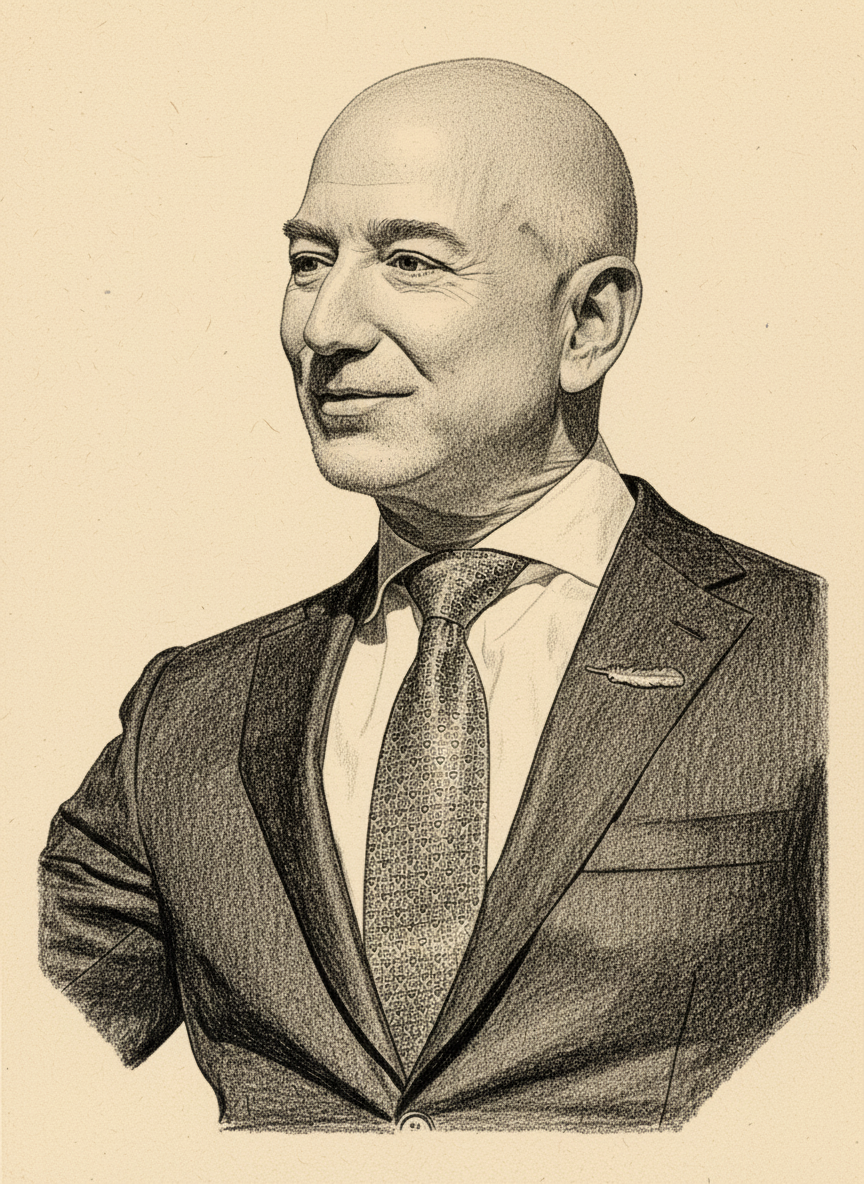
Portrait of Jeff Bezos
UNITED STATES / TECHNOLOGY, RETAIL, LOGISTICS, CLOUD COMPUTING, SPACE EXPLORATION
Jeff Bezos
Founder of Amazon, orchestrator of an e-commerce and cloud computing empire, and pioneer in space exploration.
Portrait of Elon Musk
SOUTH AFRICA / AEROSPACE, AUTOMOTIVE, ARTIFICIAL INTELLIGENCE, ENERGY, TELECOMMUNICATIONS
Elon Musk
Elon Reeve Musk: Visionary entrepreneur leading advancements in aerospace, automotive, and artificial intelligence.
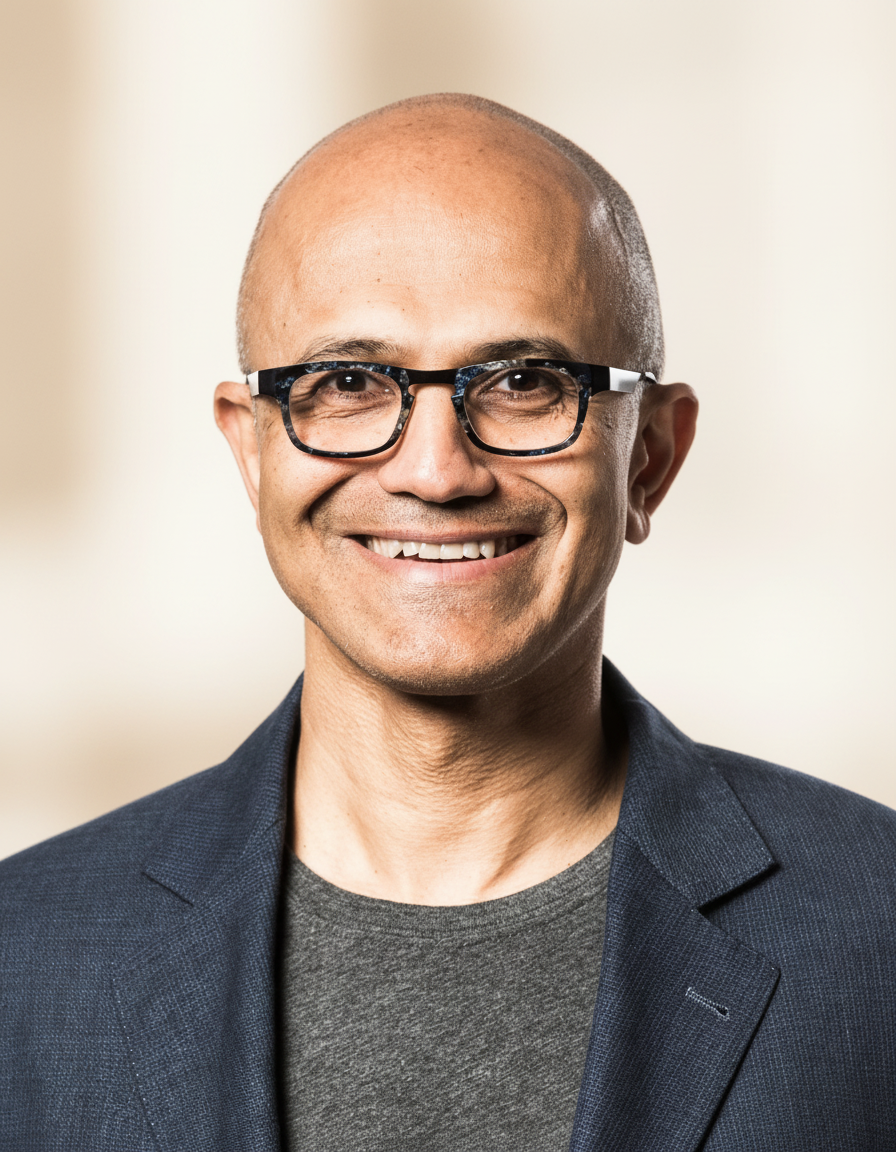
Portrait of Satya Nadella
INDIA / TECHNOLOGY
Satya Nadella
The architect of Microsoft's cloud-first, AI-centric transformation and culture revival.
Portrait of Jensen Huang
TAIWAN (NATURALIZED AMERICAN CITIZEN) / SEMICONDUCTORS, ARTIFICIAL INTELLIGENCE, COMPUTING
Jensen Huang
Co-founder, President, and CEO of NVIDIA, a pioneering force in graphics processing units (GPUs) and artificial intelligence.
Portrait of Bill Gates
UNITED STATES / SOFTWARE, TECHNOLOGY, PHILANTHROPY
Bill Gates
Co-founder of Microsoft, architect of the personal computing revolution, and global philanthropist.
Portrait of Mark Cuban
UNITED STATES / TECHNOLOGY, MEDIA, SPORTS, HEALTHCARE
Mark Cuban
Mark Cuban: The Prolific Disrupter – From Software Startups to Sports Franchises and Pharmaceutical Innovation, Leveraging Technology and Direct-to-Consumer Models.
Portrait of Sam Walton
UNITED STATES / RETAIL
Sam Walton
The architect of modern retail, pioneering discount merchandising and logistical efficiency to establish the world's largest retail corporation.
Portrait of Jack Ma
CHINA / E-COMMERCE, TECHNOLOGY, FINANCE
Jack Ma
Co-founder of Alibaba Group, pioneering e-commerce and digital finance in China.
Portrait of Walt Disney
UNITED STATES / ENTERTAINMENT
Walt Disney
Co-founder of The Walt Disney Company, pioneering animation, theme parks, and diversified entertainment.
Same Era

Contemporaries — born 1950s

Browse all →
Portrait of Steve Jobs
USA / TECHNOLOGY
Steve Jobs
Co-founder of Apple Inc. and visionary credited with transforming multiple industries.
Portrait of Bill Gates
UNITED STATES / SOFTWARE, TECHNOLOGY, PHILANTHROPY
Bill Gates
Co-founder of Microsoft, architect of the personal computing revolution, and global philanthropist.
Portrait of Mark Cuban
UNITED STATES / TECHNOLOGY, MEDIA, SPORTS, HEALTHCARE
Mark Cuban
Mark Cuban: The Prolific Disrupter – From Software Startups to Sports Franchises and Pharmaceutical Innovation, Leveraging Technology and Direct-to-Consumer Models.
Portrait of Aliko Dangote
NIGERIA / DIVERSIFIED CONGLOMERATE (CEMENT, SUGAR, REFINING, FOOD & BEVERAGES)
Aliko Dangote
Africa's Entrepreneurial Architect: Building Industrial Empires from Commodity Foundations.
Portrait of Mukesh Ambani
INDIA / CONGLOMERATE
Mukesh Ambani
India's transformative conglomerate architect, driving digital and retail revolutions.
Portrait of Masayoshi Son
JAPAN / TECHNOLOGY, TELECOMMUNICATIONS, INVESTMENT
Masayoshi Son
Visionary founder of SoftBank, pioneering global technology investing with audacious long-term bets.
Portrait of Oprah Winfrey
UNITED STATES / MEDIA AND ENTERTAINMENT
Oprah Winfrey
Media proprietor and executive whose multi-platform empire redefined celebrity influence and media ownership.
Portrait of Howard Schultz
UNITED STATES / FOOD & BEVERAGE, RETAIL
Howard Schultz
The architect of the modern coffee experience and a pioneer in scaling purpose-driven enterprise.
Portrait of Richard Branson
UNITED KINGDOM / CONGLOMERATE
Richard Branson
The Maverick Billionaire: Pioneering and Proliferating the Virgin Brand Across Diverse Sectors.
Portrait of Jim Collins
UNITED STATES / MANAGEMENT CONSULTING & RESEARCH
Jim Collins
Jim Collins is a seminal management researcher, author, and lecturer known for his rigorous, empirically-driven analysis of what makes great companies endure and excel.