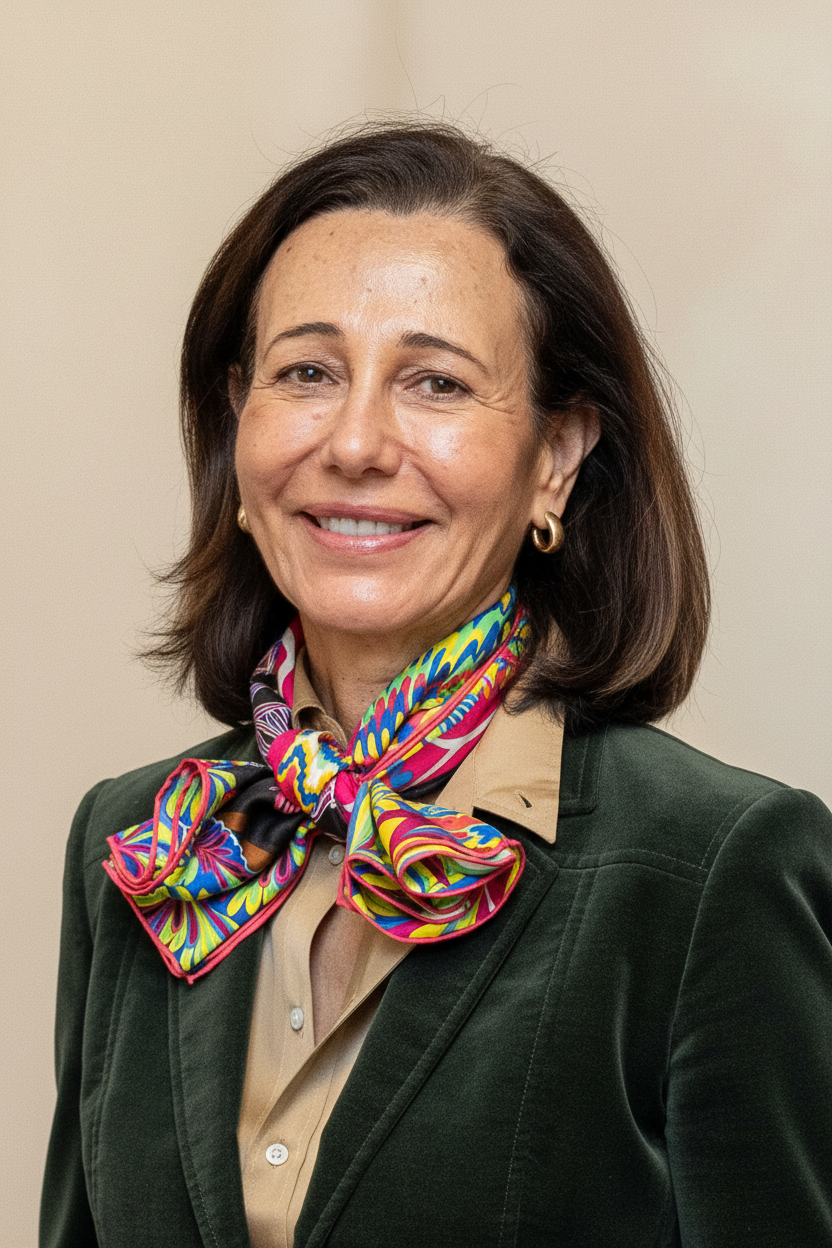
Dario Gill
Architecting IBM's future through foundational research and responsible technological advancement, leading global innovation in AI, quantum computing, and hybrid cloud.
Dario Gil is the Senior Vice President and Director of IBM Research, one of the world's largest industrial research organizations. He leads a global team of over 3,000 researchers across 19 locations and five continents, driving fundamental breakthroughs in AI, quantum computing, hybrid cloud, and exploratory science. Gil is a key architect of IBM's technical strategy and a vocal advocate for responsible technology development.
Biography
Accomplishments
- 01Led the establishment of IBM as a global leader in quantum computing, deploying the world's first commercial quantum computers and building the IBM Quantum Network.
- 02Orchestrated IBM Research's pivot towards key strategic areas including hybrid cloud, artificial intelligence, and quantum computing, aligning research directly with IBM's commercial strategy.
- 03Championed open science initiatives and ecosystem development, including the release of Qiskit (IBM's open-source quantum computing SDK) and the AI Explainability 360 toolkit, fostering broader adoption and collaboration.
- 04Successfully integrated advanced research outputs into IBM's core product offerings, significantly contributing to innovations in IBM Watson, Red Hat OpenShift integration, and specialized AI hardware.
- 05Influenced national science and technology policy through roles on the National Science Board and the President’s Council of Advisors on Science and Technology (PCAST).
- 06Expanded IBM Research's global footprint and collaborative partnerships, ensuring a diverse and impactful research portfolio across multiple continents and disciplines.
- 07Driven sustained investment in foundational AI research, leading to breakthroughs in areas like natural language processing, computer vision, and AI ethics.
- 08Navigated IBM Research through a significant strategic transformation, ensuring its continued relevance and impact in a rapidly evolving technological landscape.
Lessons for Operators
Key Takeaways
Practical lessons distilled for operators, investors, C-levels, and capital allocators.
Strategic Research Leadership
Gil exemplifies how to lead a large-scale industrial research organization by strategically aligning fundamental science with corporate objectives, focusing on high-impact areas like AI, quantum, and hybrid cloud. This ensures research translates into tangible business value and competitive advantage.
Ecosystem Builder
His emphasis on open-source initiatives (e.g., Qiskit) and collaborative networks demonstrates the power of building ecosystems. This approach accelerates technological adoption, attracts a broader developer base, and establishes industry standards, critical for emerging technologies like quantum computing.
Responsible Innovation Advocate
Gil consistently champions ethical considerations in technology development, particularly AI. This proactive stance on explainability and fairness not only builds trust but also positions IBM as a thought leader in navigating the complex societal implications of advanced technologies.
Visionary for Future Computing
Under his leadership, IBM has made significant strides in quantum computing, moving from theoretical research to practical applications and commercial deployment. This highlights the importance of sustained, long-term investment in technologies with the potential to fundamentally reshape industries.
Bridging Academia and Industry
His background and leadership illustrate effective strategies for fostering collaboration between academic research and industrial application, accelerating the translation of scientific discoveries into real-world solutions and economic impact.
Global R&D Management
Leading a global research team across diverse geographies and scientific disciplines, Gil's approach demonstrates how to manage complex, distributed innovation efforts while maintaining strategic focus and output quality.
Frameworks & Principles
Named frameworks and strategic principles they popularized or embodied.
IBM Research's 'Grand Challenges' Approach
A methodology where research efforts are organized around ambitious, long-term scientific and technological goals (e.g., building a universal quantum computer, achieving 'trusted AI'). These challenges provide focus, inspire breakthroughs, and align diverse research teams.
When to useApplicable for organizations seeking to direct complex, multi-disciplinary R&D towards transformative outcomes. Useful for setting long-range strategic objectives that require sustained effort and cross-functional collaboration over several years.
Open Science & Ecosystem Development Model
A strategy involving making research tools, software (like Qiskit), and even some datasets publicly available or open-source. This fosters a broader community of users and developers, accelerates innovation, and helps establish proprietary technologies as industry standards.
When to useIdeal for companies introducing nascent technologies or platforms where widespread adoption is critical. Use when aiming to build an external developer community, attract talent, or standardize a new technological approach (e.g., AI frameworks, quantum SDKs).
Responsible AI/Technology Principles Integration
A framework that embeds ethical considerations, fairness, explainability, and transparency directly into the technology development lifecycle. It involves creating tools (e.g., AI Explainability 360) and processes to ensure technologies are developed and deployed responsibly.
When to useEssential for any organization developing or deploying advanced AI, automation, or data-intensive technologies. Implement early in the R&D process to mitigate risks, build trust, comply with future regulations, and differentiate on ethical grounds.
Research-to-Product Pipeline Integration
A structured approach to connect cutting-edge research outputs directly with product development teams. This involves early engagement of product managers with research projects, joint roadmapping, and dedicated teams to facilitate technology transfer and commercialization.
When to useCritical for technology companies with significant R&D investments. Employ when seeking to accelerate the transition of laboratory breakthroughs into market-ready products, ensuring that research directly contributes to the commercial portfolio.
Recent Appearances
Latest interviews, keynotes, and press from the past half year.
 youtube.com
 youtube.com
 youtube.com
 youtube.com
 youtube.com
 youtube.com
 youtube.com
 youtube.com
 youtube.com
 youtube.com
 youtube.com
 youtube.com
 youtube.com
 youtube.com
 youtube.com
 youtube.com
 youtube.com
 youtube.com
 youtube.com
Explore Related Titans
Other figures in the archive who share Dario Gill's domain, geography, or era.
More in Technology









From Spain