
Charles Koch
Architect of Koch Industries' diversified growth and proponent of market-based management.
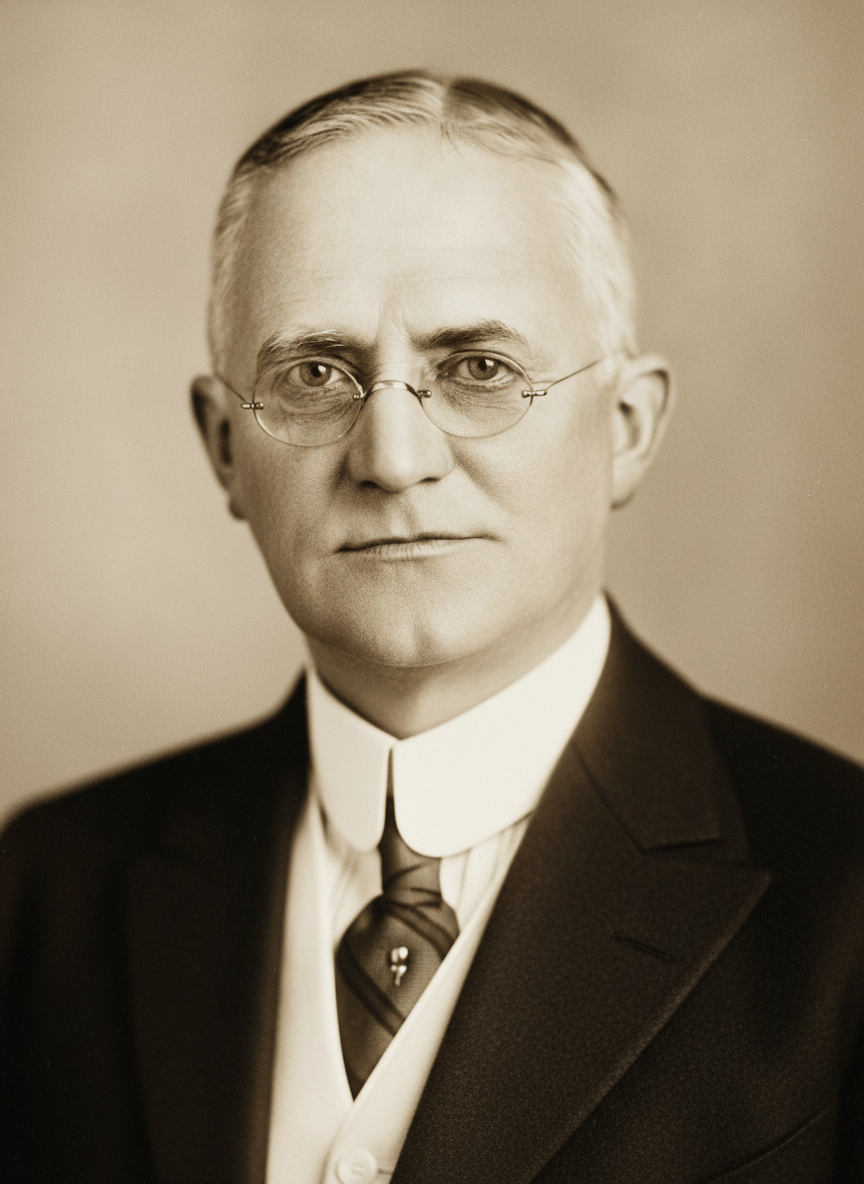
Charles Koch inherited a stake in Koch Engineering and transformed it into Koch Industries, one of the largest privately held companies globally. He pioneered 'Market-Based Management' (MBM), a comprehensive management philosophy focusing on continuous improvement, economic thinking, and self-actualization.
Biography
Accomplishments
- 01Transformed Koch Industries from a mid-sized oil company (valued at approximately "21 million in 1967) into one of the largest privately held companies globally, with estimated revenues exceeding "115 billion by 2019.
- 02Developed and implemented "Market-Based Management" (MBM), a proprietary management philosophy that has driven the company's sustained growth and decentralized operational excellence.
- 03Successfully diversified Koch Industries into a vast array of sectors including chemicals, pipelines, refining, pulp and paper, consumer products, electronics, and commodity trading.
- 04Orchestrated significant and complex acquisitions, such as INVISTA (2004), Georgia-Pacific (2005 for "21 billion), and Molex (2014 for "7.2 billion), demonstrating prowess in capital allocation and integration.
- 05Maintained private ownership of a massive conglomerate through decades of growth, avoiding the pressures of public markets while accessing substantial capital for expansion.
Lessons for Operators
Key Takeaways
Practical lessons distilled for operators, investors, C-levels, and capital allocators.
Holistic Management Philosophy
Koch's Market-Based Management (MBM) is not just a set of rules, but a comprehensive worldview applied to business. It emphasizes principles like 'Vision,' 'Virtue and Talents,' 'Knowledge Processes,' 'Decision Rights,' and 'Incentives.' Operators should develop a similarly cohesive internal framework that guides all strategic and operational choices, ensuring consistency and clarity across the enterprise.
Long-Term, Principle-Based Capital Allocation
Koch Industries prioritizes long-term economic value creation, often making significant investments that may not yield immediate returns but align with their strategic vision and MBM principles. Investors and capital allocators should critically evaluate opportunities based on fundamental economic principles and potential for sustained value, rather than succumbing to quarterly pressures or fads.
Decentralization and Empowered Accountability
MBM promotes decentralized decision-making, pushing responsibility and authority down to those closest to the information. This fosters entrepreneurial behavior and allows for rapid adaptation. Leaders should strive to create structures that empower their teams, provide clear decision rights, and hold individuals accountable for outcomes, minimizing bureaucratic drag.
Continuous Improvement through Economic Thinking
Koch emphasizes relentless self-evaluation and improvement across all operations, viewing everything through an economic lens of opportunity costs and comparative advantage. C-levels should instill a culture where every process, product, and strategy is continuously scrutinized for ways to create more value while consuming fewer resources, using sound economic reasoning.
Strategic Diversification
Koch Industries' growth through diversification was not random but opportunistic, leveraging core competencies (e.g., process optimization, commodity markets expertise) across various sectors. Enterprise leaders should consider how their unique capabilities can be applied to new markets or industries, fostering resilience and opening new growth vectors, rather than narrowly confining their scope.
Frameworks & Principles
Named frameworks and strategic principles they popularized or embodied.
Market-Based Management (MBM)
MBM is a comprehensive management philosophy built on five dimensions: Vision, Virtue and Talents, Knowledge Processes, Decision Rights, and Incentives. It seeks to apply the principles of a free and open society within an organization, promoting entrepreneurial action, comparative advantage, and continuous improvement.
When to useApplicable for any organization seeking to foster a culture of entrepreneurial innovation, decentralized decision-making, and long-term value creation. Particularly valuable for diversified conglomerates or companies with complex internal structures where cross-functional alignment and individual accountability are paramount.
Challenge the Status Quo
A core tenet of MBM is the continuous challenge of existing processes, assumptions, and strategies. It encourages employees at all levels to question how things are done and seek better alternatives, driven by economic principles and a desire for efficiency and effectiveness.
When to useUtilize this framework when an organization is facing stagnation, needs to innovate, or is seeking to optimize performance. It's especially powerful when integrated into regular operational reviews, strategic planning, and performance evaluations to prevent complacency and encourage critical thinking.
Comparative Advantage Applied Internally
Koch applies the economic principle of comparative advantage internally, ensuring that individuals, teams, and business units focus on activities where they can create the most value relative to others. This guides resource allocation and organizational structuring.
When to useImplement this when structuring teams, allocating resources, or defining organizational roles. It helps ensure that capital and human talent are deployed where they can generate the highest returns and competitive differentiation within the firm, maximizing overall organizational output.
Sources & Further Reading
Profiles, interviews, podcasts, and articles used to compile and verify this entry. Each link opens at the original publisher.
Explore Related Titans
Other figures in the archive who share Charles Koch's domain, geography, or era.
More in Industrial & Manufacturing









From United States










Contemporaries — born 1930s