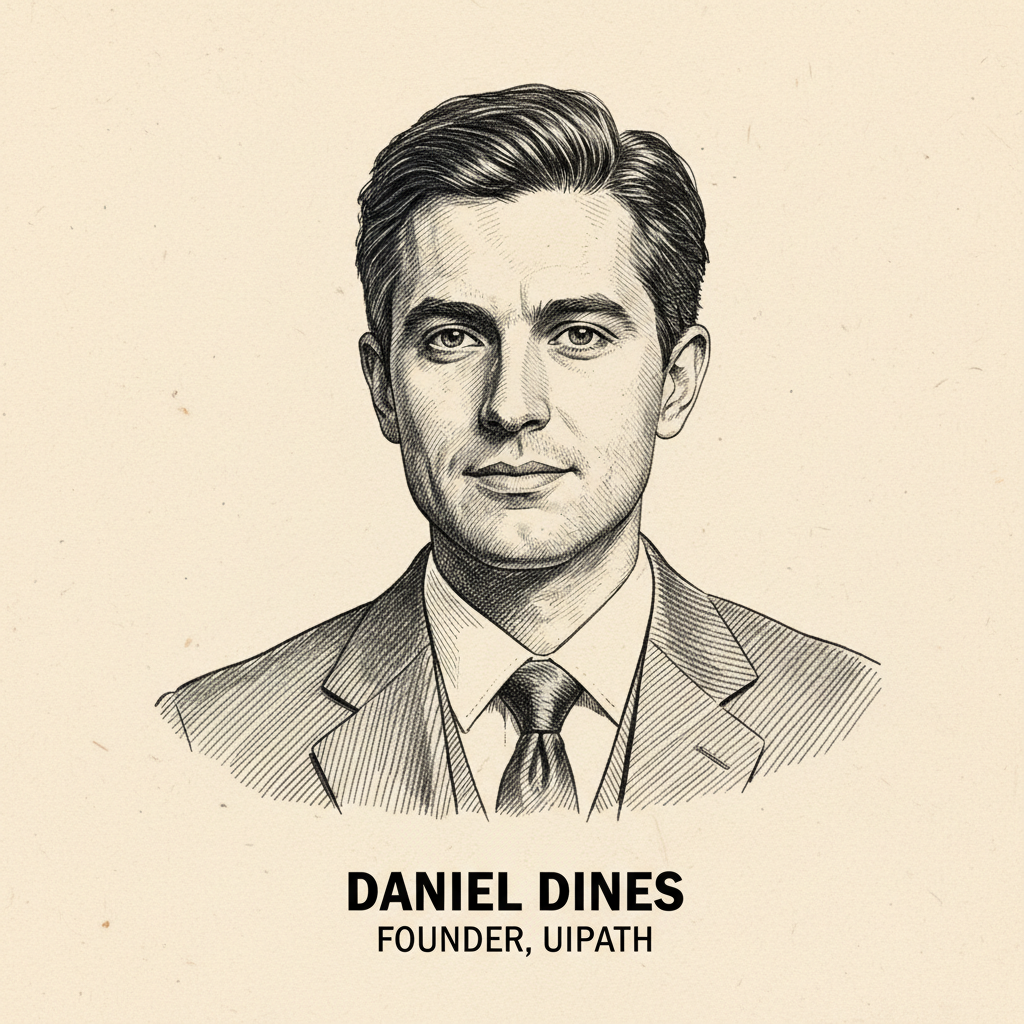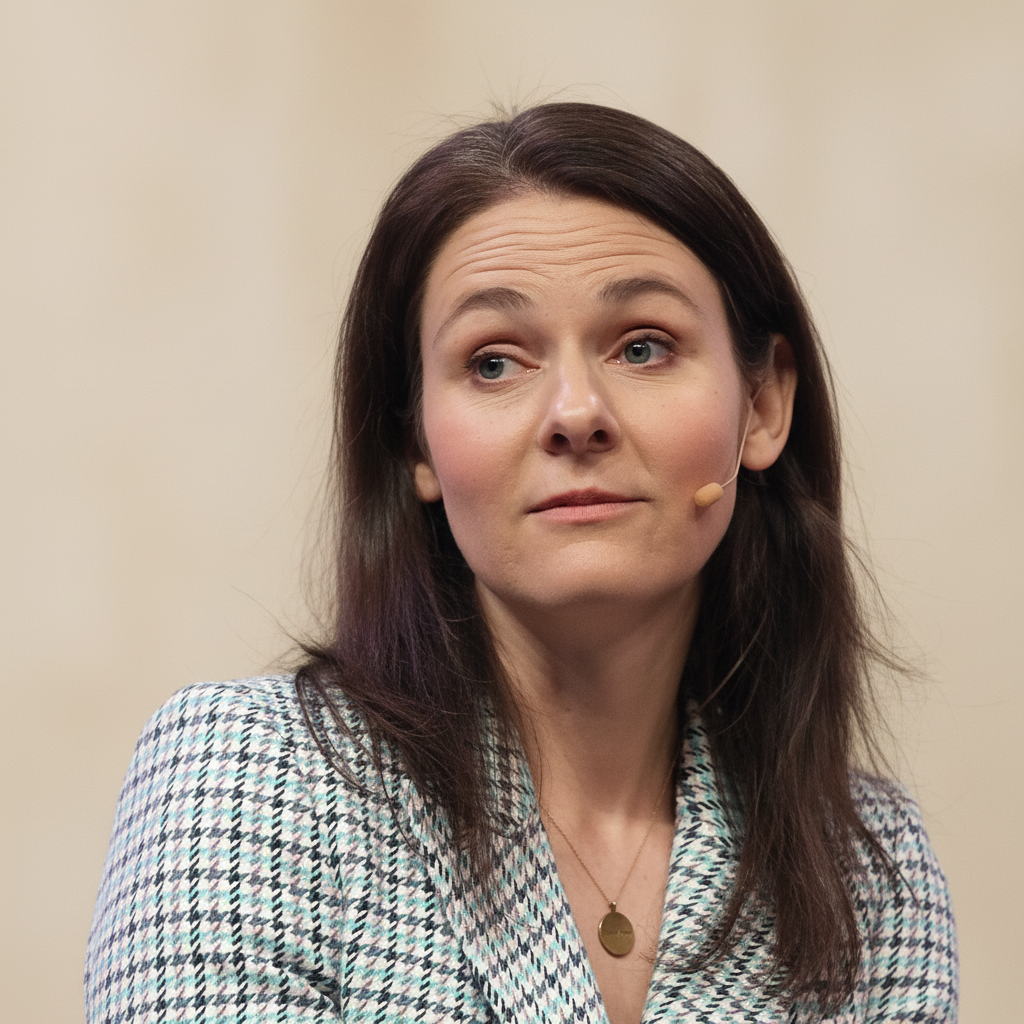
Mikkel Svane
Mikkel Svane: From Danish startup to global SaaS leader, co-founding Zendesk and scaling it to a multi-billion dollar enterprise.
Mikkel Svane is the co-founder and former CEO of Zendesk, a global leader in customer service software. He led the company from its inception in Copenhagen in 2007 to its IPO on the New York Stock Exchange in 2014 and beyond, through significant growth and market expansion, until stepping down as CEO in 2022. Svane is also the author of 'Startupland: How Three Guys Grew an Earring-Money Idea into a $1 Billion Business,' detailing Zendesk's journey.
Biography
Accomplishments
- 01Co-founded Zendesk in 2007, pioneering cloud-based customer service software.
- 02Led Zendesk from a bootstrapped startup to a successful IPO on the NYSE in 2014, achieving a valuation exceeding $1 billion.
- 03Grew Zendesk into a global enterprise, serving over 160,000 customers in 160 countries with operations across multiple continents.
- 04Oversaw the expansion of Zendesk's product portfolio beyond ticketing to include a comprehensive customer experience suite, encompassing chat, voice, knowledge bases, and sales CRM.
- 05Authored 'Startupland: How Three Guys Grew an Earring-Money Idea into a $1 Billion Business,' providing a candid account of startup challenges and growth.
- 06Successfully relocated Zendesk's operations from Copenhagen to San Francisco, demonstrating strategic adaptability for market access and talent acquisition.
Lessons for Operators
Key Takeaways
Practical lessons distilled for operators, investors, C-levels, and capital allocators.
Global Ambition Requires Global Action
Svane's decision to move Zendesk from Copenhagen to San Francisco, despite the personal and logistical challenges, was pivotal. Access to venture capital, experienced talent, and a mature tech ecosystem is often critical for global scale. Businesses must be willing to uproot if their current environment cannot fully support their growth ambitions.
Culture as a Competitive Advantage
Zendesk's unique, often 'un-corporate' culture, characterized by transparency and a human-centric approach, was deliberately cultivated by Svane. This culture helped differentiate Zendesk in a competitive tech landscape, attracting and retaining top talent and fostering innovation. Leaders should actively define and protect their organizational culture as a strategic asset.
Customer-Centricity Beyond Product
While Zendesk's product was customer-focused, Svane also instilled a customer-centric ethos throughout the company's operations. This included prioritizing ease of use, responsive support, and understanding customer pain points to drive product development. True customer-centricity must permeate all aspects of a business, not just its offerings.
Iterative Product Evolution is Key
Zendesk did not launch as a fully formed CX suite. It started with a core ticketing system and iteratively added features like chat, voice, and sales CRM based on market feedback and strategic foresight. Companies should embrace an agile approach to product development, constantly evolving their offerings to meet changing customer needs and competitive pressures.
The Power of a Clear Narrative
Svane consistently articulated Zendesk's mission to 'make customer service beautiful,' simplifying a complex business function. This clear and compelling narrative resonated with early adopters, investors, and employees. Leaders must develop and consistently communicate a concise and inspiring vision for their enterprise.
Bootstrapping Provides Foundational Discipline
Zendesk's initial bootstrapping phase forced extreme resourcefulness and a deep understanding of customer value. While external funding became necessary for scale, the early discipline fostered a lean and efficient mindset that persisted. Entrepreneurs should consider bootstrapping to validate their core idea and build a sustainable business model before seeking significant external capital.
Frameworks & Principles
Named frameworks and strategic principles they popularized or embodied.
The 'Move Fast and Break Things' Principle (Adapted)
While often attributed to Meta, Svane exemplified this with the strategic, high-stakes decision to relocate Zendesk to San Francisco. It emphasizes making swift, impactful choices necessary for growth, even if disruptive, to gain a competitive edge or access critical resources.
When to useWhen facing a bottleneck in talent, capital access, or market reach that your current location or operational model cannot resolve. Requires thorough strategic analysis despite the speed of execution.
Freemium Model for SaaS Adoption
Zendesk successfully utilized a freemium model to attract a broad user base. This strategy offers a basic version of the service for free, converting a percentage of users to paid tiers as their needs or usage grows. It lowers adoption barriers and provides product-led growth.
When to useFor SaaS products where the cost of serving free users is low, the product's value becomes clear with usage, and there's a strong upgrade path to premium features for growing businesses. Effective for expanding market share.
Relocation for Ecosystem Leverage
Svane's decision to move Zendesk from Copenhagen to San Francisco exemplifies relocating a business to leverage a superior ecosystem for talent, capital, mentorship, and market visibility. This is a significant strategic move to accelerate growth beyond local constraints.
When to useWhen a startup or scale-up reaches a point where its local ecosystem cannot provide the necessary resources (e.g., specific talent, venture capital access, industry-specific mentorship) to achieve its next stage of growth. Requires careful cost-benefit analysis and execution planning.
Recent Appearances
Latest interviews, keynotes, and press from the past half year.
 youtube.com
 youtube.com
 youtube.com
 youtube.com
 youtube.com
Sources & Further Reading
Profiles, interviews, podcasts, and articles used to compile and verify this entry. Each link opens at the original publisher.
Explore Related Titans
Other figures in the archive who share Mikkel Svane's domain, geography, or era.
More in Technology










From Denmark

Contemporaries — born 1970s