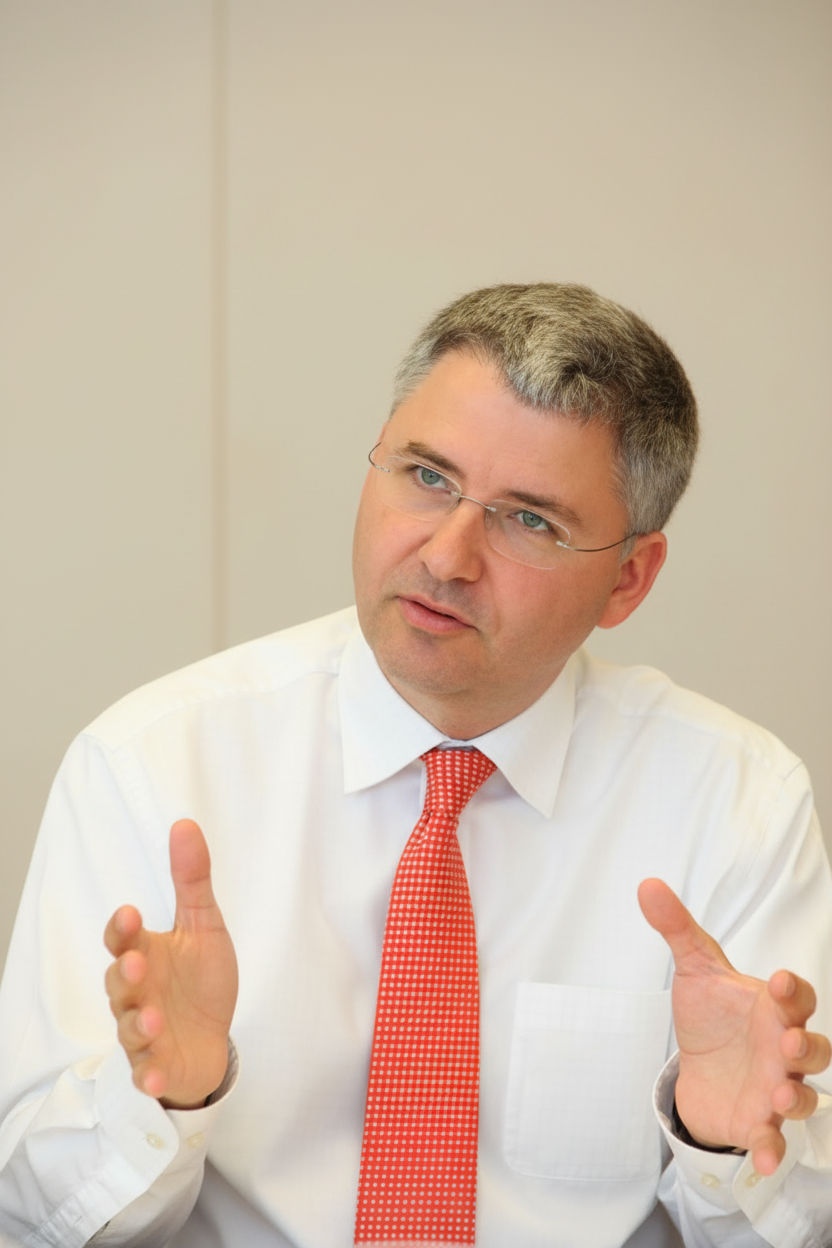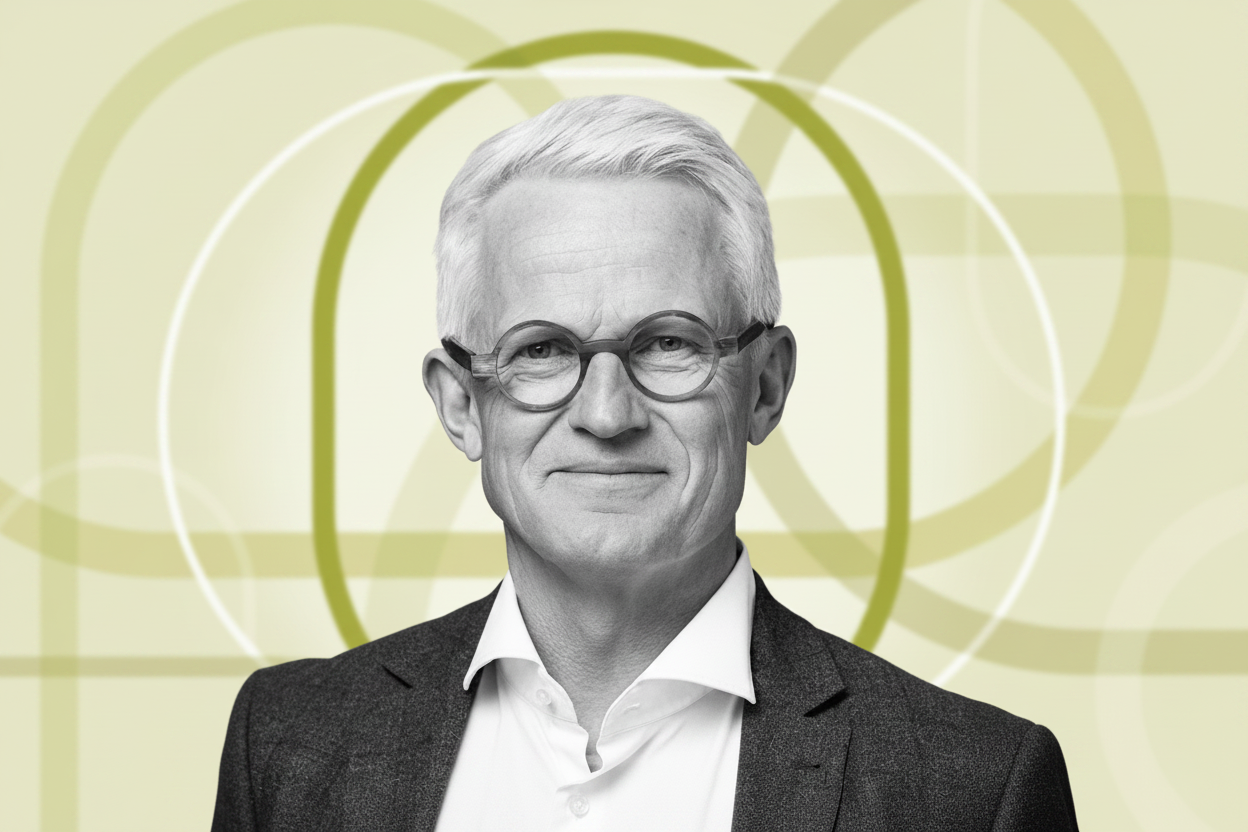
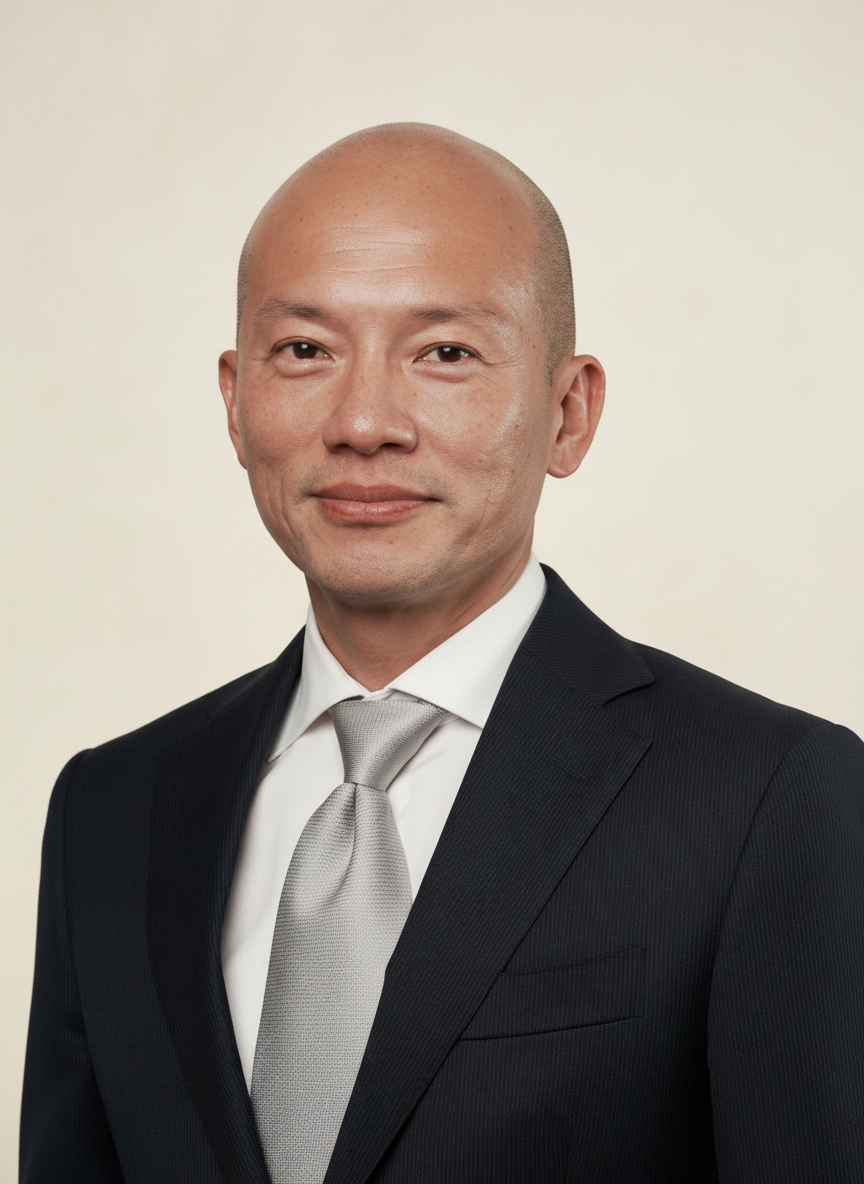
Mads Nipper
Architect of the green transition through strategic divestment and aggressive renewable energy expansion at Ørsted.
Mads Nipper is the CEO of Ørsted, a leading renewable energy company. Appointed in January 2021, he is recognized for his leadership in accelerating the company's green transformation, building upon its pivot from a fossil fuel-intensive utility to a global renewable energy developer.
Biography
Accomplishments
- 01Accelerated Ørsted's renewable energy build-out targets, including significant expansion in offshore wind capacity globally, underpinning its strategic ambition for 50 GW by 2030 (as outlined in its 2021 Capital Markets Day).
- 02Successfully navigated Ørsted through significant supply chain disruptions, inflationary pressures, and project cost increases experienced in the global offshore wind sector from 2021-2023, maintaining investor confidence despite market volatility.
- 03Oversaw major project developments and final investment decisions for large-scale offshore wind farms, such as Hornsea 3 (UK) and the expansion of the US pipeline including Revolution Wind, South Fork Wind, and Sunrise Wind (though certain US projects faced re-evaluation due to economic conditions).
- 04Enhanced Ørsted's position in nascent green technologies, notably through investments and pilot projects in Power-to-X (green hydrogen and e-fuels), exemplified by partnerships like 'Green Fuels for Denmark' aiming to produce sustainable fuels for shipping and aviation.
- 05Maintained Ørsted's strong ESG performance and leadership in sustainability, consistently ranking highly in global sustainability indices and securing green financing for large portions of its capital expenditure.
- 06Articulated and pursued a coherent strategy for global renewable energy diversification, expanding geographical footprint beyond core European markets into North America and Asia-Pacific (e.g., Taiwan, Vietnam, Japan), reducing dependence on single market conditions.
Lessons for Operators
Key Takeaways
Practical lessons distilled for operators, investors, C-levels, and capital allocators.
Decarbonization as a Growth Engine
Ørsted under Nipper exemplifies how radical decarbonization can be a primary driver of sustained economic growth and market leadership, moving beyond an extractive fossil fuel model to a sustainable, innovative energy provider. Investors should seek companies whose core strategy is inextricably linked to global sustainability imperatives.
Pragmatic Project Management in Volatile Markets
Even in an industry with strong tailwinds like renewables, Nipper's tenure illustrates the necessity of pragmatic reassessments and, if necessary, impairments of projects when economic fundamentals change (e.g., inflation, interest rates). This protects long-term shareholder value over adherence to previous commitments at any cost. Capital allocators should scrutinize project economics and management's willingness to adapt.
The Power of Strategic Portfolio Diversification
Ørsted's strategic move into a broader renewable portfolio (onshore wind, solar, storage, P2X) and geographic expansion reduces its reliance on a single technology or market, enhancing resilience. Enterprise leaders should consider how diversification can insulate their core business from specific sectoral or regional shocks.
ESG Integration as a Competitive Advantage
Nipper consistently positions Ørsted's sustainability credentials as central to its business model, not peripheral. This full integration attracts capital, talent, and regulatory support, demonstrating that a deep commitment to ESG principles can be a significant competitive differentiator and value creator.
Leadership in Emerging Sectors Through Managed Risk
Ørsted's engagement in green hydrogen showcases a strategy of entering emerging high-potential sectors through pilot projects and strategic partnerships. This approach allows for learning and positioning without over-committing capital prematurely, offering a model for corporate venturing into new markets.
Frameworks & Principles
Named frameworks and strategic principles they popularized or embodied.
Greening the Core & Accelerating Growth
Nipper's strategy focuses on continuing to green Ørsted's energy production while simultaneously scaling its growth aggressively across diversified renewable technologies and geographies. This isn't just about reducing emissions, but about capturing market share in the rapidly expanding clean energy economy.
When to useApplicable for companies in transitioning industries looking to pivot from a legacy business model towards sustainable growth. Focus on maximizing current competitive advantages while investing heavily in the new, sustainable core business.
Pragmatic Capital Allocation in Transformation
This framework emphasizes rigorous evaluation of project economics and strategic flexibility, even for projects aligned with the core mission. Examples include Ørsted's willingness to re-evaluate or potentially write down projects in the US offshore wind market when economic parameters shifted unfavorably, prioritizing long-term value creation over rigid adherence to initial plans.
When to useEssential for C-levels and capital allocators in capital-intensive industries undergoing significant transformation or facing high market volatility. It stresses the importance of dynamic capital allocation and readiness to adjust investment plans based on real-time market conditions.
Holistic Stakeholder Capitalism for Energy Transition
Nipper's leadership demonstrates a commitment to balancing shareholder returns with broader societal benefits, recognizing that collaboration with governments, communities, and other industries (e.g., shipping for green fuels) is critical for large-scale energy infrastructure deployment. This goes beyond mere corporate social responsibility.
When to useRelevant for enterprise leaders in industries with significant societal impact (e.g., energy, infrastructure, technology). This framework guides decision-making to consider and address the needs and concerns of all stakeholders, building long-term social license and support for strategic initiatives.
Explore Related Titans
Other figures in the archive who share Mads Nipper's domain, geography, or era.
More in Energy & Resources





From Denmark


Contemporaries — born 1960s