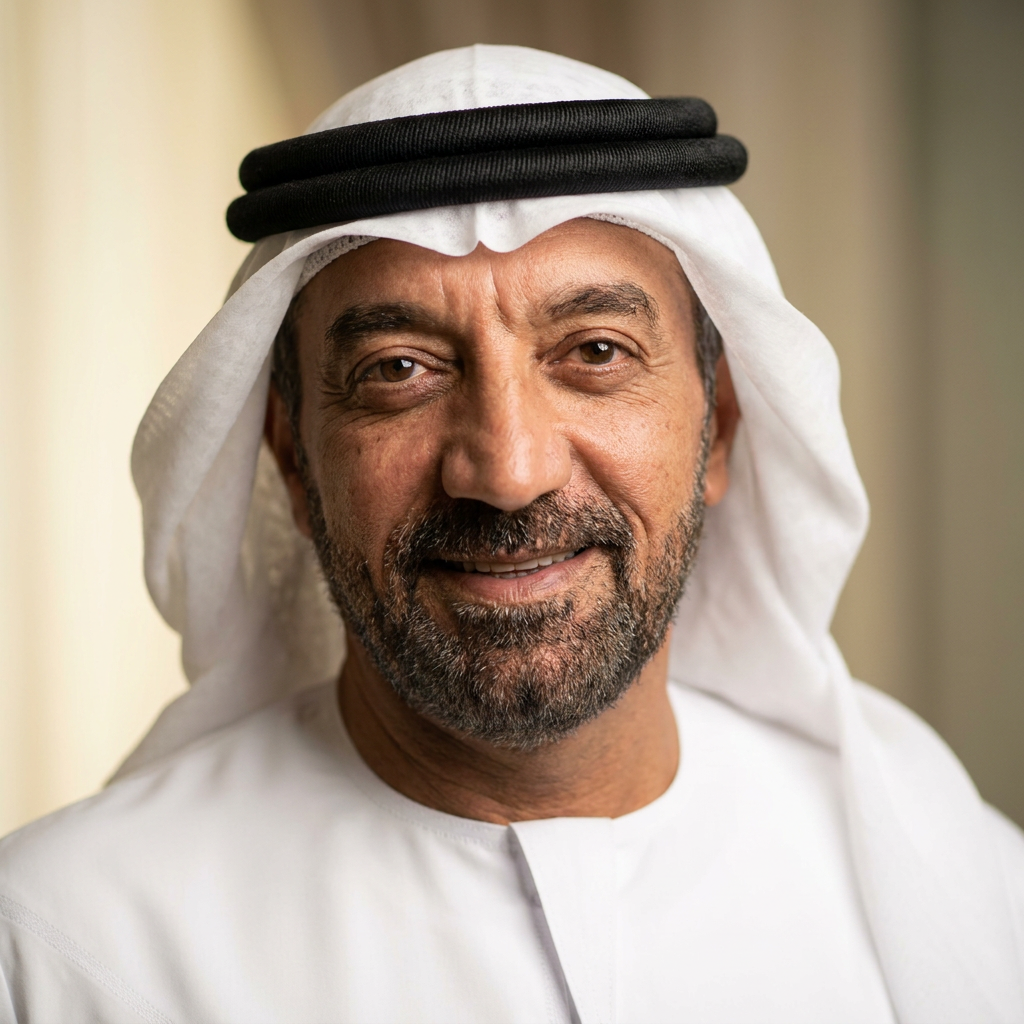
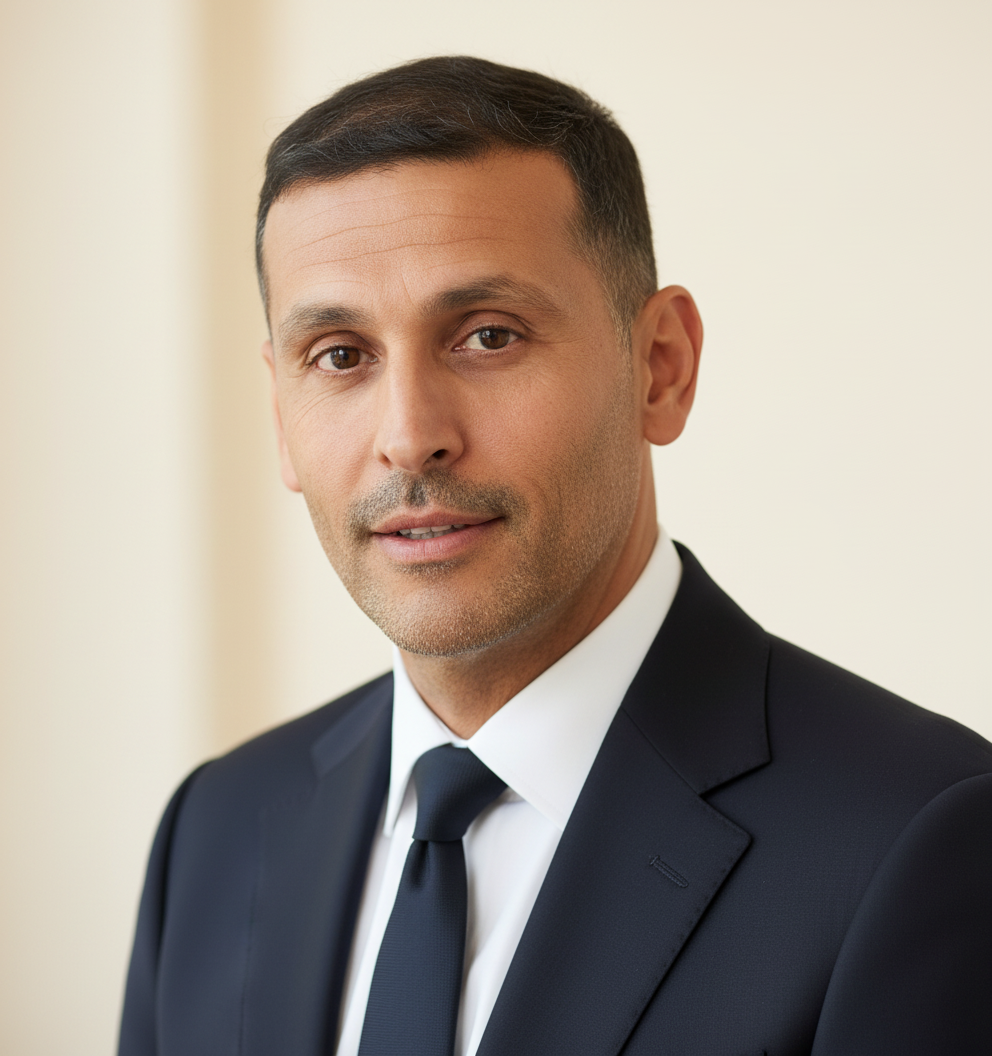
Ahmed bin Saeed Al Maktoum
The architect of Dubai's aviation and tourism transformation, leading Emirates Group and shaping the emirate's global economic diversification.
Sheikh Ahmed bin Saeed Al Maktoum is a key member of Dubai's ruling family and a central figure in the emirate's economic development. Appointed President of the Dubai Civil Aviation Authority in 1985 and Chairman of Emirates Airline, he has overseen the extraordinary growth of Dubai's aviation sector and its diversification into tourism and finance. His leadership has been instrumental in positioning Dubai as a global hub for business and leisure.
Biography
Accomplishments
- 01Transformed Emirates Airline from a nascent startup in 1985 with two leased aircraft into a global aviation powerhouse, operating over 260 aircraft to more than 150 destinations across six continents.
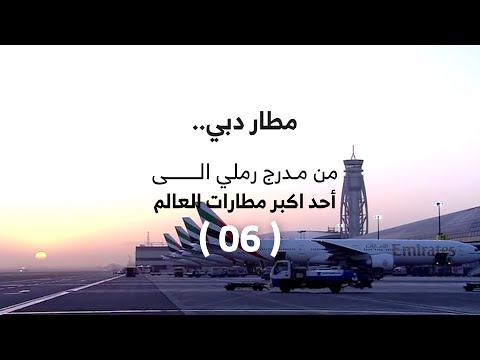
- 02Spearheaded the development of Dubai International Airport (DXB) into the world's busiest airport for international passengers, significantly enhancing Dubai's global connectivity and economic influence.
- 03Orchestrated Dubai's economic diversification strategy, reducing reliance on oil revenues by developing robust aviation, tourism, and financial sectors.
- 04Chaired Emirates NBD, guiding its growth to become one of the largest and most influential banking groups in the Middle East.
- 05Successfully led Dubai's aviation and tourism sectors through significant global crises, including the 2008 financial crisis and the COVID-19 pandemic, maintaining operational stability and strategic investment.
- 06Oversaw the strategic expansion of Dubai Airports, including the development of Dubai World Central (DWC) Al Maktoum International Airport, planned to be the world's largest airport.
- 07Established and grew Dnata, Emirates Group's air services provider, into one of the world's largest ground handling and travel services companies, operating in over 30 countries.
Lessons for Operators
Key Takeaways
Practical lessons distilled for operators, investors, C-levels, and capital allocators.
Visionary Leadership in Economic Transformation
Sheikh Ahmed's tenure demonstrates how focused, long-term leadership can fundamentally reshape a nation's economy. His vision extended beyond simple operational management, aiming to establish Dubai as a global crossroads.
The Power of Aggressive Growth and Investment
Emirates' growth trajectory illustrates the impact of aggressive investment in state-of-the-art assets and a clear, ambitious market penetration strategy. This included large aircraft orders and rapid route expansion.
Building a Global Brand from Scratch
His leadership cultivated the Emirates brand into a symbol of luxury, reliability, and global connectivity, showcasing how a government-backed entity can achieve commercial success and international recognition through consistent brand messaging and service delivery.
Strategic Importance of Infrastructure for Economic Development
The parallel development of Emirates Airline and Dubai International Airport underscores the critical link between world-class infrastructure and economic growth. Investments in air capacity and airport facilities directly translated into increased trade, tourism, and foreign direct investment.
Resilience through Diversification and Strategic Reserves
Dubai's ability to withstand global economic shocks is partly attributable to the diversification championed by Sheikh Ahmed and others, reducing dependency on single revenue streams and fostering a more stable financial ecosystem.
Public-Private Synergy in Nation Building
His roles across government entities (DCAA, Dubai Airports) and commercial enterprises (Emirates Group, Emirates NBD) highlight the effective synergy between public policy and private sector execution in achieving national economic objectives.
Frameworks & Principles
Named frameworks and strategic principles they popularized or embodied.
Hub-and-Spoke Model (Aviation)
A strategic model where an airline operates flights from many smaller airports (spokes) into a central airport (hub), where passengers transfer to other flights to their final destinations. This maximizes connectivity and aircraft utilization.
When to useApplicable for airlines aiming to maximize network reach and passenger traffic through a central geographic location. Requires significant infrastructure investment at the hub airport and a diverse fleet.
Economic Diversification Strategy
A national or corporate strategy to broaden the base of economic activities and revenue sources to reduce reliance on a single sector or product, thereby enhancing resilience to market fluctuations.
When to useEssential for economies dependent on finite resources (e.g., oil) or single industries. Corporations can apply this by entering new markets, developing new product lines, or acquiring diverse businesses.
Premium Branding & Service Differentiation
A strategy focused on establishing a brand as a high-quality, high-value offering in the market through superior service, product features, and customer experience, allowing for premium pricing.
When to useEffective in competitive markets where consumers are willing to pay more for perceived value. Requires consistent investment in quality, training, and marketing to maintain brand perception.
Government-Led Strategic Investment
A model where government entities or sovereign wealth funds make substantial, long-term investments in critical infrastructure, key industries, or strategic assets to achieve national economic objectives and drive growth.
When to useSuitable for developing large-scale national projects or fostering new industries that require significant capital and long gestation periods, often beyond the scope or risk appetite of purely private ventures.
Recent Appearances
Latest interviews, keynotes, and press from the past half year.
 youtube.com
 youtube.com
 youtube.com
 youtube.com
 youtube.com
 youtube.com
 youtube.com
 youtube.com
 youtube.com
 youtube.com
 youtube.com
 youtube.com
 youtube.com
 youtube.com
 youtube.com
 youtube.com
 youtube.com
 youtube.com
 youtube.com
 youtube.com
 youtube.com
 youtube.com
 youtube.com
 youtube.com
 youtube.com
 youtube.com
 youtube.com
 youtube.com
 youtube.com
 youtube.com
 youtube.com
 youtube.com
 youtube.com
 youtube.com
 youtube.com
 youtube.com
 youtube.com
 youtube.com
 youtube.com
 youtube.com
 youtube.com
 youtube.com
 youtube.com
 youtube.comm.youtube.com
 youtube.com
 youtube.com
 youtube.com
 youtube.com
 youtube.com
 youtube.com
 youtube.com
 youtube.com
 youtube.com
 youtube.com
 youtube.com
 youtube.com
 youtube.com
 youtube.com
 youtube.com
 m.youtube.com
 youtube.com
 youtube.com
 youtube.com
 youtube.com
 youtube.com
 youtube.com
 youtube.com
 youtube.com
 youtube.com
 youtube.com
 youtube.com
 youtube.com
 youtube.com
 youtube.com
 youtube.com
 youtube.com
 youtube.com
 youtube.com
 youtube.com
 youtube.com
 youtube.com
 youtube.com
 youtube.com
 youtube.com
 youtube.com
 youtube.com
 youtube.com
 m.youtube.com
 youtube.com
 youtube.com
 youtube.com
 youtube.com
 youtube.com
 youtube.com
 youtube.com
 youtube.com
 youtube.com
 youtube.com
 youtube.com
 youtube.com
 youtube.com
 youtube.com
 youtube.com
 youtube.com
 youtube.com
 youtube.com
 youtube.com
 youtube.com
 youtube.com
 youtube.com
Sources & Further Reading
Profiles, interviews, podcasts, and articles used to compile and verify this entry. Each link opens at the original publisher.
Explore Related Titans
Other figures in the archive who share Ahmed bin Saeed Al Maktoum's domain, geography, or era.
More in Finance & Investing




From United Arab Emirates
Contemporaries — born 1950s