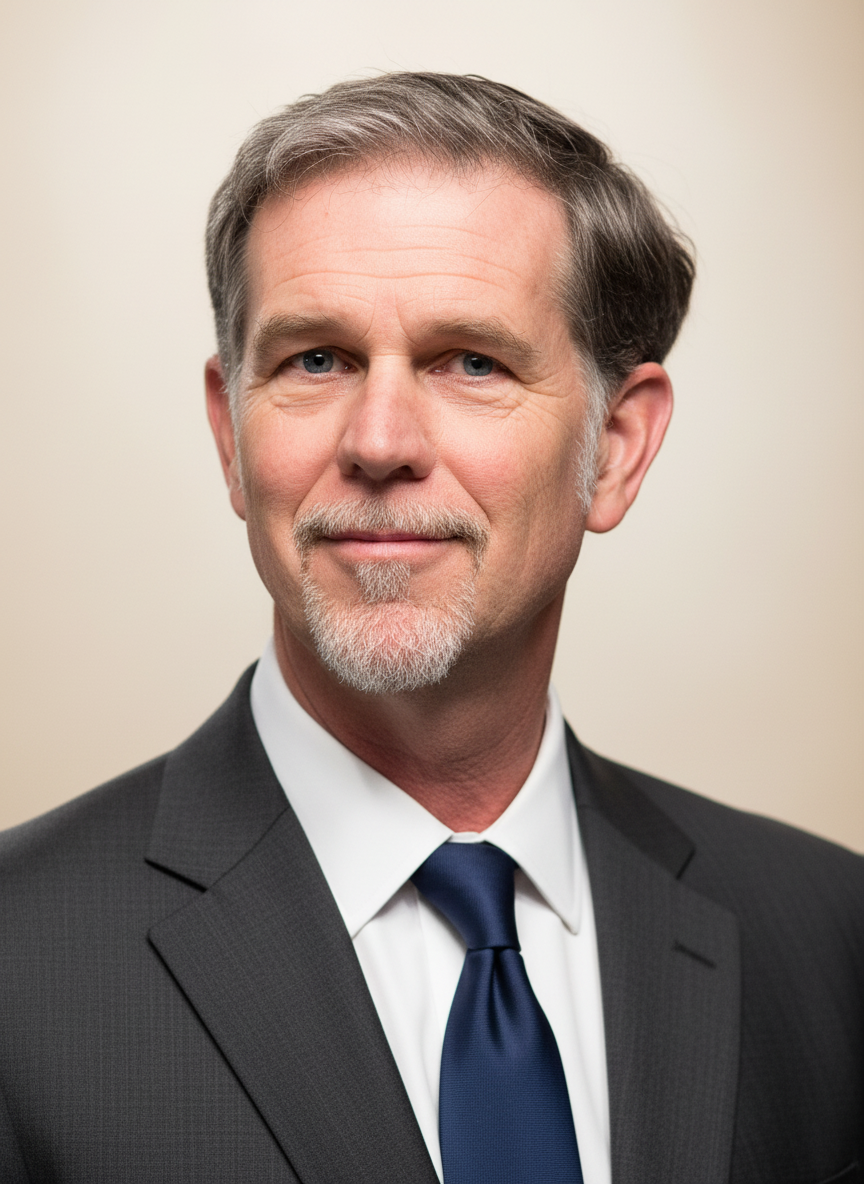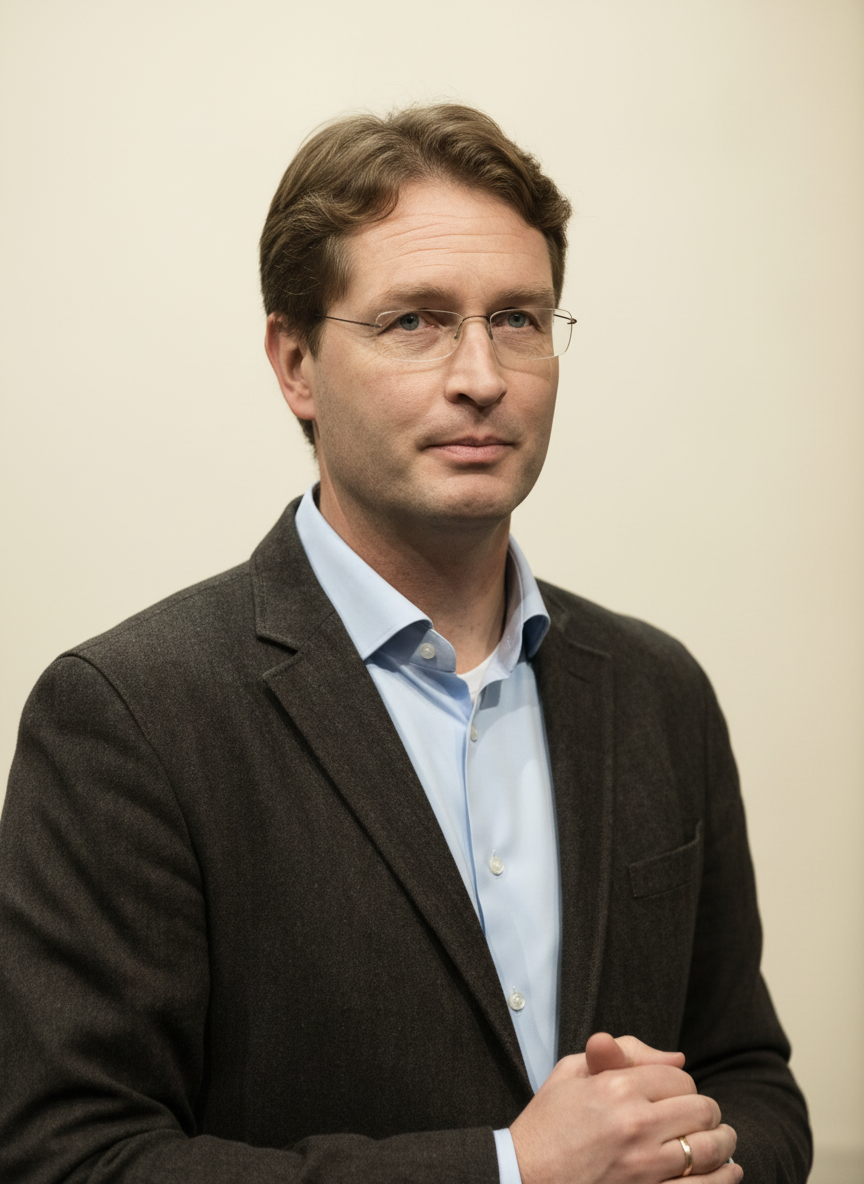
Ola Källenius
Architecting the Electric and Digital Transformation of Mercedes-Benz.
Ola Källenius is the Swedish business executive currently serving as the Chairman of the Board of Management of Mercedes-Benz Group AG. He assumed this role in May 2019, becoming the first non-German CEO in the company's history. Källenius has systematically overseen the brand's strategic shift towards electrification, digitalization, and luxury repositioning, steering the automotive giant through a period of profound industry disruption.
Biography
Accomplishments
- 01Spearheaded the 'Electric Only' strategy, committing Mercedes-Benz to transition to entirely electric vehicles where market conditions allow by 2030, a significant shift from its traditional combustion engine legacy. This involved substantial R&D investment and a revamped product portfolio, exemplified by the rapid expansion of the EQ brand (e.g., EQS, EQE, EQC).
- 02Orchestrated the demerger of Daimler Truck Holding AG from Mercedes-Benz AG in December 2021, creating two independent, publicly listed companies. This move aimed to unlock shareholder value by allowing both entities to pursue distinct strategic directions and attract specialized investor bases.
- 03Initiated the development of MB.OS (Mercedes-Benz Operating System), a proprietary software platform intended to integrate vehicle functions, infotainment, and autonomous driving capabilities, highlighting a strategic shift towards becoming a software-driven luxury car company (announced 2020, investment ramped up through 2023).
- 04Successfully repositioned Mercedes-Benz towards a 'Top-End Luxury' focus, emphasizing higher-margin vehicles and limited edition models, even at the expense of lower-volume entry segments. This strategy, articulated since 2022, aims to enhance brand desirability and profitability per unit.
- 05Navigated Mercedes-Benz through the global semiconductor shortage and COVID-19 pandemic, implementing resilient supply chain strategies and adjusting production to prioritize profitable models, maintaining strong financial performance despite external headwinds (2020-2022 financials).
- 06Launched a comprehensive sustainability agenda, targeting carbon neutrality across the entire value chain by 2039 ('Ambition 2039'), encompassing production processes, vehicle use, and the supply chain. This commitment deepens the brand's ESG initiatives.
Lessons for Operators
Key Takeaways
Practical lessons distilled for operators, investors, C-levels, and capital allocators.
Decisive Strategic Reorientation
Källenius demonstrated that in industries facing existential disruption, bold, clear, and non-incremental strategic shifts (e.g., 'Electric Only' by 2030) are paramount. This involves committing significant capital and organizational focus to a new direction, rather than hedging with gradual transitions. Action: Leaders must identify future industry paradigms and make decisive strategic pivots early, even if it means cannibalizing existing successful lines.
Value Creation Through De-Conglomeration
The spin-off of Daimler Truck revealed that separating distinct business units can unlock shareholder value by enabling each entity to pursue tailored strategies and attract appropriate investor bases. This allows for optimal capital allocation and clearer performance metrics for specialized operations. Action: Evaluate diversified portfolios for opportunities to unlock value by divesting or spinning off non-core or strategically distinct business units.
Software as a Core Competency
Recognizing the future of automotive lies in software-defined vehicles, his push for MB.OS signifies the critical need for traditional hardware manufacturers to acquire and own deep software expertise. This isn't merely about integrating third-party solutions, but building proprietary platforms to control the digital user experience and unlock new revenue streams. Action: Companies in hardware-centric industries must invest significantly in building internal software development capabilities and owning their core digital platforms.
Luxury Repositioning for Profitability
The strategy to prioritize 'Top-End Luxury' segments over volume demonstrates a clear focus on profitability per unit. In competitive markets with compressed margins, concentrating on higher-value offerings can yield better financial returns, even if it means reducing overall unit sales. Action: Analyze your product/service portfolio's profitability by segment and consider divesting lower-margin offerings to focus resources on categories that deliver superior returns and enhance brand prestige.
Integrated Sustainability Mandate
Ambition 2039 showcases that sustainability can and should be integrated across the entire value chain, from raw materials to recycling. This comprehensive approach, beyond mere compliance, can differentiate a brand and build long-term resilience against regulatory and consumer shifts. Action: Develop and commit to a holistic sustainability strategy that spans operations, supply chain, product design, and end-of-life, beyond basic reporting.
Frameworks & Principles
Named frameworks and strategic principles they popularized or embodied.
The 'Ambition 2039' Strategy
A comprehensive strategic framework outlining Mercedes-Benz's path to carbon-neutrality across its entire value chain, from development and supplier network to production, vehicle use, and recycling by 2039. It's a long-term, holistic sustainability commitment.
When to useApplicable for organizations seeking to integrate sustainability deeply into their core business strategy, set ambitious long-term environmental targets, and commit to transforming their entire value chain to meet ESG objectives, rather than just compliance.
De-Conglomeration for Focused Value Creation
This framework involves strategically separating distinct business units (e.g., commercial vehicles from passenger cars) into independent entities to unlock greater focus, specialized capital allocation, and potentially higher valuations for each. It's predicated on the idea that distinct businesses thrive under dedicated management and investor bases.
When to useRelevant for diversified corporations with multiple, potentially disparate, business segments. Use when assessing if portfolio simplification or unbundling could create more shareholder value, improve operational efficiency, or enable clearer strategic narratives for different business lines.
Software-Defined Vehicle (SDV) Transformation
This framework shifts the strategic focus of an automotive company from primarily hardware engineering to developing and owning a proprietary software operating system (e.g., MB.OS). It's about generating new revenue streams through over-the-air updates, subscription services, and controlling the digital customer experience.
When to useApplicable to any industry where hardware traditionally dominates but software is becoming central to product functionality, user experience, and competitive differentiation. Helps guide investment in software development, data analytics, and digital ecosystem building.
Top-End Luxury Repositioning (Value over Volume)
A strategic pivot where a brand consciously shifts its focus towards higher-margin, premium, or luxury segments, even if it means reducing overall sales volume in lower-tier markets. The goal is to enhance brand prestige, improve profitability per unit, and optimize resource allocation.
When to useUseful for brands in mature or commoditized industries facing margin pressures. Employ when seeking to re-establish premium positioning, increase average transaction prices, and improve overall financial performance by focusing on high-value customer segments.
Sources & Further Reading
Profiles, interviews, podcasts, and articles used to compile and verify this entry. Each link opens at the original publisher.
Explore Related Titans
Other figures in the archive who share Ola Källenius's domain, geography, or era.
More in Transportation & Logistics





From Sweden


Contemporaries — born 1960s