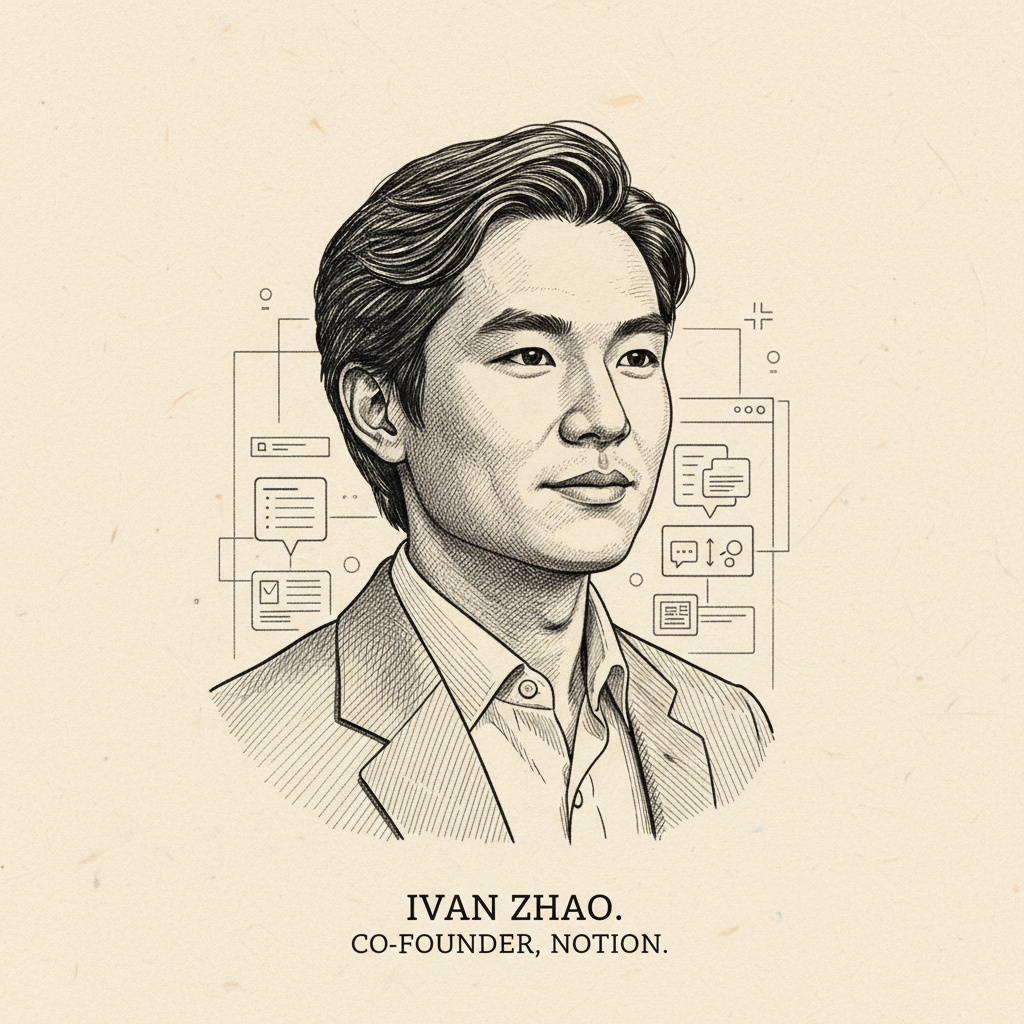
Daniel Ek
Architect of the modern music streaming landscape, Daniel Ek transformed digital music consumption through Spotify's freemium model and relentless innovation.
Daniel Ek is a Swedish billionaire entrepreneur, technologist, and the co-founder and CEO of Spotify, the world's largest audio streaming subscription service. After an early career in advertising technology, Ek co-founded Spotify in 2006 with Martin Lorentzon, aiming to combat digital piracy by offering a legal, convenient, and affordable music streaming alternative. Under his leadership, Spotify pioneered the freemium business model for digital content and navigated complex licensing negotiations with major record labels, growing into a global enterprise with hundreds of millions of users and a significant impact on the music industry.
Biography
Accomplishments
- 01Co-founded Spotify in 2006, transforming the music industry and becoming the world's largest audio streaming service.
- 02Pioneered the 'freemium' business model for digital content, demonstrating its viability for massive user acquisition and subscription conversion.
- 03Successfully negotiated complex licensing agreements with major record labels, securing access to vast music catalogs previously inaccessible to legitimate digital platforms.
- 04Led Spotify through a direct listing on the NYSE in 2018, an unconventional IPO strategy that minimized dilution and highlighted market confidence.
- 05Expanded Spotify's offerings beyond music into podcasts and audiobooks, establishing it as a dominant player in the broader audio entertainment market.
- 06Grew Spotify into a global company with operations in over 180 markets and hundreds of millions of active users and subscribers.
Lessons for Operators
Key Takeaways
Practical lessons distilled for operators, investors, C-levels, and capital allocators.
Problem-First Innovation
Identify a critical market problem (e.g., piracy, inefficient distribution) and design a comprehensive solution rather than just building a feature. Spotify's success stemmed from offering a legal, convenient, and competitively priced alternative to illegal downloads, fundamentally changing user behavior.
Strategic Patience and Capital Allocation
Building a transformative platform often requires sustained investment over many years before profitability. Ek and Lorentzon demonstrated long-term capital allocation, accepting initial losses to build market share and establish network effects, a common strategy in platform plays.
Ecosystem Orchestration
Success in complex industries often hinges on orchestrating relationships with diverse stakeholders. Spotify's navigation of record labels, artists, and advertisers underscores the importance of aligning varied interests to create a viable and growing ecosystem.
Defensible Business Model Evolution
A successful business model is not static. Spotify continuously evolved its freemium model, expanded into new audio verticals (podcasts, audiobooks), and adapted its monetization strategies to maintain growth and competitive advantage against well-capitalized rivals.
Talent & Culture
Ek emphasized building a strong engineering and product culture early on, attracting top talent crucial for developing and scaling a complex global service. This focus on internal capabilities was as critical as external partnerships.
Global Ambition from Day One
While launching initially in Sweden, Spotify's operational design and licensing strategy always had global expansion in mind. This foresight enabled rapid scale-up once market access was secured, demonstrating the value of a global-first mindset for digital ventures.
Frameworks & Principles
Named frameworks and strategic principles they popularized or embodied.
Freemium Model for Digital Content
Offer a basic version of a product or service for free, while charging for premium features, enhanced functionality, or an ad-free experience. This model allows for massive user acquisition and viral growth while converting a segment of users into paying subscribers.
When to useApplicable for digital products (SaaS, media, apps) where marginal cost of additional users is low, and value can be tiered. Ideal for industries requiring critical mass for network effects or user-generated content.
Ecosystem/Platform Strategy
Focus on building a multi-sided platform that connects different groups of users (e.g., artists and listeners, advertisers and users) and extracts value from the interactions between them. Requires careful balancing of incentives and value proposition for each participant.
When to useSuitable for businesses aiming to become central hubs in an industry, often involving complex stakeholder relationships (e.g., marketplaces, app stores, social networks). Requires significant negotiation and partnership building.
Long-term Value Creation (vs. Short-term Profit)
Prioritize market share, user growth, and technological superiority over immediate profitability, especially in nascent or rapidly evolving markets. Involves reinvesting profits (or operating at a loss) for extended periods to build a durable competitive advantage.
When to useAppropriate for disruptive innovations where network effects or economies of scale are critical, or when competing against incumbents with deep pockets. Requires patient capital and conviction in the eventual market size.
Direct Listing as an Exit/Fundraising Strategy
Instead of a traditional IPO, a direct listing involves existing shares being sold directly to the public without new shares being issued. This avoids dilution, underwriter fees, and lock-up periods, but typically raises no new capital for the company.
When to useBest for well-capitalized, established companies with strong brand recognition and existing liquidity for employee shares, where the primary goal is public market access and liquidity for existing shareholders, not raising primary capital.
Recent Appearances
Latest interviews, keynotes, and press from the past half year.
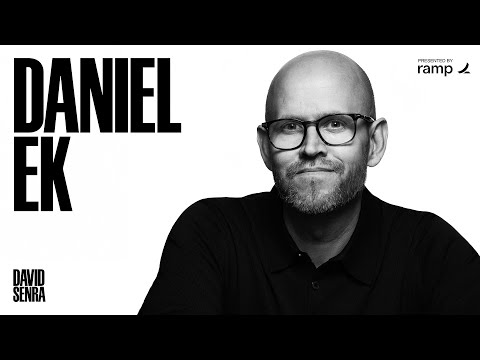 youtube.com
 youtube.com
 youtube.com
 youtube.com
 youtube.com
 youtube.com
 youtube.com
 youtube.com
 youtube.com
 youtube.com
 youtube.com
 youtube.com
 youtube.com
 youtube.com
 youtube.com
 youtube.com
 youtube.com
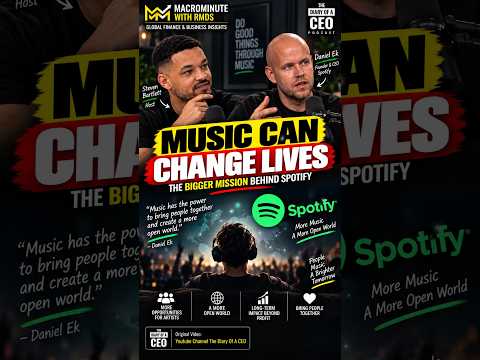 youtube.com
 youtube.com
 youtube.com
 youtube.com
 youtube.com
 youtube.com
 youtube.com
 youtube.com
 youtube.com
 youtube.com
 youtube.com
 m.youtube.com
 youtube.com
Sources & Further Reading
Profiles, interviews, podcasts, and articles used to compile and verify this entry. Each link opens at the original publisher.
Explore Related Titans
Other figures in the archive who share Daniel Ek's domain, geography, or era.
More in Technology






From Sweden






Contemporaries — born 1980s