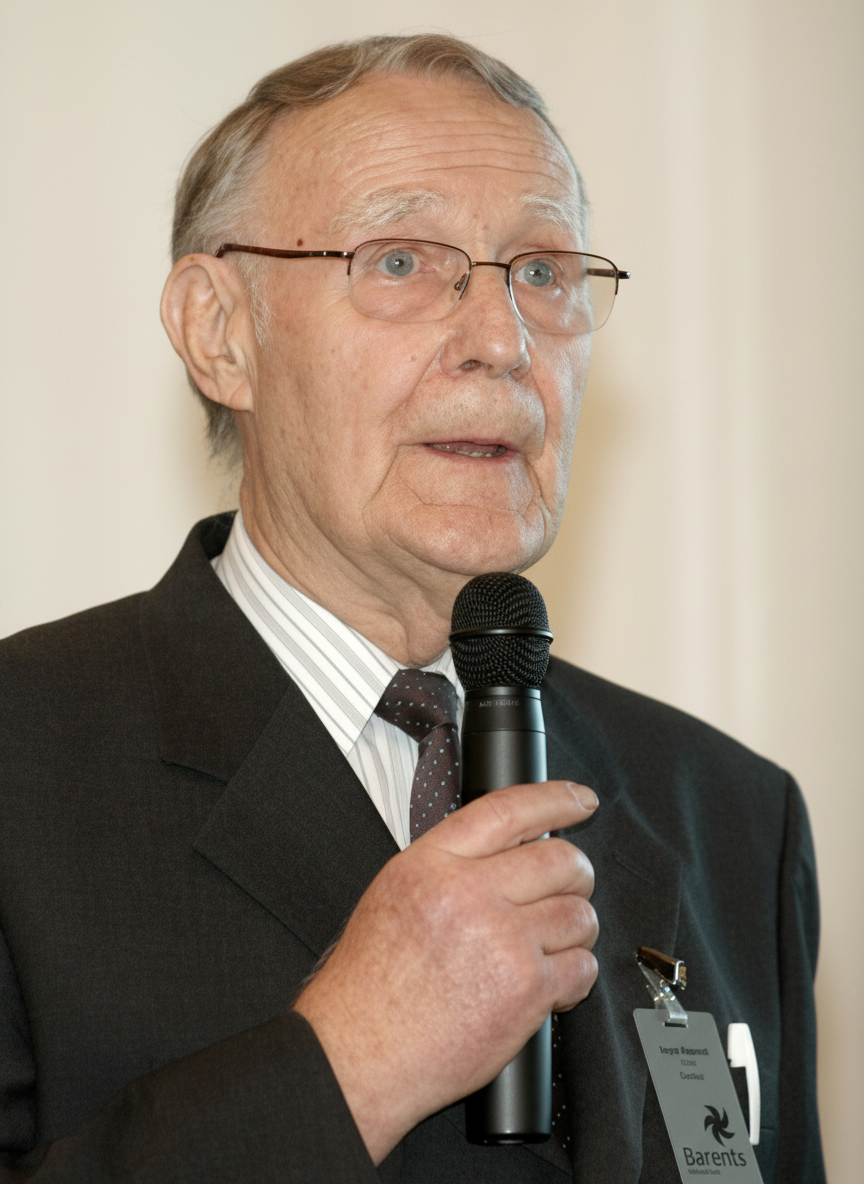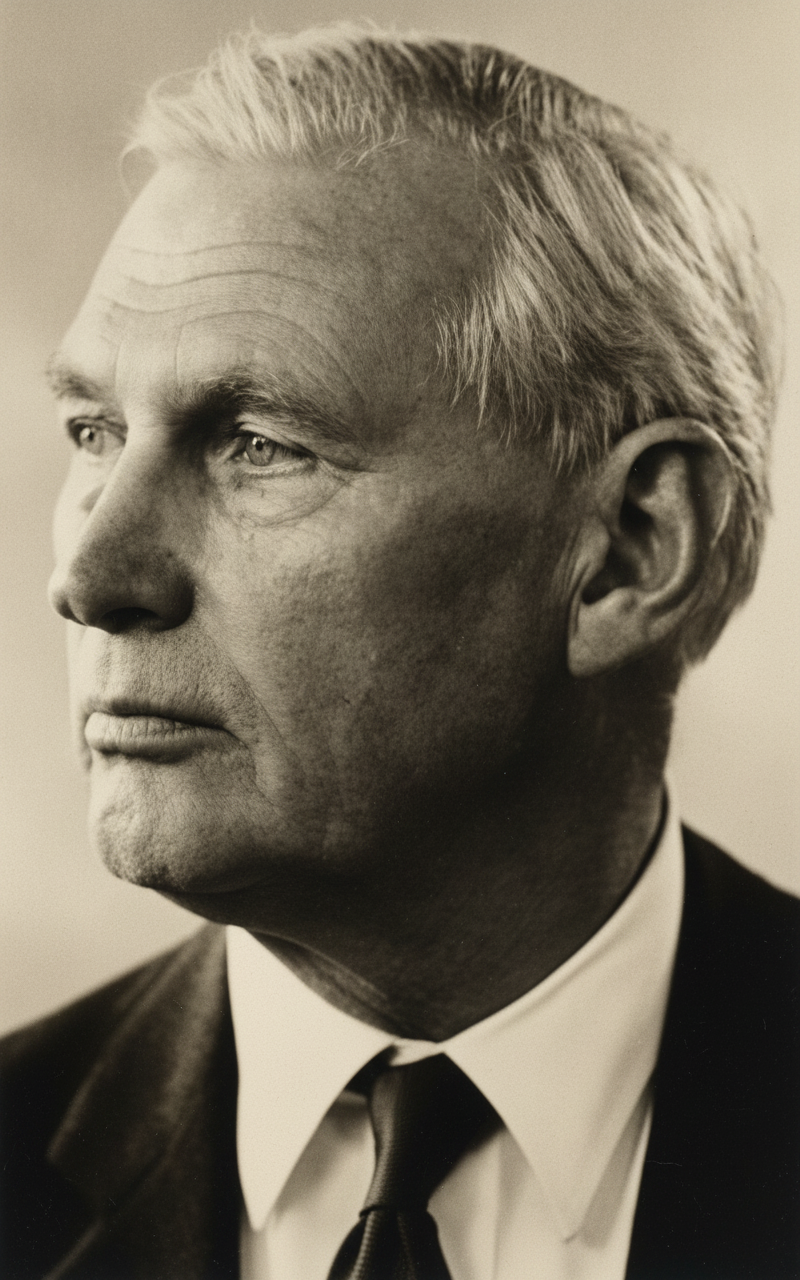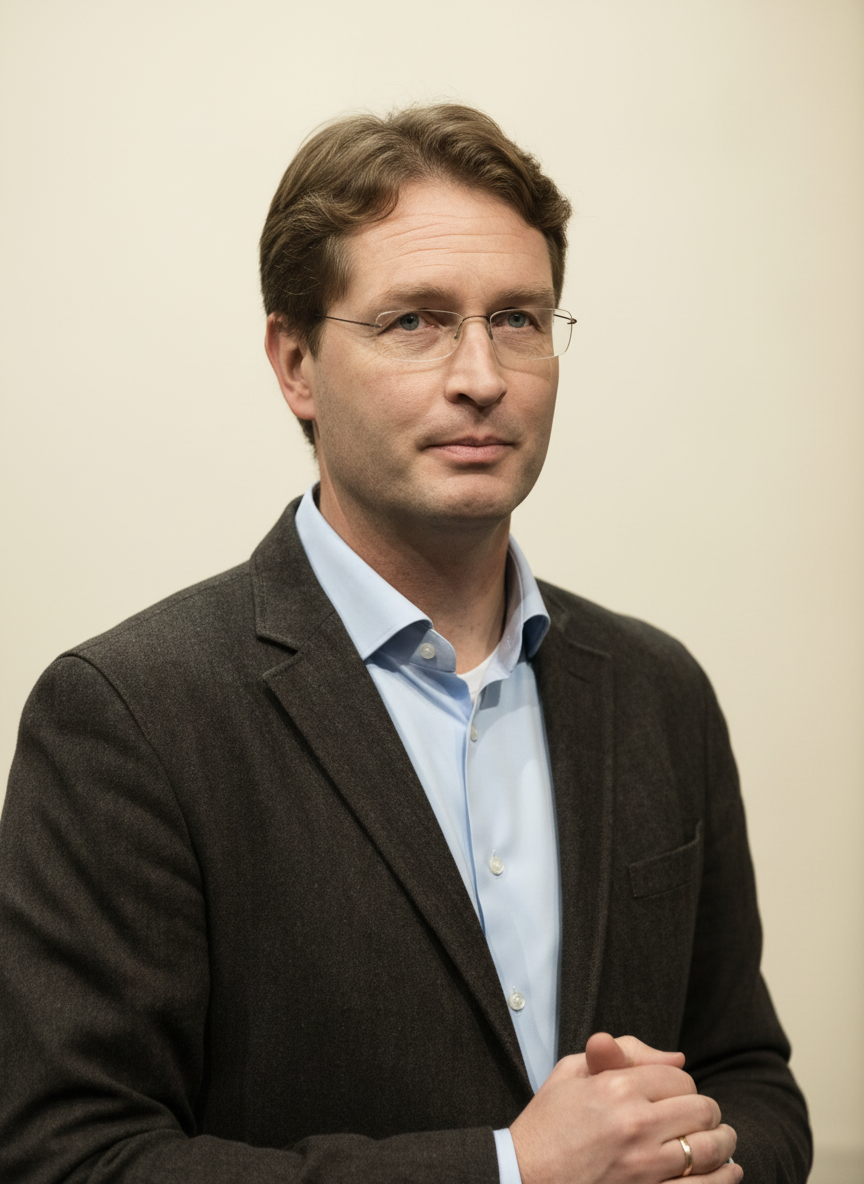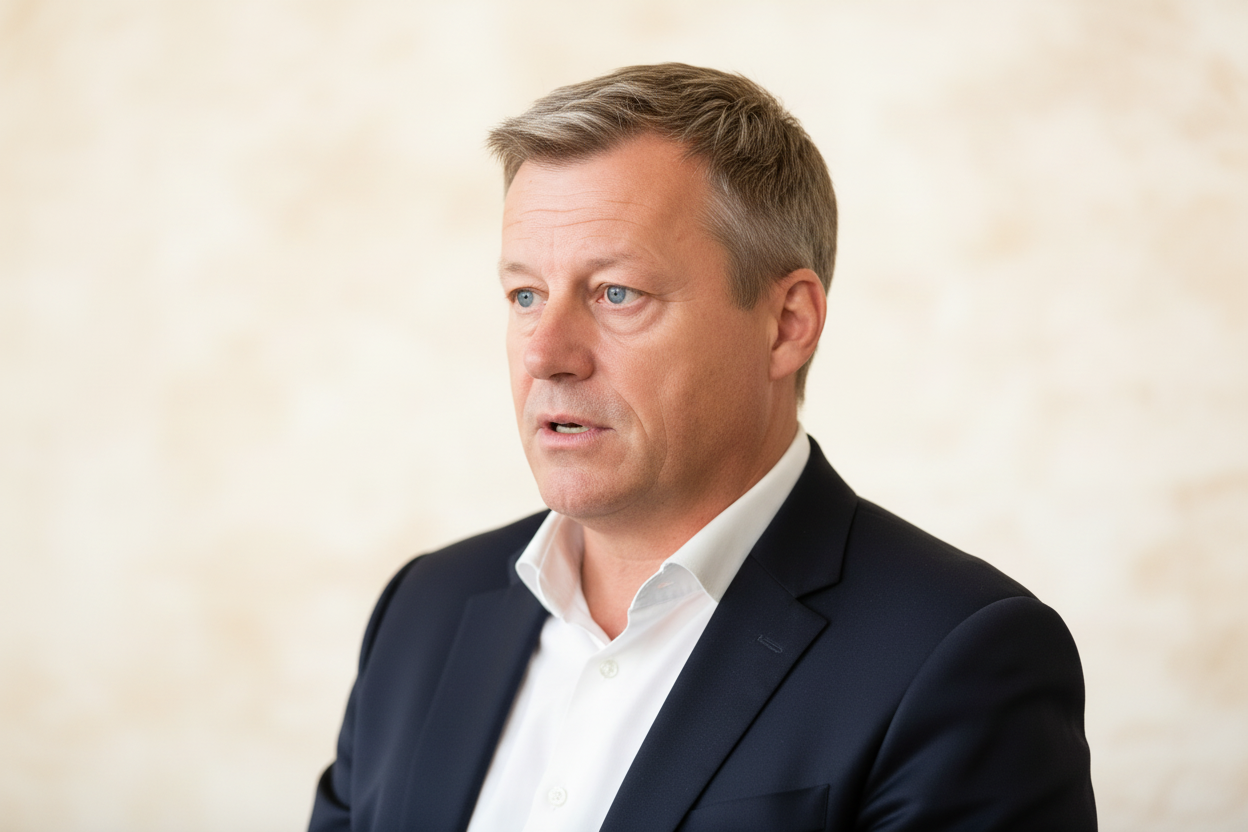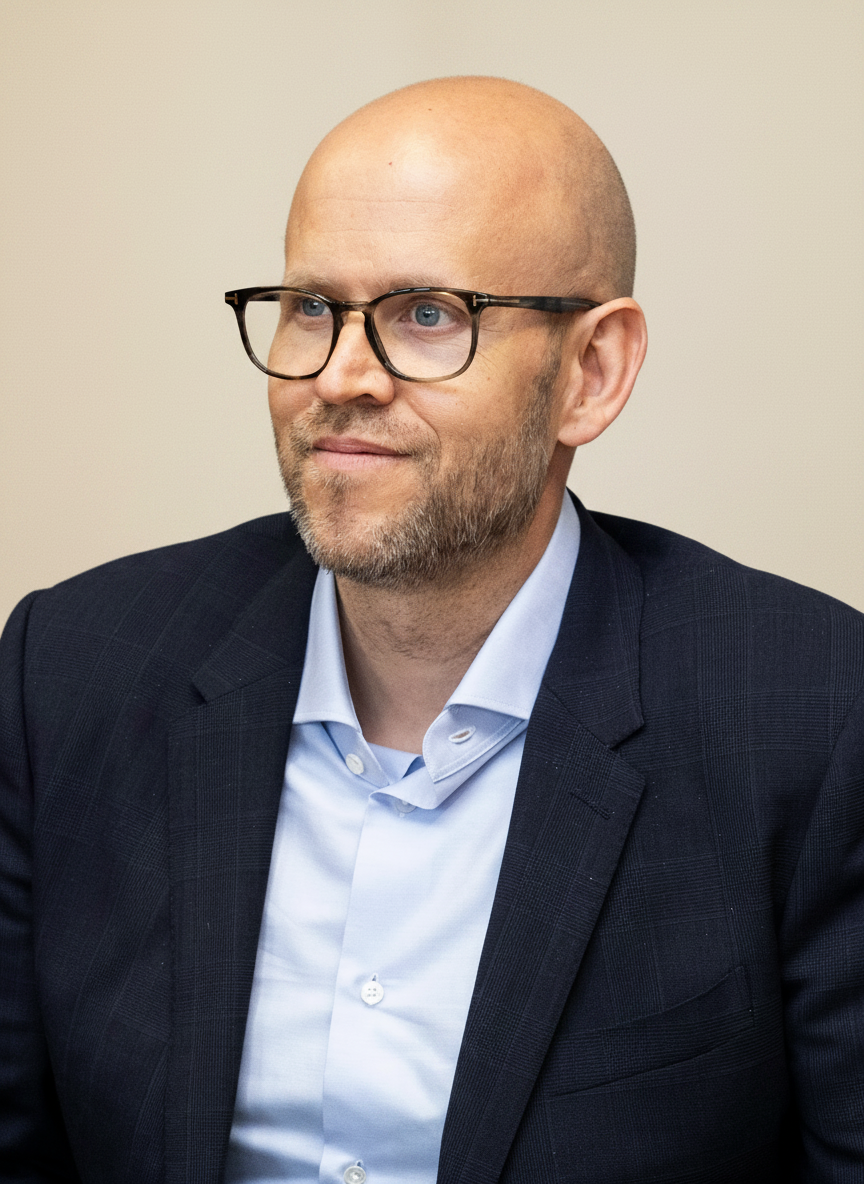
Johan Lundgren
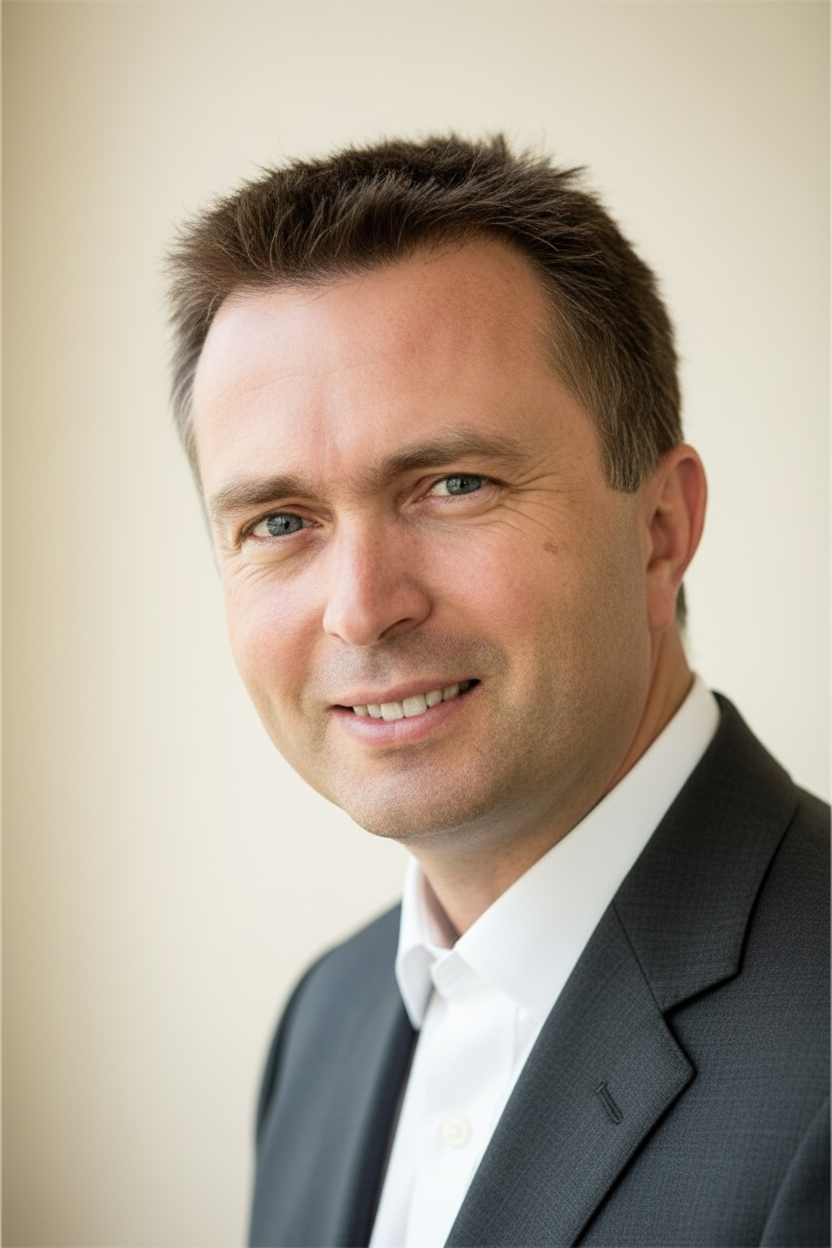
Johan Lundgren is the Chief Executive Officer of easyJet, a leading European low-cost airline, known for navigating the company through significant industry challenges and spearheading strategic initiatives for sustainable growth.
Johan Lundgren is a Swedish business executive who has served as the CEO of easyJet since December 2017. Prior to this role, he spent 16 years at TUI Group, one of the world's largest leisure travel companies, culminating in his position as Deputy CEO and CEO of TUI Hotels & Resorts. His leadership at easyJet has been marked by strategic responses to Brexit, the COVID-19 pandemic, and intense competitive pressures, focusing on operational efficiency, network optimization, and digital transformation.
Biography
Accomplishments
- 01Successfully steered easyJet through the unprecedented challenges of the COVID-19 pandemic, managing fleet groundings, revenue collapse, and subsequent operational restart while maintaining liquidity.
- 02Led easyJet's strategic response to Brexit, including the establishment of easyJet Europe based in Vienna to ensure continued flight operations across the EU.
- 03Initiated and expanded easyJet holidays, a strategic diversification into the package holiday market, leveraging the airline's flight network to capture additional revenue streams and enhance profitability.
- 04Championed easyJet's commitment to net-zero carbon emissions by 2050, introducing a clear roadmap for sustainability that includes fleet modernization, operational efficiencies, and investment in sustainable aviation fuels.
- 05Executed a significant recapitalization of easyJet, including a rights issue of approximately £1.2 billion in 2021, to strengthen the balance sheet and support recovery and future growth post-pandemic.
- 06Implemented significant digital transformation initiatives to enhance customer experience, operational efficiency, and revenue generation, including dynamic pricing and ancillary product optimization.
- 07Oversaw the renewal and expansion of easyJet's fleet with new Airbus A320neo family aircraft, improving fuel efficiency and reducing environmental impact.
- 08Maintained easyJet's strong market position as a leading European low-cost carrier despite intense competition and volatile market conditions.
Lessons for Operators
Key Takeaways
Practical lessons distilled for operators, investors, C-levels, and capital allocators.
Proactive Capital Management
In capital-intensive, cyclical industries like aviation, maintaining strong liquidity and having a clear strategy for recapitalization during downturns is paramount. Lundgren's £1.2 billion rights issue demonstrated this.
Strategic Resilience Through Diversification
While core business strength is crucial, exploring adjacent revenue streams, like easyJet holidays, can provide stability and unlock new growth avenues when the primary market faces disruption.
Sustainability as a Business Driver
Integrating sustainability goals (e.g., net-zero commitments, fleet modernization) is no longer optional. It drives investment, attracts talent, satisfies regulatory demands, and appeals to environmentally conscious customers and investors.
Navigating Geopolitical Complexity
For global or regional businesses, proactively structuring operations to mitigate geopolitical risks (e.g., Brexit's impact on market access) is essential for uninterrupted service and market presence.
Digital First for Customer Experience and Efficiency
Continuous investment in digital platforms improves customer interaction, streamlines operations, and provides data insights for better decision-making, directly impacting top-line growth and bottom-line efficiency.
Lean Operations, Flexible Capacity
A low-cost model thrives on efficiency. Lundgren's focus on optimal fleet usage and network design, coupled with the ability to scale capacity up or down, is key to responding to market demand fluctuations.
Leadership in Crisis
Effective leadership during extraordinary events involves rapid decision-making, clear communication, and a long-term strategic vision that extends beyond immediate challenges, as seen during the COVID-19 response.
Talent Retention and Motivation
Even during periods of cost-cutting and uncertainty, maintaining employee engagement and demonstrating a clear path forward for the organization is critical for future operational success and service quality.
Frameworks & Principles
Named frameworks and strategic principles they popularized or embodied.
Porter's Five Forces (Applied to Aviation)
Analyzes the competitive environment by evaluating threat of new entrants, bargaining power of buyers, bargaining power of suppliers, threat of substitute products or services, and intensity of rivalry. Lundgren implicitly navigates high rivalry (Ryanair, Wizz Air) and buyer power (price sensitivity), while managing supplier power (aircraft manufacturers, fuel providers) and avoiding substitutes by focusing on core routes.
When to useWhen assessing industry attractiveness, understanding competitive pressures, or formulating strategies to gain competitive advantage in a specific sector like aviation.
SWOT Analysis (Strategic Planning)
A planning method used to evaluate an organization's Strengths, Weaknesses, Opportunities, and Threats. Lundgren's actions (e.g., leveraging strong brand as a Strength, addressing market downturns as Threats, expanding easyJet holidays as an Opportunity) reflect an ongoing internal and external assessment.
When to useFor initial strategic planning, evaluating new market entries, or re-evaluating existing business models in response to significant market changes (e.g., post-pandemic recovery).
Scenario Planning (Risk Management)
A strategic planning method used to make flexible long-term plans by considering alternative possible futures. Lundgren's team would have utilized scenario planning to model impacts of Brexit, COVID-19, and fuel price volatility to prepare contingencies.
When to useWhen operating in highly uncertain environments with multiple possible future states (e.g., geopolitical shifts, technological disruptions, pandemics) to build organizational resilience.
Balanced Scorecard (Performance Management)
A strategic performance management framework that identifies and improves various internal functions and their resulting external outcomes, beyond just financial metrics. EasyJet would use this to track performance across financial, customer, internal process, and learning & growth perspectives, aligning operational activities with strategic goals.
When to useFor implementing strategy, measuring performance across multiple dimensions, and ensuring all organizational activities contribute to overarching strategic objectives.
Recent Appearances
Latest interviews, keynotes, and press from the past half year.
 youtube.com
 youtube.com
 youtube.com
 youtube.com
 youtube.com
 youtube.com
 youtube.com
 youtube.com
 youtube.com
 youtube.com
 youtube.com
 youtube.com
Sources & Further Reading
Profiles, interviews, podcasts, and articles used to compile and verify this entry. Each link opens at the original publisher.
Explore Related Titans
Other figures in the archive who share Johan Lundgren's domain, geography, or era.
More in Transportation & Logistics






From Sweden