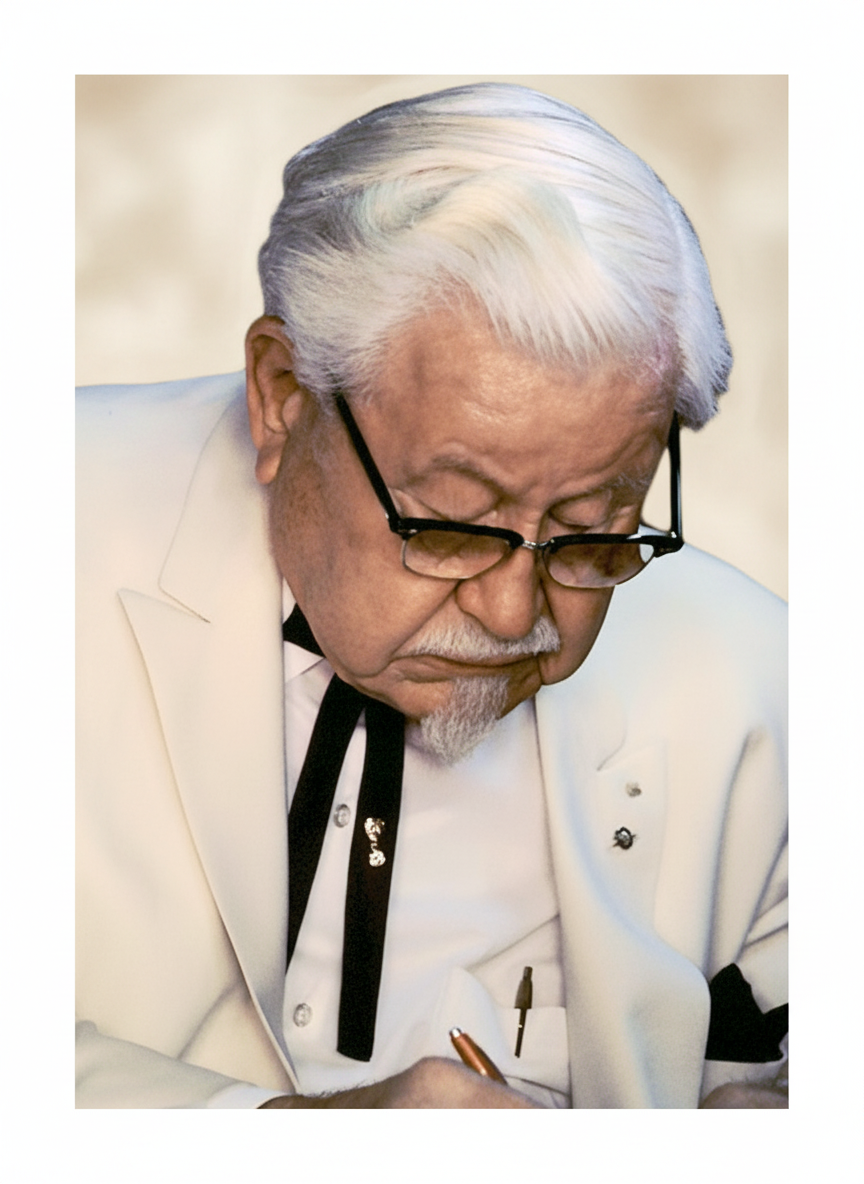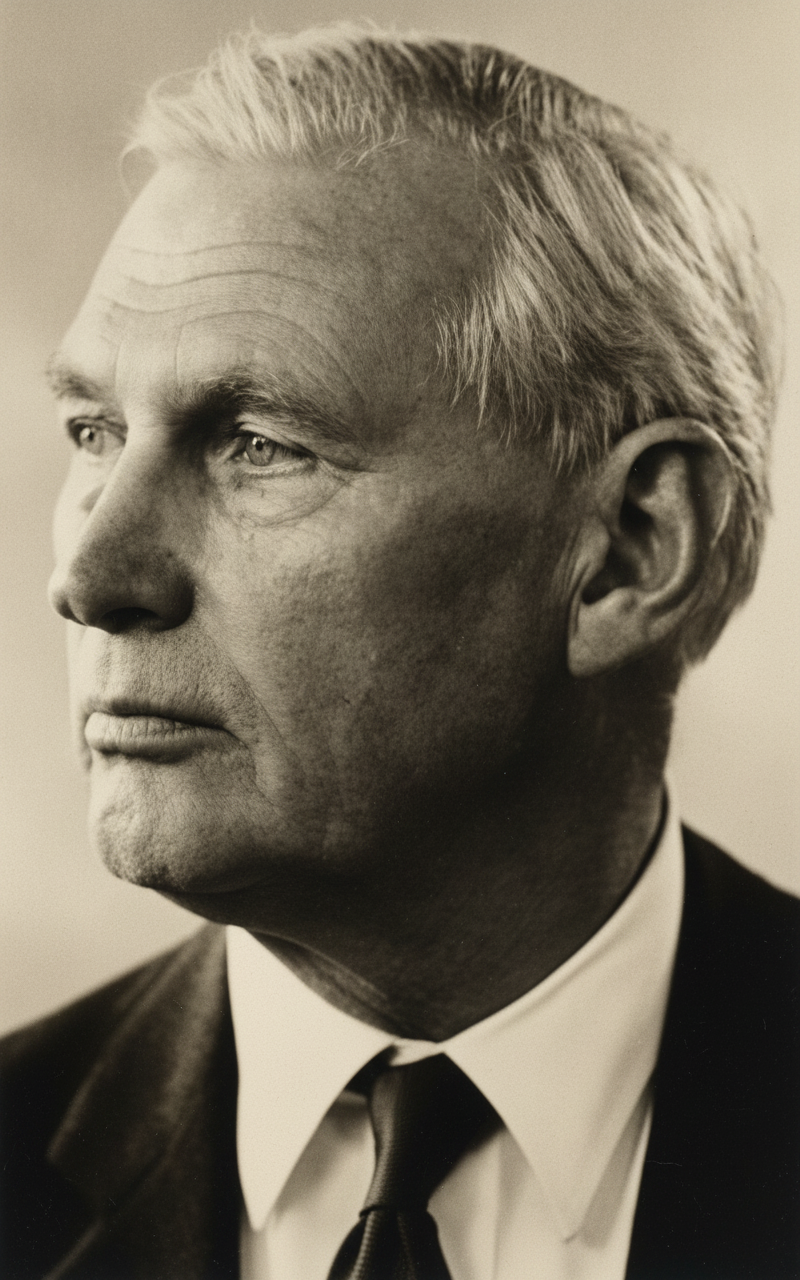
Marcus Wallenberg
The Wallenberg patriarch who orchestrated global industrial expansion and strategic restructuring for a century-old dynasty.
Marcus Wallenberg (1899-1982) was a pivotal figure in the third generation of the Wallenberg family. As chairman of Skandinaviska Enskilda Banken (SEB) and holding significant influence across industrial giants like Ericsson, Saab, Electrolux, and AstraZeneca, he strategically directed the family's vast industrial and financial empire. His leadership was characterized by shrewd international expansion, technological foresight, and resilient crisis management, shaping modern Swedish industry and establishing a global footprint for numerous enterprises.
Biography
Accomplishments
- 01Orchestrated Ericsson's global expansion, particularly into the nascent mobile communications market, positioning it as a telecommunications giant.
- 02Led the consolidation and restructuring of the Swedish aviation and automotive industries, notably through his influence at Saab-Scania, fostering technological leadership.
- 03Engineered strategic mergers and acquisitions for Electrolux, transforming it from a regional vacuum cleaner manufacturer into a leading global appliance company.
- 04Navigated Sweden's economic and corporate landscape through World War II while protecting Wallenberg interests, ensuring continued operational capacity for key industries.
- 05Chaired Skandinaviska Enskilda Banken (SEB) for decades, overseeing its growth into a major Nordic financial institution and leveraging its capital for industrial development.
- 06Pioneered a long-term, active ownership model, providing strategic guidance and capital to ensure the global competitiveness of family-controlled enterprises.
Lessons for Operators
Key Takeaways
Practical lessons distilled for operators, investors, C-levels, and capital allocators.
Strategic Industrial Stewardship
Wallenberg's approach was not just investment but stewardship. He deeply understood the industries he backed, often serving on multiple boards to guide strategic direction, foster innovation, and ensure long-term competitiveness. This hands-on, deeply informed approach allowed for continuous adaptation and growth.
Global Ambition, Local Roots
While deeply rooted in Swedish industry, Wallenberg consistently sought global opportunities. He understood that scale, R&D investment, and market diversification were critical for survival and growth for companies like Ericsson and Electrolux, pushing them beyond national borders.
The Power of Patient Capital
Unlike short-term investors, Wallenberg allocated 'patient capital' through SEB and family foundations. This long-term perspective allowed for significant R&D investments, capital-intensive infrastructure projects, and the weathering of economic downturns, producing formidable enterprises over decades.
Crisis as Opportunity
Wallenberg viewed crises as opportunities for consolidation, strategic acquisitions, and talent upgrades. His ability to act decisively during economic downturns or geopolitical uncertainty often positioned his companies for stronger future growth.
Network Centrality
His extensive network across industry, finance, and government, both domestically and internationally, was a significant asset. This network provided intelligence, facilitated deals, and ensured influence, critical for complex transactions and market entries.
Frameworks & Principles
Named frameworks and strategic principles they popularized or embodied.
Active Ownership Model
A strategy where investors take an active role in the governance and strategic direction of portfolio companies, often by holding significant board positions, providing managerial guidance, and influencing capital allocation decisions. This transcends mere financial oversight to include operational and technological development.
When to useApplicable for long-term investors in foundational industries, family offices, or private equity firms seeking to drive operational improvements and strategic realignment over an extended period. Requires deep industry knowledge and committed engagement.
Patience Capital Deployment
Refers to capital invested with a significantly longer time horizon than typical market cycles, often decades. This approach allows companies to undertake long-term R&D, build large-scale infrastructure, endure market fluctuations, and develop competitive advantages that require substantial upfront investment without immediate pressure for returns.
When to useIdeal for ventures with long gestation periods, capital-intensive industries (e.g., biotech, advanced manufacturing, infrastructure), or when strategic advantage is built through sustained, non-linear development. Often employed by philanthropic foundations, sovereign wealth funds, or generational wealth holders.
Concentric Diversification Strategy
A corporate growth strategy where a company adds new products or services that are technologically or marketing-related to its existing product line, but in new markets. The goal is to leverage existing core competencies (e.g., engineering skill, distribution networks, brand reputation) into adjacent areas.
When to useSuitable for established companies looking to expand their market reach or product offerings while minimizing risk by building upon existing strengths. For instance, an electronics company expanding into telecommunications leveraging its manufacturing expertise.
Explore Related Titans
Other figures in the archive who share Marcus Wallenberg's domain, geography, or era.
More in Finance & Investing







From Sweden




Contemporaries — born 1890s