Helena Helmersson
A sustainability-focused leader who navigated H&M through pivotal market shifts and digital transformation challenges.
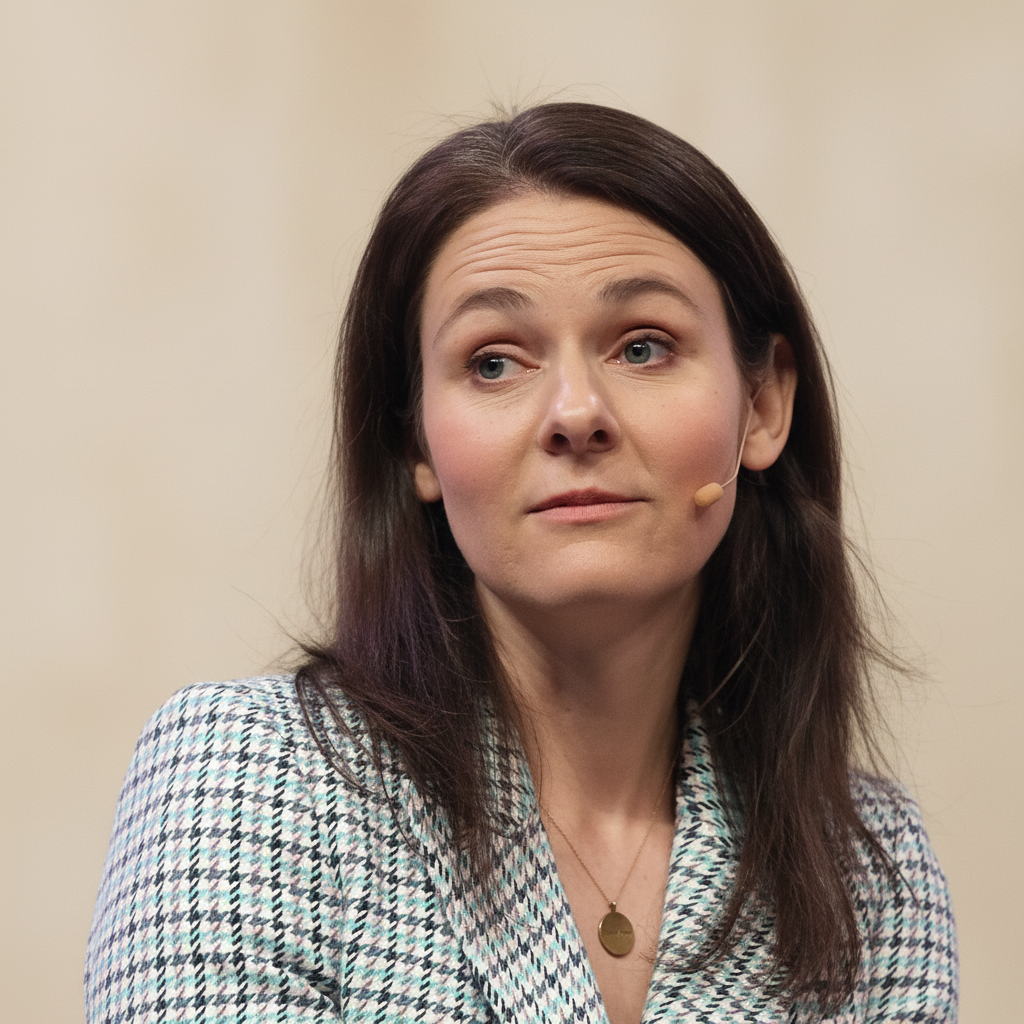
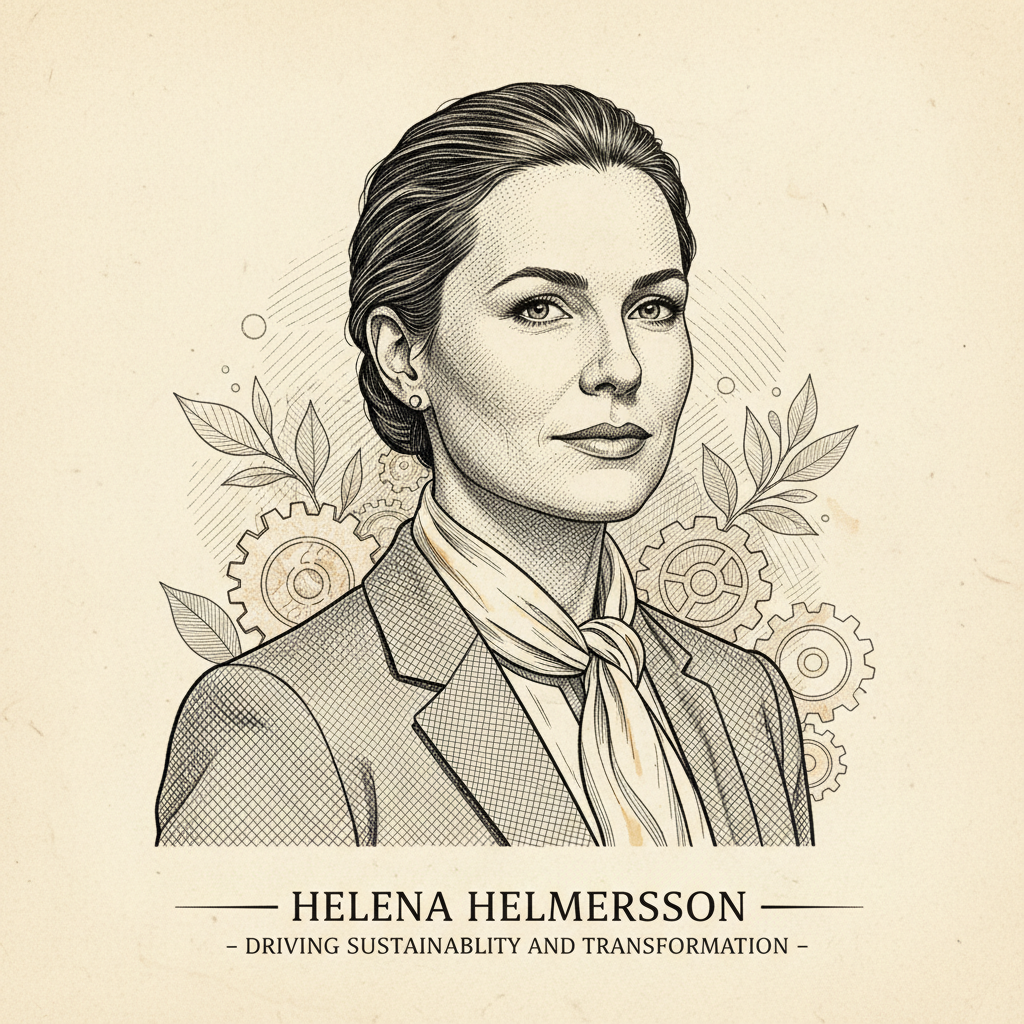
Helena Helmersson served as the CEO of H&M Group from January 2020 to January 2024. Her career with H&M spanned over two decades, beginning in 1997 as an economist in the buying department. She held various key roles including head of sustainability, production manager based in Hong Kong, and Chief Operating Officer (COO) before ascending to the top leadership position. Her tenure as CEO was marked by efforts to accelerate digital transformation, enhance supply chain efficiency, and integrate sustainability deeper into the core business model amidst a rapidly changing retail landscape.
Biography
Accomplishments
- 01Steered H&M Group through the immediate impact and subsequent recovery phases of the COVID-19 pandemic, maintaining operational continuity and accelerating digital adoption.
- 02Led a significant acceleration of H&M's digital transformation, enhancing e-commerce capabilities, personalization, and data-driven inventory management across the global enterprise.
- 03Deepened H&M's commitment to sustainability by integrating circular business models, expanding material innovation, and launching new repair and resale initiatives (e.g., H&M Rewear).
- 04Initiated and oversaw strategic streamlining of the brand portfolio and optimization of the global store network, including targeted closures and market adjustments, to improve profitability.
- 05Held diverse leadership roles across production, sustainability, and operations, demonstrating a comprehensive understanding of the entire value chain before becoming CEO.
- 06Maintained positive operating profit margins throughout her CEO tenure despite unprecedented macroeconomic headwinds and intense competitive pressure in fast fashion.
Lessons for Operators
Key Takeaways
Practical lessons distilled for operators, investors, C-levels, and capital allocators.
Holistic Value Chain Leadership
Helmersson's progression through various functions—from finance and buying to production and sustainability—provided her with a rare and valuable 'end-to-end' perspective on the retail business. This holistic view is essential for CEOs in complex global operations, enabling informed decisions across sourcing, manufacturing, logistics, and sales channels.
Strategic Sustainability Integration
Her tenure highlighted that sustainability initiatives, when strategically integrated into core business models rather than treated as separate CSR efforts, can drive innovation, enhance brand reputation, and potentially unlock new revenue streams (e.g., resale, repair services). For long-term value, sustainability must be a profit-center, not merely a cost-center.
Resilient Digital Transformation
The experience at H&M under Helmersson demonstrates that digital transformation is not a one-time project but a continuous strategic imperative. Maintaining investment in e-commerce platforms, data analytics, AI for inventory, and personalized customer experiences is crucial for survival and growth, especially when external shocks accelerate market shifts.
Adaptability in Global Retail
Leading a global retail giant through a pandemic, geopolitical tensions, and inflationary pressures underscores the necessity for adaptable leadership. Successful leaders must be prepared to re-evaluate strategies, reallocate resources, and make swift decisions in response to rapidly changing market dynamics and consumer behaviors.
Balancing Growth with Efficiency
Her focus on streamlining operations, optimizing the store footprint, and managing costs while simultaneously pursuing growth through digital channels and sustainable practices illustrates the delicate balance required for large-scale enterprise leadership in mature industries. Profitability and scale demand continuous optimization alongside innovation.
Frameworks & Principles
Named frameworks and strategic principles they popularized or embodied.
Circular Economy Principles
This framework emphasizes designing out waste and pollution, keeping products and materials in use, and regenerating natural systems. Helmersson's initiatives at H&M, such as expanding repair services, developing recycled materials, and exploring resale models, directly align with these principles.
When to useApplicable for businesses in manufacturing, retail, and consumer goods aiming to reduce environmental impact, enhance resource efficiency, and explore new sustainable business models. It requires rethinking product design, supply chains, and customer engagement.
Digital Transformation Roadmap (DTR)
A structured approach to integrating digital technology into all areas of a business, fundamentally changing how it operates and delivers value to customers. Helmersson's push for AI, data analytics, and enhanced e-commerce capabilities is a clear application of a DTR.
When to useEssential for any enterprise seeking to modernize operations, improve customer experience, enhance efficiency, or compete effectively in a digitally-driven market. It involves technology adoption, organizational change, and process re-engineering.
Omnichannel Retail Strategy
This framework focuses on providing a seamless and integrated customer experience across all touchpoints—online, mobile, and physical stores. Helmersson's efforts to optimize the store network while accelerating digital sales reflect an omnichannel approach to meet customers wherever they prefer to shop.
When to useCrucial for retailers and service-based businesses that interact with customers through multiple channels. It aims to unify customer data, personalize interactions, and create a consistent brand experience, driving loyalty and sales.
Recent Appearances
Latest interviews, keynotes, and press from the past half year.
 youtube.com
 youtube.com
 youtube.com
 youtube.com
 youtube.com
 youtube.com
 youtube.com
 youtube.com
 youtube.com
 youtube.com
 youtube.com
 m.youtube.com
Sources & Further Reading
Profiles, interviews, podcasts, and articles used to compile and verify this entry. Each link opens at the original publisher.
Explore Related Titans
Other figures in the archive who share Helena Helmersson's domain, geography, or era.
More in Technology







From Sweden




Contemporaries — born 1970s