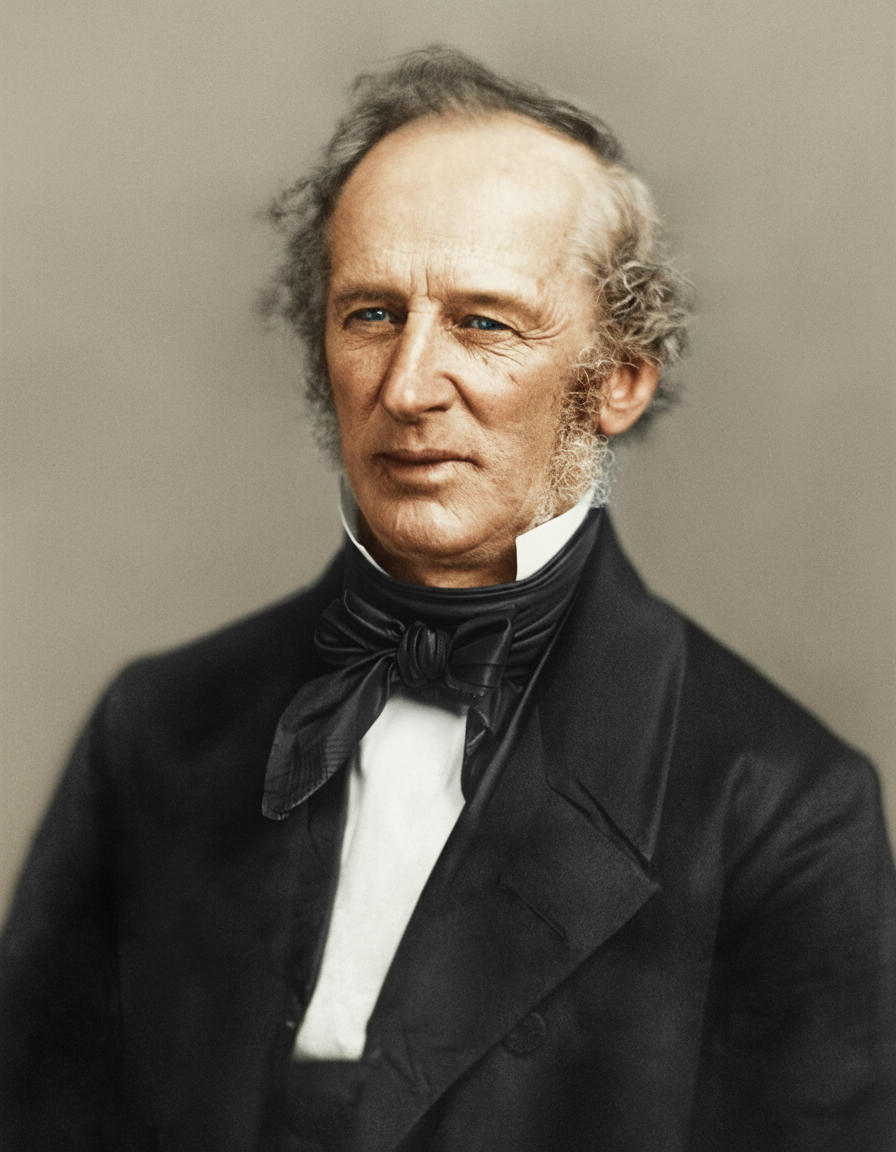
Cornelius Vanderbilt
The 'Commodore' who built an empire in shipping and railroads through aggressive competition, vertical integration, and strategic acquisitions.
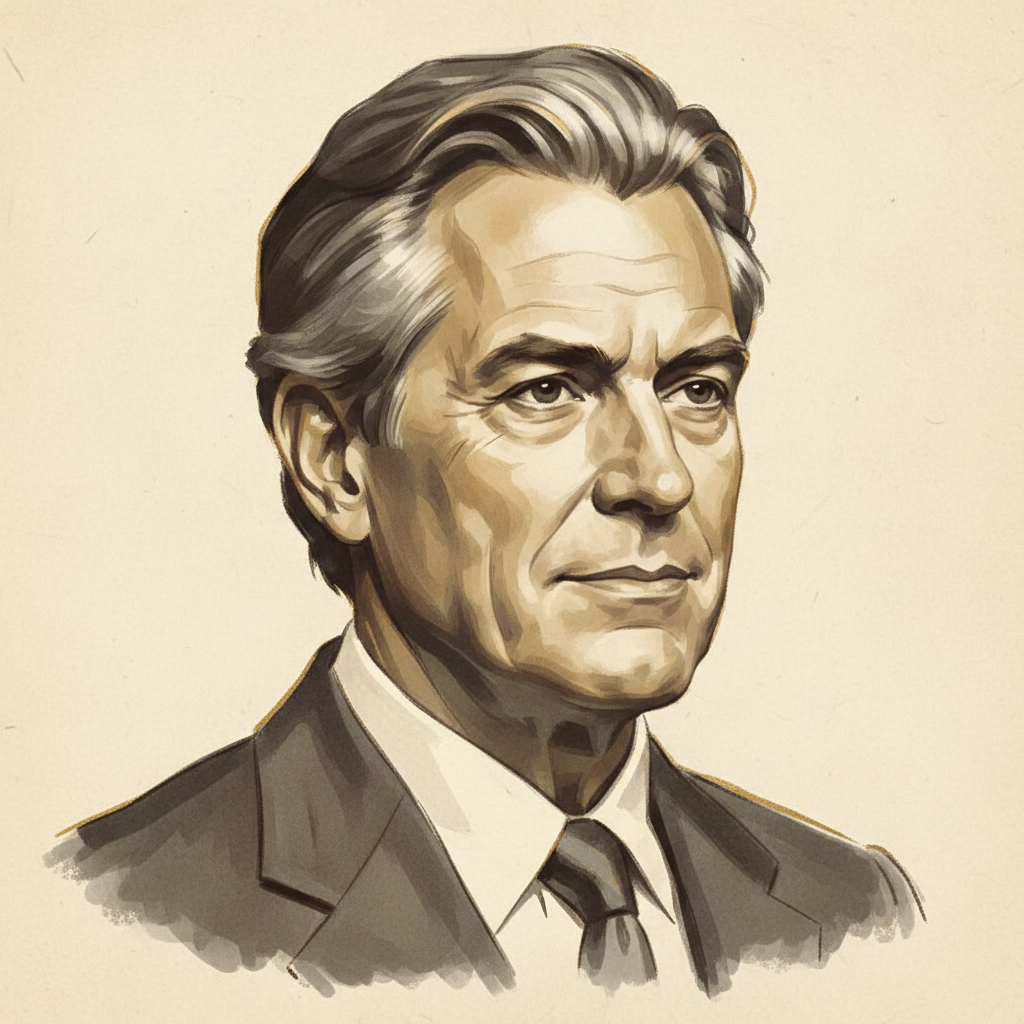
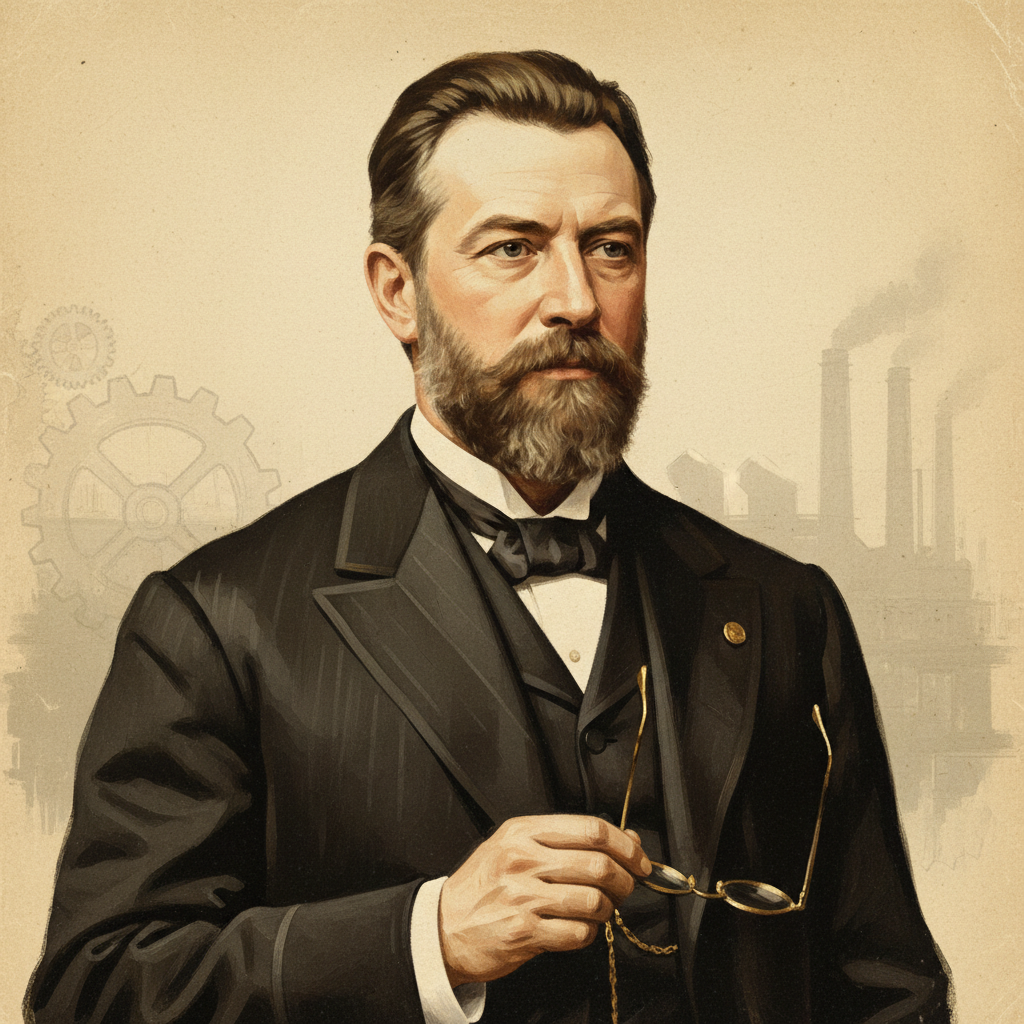
Cornelius Vanderbilt, known as 'The Commodore,' was a self-made entrepreneur who amassed one of the largest fortunes in American history. Starting with a single ferry boat, he built a dominant presence in steamboat shipping before pivoting strategically to railroads, consolidating major lines into influential systems like the New York Central Railroad.
Biography
Accomplishments
- 01Established a dominant steamboat empire, successfully navigating and outcompeting established monopolies such as the Robert Fulton-Robert Livingston consortium on the Hudson River.
- 02Developed the Accessory Transit Company (1851), creating a faster and cheaper transit route to California during the Gold Rush, generating substantial profit and market share.
- 03Executed a strategic pivot from shipping to railroads in the 1860s, anticipating industry shifts and allocating capital effectively to emerging opportunities.
- 04Consolidated fragmented railroad lines into large, integrated systems, most notably the New York Central Railroad (1867), creating efficiencies and setting standards for future railway operations.
- 05Amassed a personal fortune exceeding $100 million by his death in 1877, largely through his shipping and railroad enterprises, reflecting unprecedented wealth accumulation for his era.
- 06Pioneered aggressive competitive strategies, including price reductions, route optimization, and strategic capacity expansion, to gain market dominance.
Lessons for Operators
Key Takeaways
Practical lessons distilled for operators, investors, C-levels, and capital allocators.
Anticipate Industry Shifts
Vanderbilt's timely transition from steamboats to railroads exemplifies the necessity for business leaders to monitor macro trends and pivot resources to emerging industries, even if it means divesting from previously successful ventures.
Consolidate for Efficiency
His consolidation of disparate rail lines into comprehensive systems showcased that integrating operations can yield substantial economies of scale, reduce redundancy, and create formidable market power. Seek opportunities to integrate and simplify fragmented markets.
Master the Cost Curve
Vanderbilt's relentless pursuit of operational efficiency and cost reduction across his enterprises allowed him to undercut competitors while maintaining profitability, highlighting that a superior cost structure is often the bedrock of sustained competitive advantage.
Leverage Key Assets
By acquiring and controlling crucial choke points and infrastructure (e.g., the only bridge into Manhattan for rail traffic), Vanderbilt demonstrated how strategic asset ownership can create insurmountable competitive moats and negotiation leverage.
Strategic Patience with Aggression
While known for aggression, his moves were part of a larger, long-term strategic vision. Aggressive tactics are most effective when in service of a well-defined, patient strategy, not impulsive reactions.
The Power of Monopoly/Oligopoly
Vanderbilt actively sought to create near-monopolistic conditions through consolidation and competitive pressure, illustrating that controlling significant market share or an entire value chain segment can generate outsized returns and stability.
Frameworks & Principles
Named frameworks and strategic principles they popularized or embodied.
Porter's Five Forces (Competitive Analysis)
Vanderbilt intuitively applied many elements of Porter's Five Forces. He actively battled supplier power (e.g., controlling coal sources), buyer power (through reduced fares), sought to eliminate threat of new entrants (through consolidation and scale), and strategically influenced rivalry (through price wars and acquisitions).
When to useApplicable when evaluating the competitive landscape of an industry, understanding the attractiveness of a market, or formulating strategies to gain and sustain competitive advantage.
Vertical Integration Strategy
Vanderbilt's acquisition of connecting rail lines, control over key terminus facilities, and even involvement in ancillary services demonstrates a deep understanding of vertical integration to control the entire value chain, reduce dependencies, and capture more profit margin.
When to useUseful for businesses considering upstream or downstream expansion to gain greater control over their supply chain, reduce costs, enhance quality, or create additional barriers to entry for competitors.
Growth via Consolidation
Rather than purely organic growth, Vanderbilt's railroad empire was built largely through the acquisition and merger of existing, smaller lines. This strategy yielded rapid market share, cost synergies, and network effects.
When to useApplicable for industries characterized by fragmentation, where achieving scale quickly is advantageous, or where network effects are powerful. Consider when organic growth is too slow or too capital-intensive to achieve desired market position.
Quotations
"I do not care half so much about making money as I do about making my point."
Sources & Further Reading
Profiles, interviews, podcasts, and articles used to compile and verify this entry. Each link opens at the original publisher.
Explore Related Titans
Other figures in the archive who share Cornelius Vanderbilt's domain, geography, or era.
More in Technology





From United States

Contemporaries — 18th century