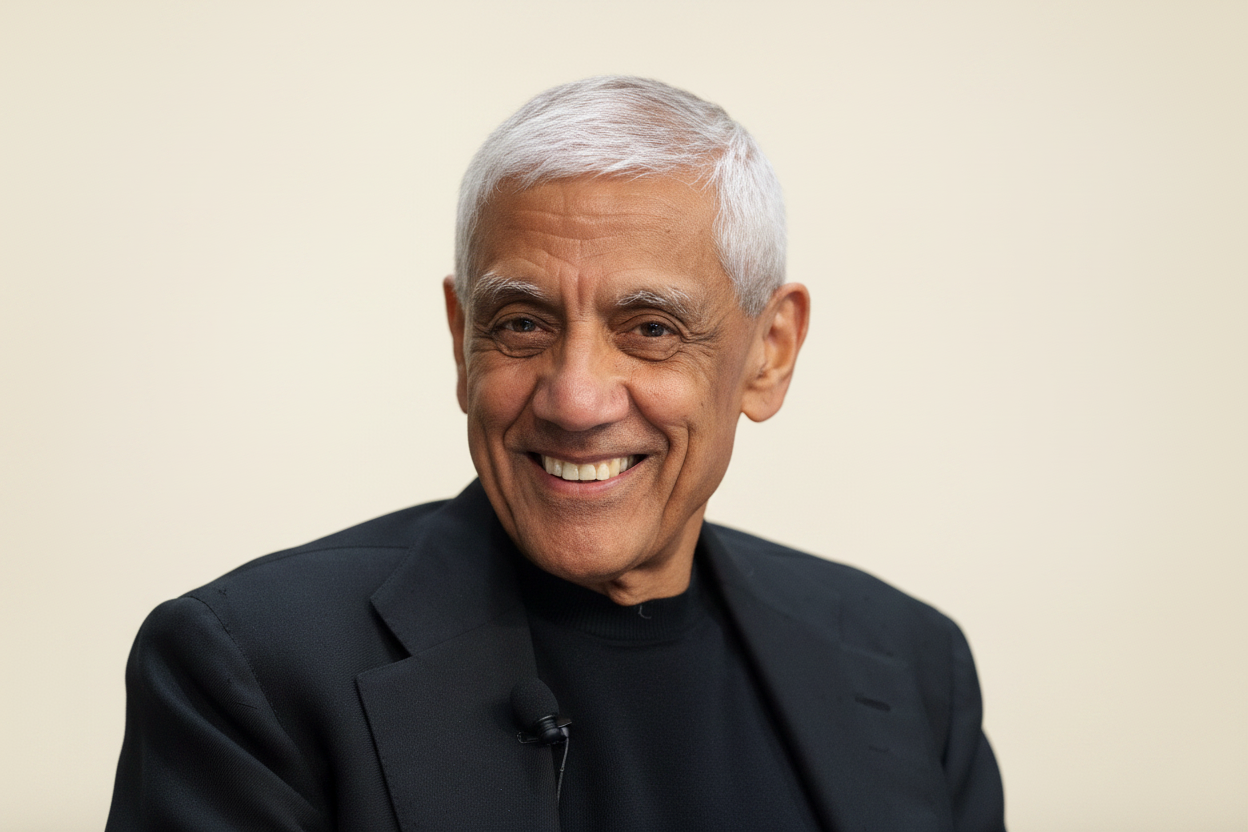
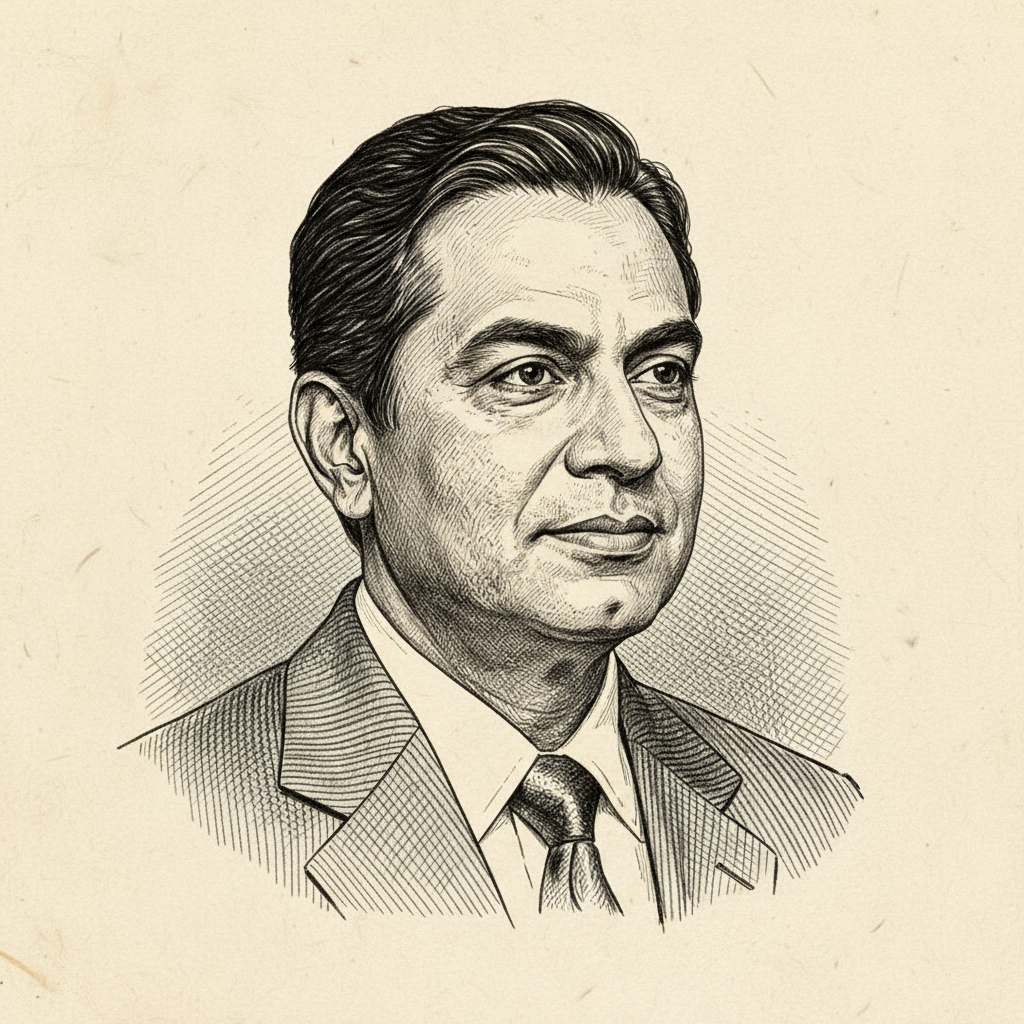
Vinod Khosla
Co-founder of Sun Microsystems and influential venture capitalist, known for his early and often contrarian bets on disruptive technologies.
Vinod Khosla is an Indian-American technology entrepreneur and venture capitalist. He co-founded Sun Microsystems in 1982 and served as its first CEO. After leaving Sun, he became a general partner at Kleiner Perkins Caufield & Byers in 1986, where he became a leading figure in venture capital. In 2004, he founded Khosla Ventures, focusing on impactful technology investments across various sectors including AI, enterprise software, climate, and healthcare.
Biography
Accomplishments
- 01Co-founded Sun Microsystems in 1982, serving as its first CEO and establishing a foundational player in the computing industry.
- 02Led early-stage investments as a general partner at Kleiner Perkins, contributing to the growth of companies like Juniper Networks and Cerent.
- 03Founded Khosla Ventures in 2004, building it into a prominent venture capital firm with over $15 billion under management, specializing in transformative technologies.
- 04Made early and significant investments in foundational AI companies like OpenAI, demonstrating prescience in a rapidly evolving field.
- 05Pioneered investment in cleantech and sustainable technologies through Khosla Ventures, backing companies like Impossible Foods and numerous renewable energy startups.
- 06Awarded the Heinz Award in Technology, the Economy and Employment for his visionary contributions to technology and venture capital.
Lessons for Operators
Key Takeaways
Practical lessons distilled for operators, investors, C-levels, and capital allocators.
Visionary Founder to Masterful VC
Khosla's transition from operational leadership at Sun Microsystems to venture capital provided him with a unique blend of execution experience and investment acumen, allowing him to better evaluate and support founders.
The Power of Deep Tech Bets
His investment strategy consistently targets 'deep tech' – groundbreaking scientific or engineering solutions. This high-risk, high-reward approach requires patience but can generate immense value if successful, as seen with OpenAI and various biotech ventures.
Challenging Conventional Wisdom
Khosla is renowned for his willingness to invest in areas dismissed or overlooked by mainstream venture capital, particularly in climate tech and highly scientific endeavors. This non-consensus approach requires conviction and a long-term outlook.
Impact-Driven Investment
Beyond financial returns, Khosla Ventures prioritizes investments that can generate significant positive societal or environmental impact. This mission-driven approach attracts certain founders and aligns with growing trends in capital allocation.
Founder Whisperer and Company Builder
His hands-on approach and deep technical understanding enable him to act as more than just a capital provider, actively mentoring founders and helping to shape the strategic direction of his portfolio companies.
Frameworks & Principles
Named frameworks and strategic principles they popularized or embodied.
First Principles Thinking in Venture
Instead of relying on analogies or existing market trends, Khosla often advocates for breaking down problems to their fundamental truths to identify truly novel solutions and opportunities. This involves ignoring conventional wisdom.
When to useApplicable when evaluating highly disruptive technologies or business models where no direct comparable exists, or when seeking to create new markets rather than incrementally improving existing ones. Useful for identifying non-obvious investment theses.
The 'Hard Problems' Thesis
This framework suggests focusing investment efforts on solving the most challenging, fundamental problems facing humanity. Khosla believes that solving these 'hard problems' not only delivers massive impact but also leads to the greatest economic opportunities.
When to useBest applied when seeking ventures with massive, long-term market potential and a high barrier to entry. It guides capital allocators to investments that can yield both significant financial returns and societal value, often requiring longer investment horizons.
Research-Driven Proactive Sourcing
Rather than passively receiving pitches, Khosla Ventures actively researches specific technical areas and scientific advancements they believe will be transformative. They then seek out or even help spin out companies to capitalize on these insights.
When to useRelevant for investors, fund managers, and even corporate strategists looking to identify nascent trends and be first-movers in emerging technologies. It requires significant internal research capabilities and network building within academic and scientific communities.
Sources & Further Reading
Profiles, interviews, podcasts, and articles used to compile and verify this entry. Each link opens at the original publisher.
Explore Related Titans
Other figures in the archive who share Vinod Khosla's domain, geography, or era.
More in Technology



From India


Contemporaries — born 1950s