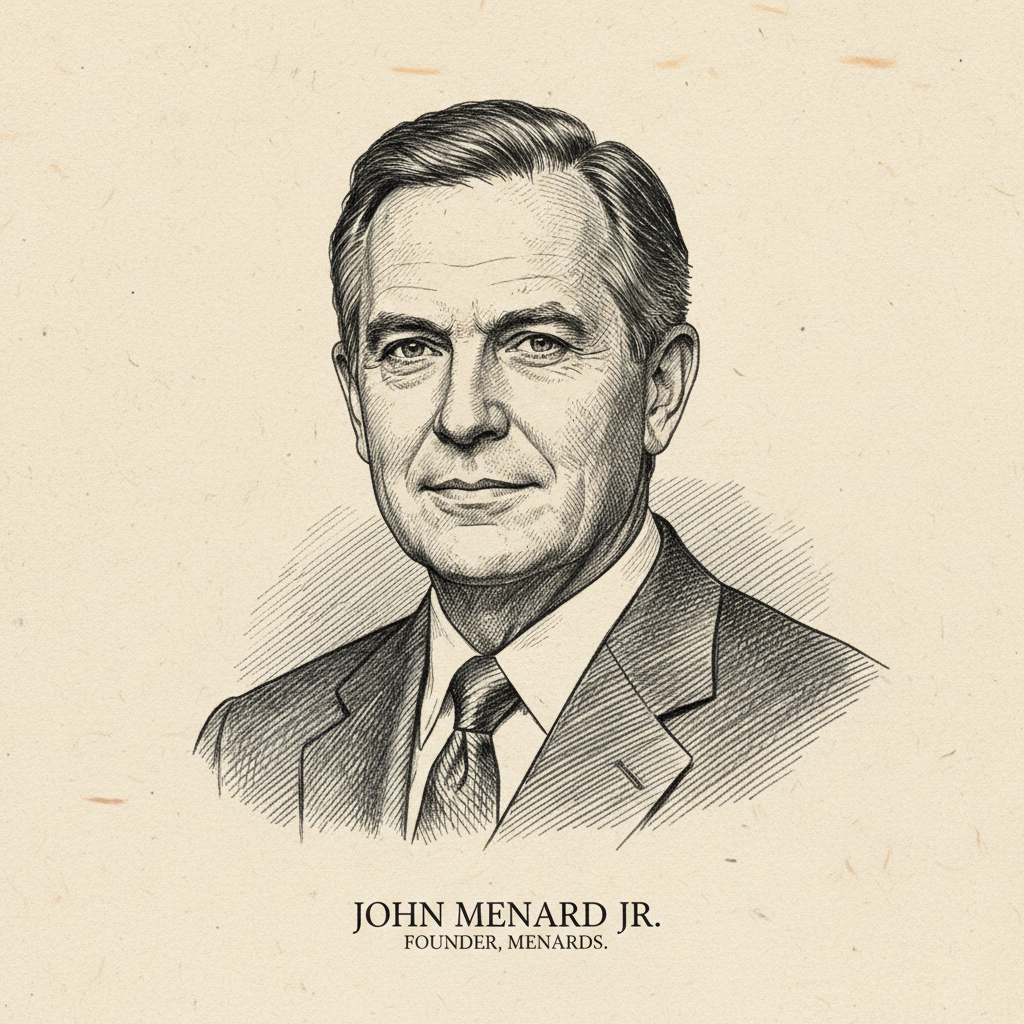
Kenichi Ohmae
The strategist who articulated global competition and the 'low-desire society.'
Kenichi Ohmae is a renowned Japanese organizational theorist, management consultant, former academic, and prolific author. He is widely recognized for his pioneering work on global strategy, notably the development of the 3Cs model, and for his incisive analyses of Japan's economic trajectory, including his concept of a 'low-desire society.'
Biography
Accomplishments
- 01Developed the influential '3Cs Model' (Customer, Competitor, Company) for strategic business analysis, providing a framework for competitive advantage in the 1980s.
- 02Authored over 100 books, including 'The Mind of the Strategist' (1982) and 'The Borderless World' (1990), shaping discourse on global strategy and economic integration.
- 03Served as managing director of McKinsey & Company's Japan office and co-leader of its worldwide management committee, advising multinational corporations and governments on strategic challenges.
- 04Formulated the concept of the 'low-desire society' to diagnose Japan's prolonged economic stagnation, highlighting its implications for consumption and innovation.
- 05Held academic positions, including Professor and Dean of UCLA Luskin School of Public Affairs, influencing generations of future leaders.
- 06Pioneered the concept of the 'interlinked economy' where national borders become less significant in economic activity due to globalization and technological advancements.
- 07Founded 'Ohmae & Associates' (O&A) in 1995, continuing to provide strategic consulting services on a global scale.
Lessons for Operators
Key Takeaways
Practical lessons distilled for operators, investors, C-levels, and capital allocators.
Holistic Strategic Alignment (3Cs Model)
Action: Integrate your company's core capabilities (Company) with deep understanding of customer needs (Customer) and clear differentiation from competitors (Competitor). Conduct regular '3C audits' to ensure strategic decisions are balanced across these elements. For example, a product development decision should not only optimize internal efficiency (Company) but also directly address an unmet customer need and provide a distinct advantage over competitor offerings.
Embrace the Borderless World
Action: Design your business and investment strategies with a global perspective, not limited by national markets. Identify areas for international expansion, supply chain diversification, and talent acquisition leveraging global opportunities. For instance, consider market entry strategies for emerging economies, or sourcing specialized skills from a global talent pool, rather than solely domestic.
Diagnose Societal Economic Shifts Early
Action: Monitor socio-economic trends, such as demographic changes, consumption patterns, and generational values, which can signal impending market shifts or economic stagnation. If operating in a 'low-desire society' scenario (like Japan), adjust product offerings, marketing, and investment strategies towards value, experiences, or fundamental needs rather than aspirational luxury, or seek growth in more dynamic geographies.
Cultivate Strategic Intuition and Foresight
Action: Encourage 'out-of-the-box' thinking and scenario planning within your leadership team. Don't rely solely on quantitative analysis but foster creative problem-solving and an anticipatory mindset. Implement 'red team' exercises to challenge established business models and uncover potential disruptive threats or opportunities before they materialize.
Continuous Re-evaluation of Competitive Position
Action: Regularly benchmark your company against leading competitors not just on financial metrics, but on innovation, customer experience, and strategic agility. Identify weaknesses and areas for improvement, and allocate resources to counter competitive threats and build sustainable advantages. This includes anticipating indirect competitors and substitutes, not just direct rivals.
Frameworks & Principles
Named frameworks and strategic principles they popularized or embodied.
3Cs Model
A strategic framework emphasizing the three key players in a business strategy: the Company, the Customer, and the Competitors. Ohmae argues that a successful strategy must integrate these three elements effectively to achieve sustainable competitive advantage.
When to useApplicable when formulating marketing strategies, product development, competitive analysis, or anytime a business needs to assess its strategic position and define its value proposition. Use it for strategic planning sessions, market entry analyses, and competitive landscaping exercises.
Borderless World Concept
This concept posits that due to globalization, technology, and interconnected economies, the significance of national borders in business has diminished. Companies must think and operate globally, as capital, information, and people flow freely across traditional boundaries.
When to useRelevant for multinational corporations considering global expansion, supply chain optimization, international investment decisions, or understanding macro-economic trends. Use it when developing global market strategies, assessing geopolitical risks, or designing international organizational structures.
Low-Desire Society
Ohmae's term to describe a societal condition, particularly observed in Japan, where generations, especially younger ones, exhibit declining ambition, reduced consumption, and a focus on security over risk-taking, leading to economic stagnation.
When to useBusinesses should use this concept when analyzing market demand in mature economies, assessing long-term growth prospects, or designing products and services for demographics with shifting values. It's crucial for understanding consumer behavior in stagnant economies.
Sources & Further Reading
Profiles, interviews, podcasts, and articles used to compile and verify this entry. Each link opens at the original publisher.
Explore Related Titans
Other figures in the archive who share Kenichi Ohmae's domain, geography, or era.
More in Other








From Japan







Contemporaries — born 1940s