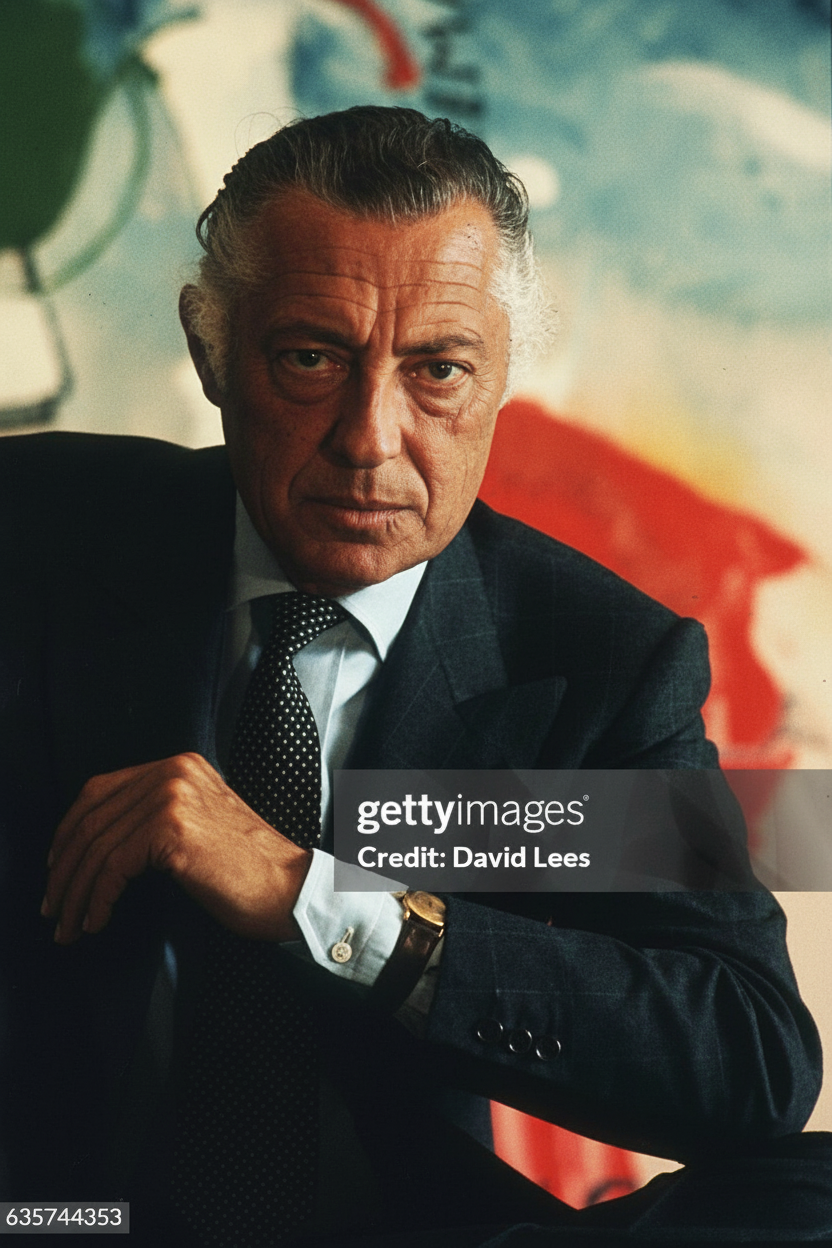
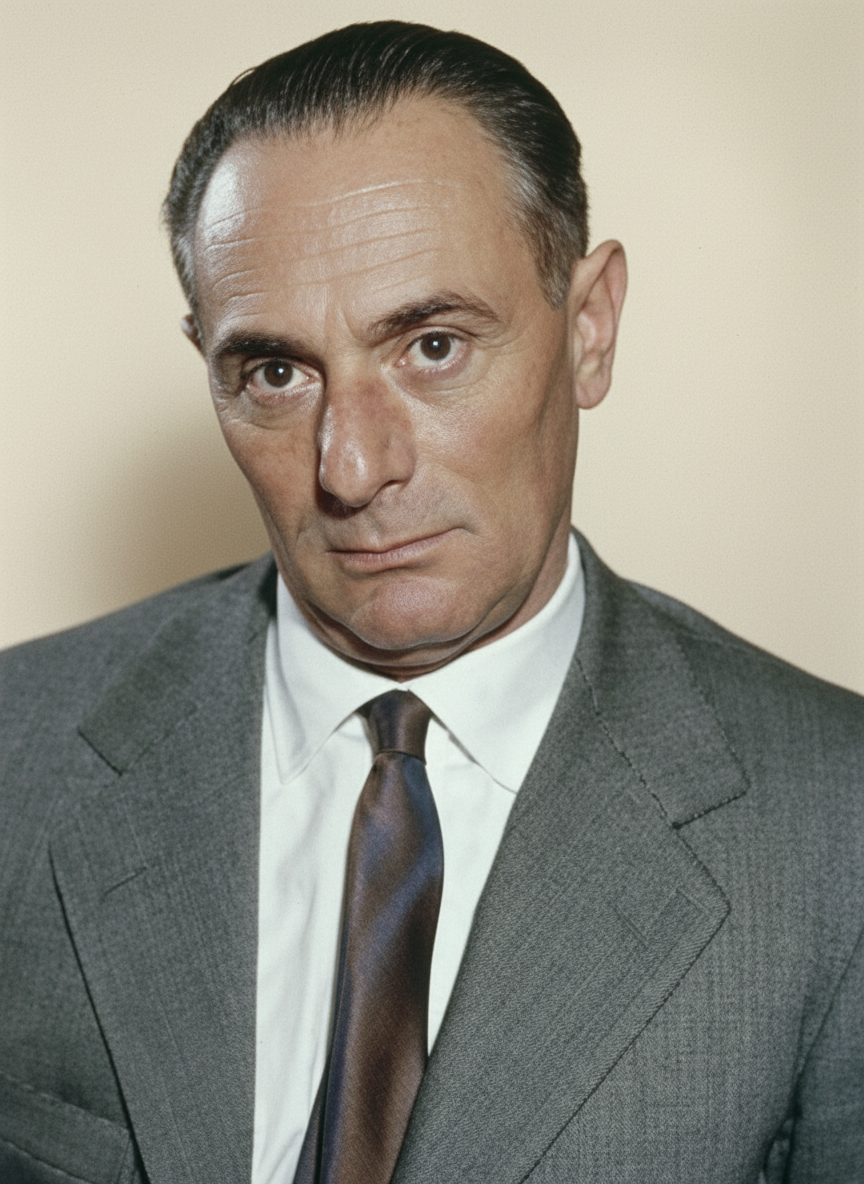
Giovanni Agnelli
Architect of Italian mass industrialization and pioneer of vertically integrated corporate governance.
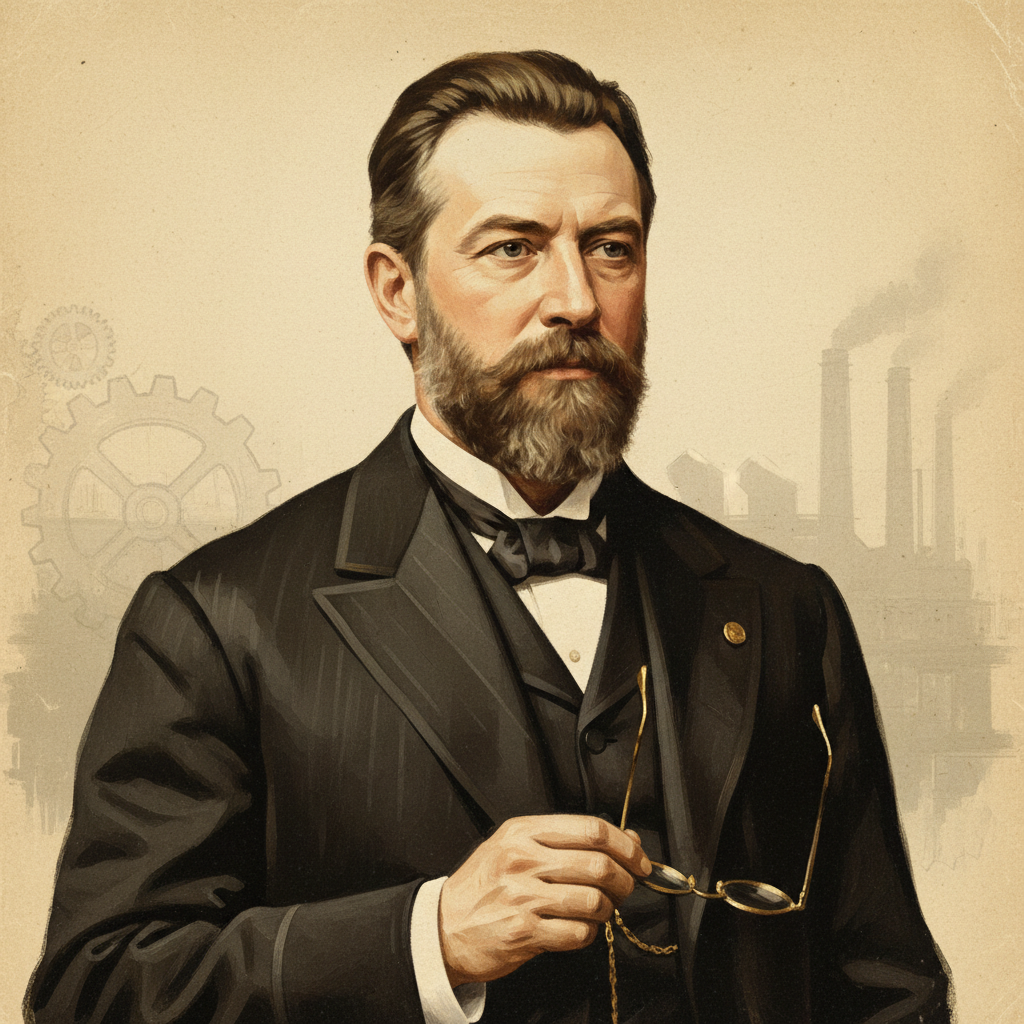
Giovanni Agnelli was a pioneering Italian industrialist who co-founded Fabbrica Italiana Automobili Torino (FIAT) in 1899, transforming a modest regional automaker into a diversified industrial titan. Drawing inspiration from American Fordist manufacturing methods, he built the iconic Lingotto plant, pioneered vertical integration across Italy's supply chains, and established the holding company structure (IFI) that secured his family's multi-generational control over Italian industry.
Biography
Accomplishments
- 01Co-founded FIAT in 1899 with an initial capital investment of 2,500 lire, scaling it to Italy's dominant industrial manufacturing enterprise within two decades.
- 02Commissioned and completed the Lingotto factory in Turin (1916-1923), bringing modern five-story continuous assembly-line operations and rooftop testing to European automaking.
- 03Pioneered deep vertical integration in southern Europe by establishing RIV (Officine di Villar Perosa) for ball bearings and integrating domestic steel, railway, and aerospace production.
- 04Formed Istituto Finanziario Industriale (IFI) in 1927, creating one of Europe's first specialized industrial holding companies to preserve family control and centralize capital allocation.
- 05Led the commercial transformation of the Italian automotive sector from luxury craft production to middle-class utility with the launch of the Fiat 508 Balilla in 1932 and the Fiat 500 'Topolino' in 1936.
Lessons for Operators
Key Takeaways
Practical lessons distilled for operators, investors, C-levels, and capital allocators.
Centralized Governance Outperforms Fragmented Syndicates
Agnelli started as one of several investors in 1899 but realized that collective, aristocratic committee control produces slow capital allocation. He systematically bought out or marginalized passive founders to impose unified executive leadership.
Industrial Real Estate Must Match Assembly Logic
The Lingotto factory was not merely real estate; it was an operational machine designed around continuous gravity-assisted workflow, culminating in a rooftop test track that reduced internal transit time and structural operating costs.
The Holding Company as a Risk Buffer
By creating IFI in 1927, Agnelli insulated his family's concentrated equity from operating-level debts, labor liabilities, and corporate reorganizations, formalizing family office practices decades ahead of European peers.
Market Creation Through Affordable Unit Economics
Recognizing that Italian domestic purchasing power could not support high-end tourers indefinitely, Agnelli pivoted capital expenditure toward the mass-market 508 Balilla and Topolino, insulating Fiat from the worst impacts of the Great Depression.
Frameworks & Principles
Named frameworks and strategic principles they popularized or embodied.
The Integrated Node Model
A framework for identifying single-point-of-failure components in an industrial supply chain (such as ball bearings or forged steel) and establishing proprietary captive manufacturing to stabilize throughput and extract internal margin.
When to useUse during periods of geopolitical fragmentation, supply-chain breakdown, or when third-party component suppliers extract excessive economic rents.
The Dual-Tier Corporate Ringfence
An equity architecture separating industrial operational risk from family capital wealth by placing operating operating entities underneath a specialized diversified financial holding entity (such as IFI).
When to useUse when scaling capital-intensive, cyclical industrial ventures where owner-operators need to insulate multi-generational wealth from operational debt and cyclical insolvency.
Explore Related Titans
Other figures in the archive who share Giovanni Agnelli's domain, geography, or era.
More in Transportation & Logistics






From Italy






Contemporaries — 19th century