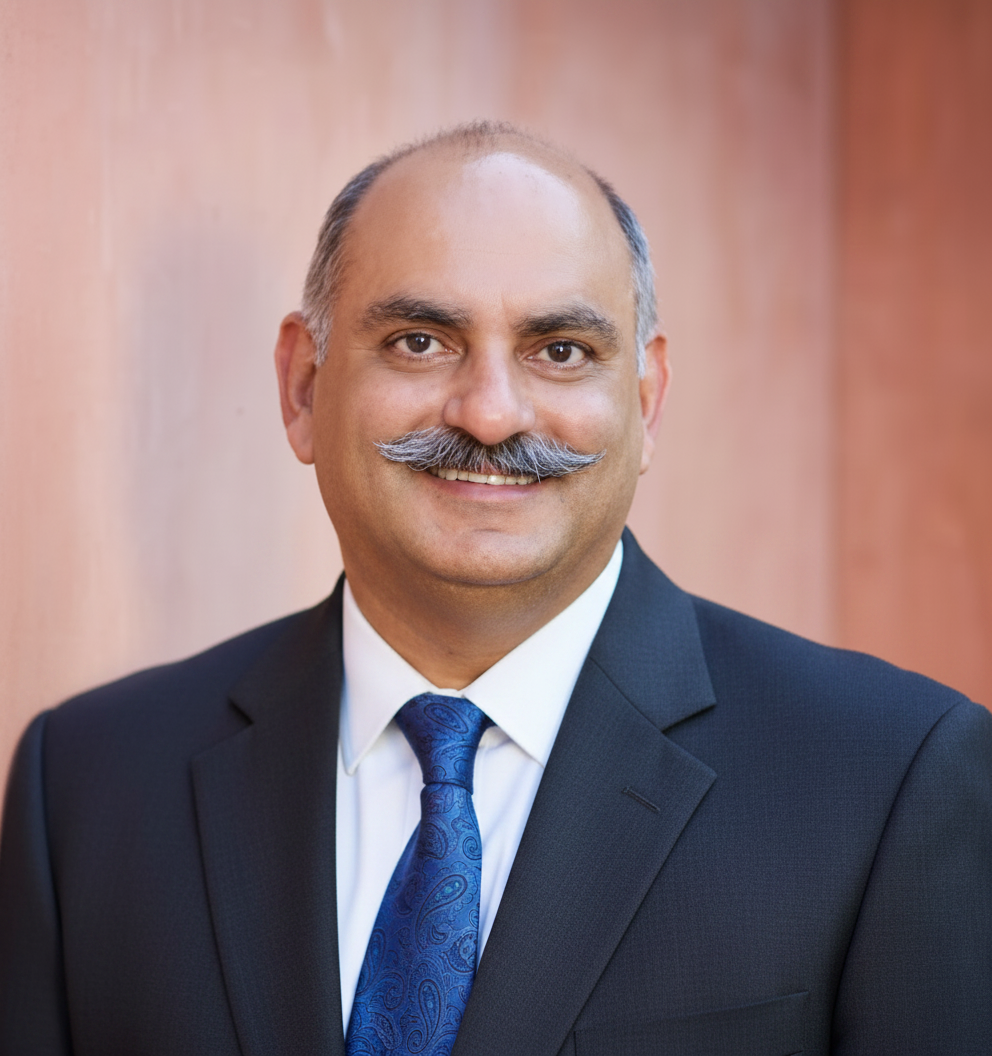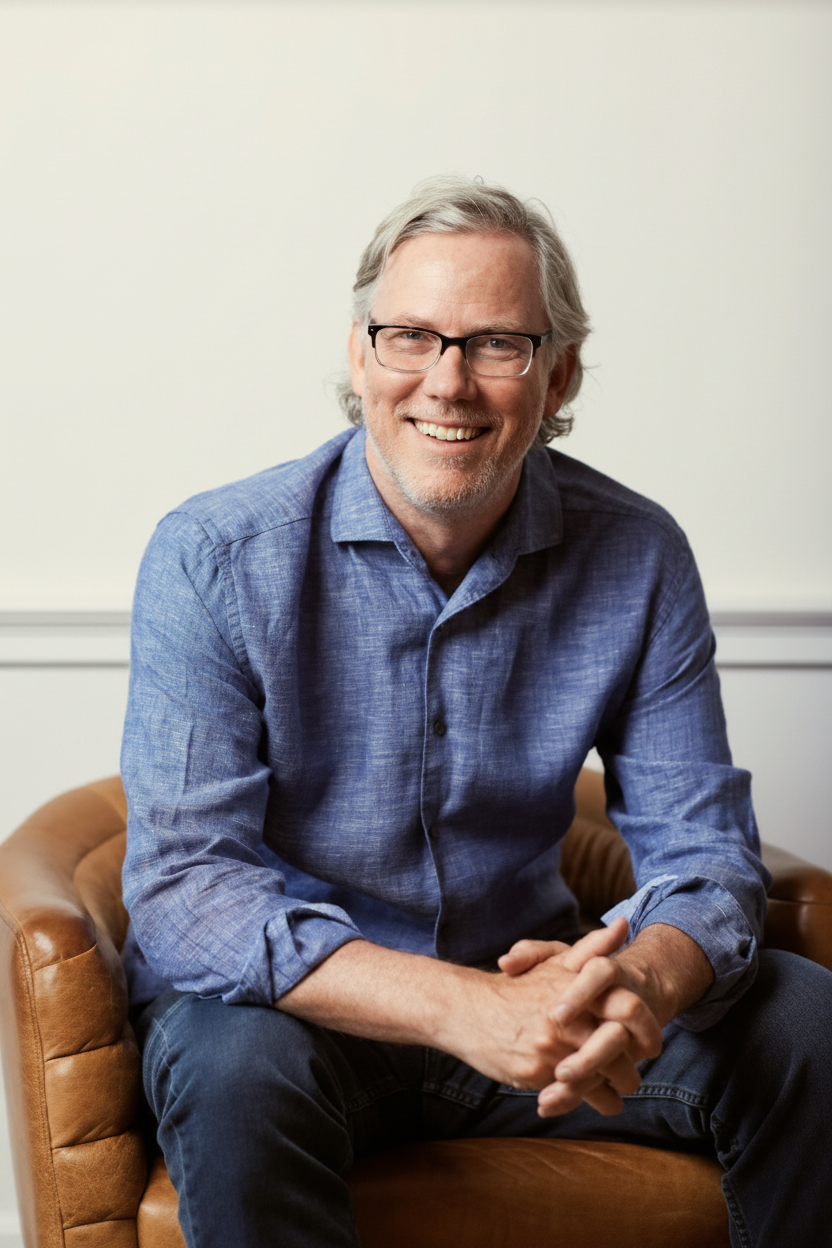
Benedetto Vigna
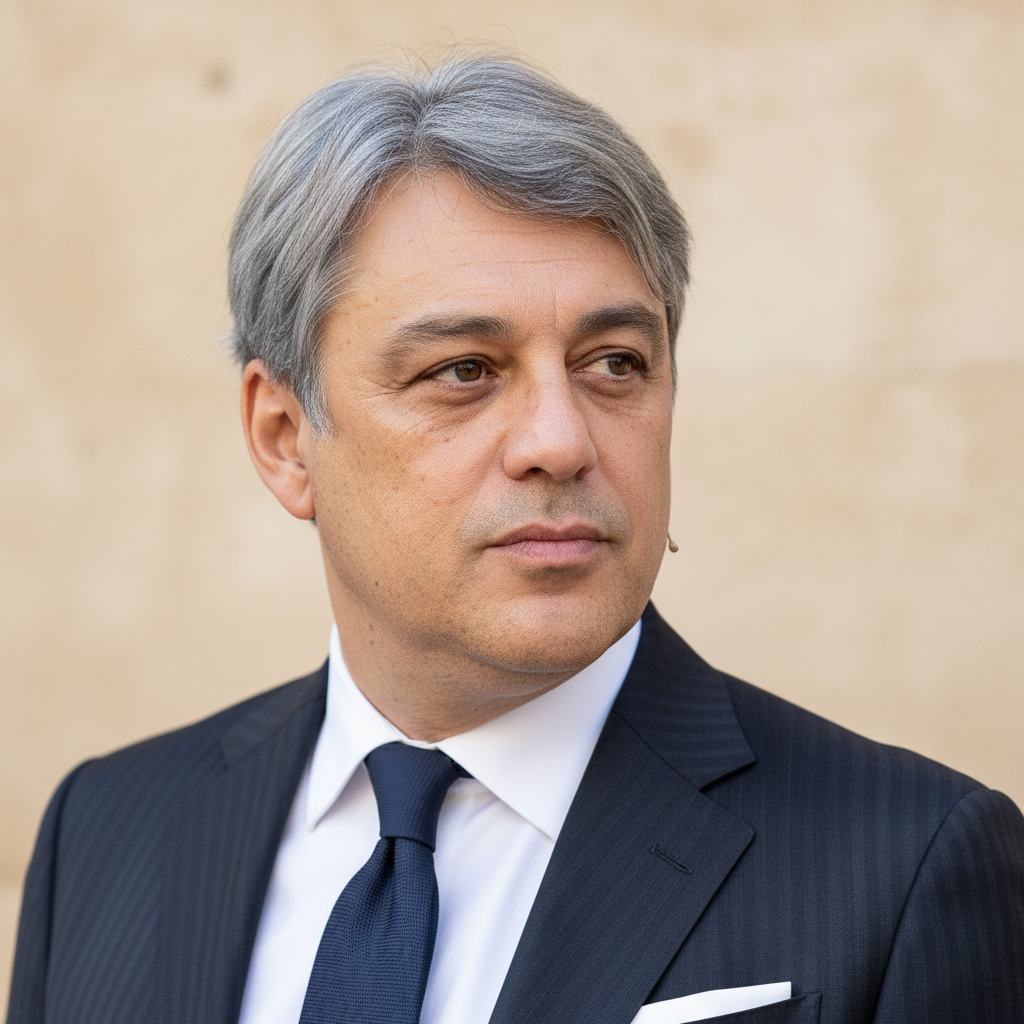
Benedetto Vigna: Semiconductor veteran transitioning luxury automotive towards electrification and digital integration.
Benedetto Vigna is an Italian executive and physicist, best known for his long tenure at STMicroelectronics, where he pioneered and led its MEMS (Micro-Electro-Mechanical Systems) and sensor division. In 2021, he was appointed CEO of Ferrari S.p.A., marking a significant shift for the luxury automaker towards a technology-centric future, particularly in electrification.
Biography
Accomplishments
- 01Pioneered STMicroelectronics' MEMS business, making it a market leader in motion sensors for consumer electronics, notably supplying Apple for the iPhone and Nintendo for the Wii, circa 2007-2009.
- 02Successfully diversified STMicroelectronics' sensor portfolio into automotive, industrial, and medical applications, contributing to sustained revenue growth for the Analog, MEMS and Sensors Group.
- 03Led the strategic development of smart sensors and actuators at STMicroelectronics, driving innovation in edge computing and power efficiency solutions.
- 04Appointed CEO of Ferrari S.p.A. in September 2021, tasked with leading the iconic brand's significant transition towards electrification and digital services, including the commitment to the first full-electric Ferrari by 2025.
- 05Oversaw the unveiling of Ferrari's 2022-2026 strategic plan, outlining a clear roadmap for product diversification, electrification, and sustainability while maintaining profitability targets.
Lessons for Operators
Key Takeaways
Practical lessons distilled for operators, investors, C-levels, and capital allocators.
Technology as a Differentiator
Vigna's career underscores that deep technological expertise, particularly in foundational areas like semiconductors, can be a potent differentiator, even in seemingly unrelated industries. Ferrari's move to hire him highlights a belief that future automotive value will increasingly be in electronics and software.
Cross-Industry Leadership Transfer
His transition from semiconductors to luxury automotive illustrates how leadership skills focused on innovation, complex technology management, and strategic vision can be highly transferable across diverse industries, particularly when facing common technological challenges like electrification.
Electrification as a Core Strategy
Vigna's mandate at Ferrari firmly places electrification and digital services at the core of the brand's future. This signals that even traditional, high-performance luxury segments cannot ignore the imperative of sustainable and technologically advanced powertrains.
The Importance of Internal Innovation
Vigna's success at STMicroelectronics was built on internal semiconductor development. This contrasts with a pure acquisition strategy, demonstrating that fostering in-house technical talent and intellectual property can yield significant long-term competitive advantage.
Frameworks & Principles
Named frameworks and strategic principles they popularized or embodied.
Technology Adoption Lifecycle (TAL)
Vigna adeptly navigated new product categories for MEMS within the TAL, moving from early adopters (e.g., specialized industrial sensors) to mass market (e.g., smartphones). He understood the differing requirements for each segment.
When to useApplicable when launching new technologies or products. Businesses should understand their target segment within the lifecycle and adapt marketing, pricing, and product features accordingly to cross the 'chasm'.
Core Competence Identification & Leverage
At STMicroelectronics, Vigna focused on strengthening and expanding MEMS technology as a core competence. At Ferrari, his role is to integrate new core competencies (e.g., battery technology, software architecture) while preserving existing ones (e.g., engine design, brand mystique).
When to useUseful for strategic planning to identify what a company does uniquely well and how those capabilities can be applied to new markets or product lines, or how new essential competencies must be developed.
Platform Strategy
Vigna's work enabled STMicroelectronics to create platform-agnostic sensor solutions that could be integrated into various devices (smartphones, automotive, industrial). This allowed for economies of scale and broader market penetration.
When to useEmploy when developing products that can serve as a foundation for multiple applications or ecosystems, driving efficiency, reducing development costs, and expanding market reach.
Recent Appearances
Latest interviews, keynotes, and press from the past half year.
 youtube.com
 youtube.com
 youtube.com
 youtube.com
 youtube.com
 youtube.com
 youtube.com
 youtube.com
 youtube.com
 youtube.com
 youtube.com
 youtube.com
 youtube.com
 youtube.com
 youtube.com
 youtube.com
 youtube.com
 youtube.com
 youtube.com
 youtube.com
 youtube.com
 youtube.com
 youtube.com
 youtube.com
 youtube.com
 youtube.com
 youtube.com
 youtube.com
 youtube.com
 youtube.com
 youtube.com
 youtube.com
 youtube.com
 youtube.com
 youtube.com
 youtube.com
 youtube.com
 youtube.com
 youtube.com
 youtube.com
 youtube.com
 youtube.com
 youtube.com
 youtube.com
 youtube.com
 youtube.com
 youtube.com
 youtube.com
 youtube.com
 youtube.com
 youtube.com
 youtube.com
 youtube.com
 youtube.com
 youtube.com
 youtube.com
 youtube.com
 youtube.com
 youtube.com
 youtube.com
 m.youtube.com
 youtube.com
 youtube.com
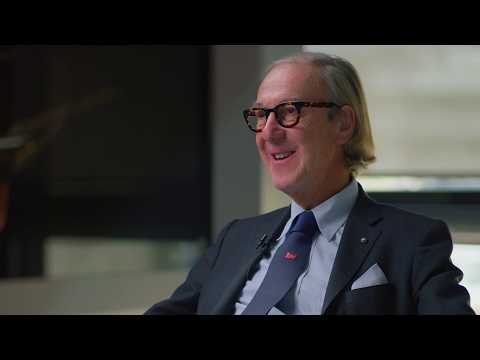 youtube.com
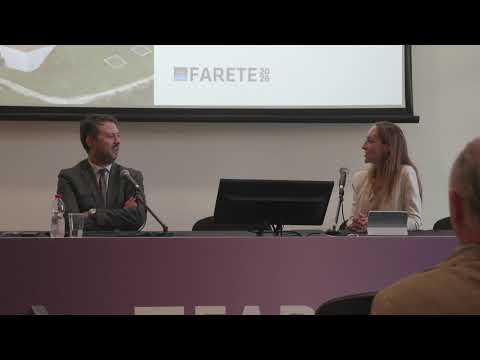 youtube.com
 youtube.com
 youtube.com
 youtube.com
 youtube.com
 m.youtube.com
 youtube.com
 youtube.com
 youtube.com
 youtube.com
 youtube.com
 youtube.com
 youtube.com
 youtube.com
 youtube.com
 youtube.com
Sources & Further Reading
Profiles, interviews, podcasts, and articles used to compile and verify this entry. Each link opens at the original publisher.
Explore Related Titans
Other figures in the archive who share Benedetto Vigna's domain, geography, or era.
More in Technology






From Italy



Contemporaries — born 1960s