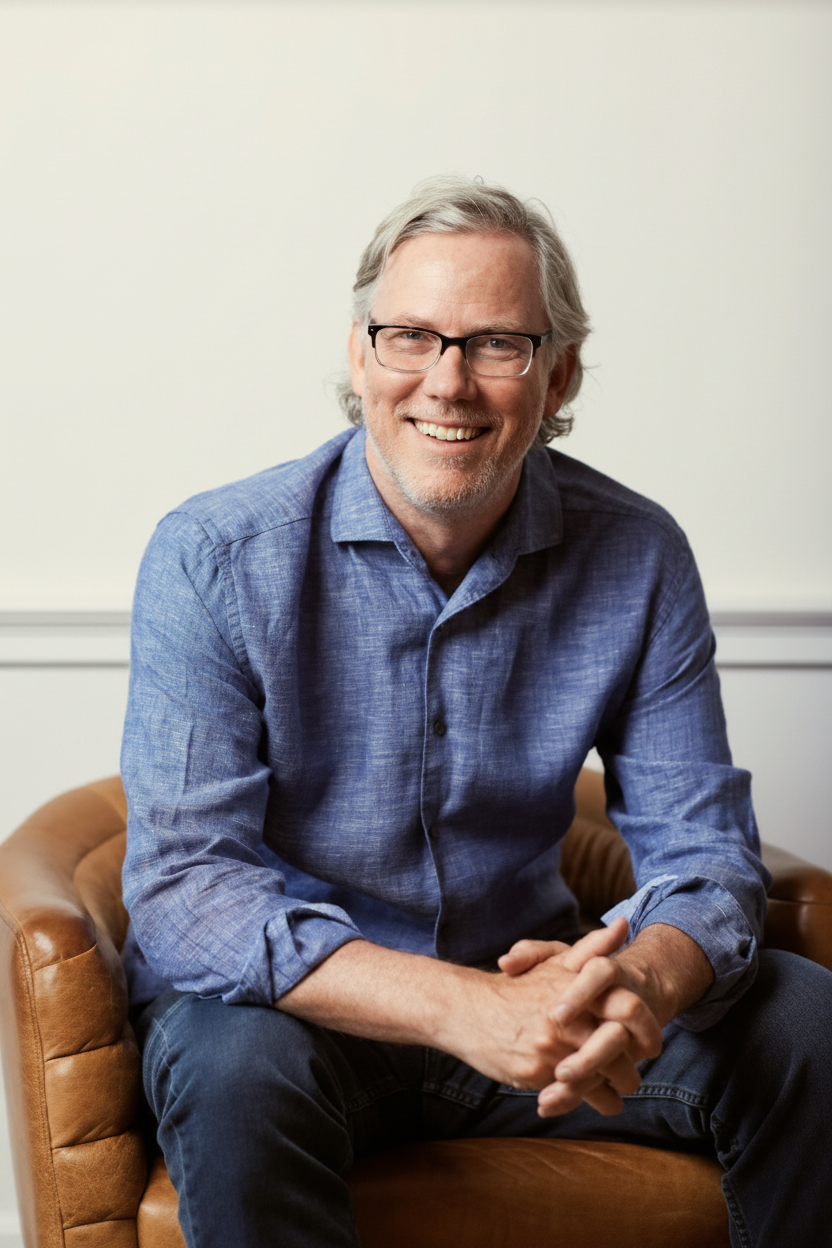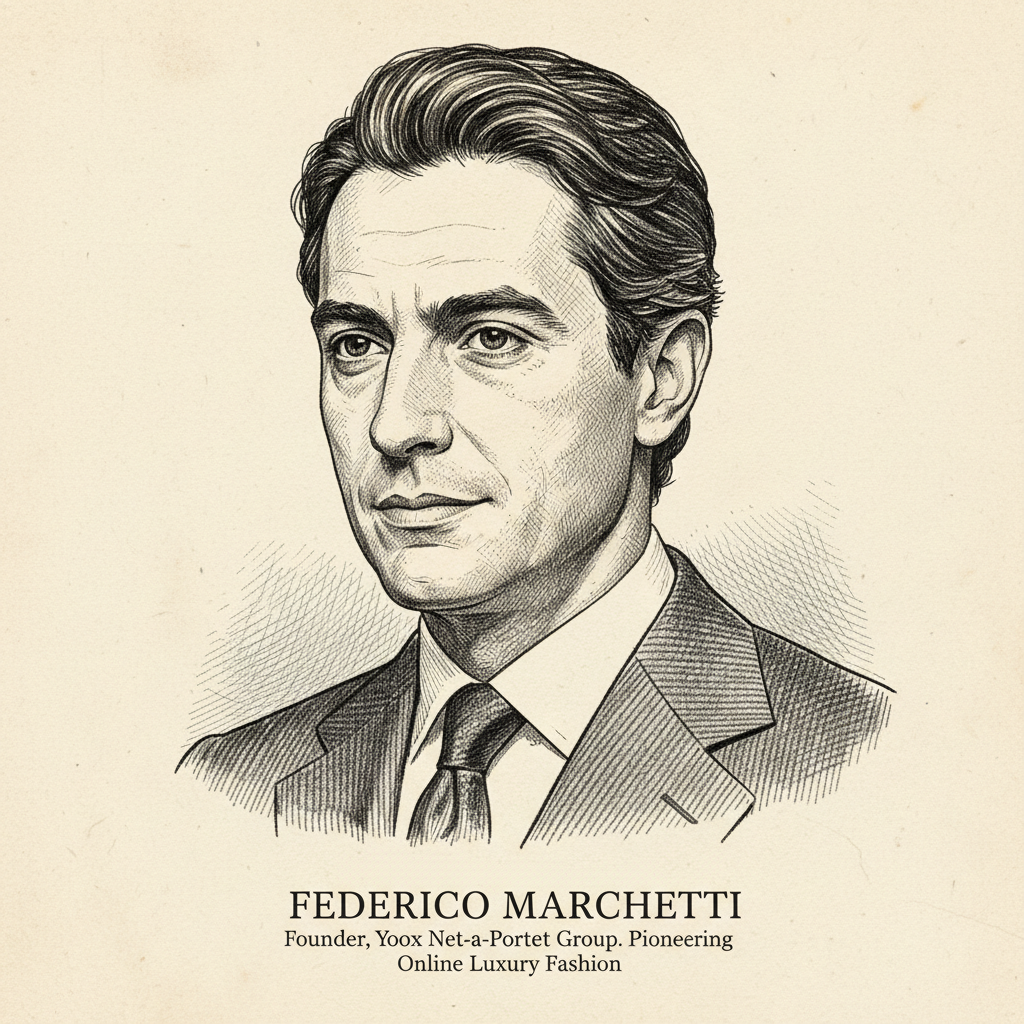
Federico Marchetti
Founder of Yoox Net-a-Porter Group, pioneering luxury e-commerce and digital transformation.
Federico Marchetti is an Italian entrepreneur best known for founding Yoox Group in 2000, which he grew into a global leader in online luxury retail, culminating in the merger with Net-a-Porter in 2015 to form Yoox Net-a-Porter Group (YNAP). He served as CEO of YNAP until 2021 and as Chairman until 2022.
Biography
Accomplishments
- 01Founded Yoox Group in 2000, creating one of the first successful online platforms for luxury fashion.
- 02Led Yoox Group's successful IPO on the Milan Stock Exchange in 2009, validating the luxury e-commerce model.
- 03Engineered the merger between Yoox Group and Net-a-Porter in 2015, forming the world's leading online luxury fashion retailer, Yoox Net-a-Porter Group (YNAP).
- 04Pioneered the 'Powered by Yoox' model, providing crucial e-commerce infrastructure and operational support to numerous luxury brands.
- 05Successfully navigated the acquisition of YNAP by Richemont in 2018, ensuring continued growth and market leadership.
Lessons for Operators
Key Takeaways
Practical lessons distilled for operators, investors, C-levels, and capital allocators.
First-Mover Advantage in Niche Markets
Marchetti capitalized on the reluctance of established luxury brands to embrace e-commerce, creating a new distribution channel. Actionable: Analyze industries resistant to digital transformation; these often present significant first-mover opportunities for disruptive platforms.
Technology as a Core Competency
Yoox built its own technology platform and logistics infrastructure rather than relying solely on third-party solutions. Actionable: For digital-first ventures, prioritize in-house technological development to maintain control, agility, and a competitive edge, especially when unique requirements exist.
Strategic Consolidation for Scale
The Yoox-Net-a-Porter merger was a masterclass in combining strengths to achieve global leadership. Actionable: Evaluate M&A not just for cost synergies, but for market share consolidation, complementary capabilities, and enhanced competitive positioning.
Evolving Business Models
Yoox diversified from direct-to-consumer sales (outlet) to also offer B2B e-commerce solutions for brands. Actionable: Continuously assess market needs to evolve business models, potentially combining B2C with B2B services to create multiple revenue streams and deeper industry integration.
Exit Strategy and Long-Term Vision
Marchetti's tenure included taking Yoox public and later orchestrating the sale to Richemont, demonstrating a clear strategic path for value realization. Actionable: Develop a clear long-term vision, including potential exit strategies or structural changes, from inception to guide decision-making and maximize shareholder value.
Frameworks & Principles
Named frameworks and strategic principles they popularized or embodied.
Market Gap Analysis
Identifying segments within an industry that are underserved or overlooked by existing players, often due to perceived risks or traditional mindsets.
When to useApplicable when entering mature industries with new digital solutions, or when seeking to differentiate from incumbents by addressing niche demands (e.g., luxury online retail in 2000).
Platform Business Model
Creating an ecosystem that connects producers and consumers, often by providing technology, logistics, and marketing services, generating value from network effects.
When to useSuitable for businesses that can aggregate supply (e.g., luxury brands) and demand (e.g., global consumers) through a common digital interface and standardized operational processes.
Vertical Integration (Partial)
Taking control over key aspects of the supply chain or technological stack that are critical to competitive advantage, rather than outsourcing them entirely.
When to useEffective when core competencies, like proprietary e-commerce technology or specialized logistics for luxury goods, offer significant competitive differentiation and operational control.
Recent Appearances
Latest interviews, keynotes, and press from the past half year.
 youtube.com
 youtube.com
 youtube.com
 youtube.com
 youtube.com
 youtube.com
 youtube.com
 youtube.com
 youtube.com
 youtube.com
 m.youtube.com
 youtube.com
 youtube.com
 youtube.com
 youtube.com
 youtube.com
 youtube.com
 youtube.com
 youtube.com
 youtube.com
 youtube.com
 youtube.com
 youtube.com
 youtube.com
 youtube.com
 youtube.com
 youtube.com
 youtube.com
 youtube.com
 youtube.com
 m.youtube.com
 youtube.com
 youtube.com
Sources & Further Reading
Profiles, interviews, podcasts, and articles used to compile and verify this entry. Each link opens at the original publisher.
Explore Related Titans
Other figures in the archive who share Federico Marchetti's domain, geography, or era.
More in Consumer & Retail


From Italy




Contemporaries — born 1960s