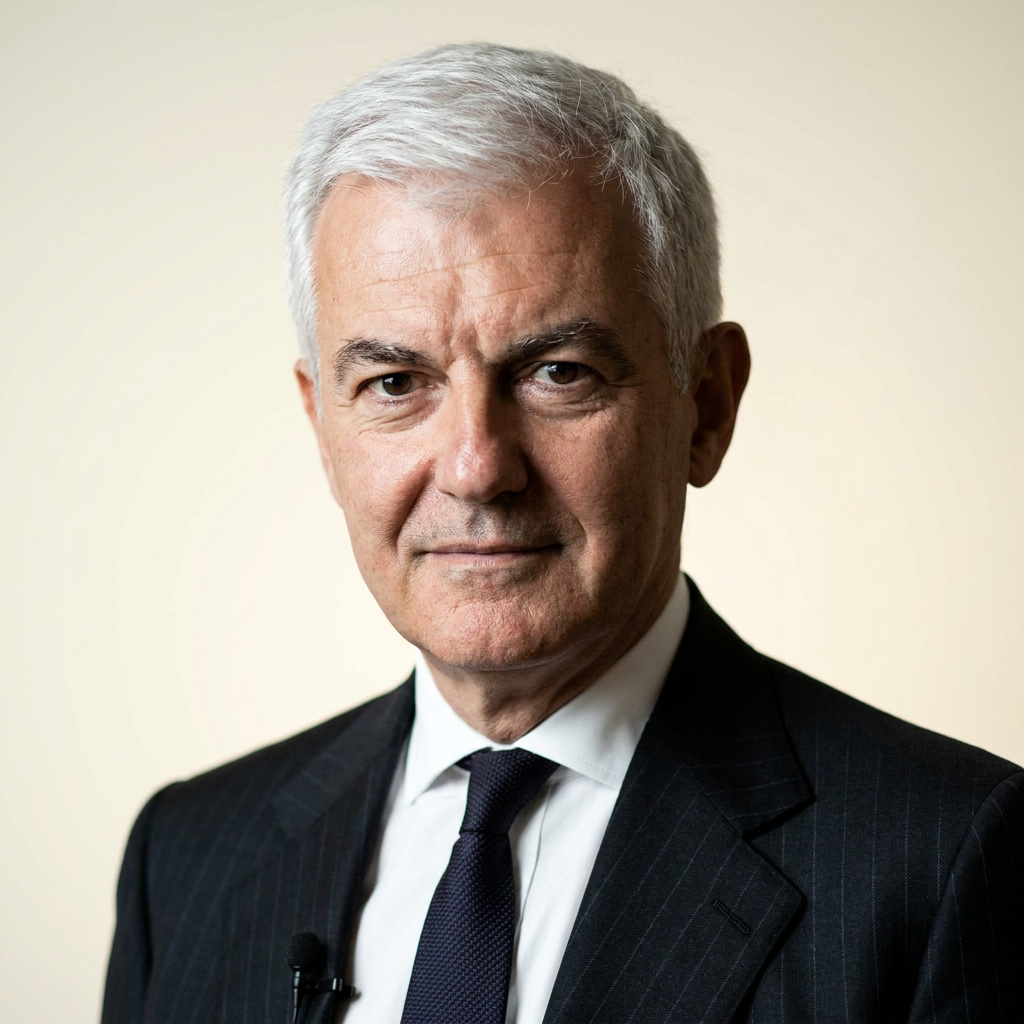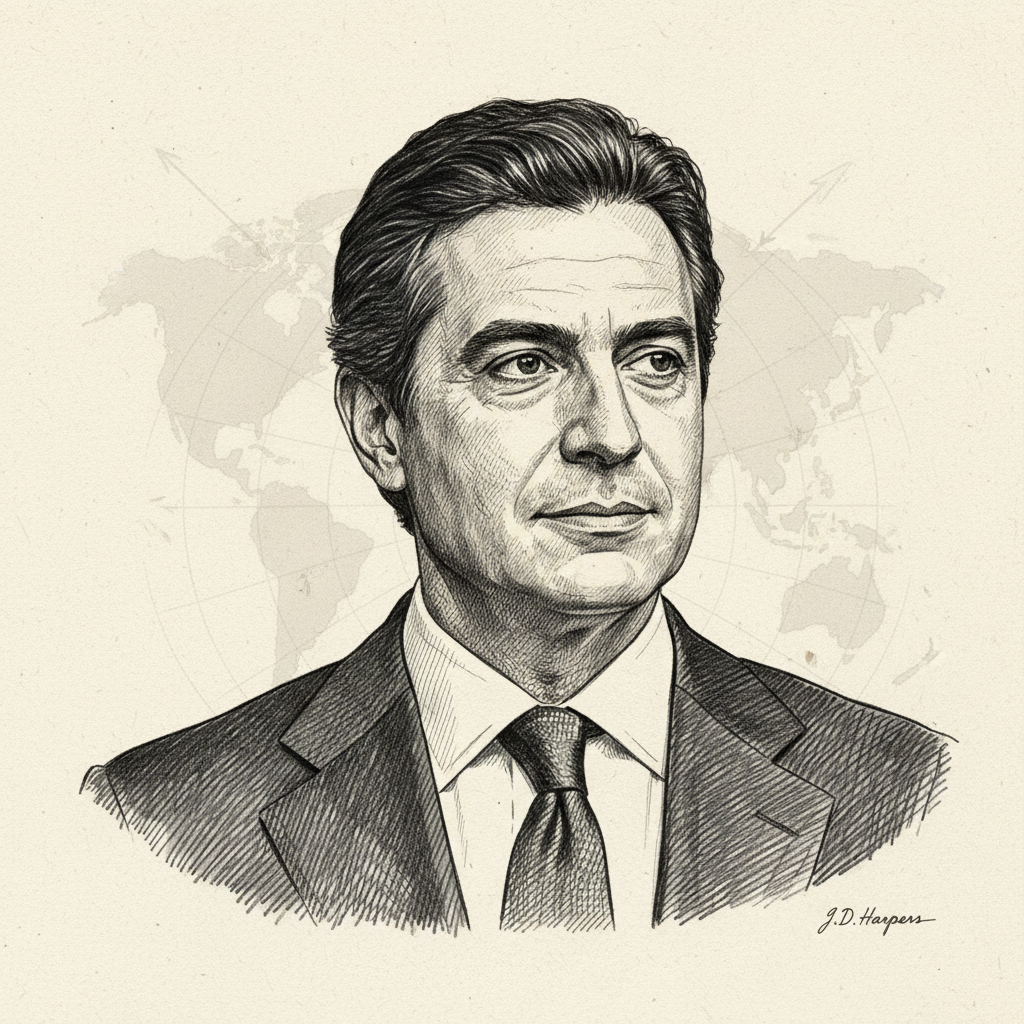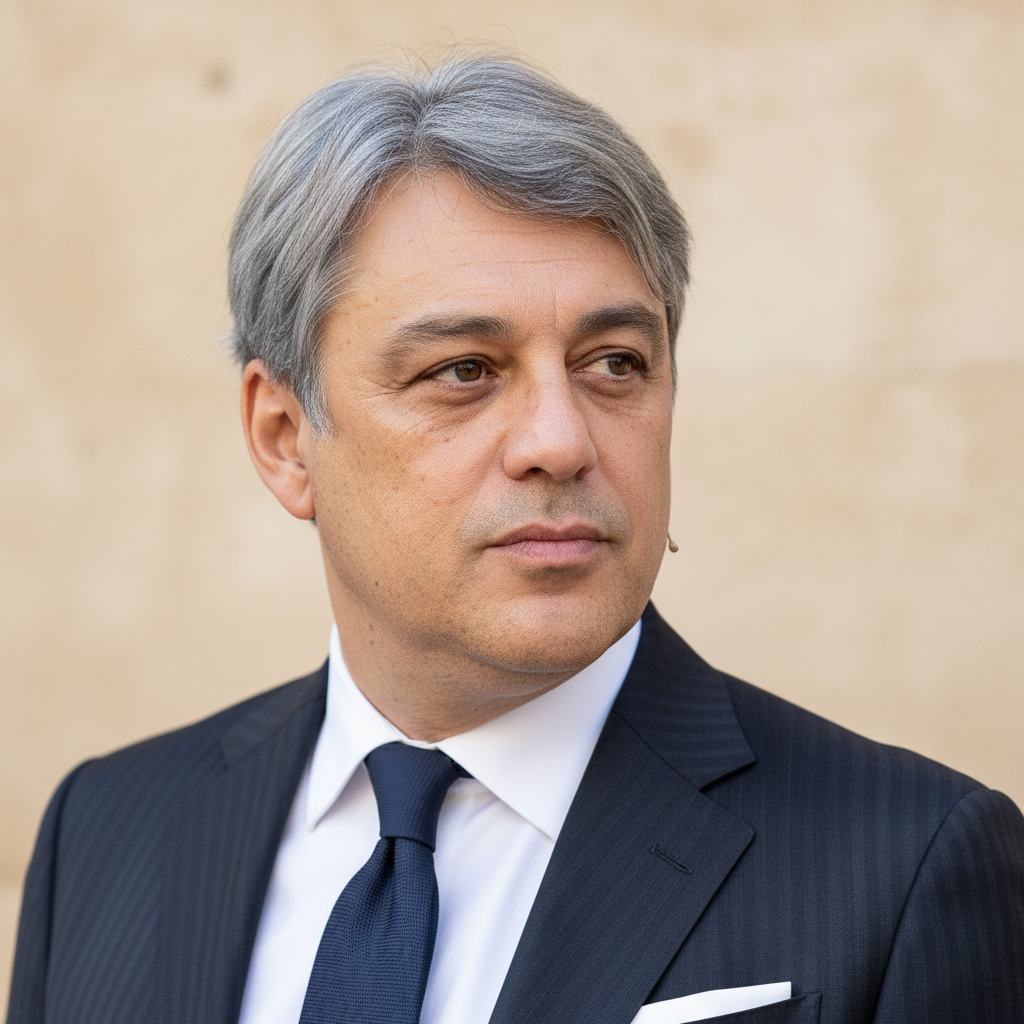
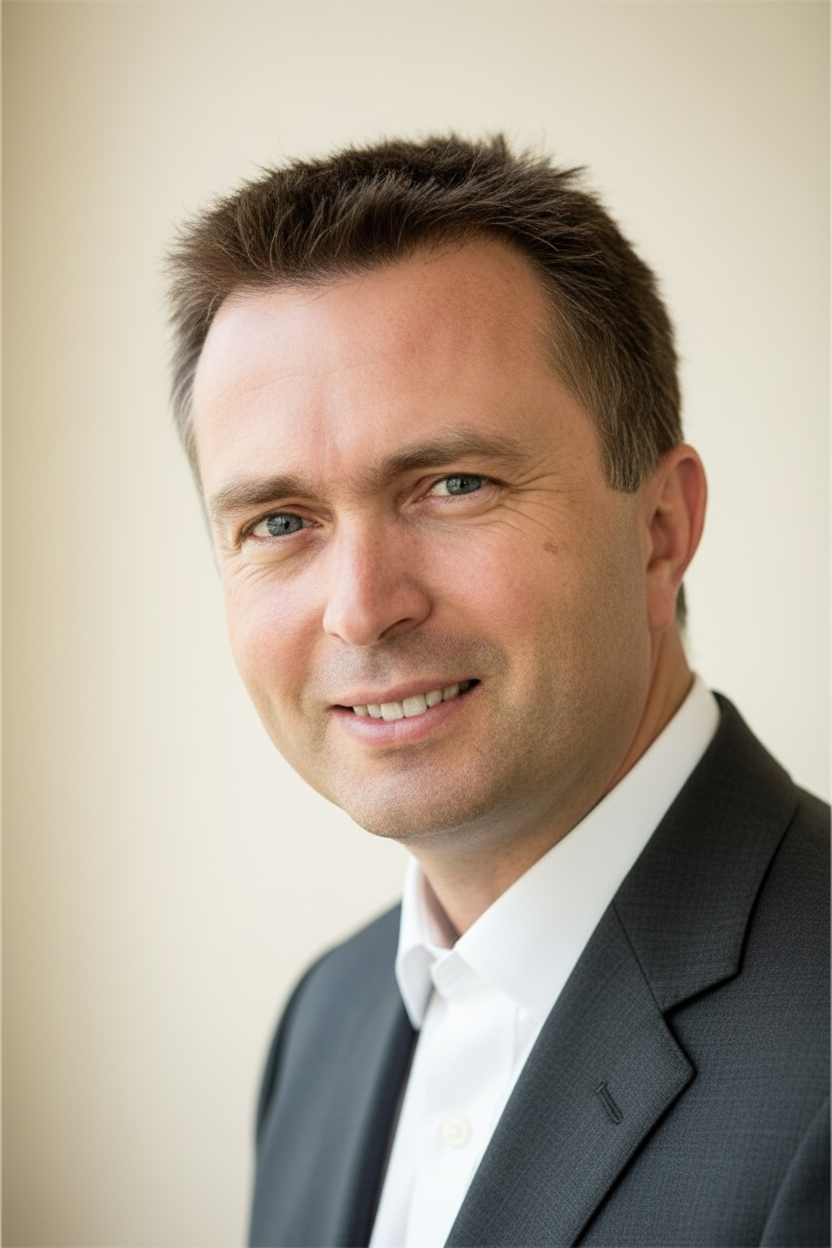
Luca de Meo
A transformational automotive and luxury sector executive known for brand revitalization and strategic pivots.
Luca de Meo is an Italian chief executive recognized for navigating complex turnaround scenarios and achieving significant brand and product portfolio transformations across the automotive and luxury industries. His career includes leadership roles at Fiat Automobiles, SEAT, Groupe Renault, and Kering.
Biography
Accomplishments
- 01Spearheaded the successful revival of the Fiat 500 (2007), transforming Fiat's brand perception and market position during his tenure as CEO of Fiat Automobiles (2004-2009).
- 02Conceptualized and launched the premium performance brand Cupra (2018) while CEO of SEAT (2015-2020), diversifying SEAT's product offering and targeting a higher-margin segment.
- 03Engineered Groupe Renault's strategic pivot towards becoming a global electric vehicle manufacturer (2020-2025), committing substantial resources to EV development and market penetration.
- 04Led Kering as CEO starting in 2025, bringing his brand revitalization and strategic management acumen from the automotive sector to luxury goods.
- 05Implemented significant brand portfolio restructuring at Groupe Renault, including the 'Renaulution' plan, focusing on value over volume and streamlining operations (2021).
- 06Successfully navigated complex organizational challenges and market shifts, consistently delivering tangible results in brand resuscitation and financial performance across diverse corporate environments.
Lessons for Operators
Key Takeaways
Practical lessons distilled for operators, investors, C-levels, and capital allocators.
Reinventing Icons
Successful rejuvenation of established brands (e.g., Fiat 500) requires a blend of historical reverence and contemporary appeal. This process involves deep market understanding and a willingness to invest significantly in design and marketing that resonates with current consumer tastes while honoring the brand's legacy.
Strategic Segmentation via Sub-Brands
Creating specialized sub-brands (e.g., Cupra within SEAT) is a potent strategy for tapping into new, often higher-margin, market segments without compromising the main brand's identity or core market. This allows for diversified product offerings and enhanced brand appeal across different customer demographics.
Bold Industry Transformation
Leading a major incumbent (Groupe Renault) through a fundamental shift towards electric vehicles demonstrates the imperative of foresight and decisive action in the face of industry paradigm shifts. Such transformations demand significant capital allocation, technological retooling, and a complete organizational buy-in.
Transferable Leadership Principles
De Meo's move to Kering illustrates that robust leadership skills in brand strategy, market positioning, and operational excellence are highly transferable across diverse industrial sectors. The core principles of understanding consumer behavior, managing brand perception, and executing strategic plans remain universal.
Focus on Value Creation
The 'Renaulution' strategy emphasized prioritizing profit margins and brand equity over sheer sales volume. This approach suggests that sustainable success for mature companies often lies in optimizing the value chain and strengthening brand perception rather than a relentless pursuit of unchecked growth.
Frameworks & Principles
Named frameworks and strategic principles they popularized or embodied.
Brand Revitalization Framework
A methodology for identifying, re-evaluating, and relaunching existing brand assets to create new market relevance and commercial success. It involves analyzing historical brand equity, identifying contemporary consumer needs, and integrating modern design, technology, and marketing strategies.
When to useApplicable when a company possesses an iconic, underutilized brand or product line that, with strategic investment, could re-enter the market successfully (e.g., Fiat 500).
Strategic Sub-Brand Development
A framework for establishing distinct product or service brands under a parent company, designed to capture specific market segments, differentiate offerings, and potentially achieve higher margins. This includes defining the sub-brand's unique identity, target audience, and market positioning.
When to useUseful when a company seeks to expand into new market niches, offer a premium variant, or diversify its portfolio without confusing or diluting the core brand (e.g., Cupra for SEAT).
Industry Transformation & Repositioning
A strategic model for pivoting a company's core business in response to major industry disruptions (e.g., technological advancements, regulatory changes, shifting consumer preferences). It entails significant resource reallocation, new product development, and a revised market strategy.
When to useEssential for incumbents facing existential threats or unparalleled opportunities due to fundamental changes in their industry landscape (e.g., Renault's EV pivot).
Sources & Further Reading
Profiles, interviews, podcasts, and articles used to compile and verify this entry. Each link opens at the original publisher.
Explore Related Titans
Other figures in the archive who share Luca de Meo's domain, geography, or era.
More in Transportation & Logistics




From Italy