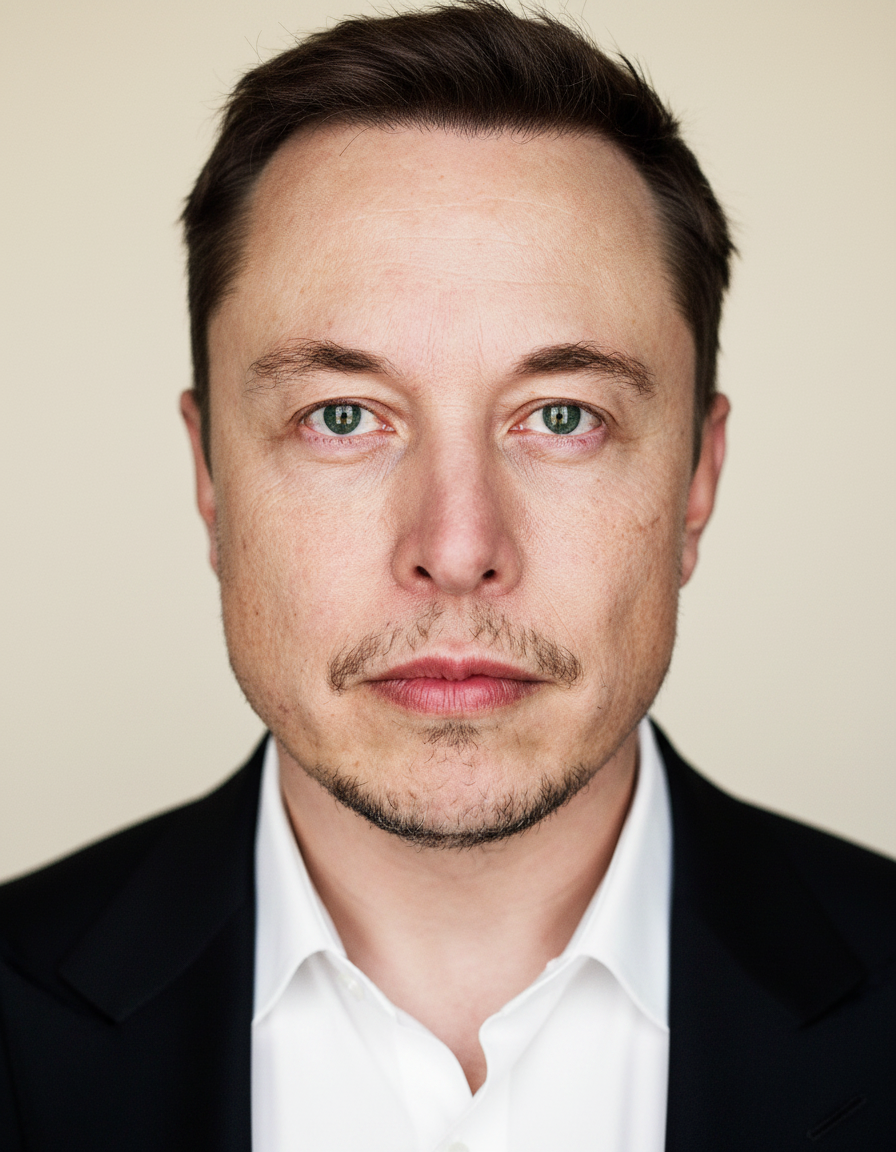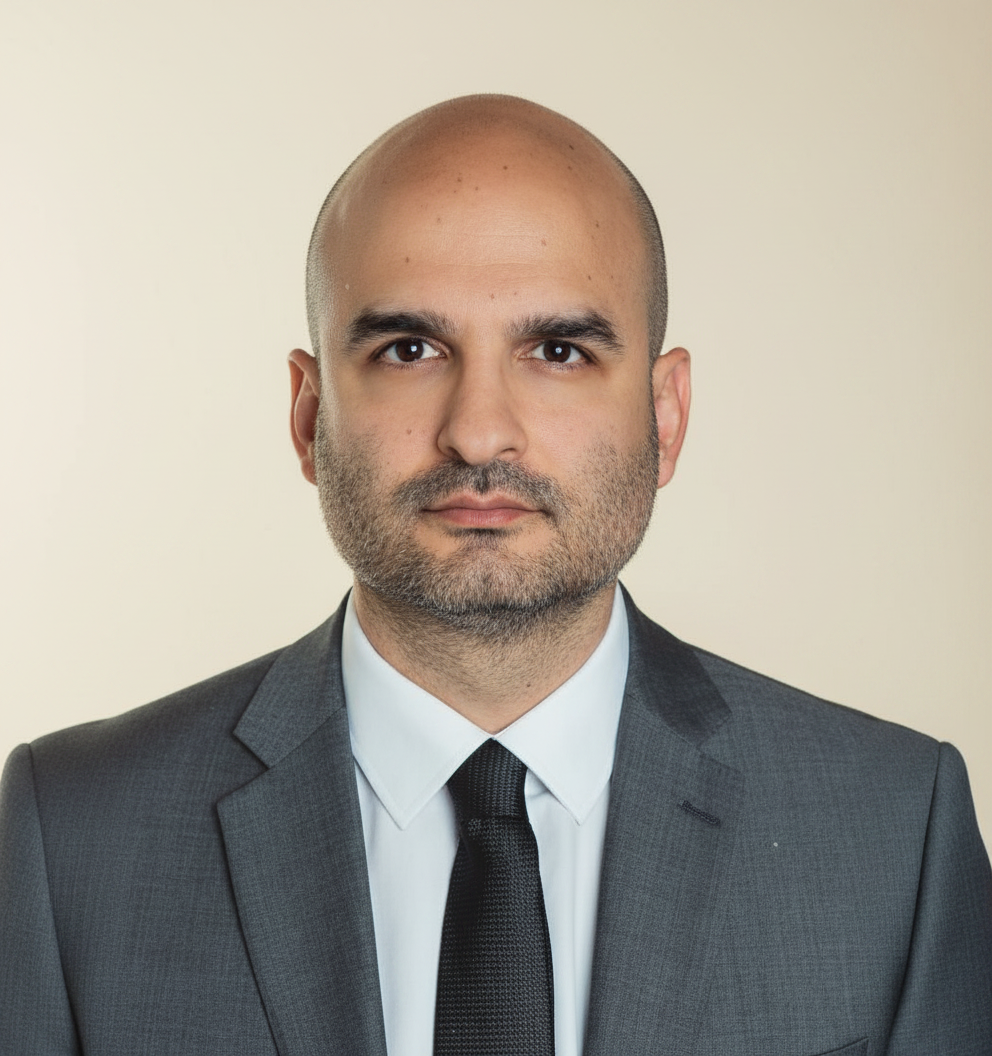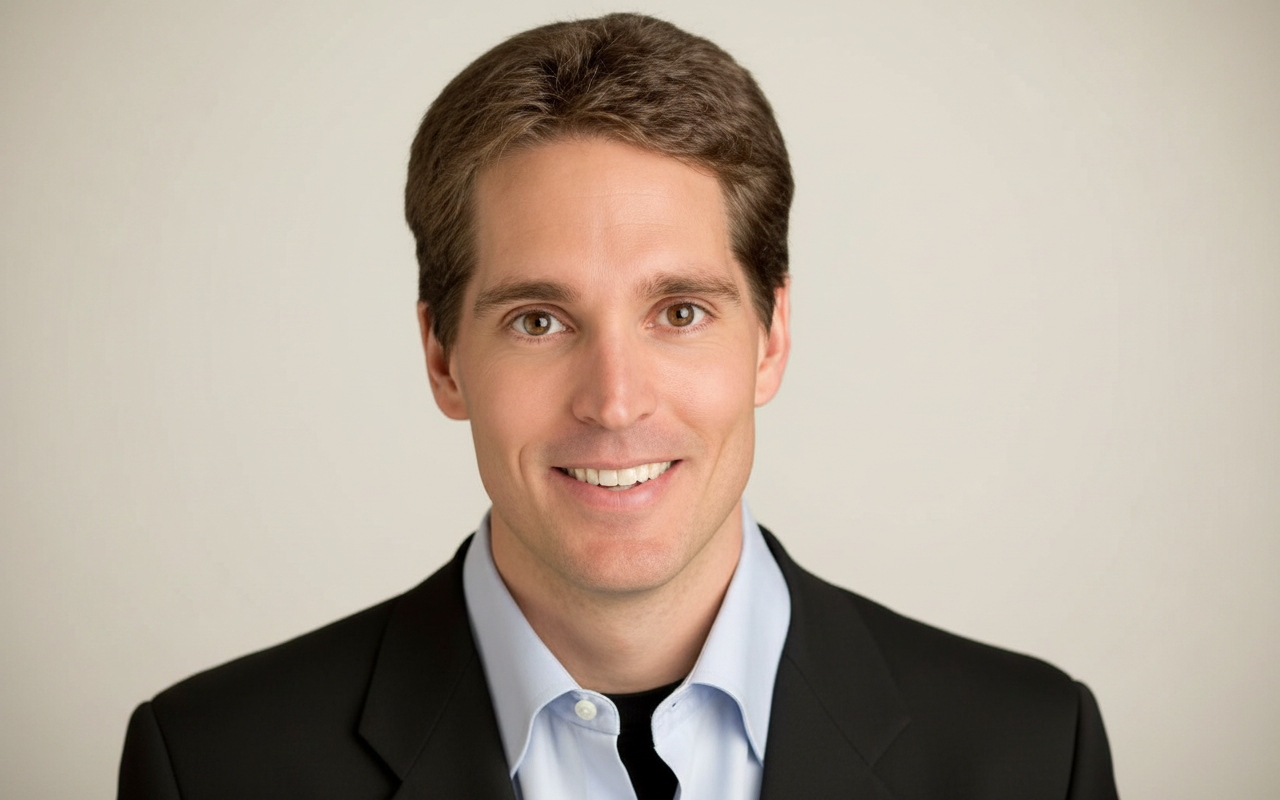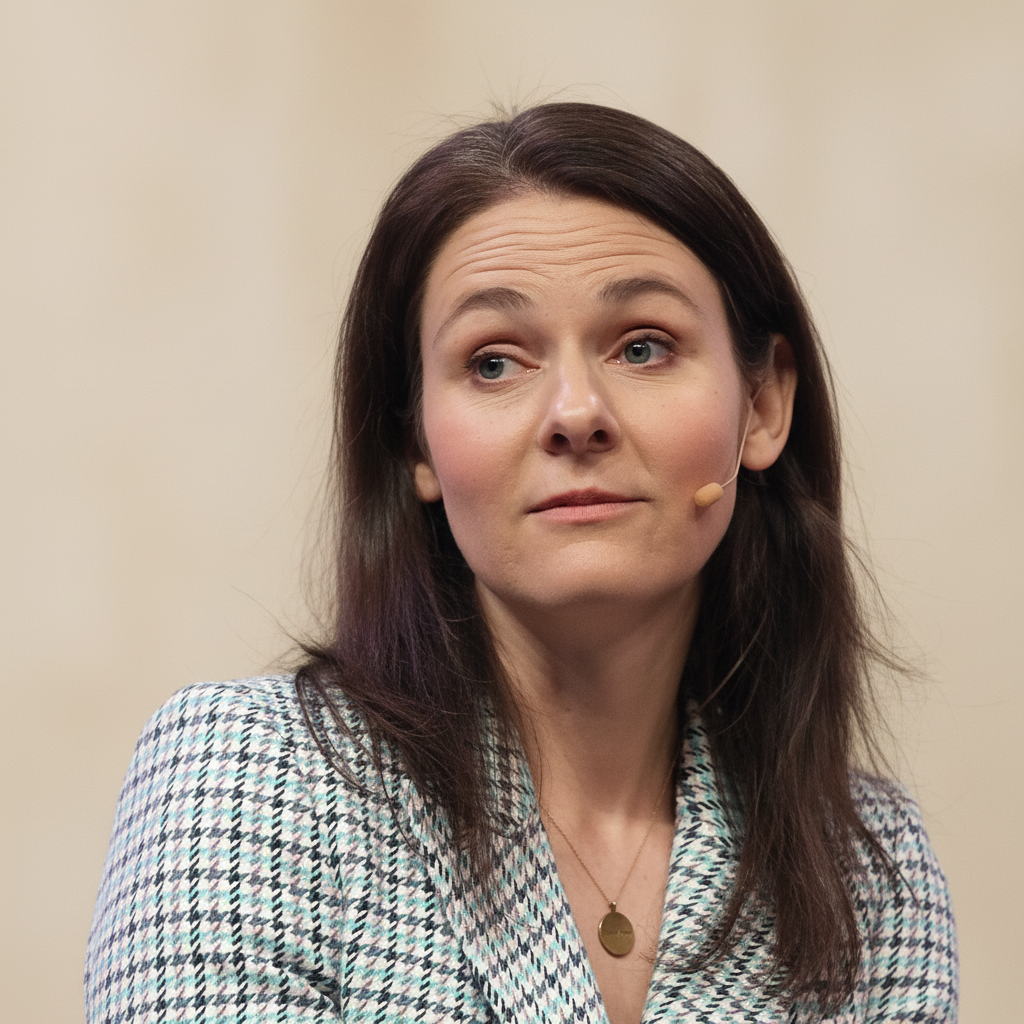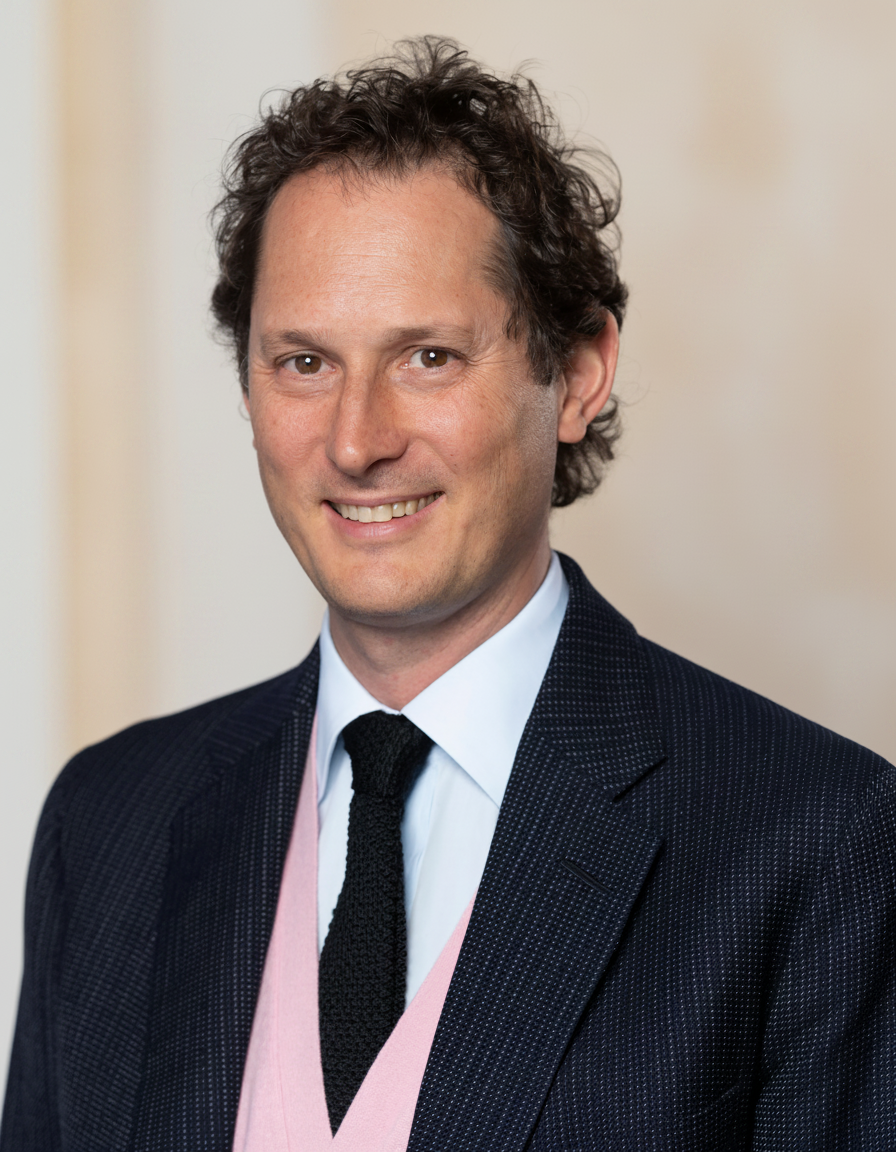
John Elkann
Architect of Modern Stellantis and Ferrari, John Elkann is a generational capital allocator and scion who transformed legacy industrial holdings into diversified global powerhouses through strategic mergers, divestitures, and luxury brand cultivation.
John Elkann is the Chairman and CEO of Exor N.V., the diversified holding company controlled by the Agnelli family. He also serves as Chairman of Stellantis and Ferrari. Grandson of Gianni Agnelli, he assumed leadership roles in the family enterprises, systematically restructuring and expanding their industrial and luxury portfolios.
Biography
Accomplishments
- 01Orchestrated the merger of Fiat S.p.A. and Chrysler Group LLC to form Fiat Chrysler Automobiles (FCA) between 2009-2014, saving Chrysler from bankruptcy and creating a transatlantic automotive major.
- 02Successfully spun off Ferrari from FCA in 2016, unlocking significant shareholder value and establishing Ferrari as an independent luxury brand listed on the NYSE and Milan Stock Exchange.
- 03Engineered the 2021 merger of Fiat Chrysler Automobiles and PSA Group, forming Stellantis, the world's fourth-largest automaker by volume, creating substantial synergies and market leverage.
- 04Diversified Exor N.V.'s portfolio beyond automotive, acquiring significant stakes in global companies like PartnerRe (reinsurance, 2016), Philips (healthcare technology, 2021), and expanding into luxury with Christian Louboutin and Shang Xia.
- 05Led Exor to achieve a Net Asset Value (NAV) of over 36 billion Euros by 2023, showcasing sustained capital appreciation and strategic investment prowess over more than a decade.
- 06Initiated and oversaw the successful restructuring of Juventus Football Club, transforming its financial and operational model.
Lessons for Operators
Key Takeaways
Practical lessons distilled for operators, investors, C-levels, and capital allocators.
Portfolio Optimization Through Deconsolidation and Consolidation
Elkann's approach to the automotive sector involved both aggressive consolidation (Fiat-Chrysler, FCA-PSA) and strategic deconsolidation (Ferrari spin-off). This shows that there isn't a one-size-fits-all strategy; the optimal structure depends on market conditions, brand value, and potential for synergy vs. independent growth. Lesson: Continuously evaluate your portfolio for opportunities to unlock value through structural changes.
Holder's Advantage in M&A
Exor, as a long-term holder, has the patience and capital to execute complex, multi-year M&A strategies that purely financial players might avoid. The integration of Chrysler and subsequent merger with PSA were not quick wins but rather deliberate, value-accretive endeavors. Lesson: Patience and a strong balance sheet allow for more transformative and ultimately more rewarding M&A.
Owner-Operator Mentality for Capital Allocators
Elkann's background working in factory floors and finance departments, combined with his family's long-term ownership, cultivates an 'owner-operator' mindset for capital allocation. This translates to a deep understanding of operational realities alongside financial strategy. Lesson: Capital allocators should seek to understand the operational nuances of their investments, not just the financial models.
Strategic Alliances for Global Reach
The mergers creating FCA and Stellantis were critical for achieving global scale and competitiveness, particularly against larger rivals in Asia and Europe. This highlights the importance of strategic alliances and cross-border M&A in industries requiring significant R&D and manufacturing investment. Lesson: Form strategic alliances and consider M&A to achieve necessary scale for global competition.
Redefining Family Business Legacy
Elkann has redefined the Agnelli family's legacy from a pure automotive empire to a modern, diversified holding company. This involved letting go of sentimental attachments to certain assets while embracing new growth areas. Lesson: Family businesses must be willing to redefine their core identity and portfolio to ensure long-term relevance and prosperity across generations.
Frameworks & Principles
Named frameworks and strategic principles they popularized or embodied.
Portfolio Reconstitution Model
A systematic approach to evaluating a diversified portfolio, identifying core assets, underperforming units, and new growth opportunities. It involves critical decisions to acquire, divest, merge, or spin off entities to optimize overall portfolio value and strategic direction.
When to useApplicable for holding companies, private equity firms, or diversified conglomerates facing market shifts, seeking to enhance shareholder value, or streamline operations. Used by Elkann for Fiat Chrysler, Ferrari, and Exor's broader portfolio.
Brand Value Monetization Strategy
Focuses on identifying unique, high-equity brands within a larger corporate structure and strategizing their independent growth or spin-off to unlock specific valuation premiums that might be obscured within a conglomerate discount.
When to useWhen a company possesses a renowned sub-brand that commands significantly higher multiples than its parent company or peers, and spinning it off can create distinct pure-play investment opportunities. Exemplified by the Ferrari spin-off.
Mega-Merger Synergy Realization
A framework for planning, executing, and integrating large-scale mergers designed to achieve significant cost reductions, scale efficiencies, and market power. It emphasizes meticulous pre-merger planning for synergy identification and post-merger integration to capture value.
When to useWhen industries are consolidating, requiring substantial scale to compete effectively, or when combining two large entities promises quantifiable operational and financial synergies. Demonstrated by the Fiat Chrysler-PSA (Stellantis) merger.
Sources & Further Reading
Profiles, interviews, podcasts, and articles used to compile and verify this entry. Each link opens at the original publisher.
Explore Related Titans
Other figures in the archive who share John Elkann's domain, geography, or era.
More in Finance & Investing
From Italy
Contemporaries — born 1970s