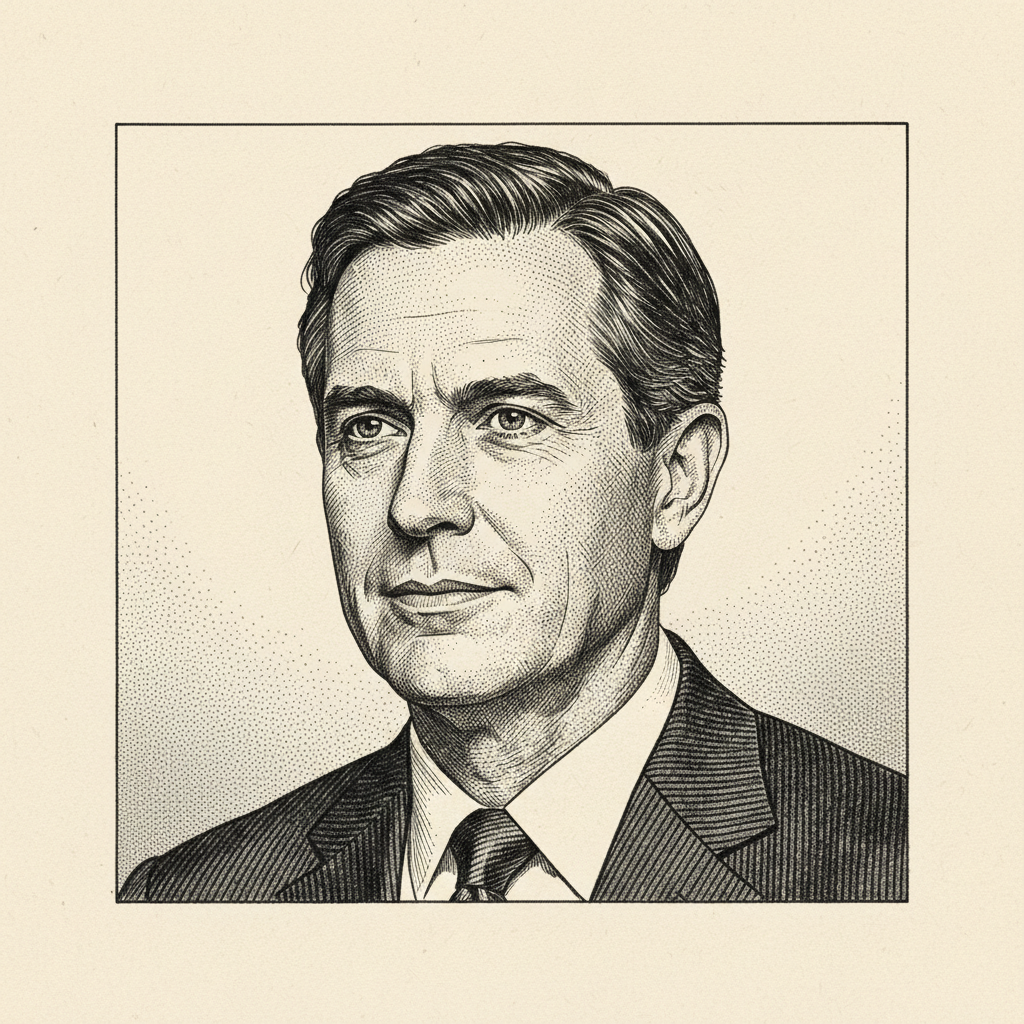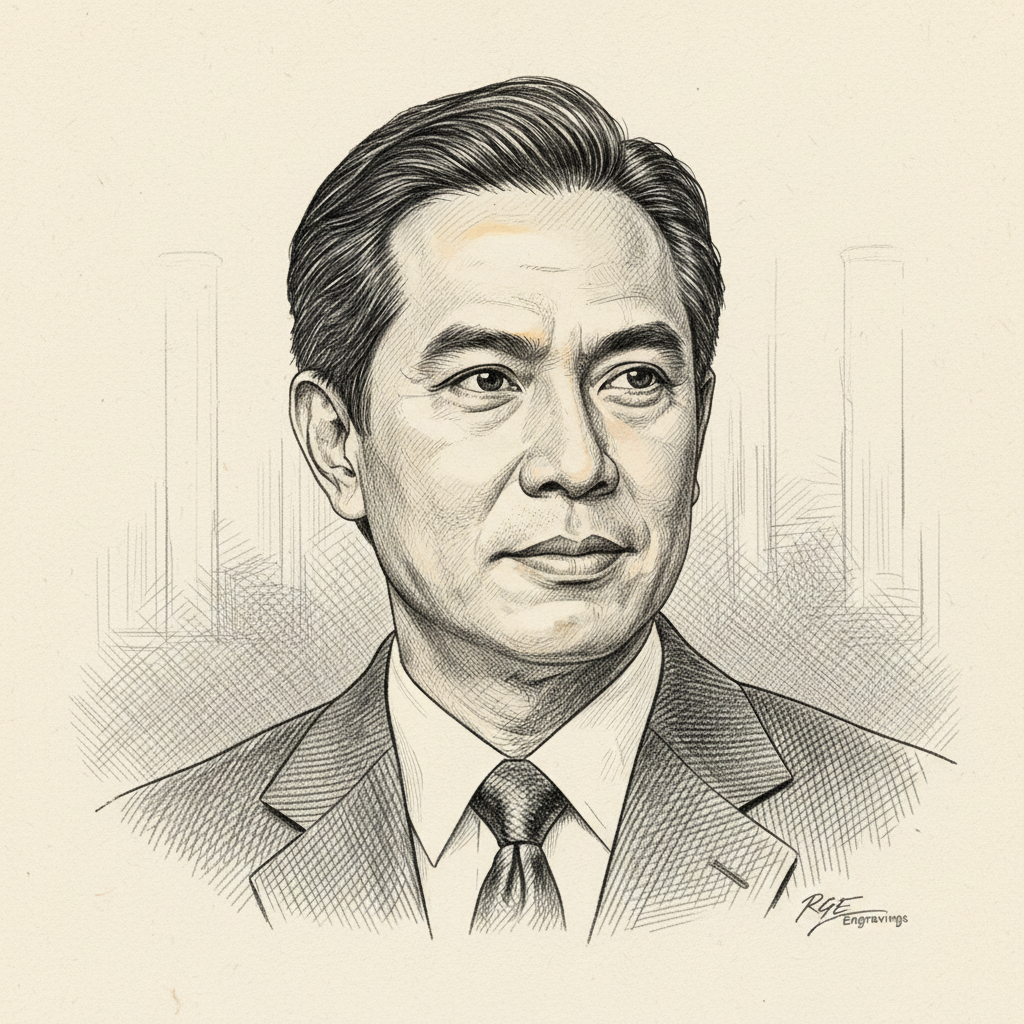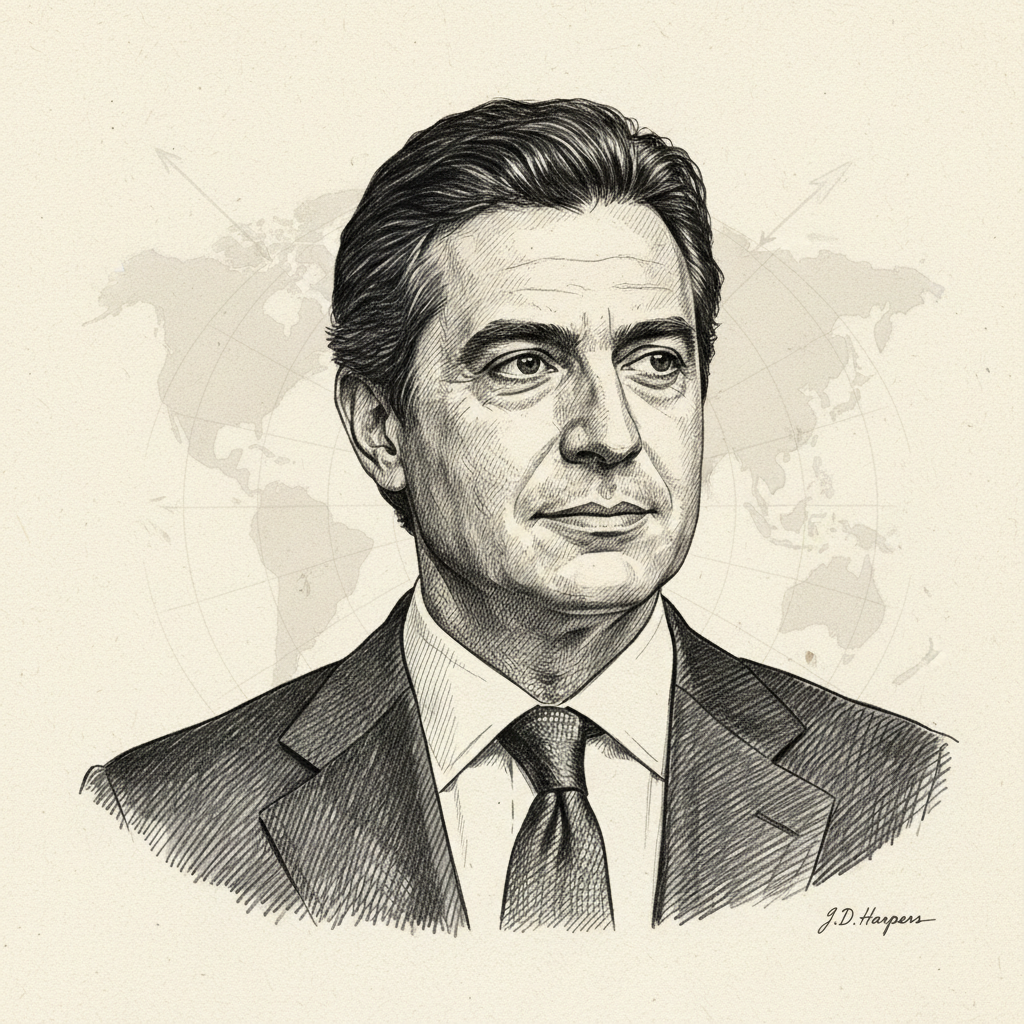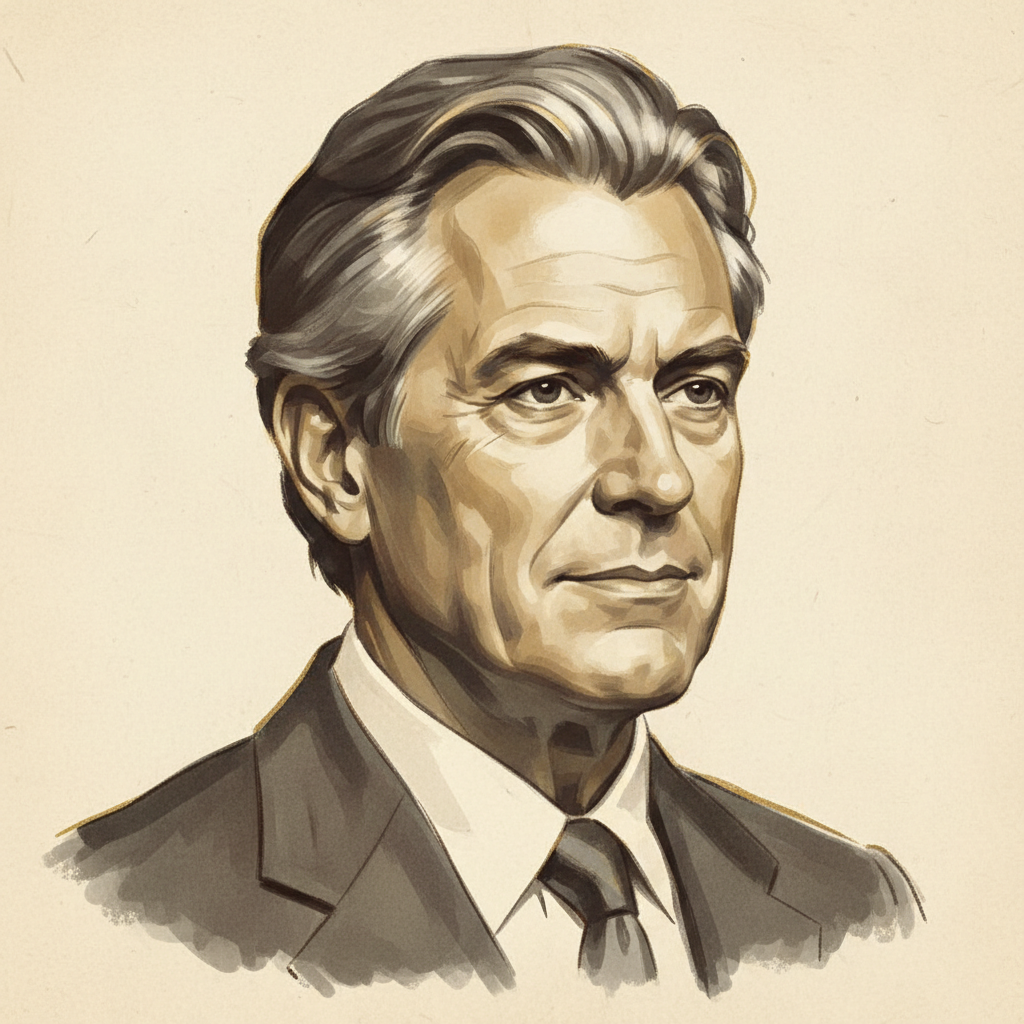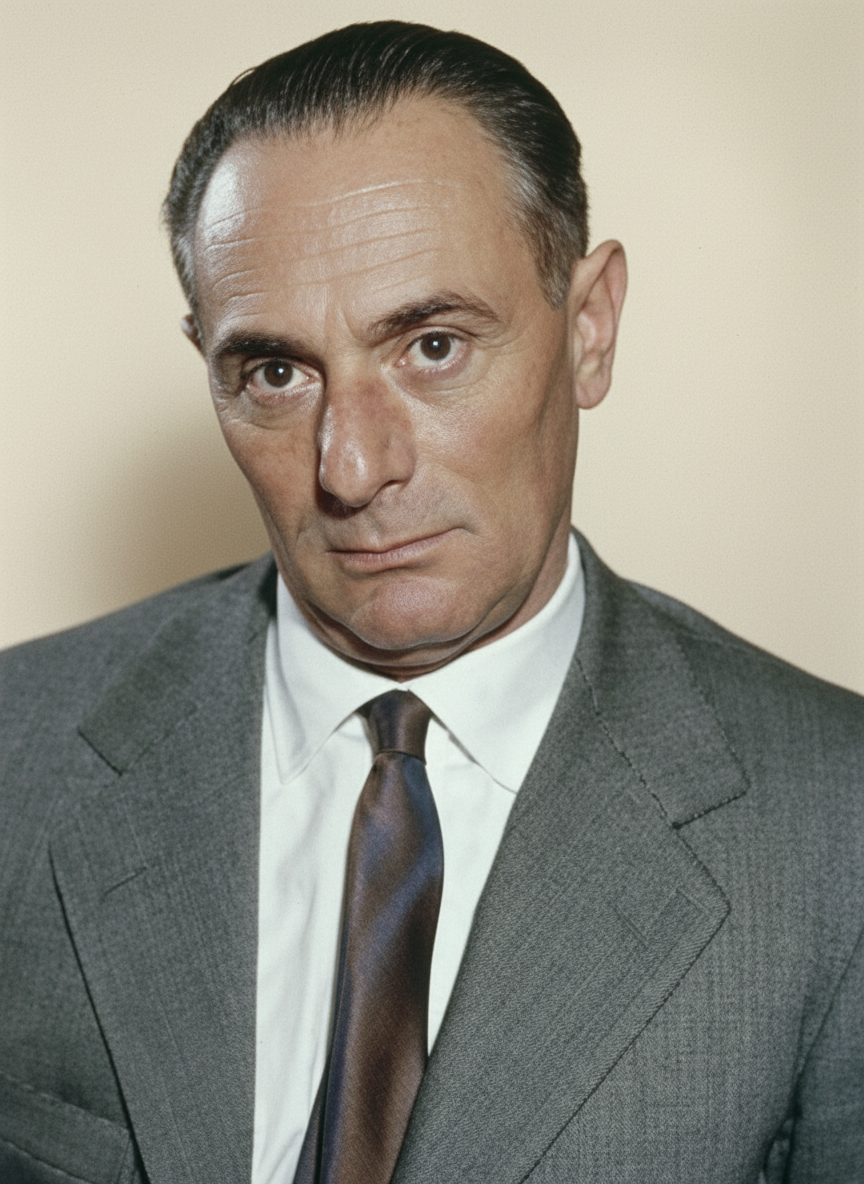
Portrait of Enrico Mattei
Historical Mind · 1906 — 1962

Enrico Mattei

State-capitalist strategist who broke the Anglo-American oil cartel through structural profit-sharing and bilateral diplomacy.

Country
Italy
Continent
Europe
Industry
Energy & Petrochemicals
Role
Founder & Executive Chairman, ENI (Ente Nazionale Idrocarburi)

Enrico Mattei transformed post-WWII Italy from an energy-starved state into an industrial powerhouse. Appointed in 1945 to liquidate the state-owned oil firm AGIP, he defied government orders, expanded domestic drilling, and discovered massive natural gas reserves in the Po Valley. In 1953, he founded ENI, integrating Italy's energy supply chain. Mattei famously coined the term 'Seven Sisters' to describe the Western oil oligopoly and dismantled their standard 50-50 concession model by offering host nations up to 75% of profits. His aggressive international deals with Iran, Egypt, and the Soviet Union reshaped twentieth-century energy geopolitics until his death in a suspicious 1962 plane crash.

Biography

Born in Acqualagna, Enrico Mattei began his career in the private sector, successfully establishing a chemical manufacturing business in Milan in the 1930s. During World War II, he emerged as a key military organizer of the Catholic wing of the Italian anti-fascist resistance. In 1945, the post-war Italian transitional government appointed Mattei as extraordinary commissioner of the Agenzia Generale Italiana Petroli (AGIP) with explicit instructions to liquidate its insolvent assets. Mattei quickly recognized that low-cost domestic energy was the single prerequisite for Italy's industrial recovery. Defying political mandates to dismantle AGIP, he accelerated drilling in the Po Valley, striking major natural gas reserves at Caviaga in 1946 and Cortemaggiore in 1949.\n\nMattei utilized these discoveries to lobby the Italian parliament, engineering the establishment of Ente Nazionale Idrocarburi (ENI) in February 1953 as an integrated state holding company with a statutory monopoly over Po Valley hydrocarbons. He immediately expanded vertically into natural gas transport (SNAM), chemical fertilizers and synthetic rubber (ANIC), engineering (Saipem), and highway infrastructure and retail distribution (AGIP). To circumvent international oil majors—whom he dubbed the 'Seven Sisters'—Mattei established direct commercial relationships with newly sovereign nations across North Africa and the Middle East.\n\nIn 1957, Mattei revolutionized international oil economics through the landmark SIRIP joint venture with the National Iranian Oil Company (NIOC). By forming a 50/50 joint enterprise where the sovereign entity collected a standard 50% tax plus half of the operating company's remaining profits, Mattei granted the host nation an effective 75% profit share, invalidating the exploitative 50-50 concession structure that had anchored Western oil dominance. He applied this model across Egypt, Morocco, and Sudan, while quietly offering technical and diplomatic backing to Algeria's Front de Libération Nationale (FLN).\n\nIn 1960, at the height of the Cold War, Mattei bypassed Western embargoes by executing a massive barter transaction with the Soviet state trading monopoly Soyuznefteexport: importing discounted Urals crude in exchange for synthetic rubber, diesel engines, and heavy steel linepipe produced by state-owned Finsider. This move cemented ENI's cost leadership in Southern European refining while triggering intense hostility from Washington, London, and the major multinational oil firms. On October 27, 1962, Mattei died when his private twin-engine plane crashed near Bascapè on approach to Milan-Linate. Subsequent judicial inquiries in the 1990s and 2000s confirmed the presence of explosives in the aircraft's landing gear bay, verifying long-held suspicions of assassination.

Accomplishments

  • 01Defied liquidation orders as Extraordinary Commissioner of AGIP in 1945, secretly funding exploration that discovered critical commercial gas fields at Caviaga (1946) and Cortemaggiore (1949).
  • 02Conceptualized and lobbied the passage of the 1953 Italian law creating ENI, securing exclusive exploration and transport monopolies over the Po Valley basin.
  • 03Broke the Anglo-American cartel's concession standard via the 1957 SIRIP agreement in Iran, introducing the '75-25 formula' that awarded the host sovereign 75% total profit capture.
  • 04Negotiated the historic 1960 Soviet-Italian oil agreement with Soyuznefteexport, securing reliable, cheap crude imports in exchange for industrial steel pipe and machinery, which lowered Italian domestic energy costs by roughly 30%.
  • 05Constructed an end-to-end vertically integrated enterprise spanning upstream exploration, pipeline transit (SNAM), refining, highway service stations, petrochemicals (ANIC), and industrial engineering (Saipem).
  • 06Pioneered commercial support and institutional energy partnerships with anti-colonial and newly sovereign governments in Algeria, Egypt, Morocco, and Libya before formal European decolonization was complete.

Lessons for Operators

Oligopolies can be breached by redesigning the incentive structure for resource owners rather than attempting to outbid incumbents on their terms.
Strategic disobedience of a principal's mandate is justified if asymmetric capital appreciation or existential sovereign value can be unlocked through bold operational action.
Vertical integration allows enterprise leaders to capture margins across downstream conversion (chemicals, fuel retail, logistics) when upstream supply is constrained or volatile.
Barter arrangements and sovereign industrial off-take deals can sidestep foreign-exchange scarcity and international banking friction during supply-chain bottlenecks.
Commercial operators who align with emerging macro-shifts (such as decolonization or sovereign resource nationalism) gain first-mover proprietary deal flow ahead of incumbent players.
The Operator's Playbook

Key Takeaways

Practical lessons distilled for operators, investors, C-levels, and capital allocators.

Lesson 01

The Mattei Formula (75-25 Model)

Mattei unbundled traditional colonial concessions by establishing an equity joint venture between the international operator and the host national oil company. The host state levied a 50% income tax on revenue, and then shared the remaining 50% net income equally via equity ownership, delivering an aggregate 75% financial take to the host sovereign.

Lesson 02

Industrial Counter-Trade Architecture

Faced with hard currency shortages and a cartel-enforced crude boycott, Mattei used industrial barter: trading domestic industrial outputs (Finsider steel pipes and ANIC synthetic rubber) directly for Soviet Urals crude, insulating Italian foreign exchange reserves while optimizing state factory utilization.

Lesson 03

Downstream Moat Expansion

To guarantee off-take for non-standardized feedstocks, Mattei integrated ENI into modern retail (Agip service stations, clean restrooms, and the iconic six-legged dog branding) and high-margin petrochemical derivatives via ANIC, capturing end-consumer loyalty and industrial margins.

Lesson 04

Geopolitical Arbitrage as Procurement Strategy

Rather than relying on allied diplomatic protection, Mattei engaged non-aligned and revolutionary movements directly, converting political sympathy into exclusive petroleum concessions and long-term state-to-state supply stability.

Mental Models

Frameworks & Principles

Named frameworks and strategic principles they popularized or embodied.

01

The Cartel Wedge Framework

A strategic methodology for market entrants confronting collusive or consolidated legacy incumbent groups: 1) Identify the core structural pain point of the upstream supplier or host entity (e.g., lack of sovereignty, minimal equity, low local skill transfer). 2) Introduce an alternative contract vehicle that unbundles equity from concession and provides operational co-management. 3) Accept lower net margins per unit of output in exchange for volume, direct resource access, and long-term sovereign alignment.

When to useWhen entering highly consolidated markets controlled by incumbent cartels or closed vendor ecosystems that under-compensate upstream asset owners.

02

State-Enterprise Closed-Loop Ecosystem

An operational model where low-cost foundational commodities (such as natural gas or crude) are extracted at municipal cost, transported via captive logistics networks (pipelines), converted into higher-margin industrial inputs (fertilizers, plastics, synthetic rubber) to feed domestic industrialization, and finally distributed through a standardized, branded consumer retail infrastructure.

When to useWhen engineering heavy industrial turnarounds, executing state-sponsored national industrial policies, or establishing vertically integrated supply security in resource-constrained environments.

Citations

Sources & Further Reading

Profiles, interviews, podcasts, and articles used to compile and verify this entry. Each link opens at the original publisher.

Adjacent Minds

Explore Related Titans

Other figures in the archive who share Enrico Mattei's domain, geography, or era.

Energy & Resources

More in Energy & Resources

Browse all →
Portrait of Andrew Carnegie
UNITED STATES / STEEL & MANUFACTURING
Andrew Carnegie
The architect of American steel supremacy and a pioneering industrialist whose innovations in cost control and vertical integration reshaped global manufacturing.
Portrait of Thomas Edison
UNITED STATES / INDUSTRIAL & ENERGY
Thomas Edison
The Prolific Inventor and Industrialist Who Electrified the World and Standardized Innovation.
Portrait of John D. Rockefeller
UNITED STATES / OIL & ENERGY
John D. Rockefeller
Architect of Standard Oil: Pioneering Vertical and Horizontal Integration in the Petroleum Industry.
Portrait of Mansa Musa
MALI / GOVERNMENT / TRADE / MINING
Mansa Musa
The African Emperor who redefined wealth, diplomacy, and global trade routes, demonstrating the power of strategic resource management and international influence.
Portrait of Wael Sawan
LEBANON / ENERGY
Wael Sawan
Wael Sawan: Steering Shell through the energy transition, balancing traditional energy demands with strategic decarbonization.
Portrait of Kimin Tanoto
INDONESIA / RESOURCE-BASED MANUFACTURING (PULP, PAPER, PALM OIL, SPECIALTY CELLULOSE, ENERGY)
Kimin Tanoto
Second-generation leader driving expansion and sustainability initiatives within a diversified resource-based manufacturing conglomerate.
Portrait of Folorunsho Alakija
NIGERIA / DIVERSIFIED (OIL & GAS, FASHION, PRINTING, REAL ESTATE)
Folorunsho Alakija
From Secretarial Science to Oil & Gas Magnate: A Blueprint for Diversified Conglomerate Leadership.
Portrait of Mike Wirth
UNITED STATES / OIL & GAS, ENERGY TRANSITION
Mike Wirth
A chemical engineer at the helm of a supermajor, navigating energy security, profitability, and decarbonization through strategic capital allocation and technological integration.
Portrait of Sukanto Tanoto
INDONESIA / RESOURCE-BASED MANUFACTURING (PULP AND PAPER, PALM OIL, SPECIALTY CELLULOSE, VISCOSE)
Sukanto Tanoto
From commodity trader to global resource-based manufacturing magnate, Sukanto Tanoto built a vertically integrated empire.
Portrait of Lynn Good
UNITED STATES / UTILITIES
Lynn Good
A transformational leader in the utilities sector, navigating Duke Energy through significant energy transition and regulatory complexities.
Italy

From Italy

Browse all →
Portrait of Cosimo de' Medici
ITALY / BANKING, FINANCE, STATESMANSHIP
Cosimo de' Medici
The architect of Medici power, leveraging finance and cultural patronage to establish a dynastic legacy.
Portrait of Giovanni di Bicci de' Medici
ITALY / BANKING AND FINANCE
Giovanni di Bicci de' Medici
The silent architect of Florence's financial supremacy and the Medici dynasty.
Portrait of Leonardo Del Vecchio
ITALY / EYEWEAR, MANUFACTURING, RETAIL
Leonardo Del Vecchio
The architect of the vertical integration strategy that transformed the global eyewear industry.
Portrait of Federico Marchetti
ITALY / LUXURY E-COMMERCE
Federico Marchetti
Founder of Yoox Net-a-Porter Group, pioneering luxury e-commerce and digital transformation.
Portrait of Benedetto Vigna
ITALY / AUTOMOTIVE; SEMICONDUCTORS
Benedetto Vigna
Benedetto Vigna: Semiconductor veteran transitioning luxury automotive towards electrification and digital integration.
Portrait of Giovanni Caforio
ITALY / PHARMACEUTICALS
Giovanni Caforio
Giovanni Caforio: The Architect of Strategic Transformation in Biopharma.
Portrait of Alessandro Profumo
ITALY / AEROSPACE & DEFENSE, BANKING, FINANCIAL SERVICES
Alessandro Profumo
A leading figure in European banking and aerospace, known for navigating complex restructurings and international mergers.
Portrait of Vittorio Colao
ITALY / TELECOMMUNICATIONS
Vittorio Colao
Architect of Global Telecom Turnarounds and Digital Transformation.
Portrait of John Elkann
ITALY / AUTOMOTIVE, LUXURY, DIVERSIFIED HOLDINGS, CAPITAL ALLOCATION
John Elkann
Architect of Modern Stellantis and Ferrari, John Elkann is a generational capital allocator and scion who transformed legacy industrial holdings into diversified global powerhouses through strategic mergers, divestitures, and luxury brand cultivation.
Portrait of Luca de Meo
ITALY / LUXURY GOODS, AUTOMOTIVE
Luca de Meo
A transformational automotive and luxury sector executive known for brand revitalization and strategic pivots.
Same Era

Contemporaries — 20th century
Browse all →
Portrait of Warren Buffett
UNITED STATES / INVESTING
Warren Buffett
The Oracle of Omaha: Architect of long-term value investing and compounding returns through disciplined acquisition and intrinsic value focus.
Portrait of Steve Jobs
USA / TECHNOLOGY
Steve Jobs
Co-founder of Apple Inc. and visionary credited with transforming multiple industries.
Portrait of Jeff Bezos
UNITED STATES / TECHNOLOGY, RETAIL, LOGISTICS, CLOUD COMPUTING, SPACE EXPLORATION
Jeff Bezos
Architect of Amazon, pioneer of e-commerce, and visionary across cloud computing, logistics, and space exploration.
Portrait of Elon Musk
SOUTH AFRICA / AEROSPACE, AUTOMOTIVE, ARTIFICIAL INTELLIGENCE, ENERGY, TELECOMMUNICATIONS
Elon Musk
Elon Reeve Musk: Visionary entrepreneur leading advancements in aerospace, automotive, and artificial intelligence.
Portrait of Satya Nadella
UNITED STATES / TECHNOLOGY
Satya Nadella
Architect of Microsoft's cloud-first, AI-driven renaissance, shifting culture and strategy to drive sustained growth and market leadership.
Portrait of Jensen Huang
TAIWAN (NATURALIZED AMERICAN CITIZEN) / SEMICONDUCTORS, ARTIFICIAL INTELLIGENCE, COMPUTING
Jensen Huang
Co-founder, President, and CEO of NVIDIA, a pioneering force in graphics processing units (GPUs) and artificial intelligence.
Portrait of Bill Gates
UNITED STATES / SOFTWARE, TECHNOLOGY, PHILANTHROPY
Bill Gates
Co-founder of Microsoft, architect of the personal computing revolution, and global philanthropist.
Portrait of Charlie Munger
USA / DIVERSIFIED HOLDINGS, INVESTMENT MANAGEMENT
Charlie Munger
The architect of modern value investing at Berkshire Hathaway, known for his multidisciplinary approach and acerbic wit.
Portrait of Sam Walton
UNITED STATES / RETAIL
Sam Walton
The architect of modern retail, pioneering discount merchandising and logistical efficiency to establish the world's largest retail corporation.
Portrait of Mark Cuban
UNITED STATES / TECHNOLOGY, MEDIA, SPORTS, HEALTHCARE
Mark Cuban
Mark Cuban: The Prolific Disrupter – From Software Startups to Sports Franchises and Pharmaceutical Innovation, Leveraging Technology and Direct-to-Consumer Models.