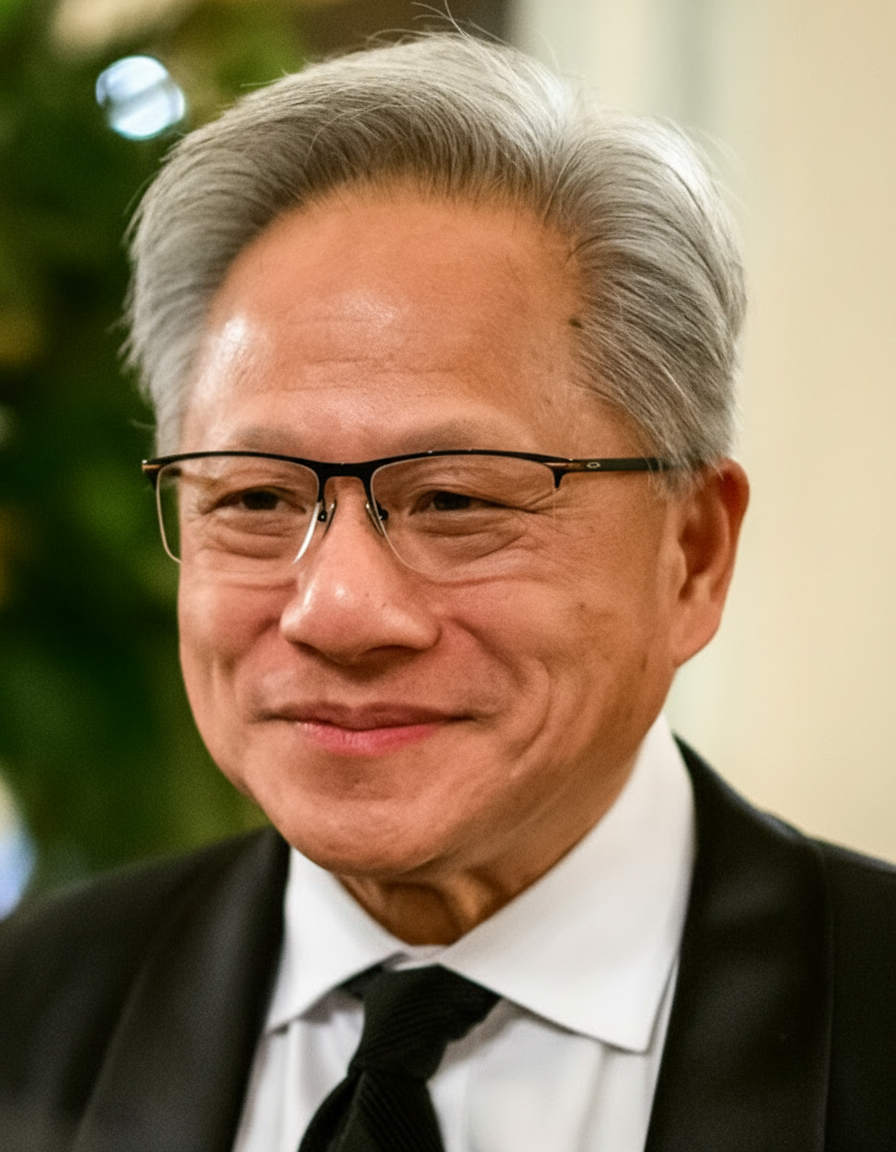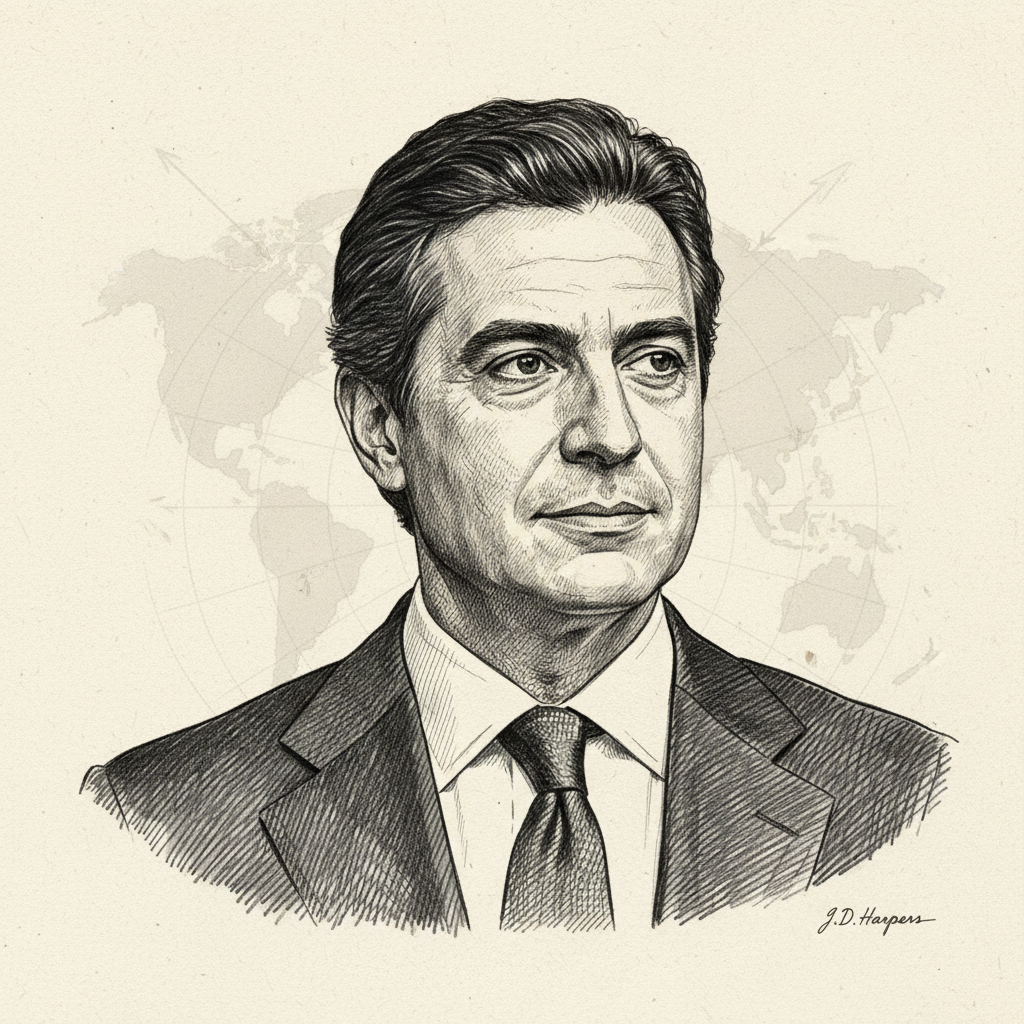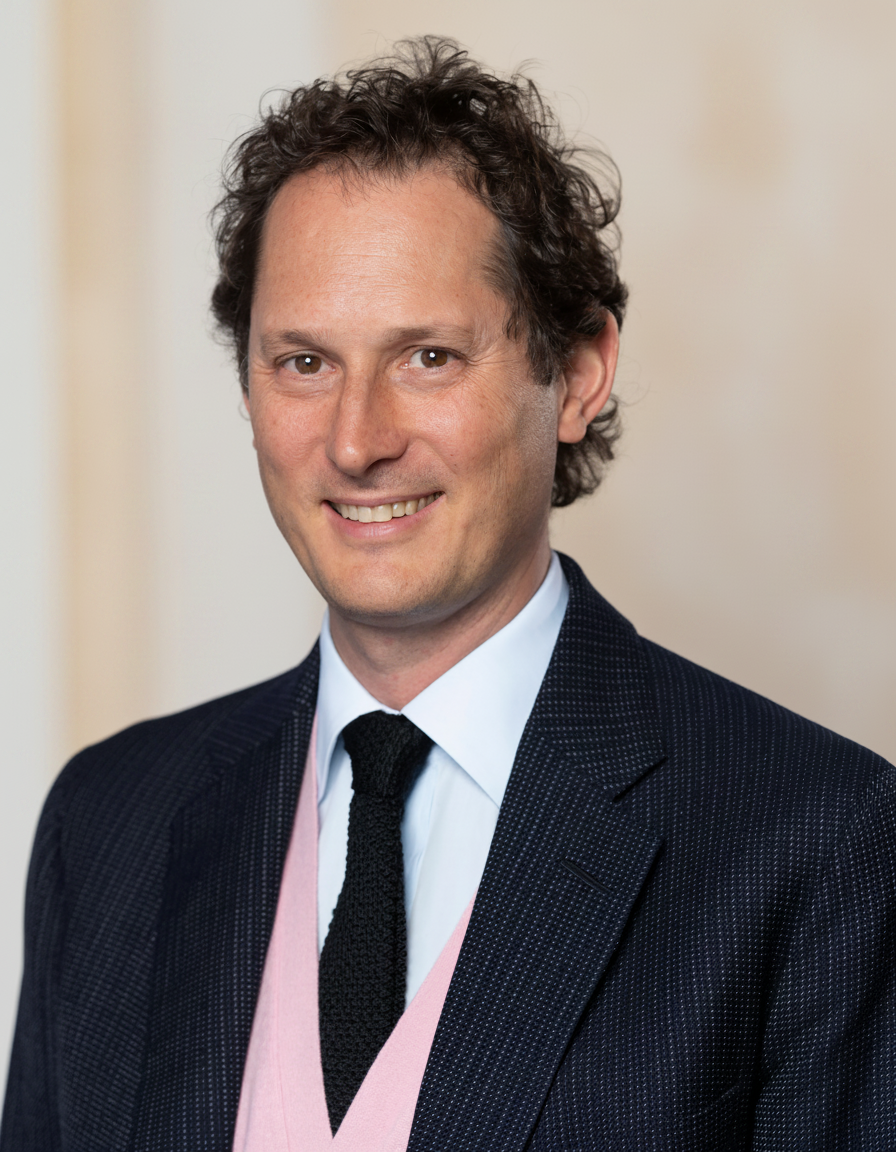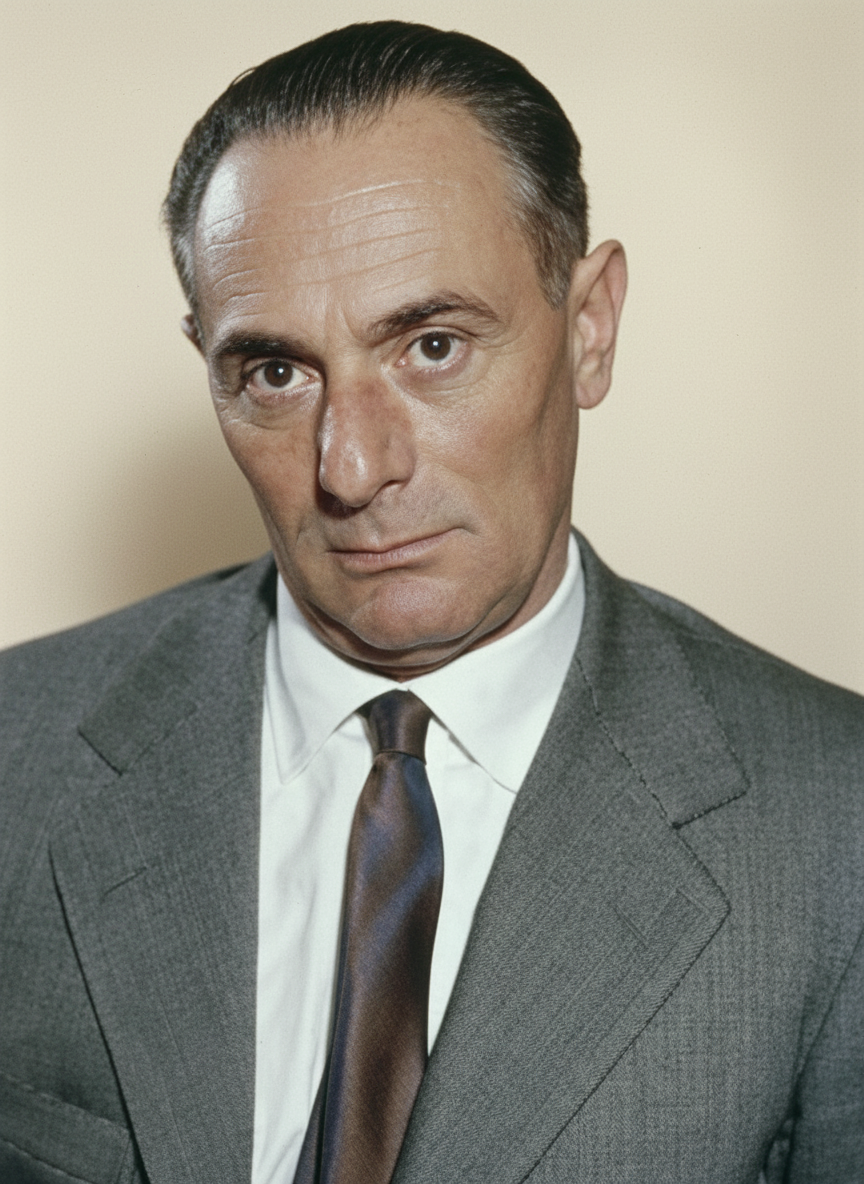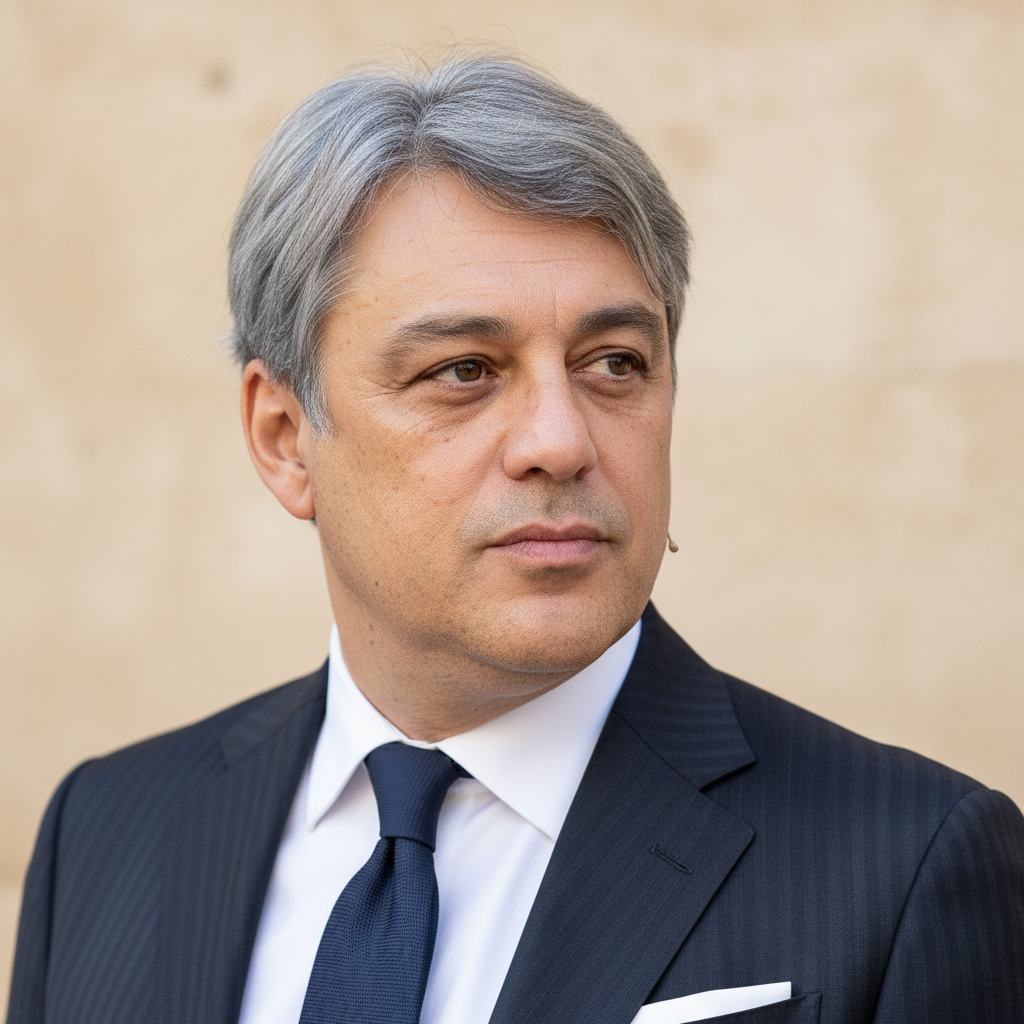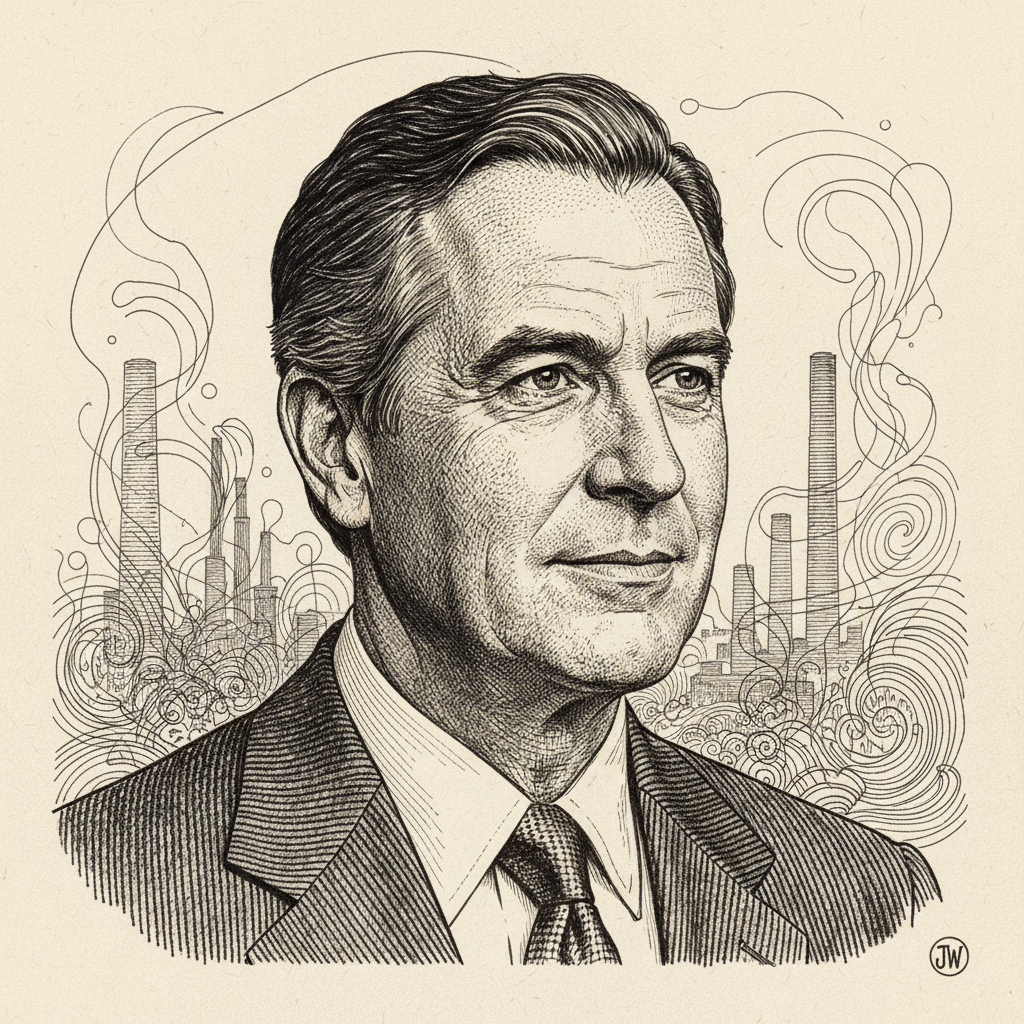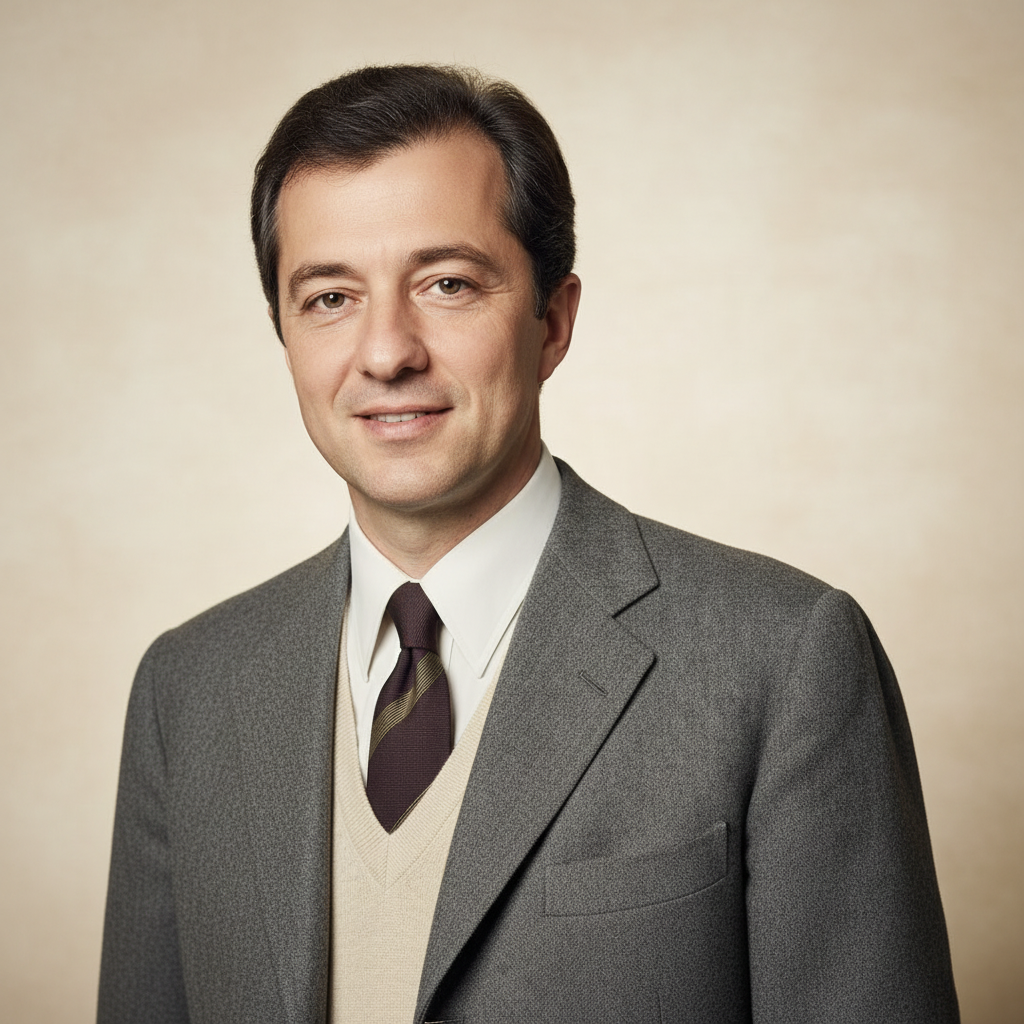
Portrait of Leonardo Del Vecchio
Modern Architect · 1935 — 2022

Leonardo Del Vecchio

The architect of the vertical integration strategy that transformed the global eyewear industry.

Country
Italy
Continent
Europe
Industry
Eyewear, Manufacturing, Retail
Role
Founder, Chairman, Visionary

Leonardo Del Vecchio, an orphan raised in a Milanese orphanage, founded Luxottica in 1961. Through aggressive vertical integration, strategic acquisitions, and a relentless focus on brand building, he transformed a small components manufacturer into the world's largest eyewear company, controlling brands spanning manufacturing, wholesale, and retail. His legacy includes establishing EssilorLuxottica as a global ophthalmic giant.

Biography

Leonardo Del Vecchio's early life was marked by hardship, including being raised in a Milanese orphanage and beginning work in a factory at 14. This formative experience instilled a drive for self-reliance and meticulous craftsmanship. In 1961, at 26, he founded Luxottica in Agordo, Italy, initially producing components for other eyewear manufacturers. By 1967, he transitioned into manufacturing complete frames under the Luxottica brand. His pivotal strategic decision was realizing the fragmented nature of the eyewear market presented an opportunity for consolidation and direct control over the value chain. Del Vecchio initiated vertical integration by acquiring retail chains, a move considered radical at the time for a manufacturer. Strategic acquisitions included US Shoe Corporation's LensCrafters (1995 for $1.4 billion), the largest optical retail chain in North America, and Sunglass Hut (2001 for $653 million), gaining significant market share in sun retail. These acquisitions provided direct access to consumers, enabling Luxottica to control distribution, pricing, and capture higher margins. Parallel to retail expansion, Del Vecchio pursued an aggressive licensing strategy, securing agreements with luxury brands like Giorgio Armani (1988), Prada, Chanel, and Dolce & Gabbana, transforming eyewear from a medical device into a fashion accessory. He also acquired iconic brands such as Ray-Ban (1999 for $640 million) and Oakley (2007 for $2.1 billion), rejuvenating them through product innovation and extensive marketing. These moves solidified Luxottica's dominance in both branded manufacturing and retail. In 2018, Del Vecchio engineered the merger of Luxottica with French ophthalmic lens giant Essilor to form EssilorLuxottica. This €50 billion transaction created a fully integrated powerhouse, controlling lens manufacturing, frame production, and a vast global retail network, demonstrating his long-term vision for end-to-end control of the entire vision care industry. Del Vecchio remained active as Chairman of EssilorLuxottica until his death in 2022, overseeing a company with over 180,000 employees and operations across 150 countries.

Accomplishments

  • 01Founded Luxottica in 1961 and grew it into the world's largest eyewear company.
  • 02Pioneered vertical integration in the eyewear industry, acquiring key retail outlets like LensCrafters (1995) and Sunglass Hut (2001).
  • 03Successfully transformed eyewear into a fashion accessory through strategic licensing agreements with major luxury brands (e.g., Armani, Chanel, Prada).
  • 04Acquired and revitalized iconic eyewear brands such as Ray-Ban (1999) and Oakley (2007).
  • 05Engineered the €50 billion merger of Luxottica and Essilor in 2018, creating EssilorLuxottica, a global leader in ophthalmic optics and eyewear.
  • 06Maintained control and leadership of his ventures for over six decades, demonstrating remarkable longevity and strategic consistency.

Lessons for Operators

Identify fragmented markets: Del Vecchio recognized the disaggregated nature of eyewear manufacturing, distribution, and retail, which created an opportunity for consolidation and control. Operators should look for industries rife with middlemen and disparate value chain components.
Embrace vertical integration aggressively: By owning brands, manufacturing, and retail, Luxottica captured a higher percentage of the profit pool and controlled the customer experience. This strategy reduces reliance on external partners and increases operational leverage.
Brand is paramount, even for perceived commodities: Del Vecchio elevated eyewear from a functional necessity to a fashion statement through strategic branding, licensing, and marketing. Even in seemingly utilitarian industries, strong brands command premium pricing and consumer loyalty.
Strategic acquisitions can be transformative: From LensCrafters to Ray-Ban, Del Vecchio used M&A not just for scale, but to acquire key capabilities (retail footprint), iconic brands, and market share that accelerated Luxottica's growth and dominance.
Maintain long-term vision and owner-operator mindset: Del Vecchio retained significant ownership and decision-making power throughout his career, enabling him to pursue decades-long strategies like the Essilor merger without short-term market pressures compromising his vision.
Diversify through complementary businesses: The merger with Essilor demonstrates the power of combining a frame and retail giant with a lens power to create a truly end-to-end ophthalmic solutions provider, future-proofing the business and expanding the total addressable market.
The Operator's Playbook

Key Takeaways

Practical lessons distilled for operators, investors, C-levels, and capital allocators.

Lesson 01

Control the Value Chain

Del Vecchio's genius lay in his relentless pursuit of vertical integration. By owning manufacturing, distribution, and retail channels (e.g., LensCrafters, Sunglass Hut), Luxottica gained unparalleled control over product quality, pricing, speed to market, and the customer experience. This reduces reliance on external parties and captures more margin at each step. This model is transferable to any industry with a long, fragmented supply chain.

Lesson 02

Brand as an Asset

He understood that even a 'commodity' like eyewear could be differentiated through branding. Acquiring and revitalizing brands like Ray-Ban and Oakley, alongside securing licenses for luxury labels like Chanel and Prada, transformed Luxottica into a fashion player. Brands provide pricing power, customer loyalty, and a moat against competition. Investment in brand equity is a long-term asset.

Lesson 03

Strategic M&A for Dominance

Del Vecchio utilized mergers and acquisitions not for simple market share, but for strategic advantage. Acquiring LensCrafters gave Luxottica a direct-to-consumer retail footprint. Acquiring Ray-Ban provided an iconic, globally recognized brand. The Essilor merger created a fully integrated vision care behemoth. Each deal filled a strategic gap or provided a catalytic advantage, demonstrating M&A as a tool for synergistic growth and market control.

Lesson 04

Operational Excellence is Foundational

Despite his strategic acumen in M&A and branding, Del Vecchio never lost sight of the importance of manufacturing quality and efficiency. Luxottica's factories were state-of-the-art, ensuring that their licensed and owned brands delivered on their promise of quality. Strategic vision must be underpinned by robust operational capabilities to succeed.

Mental Models

Frameworks & Principles

Named frameworks and strategic principles they popularized or embodied.

01

Vertical Integration Matrix

Analyze your industry's value chain from raw materials to end-consumer. Identify stages where owning or closely controlling operations (upstream or downstream) could yield cost efficiencies, quality control, differentiation, or increased margin capture. Del Vecchio moved aggressively into both manufacturing (upstream from initial component supply) and retail (downstream).

When to useWhen operating in a fragmented industry, high-margin product environment, or a competitive landscape where control over inputs/outputs provides a strategic advantage. Useful for assessing potential M&A targets or internal expansion.

02

Brand Portfolio Strategy

Evaluate current brand assets and identify gaps or opportunities. This involves assessing brand equity, target demographics, price points, and market positioning. Del Vecchio built a vast portfolio spanning premium luxury licenses, owned iconic brands, and value-oriented offerings (e.g., house brands within retail chains), allowing Luxottica to cater to diverse segments while leveraging shared manufacturing and distribution.

When to useWhen considering new product lines, market expansion, or M&A. Applicable for companies looking to maximize consumer reach and reduce reliance on a single brand, or to stratify offerings by price and value.

03

Market Consolidation Playbook

Identify industries characterized by many small players, regional fragmentation, or a lack of dominant integrated entities. Outline a strategy for aggressive M&A to acquire key players, build infrastructure, and achieve scale economies. Del Vecchio executed this perfectly in eyewear, transforming a cottage industry into a global oligopoly.

When to useIn industries poised for consolidation due to technological shifts, changing consumer behavior, or regulatory environments. Particularly effective for private equity or strategic corporate development teams aiming for market leadership.

Citations

Sources & Further Reading

Profiles, interviews, podcasts, and articles used to compile and verify this entry. Each link opens at the original publisher.

Adjacent Minds

Explore Related Titans

Other figures in the archive who share Leonardo Del Vecchio's domain, geography, or era.

Technology

More in Technology

Browse all →
Portrait of Steve Jobs
USA / TECHNOLOGY
Steve Jobs
Co-founder of Apple Inc. and visionary credited with transforming multiple industries.
Portrait of Jeff Bezos
UNITED STATES / TECHNOLOGY, RETAIL, LOGISTICS, CLOUD COMPUTING, SPACE EXPLORATION
Jeff Bezos
Founder of Amazon, orchestrator of an e-commerce and cloud computing empire, and pioneer in space exploration.
Portrait of Elon Musk
SOUTH AFRICA / AEROSPACE, AUTOMOTIVE, ARTIFICIAL INTELLIGENCE, ENERGY, TELECOMMUNICATIONS
Elon Musk
Elon Reeve Musk: Visionary entrepreneur leading advancements in aerospace, automotive, and artificial intelligence.
Portrait of Satya Nadella
INDIA / TECHNOLOGY
Satya Nadella
The architect of Microsoft's cloud-first, AI-centric transformation and culture revival.
Portrait of Bill Gates
UNITED STATES / SOFTWARE, TECHNOLOGY, PHILANTHROPY
Bill Gates
Co-founder of Microsoft, architect of the personal computing revolution, and global philanthropist.
Portrait of Jensen Huang
TAIWAN (NATURALIZED AMERICAN CITIZEN) / SEMICONDUCTORS, ARTIFICIAL INTELLIGENCE, COMPUTING
Jensen Huang
Co-founder, President, and CEO of NVIDIA, a pioneering force in graphics processing units (GPUs) and artificial intelligence.
Portrait of Sam Walton
UNITED STATES / RETAIL
Sam Walton
The architect of modern retail, pioneering discount merchandising and logistical efficiency to establish the world's largest retail corporation.
Portrait of Mark Cuban
UNITED STATES / TECHNOLOGY, MEDIA, SPORTS, HEALTHCARE
Mark Cuban
Mark Cuban: The Prolific Disrupter – From Software Startups to Sports Franchises and Pharmaceutical Innovation, Leveraging Technology and Direct-to-Consumer Models.
Portrait of Walt Disney
UNITED STATES / ENTERTAINMENT
Walt Disney
Co-founder of The Walt Disney Company, pioneering animation, theme parks, and diversified entertainment.
Portrait of Jack Ma
CHINA / E-COMMERCE, TECHNOLOGY, FINANCE
Jack Ma
Co-founder of Alibaba Group, pioneering e-commerce and digital finance in China.
Italy

From Italy

Browse all →
Portrait of Cosimo de' Medici
ITALY / BANKING, FINANCE, STATESMANSHIP
Cosimo de' Medici
The architect of Medici power, leveraging finance and cultural patronage to establish a dynastic legacy.
Portrait of Giovanni di Bicci de' Medici
ITALY / BANKING AND FINANCE
Giovanni di Bicci de' Medici
The silent architect of Florence's financial supremacy and the Medici dynasty.
Portrait of Carla Cico
ITALY / TELECOMMUNICATIONS
Carla Cico
Carla Cico: The Italian executive renowned for orchestrating successful turnarounds in volatile global telecommunications markets.
Portrait of Federico Marchetti
ITALY / LUXURY E-COMMERCE
Federico Marchetti
Pioneering online luxury fashion, Federico Marchetti built Yoox Net-a-Porter into a global e-commerce powerhouse.
Portrait of Benedetto Vigna
ITALY / AUTOMOTIVE; SEMICONDUCTORS
Benedetto Vigna
Benedetto Vigna: Semiconductor veteran transitioning luxury automotive towards electrification and digital integration.
Portrait of Giovanni Caforio
ITALY / PHARMACEUTICALS
Giovanni Caforio
Giovanni Caforio: The Architect of Strategic Transformation in Biopharma.
Portrait of Vittorio Colao
ITALY / TELECOMMUNICATIONS
Vittorio Colao
Architect of Global Telecom Turnarounds and Digital Transformation.
Portrait of John Elkann
ITALY / AUTOMOTIVE, LUXURY, DIVERSIFIED HOLDINGS, CAPITAL ALLOCATION
John Elkann
Architect of Modern Stellantis and Ferrari, John Elkann is a generational capital allocator and scion who transformed legacy industrial holdings into diversified global powerhouses through strategic mergers, divestitures, and luxury brand cultivation.
Portrait of Alessandro Profumo
ITALY / AEROSPACE & DEFENSE, BANKING, FINANCIAL SERVICES
Alessandro Profumo
A transformational leader known for navigating complex financial institutions and strategic industrial conglomerates through periods of restructuring, globalization, and technological change.
Portrait of Luca de Meo
ITALY / LUXURY GOODS, AUTOMOTIVE
Luca de Meo
A transformational automotive and luxury sector executive known for brand revitalization and strategic pivots.
Same Era

Contemporaries — born 1930s
Browse all →
Portrait of Warren Buffett
UNITED STATES / INVESTING
Warren Buffett
The Oracle of Omaha: Architect of long-term value investing and compounding returns through disciplined acquisition and intrinsic value focus.
Portrait of Phil Knight
UNITED STATES / APPAREL & FOOTWEAR
Phil Knight
The visionary co-founder of Nike, Inc., who transformed athletic footwear from a functional commodity into a global cultural phenomenon.
Portrait of Amancio Ortega
SPAIN / FASHION RETAIL
Amancio Ortega
The architect of fast fashion, transforming global retail with Zara and Inditex.
Portrait of Mikhail Gorbachev
SOVIET UNION / GOVERNMENT
Mikhail Gorbachev
The architect of Soviet reform and unintended dissolution.
Portrait of Charles Koch
UNITED STATES / DIVERSIFIED CONGLOMERATE
Charles Koch
Architect of Koch Industries' diversified growth and proponent of market-based management.
Portrait of James Simons
UNITED STATES / FINANCE, TECHNOLOGY, ASSET MANAGEMENT
James Simons
The Enigma of Quantitative Finance: Architect of Automated Alpha Generation.
Portrait of Amos Tversky
ISRAEL / ACADEMIA, BEHAVIORAL ECONOMICS, PSYCHOLOGY
Amos Tversky
Pioneering the empirical study of cognitive biases and heuristics that shape human judgment and decision-making under uncertainty.
Portrait of Eli Broad
UNITED STATES / REAL ESTATE, FINANCIAL SERVICES
Eli Broad
The relentless entrepreneur who co-founded two Fortune 500 companies in divergent industries through strategic vision and disciplined execution.
Portrait of Tony O'Reilly
IRELAND / CONSUMER GOODS, MEDIA, PRIVATE EQUITY
Tony O'Reilly
The audacious Irish industrialist who transformed Heinz and built an international media conglomerate through strategic acquisition and relentless expansion.
Portrait of Oscar de la Renta
DOMINICAN REPUBLIC / UNITED STATES / LUXURY FASHION
Oscar de la Renta
The Dominican couturier whose eponymous brand became a global standard-bearer for sophisticated luxury and timeless elegance.