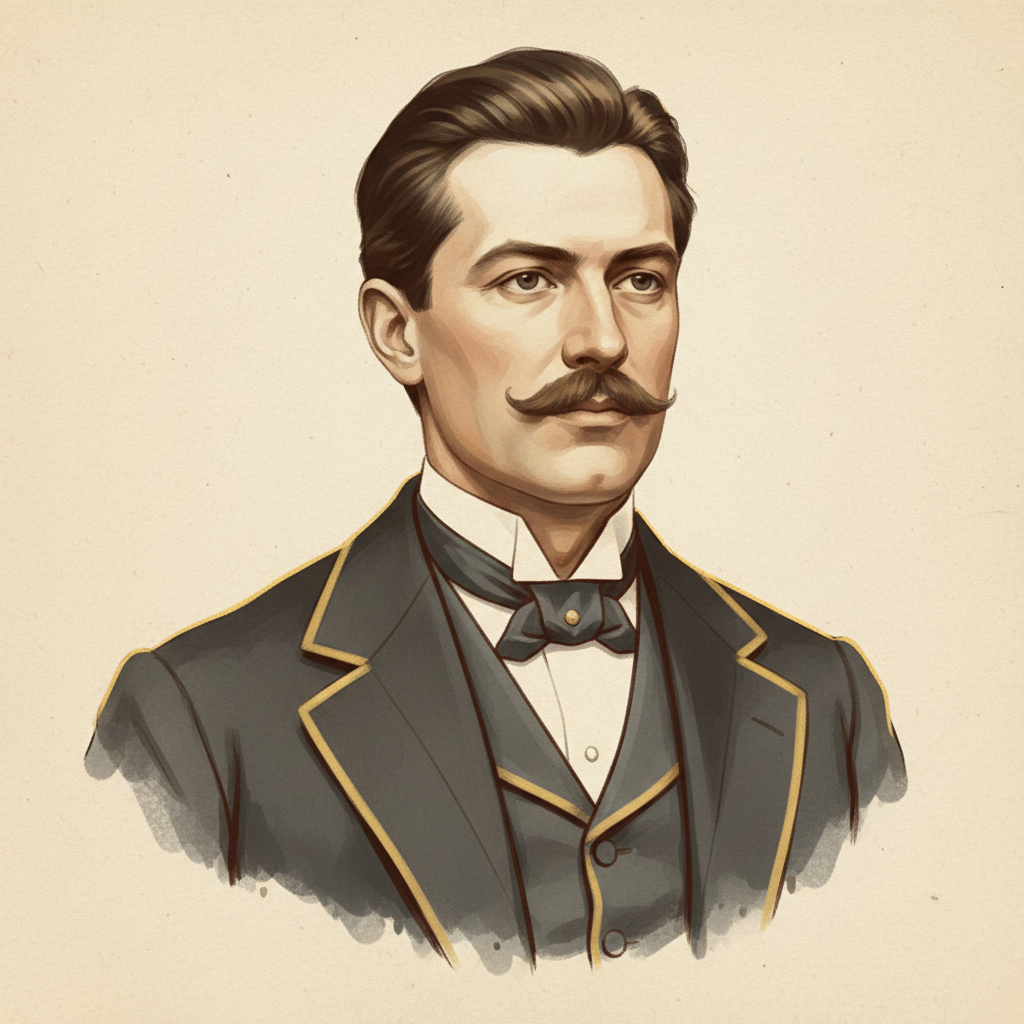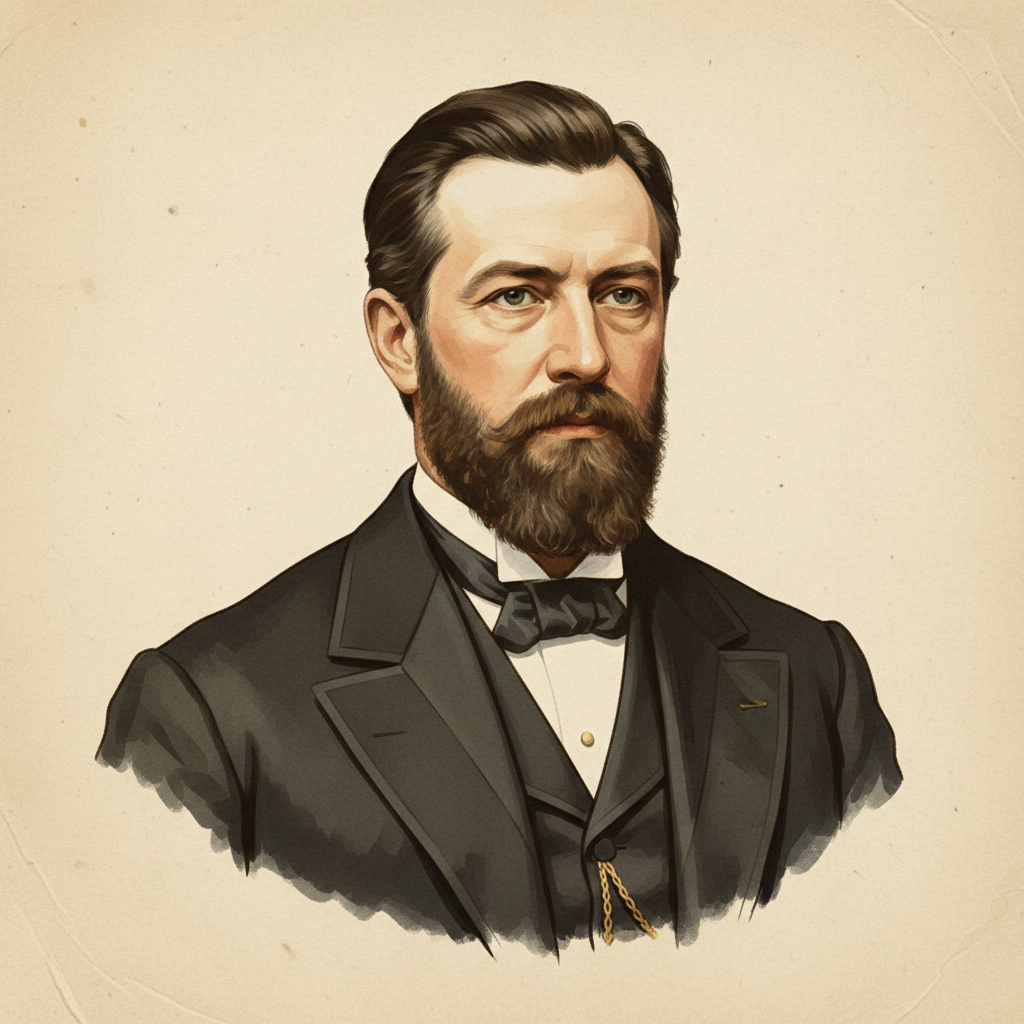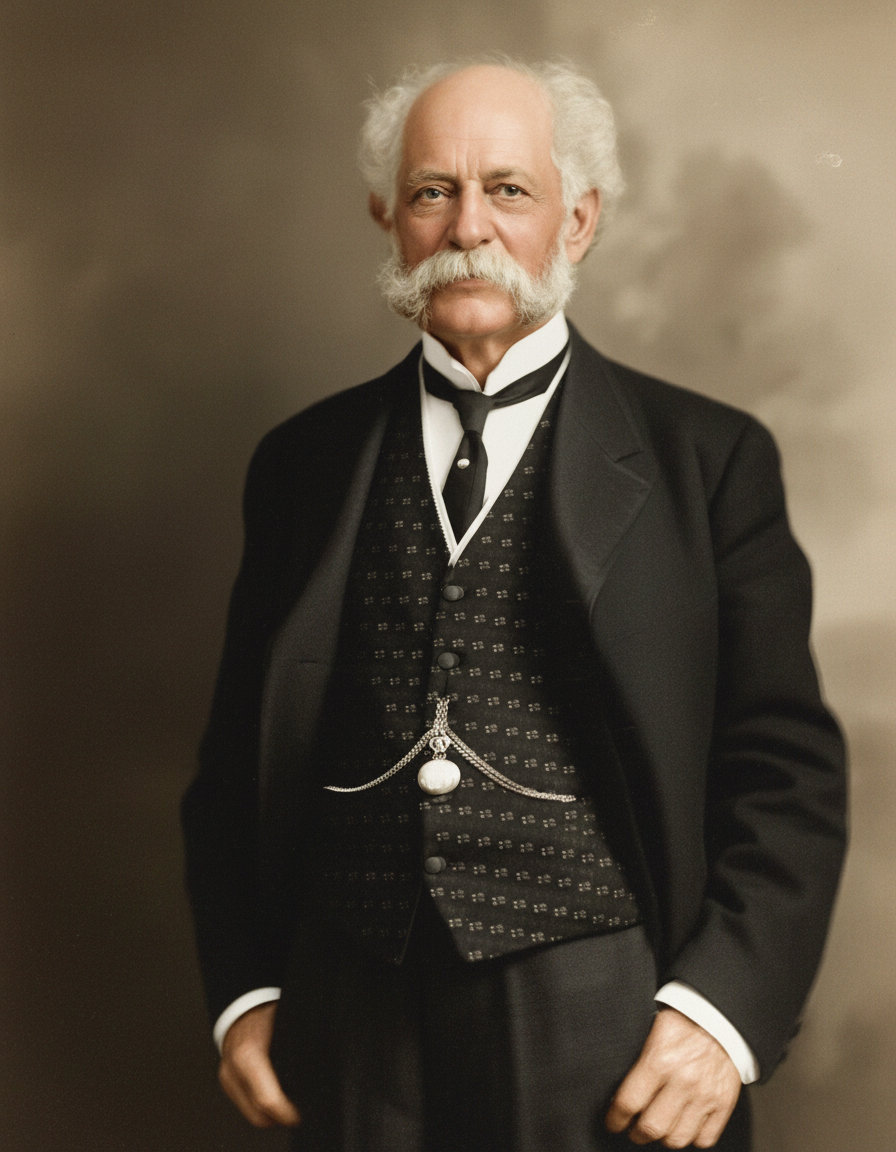
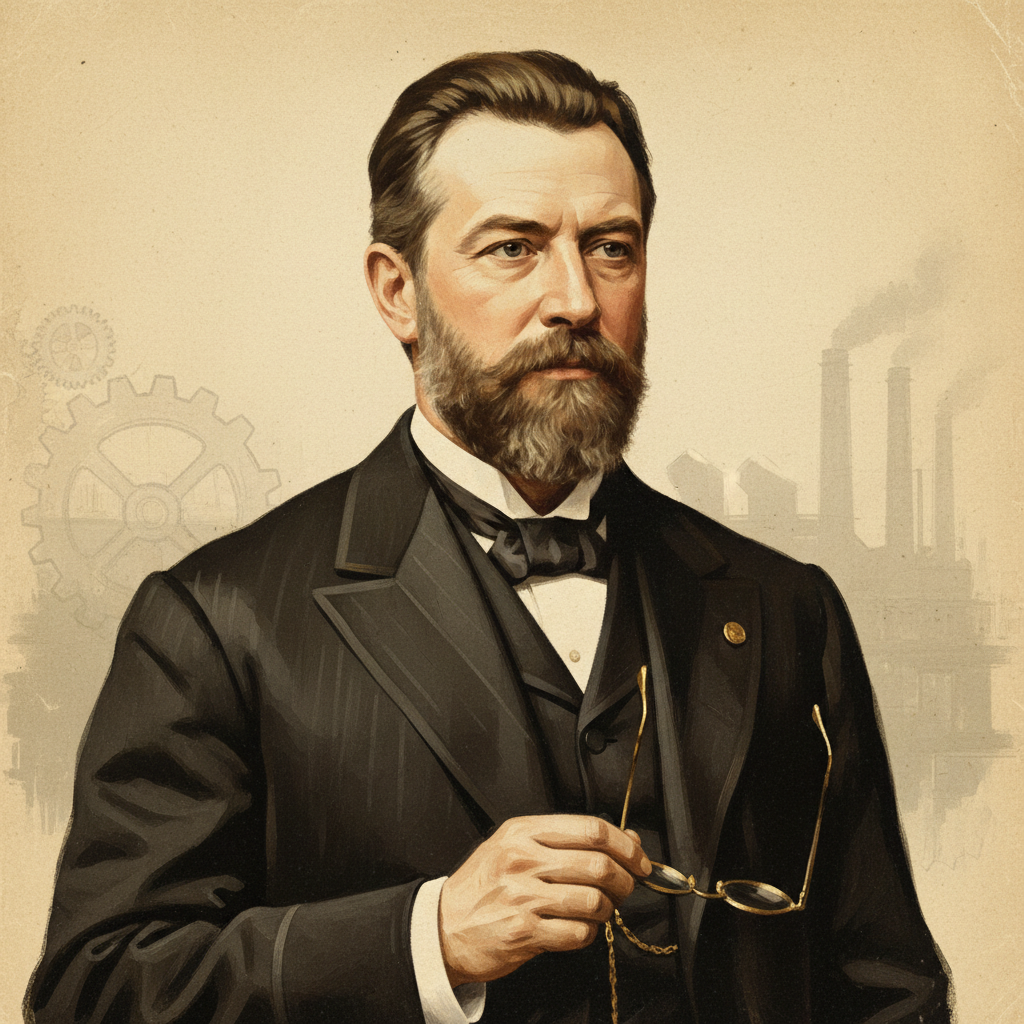
Portrait of Anthony Fokker
Historical Mind · 1890 — 1939

Anthony Fokker

Pioneering aviation industrialist who bridged military dominance and early commercial airliners through rapid iteration and structural innovation.

Country
Netherlands
Continent
Europe
Industry
Aviation & Aerospace
Role
Aircraft Designer & Industrialist

Anthony Fokker was a Dutch aviation pioneer, test pilot, and industrialist who established manufacturing empires across Germany, the Netherlands, and the United States. Renowned for developing the World War I synchronization gear and the cantilever-winged Fokker F.VII trimotor, he transformed experimental aeronautics into viable commercial airline transport.

Biography

Born in Blitar, Java (Dutch East Indies) to a Dutch coffee planter, Anthony Herman Gerard Fokker relocated to Haarlem, Netherlands, in 1894. Eschewing formal academics, he immersed himself in mechanics, constructing his first operational monoplane, the 'Spin' (Spider), in Germany in 1910. In 1912, he founded Fokker Aeroplanbau near Berlin, relocating to Schwerin to produce trainer and observation aircraft. Fokker gained decisive wartime prominence in 1915 by engineering a reliable synchronization gear, enabling machine guns to fire through rotating propeller arcs without striking the blades—giving the Fokker Eindecker air superiority in the 'Fokker Scourge'. He followed this with structural triumphs including the triplane Dr.I and the D.VII, pioneering thick-airfoil cantilever wings and welded steel-tube fuselages that eliminated external wire bracing. Following the 1918 Armistice, Fokker demonstrated extraordinary operational maneuvering. Facing the confiscation mandates of the Treaty of Versailles, he covertly moved six trainloads containing over 200 aircraft, 400 engines, and critical raw materials across the German-Dutch border into Amsterdam. There, he founded the N.V. Nederlandsche Vliegtuigenfabriek in 1919, pivoting from military fighters to commercial transport. The resulting Fokker F-series culminated in the F.VII and F.VIIa-3m Trimotor, which captured early global commercial routes and powered historic expeditions by Richard Byrd and Charles Kingsford Smith. Expanding into the United States, Fokker established the Atlantic Aircraft Corporation in 1923, which became the Fokker Aircraft Corporation of America. At its peak in the late 1920s, Fokker manufactured over 40 percent of American commercial airliners. In 1929, Fokker sold a controlling stake to General Motors. However, the 1931 crash of a wooden-spar Fokker F.10 carrying football coach Knute Rockne triggered an immediate regulatory grounding and exposed structural obsolescence against nascent all-metal competitors like the Boeing 247 and Douglas DC-2. Fokker spent his final years brokering European licenses for Douglas aircraft before his premature death from pneumococcal meningitis in New York in 1939.

Accomplishments

  • 01Invented and deployed the synchronized interrupter gear in 1915, revolutionizing air combat tactics and securing major procurement contracts with the German military.
  • 02Engineered the Fokker D.VII fighter in 1918, widely regarded as the most effective fighter of World War I, expressly singled out for confiscation in the Armistice agreements.
  • 03Organized the clandestine rail evacuation of over 200 airplanes, hundreds of engines, and tooling from Germany to the Netherlands in 1919, successfully recapitalizing his venture post-war.
  • 04Engineered the Fokker F.VIIa-3m Trimotor, which became the backbone of emerging international carriers including KLM, Western Air Express, and Pan American.
  • 05Scaled the Fokker Aircraft Corporation of America to capture an estimated 40% of the late-1920s US passenger airline market before divesting to General Motors in 1929.
  • 06Introduced welded chrome-molybdenum steel-tube fuselages to mass production, replacing vulnerable wood-and-wire assemblies with superior structural durability and maintenance efficiency.

Lessons for Operators

Capitalize on regulatory transitions quickly: Fokker's rapid 1919 transfer of assets out of Germany circumvented Allied confiscation and provided immediate inventory to launch a civilian market leader.
Rapid prototyping must involve end-user test pilots: Fokker tested his own designs in real time, translating operator handling feedback directly to the engineering bench faster than bureaucratic competitors.
Material obsolescence can destroy an incumbent overnight: Fokker's stubborn adherence to composite wood-and-fabric wings over all-metal stressed-skin airframes left the firm vulnerable when structural decay caused the 1931 Rockne crash.
Strategic licensing beats direct competition when technology shifts: When all-metal transports rendered his own airframes obsolete, Fokker retained cash flows by securing the European sales and manufacturing rights to the Douglas DC-2 and DC-3.
Founder alignment with corporate conglomerates requires clear operational boundaries: Fokker's partnership with General Motors deteriorated rapidly due to conflicting managerial cultures and corporate standardization constraints.
The Operator's Playbook

Key Takeaways

Practical lessons distilled for operators, investors, C-levels, and capital allocators.

Lesson 01

Speed of Iteration Beats Formal Theory

Fokker lacked formal aerodynamic credentials but outperformed academic engineering teams by relying on experiential flight testing, welded steel tubing, and rapid mechanical iteration.

Lesson 02

Asset Preservation Across Geopolitical Ruptures

Fokker demonstrated that salvageable enterprise value during state collapse lies in portable production tooling, propulsion inventories, and technical IP, which can be repositioned into friendlier jurisdictions.

Lesson 03

The Danger of Component Invisibility

The fatal 1931 crash of an F.10 was caused by moisture rot hidden within an opaque plywood wing structure; failure to design for inspection and non-destructive testing can precipitate total product liability failure.

Lesson 04

Divest at the Structural Peak

Fokker sold 40% of his American operations to General Motors in 1929 at peak airline valuations, securing personal liquidity right before market crashes and regulatory upheavals decimated valuations.

Mental Models

Frameworks & Principles

Named frameworks and strategic principles they popularized or embodied.

01

Fokker Agile Prototyping Cycle

A product development loop pairing the chief designer directly with continuous field testing, bypassing formal drafting stages to modify mechanical prototypes within 24 to 48 hours of flight testing.

When to useUse during early-stage hardware or aerospace development where immediate operational feedback reveals design flaws faster than computational modeling.

02

Obsolescence Arbitrage via Licensing

A defensive commercial strategy where an incumbent facing disruptive manufacturing innovation ceases obsolete proprietary production and monetizes local market distribution by licensing the disruptor's superior product.

When to useUse when a company's core technological architecture is structurally eclipsed by a competitor and proprietary R&D cannot bridge the performance gap in time to retain market relevance.

Citations

Sources & Further Reading

Profiles, interviews, podcasts, and articles used to compile and verify this entry. Each link opens at the original publisher.

Adjacent Minds

Explore Related Titans

Other figures in the archive who share Anthony Fokker's domain, geography, or era.

Transportation & Logistics

More in Transportation & Logistics

Browse all →
Portrait of Henry Ford
UNITED STATES / AUTOMOTIVE
Henry Ford
The architect of mass production, democratizing the automobile through efficiency and scale.
Portrait of Soichiro Honda
JAPAN / AUTOMOTIVE
Soichiro Honda
From garage mechanic to global automotive titan, Soichiro Honda built a legacy grounded in engineering prowess and entrepreneurial zeal.
Portrait of Kiichiro Toyoda
JAPAN / AUTOMOTIVE
Kiichiro Toyoda
The engineer who pivoted a textile machinery company into a global automotive titan by relentlessly pursuing 'just-in-time' efficiency.
Portrait of Jean-Dominique Senard
FRANCE / AUTOMOTIVE
Jean-Dominique Senard
A pragmatic leader known for navigating complex corporate alliances and fostering industrial transformation.
Portrait of Stefan Winkelmann
GERMANY / AUTOMOTIVE
Stefan Winkelmann
Architect of luxury automotive brand transformations, known for revitalizing Lamborghini and Bugatti.
Portrait of Jost Capito
GERMANY / AUTOMOTIVE & MOTORSPORT
Jost Capito
A motorsport executive renowned for transforming underperforming teams into championship contenders through strategic leadership, operational restructuring, and fostering high-performance cultures.
Portrait of Tom Arseneault
UNITED STATES / AEROSPACE & DEFENSE
Tom Arseneault
Architect of BAE Systems, Inc.'s strategic growth and operational resilience in the complex US aerospace and defense market.
Portrait of Håkan Samuelsson
SWEDEN / AUTOMOTIVE
Håkan Samuelsson
Architect of Volvo Cars' modern renaissance and electrification strategy.
Portrait of Mary Barra
USA / AUTOMOTIVE
Mary Barra
The architect of General Motors' historic transition from internal combustion to an all-electric future, navigating significant technological and cultural shifts.
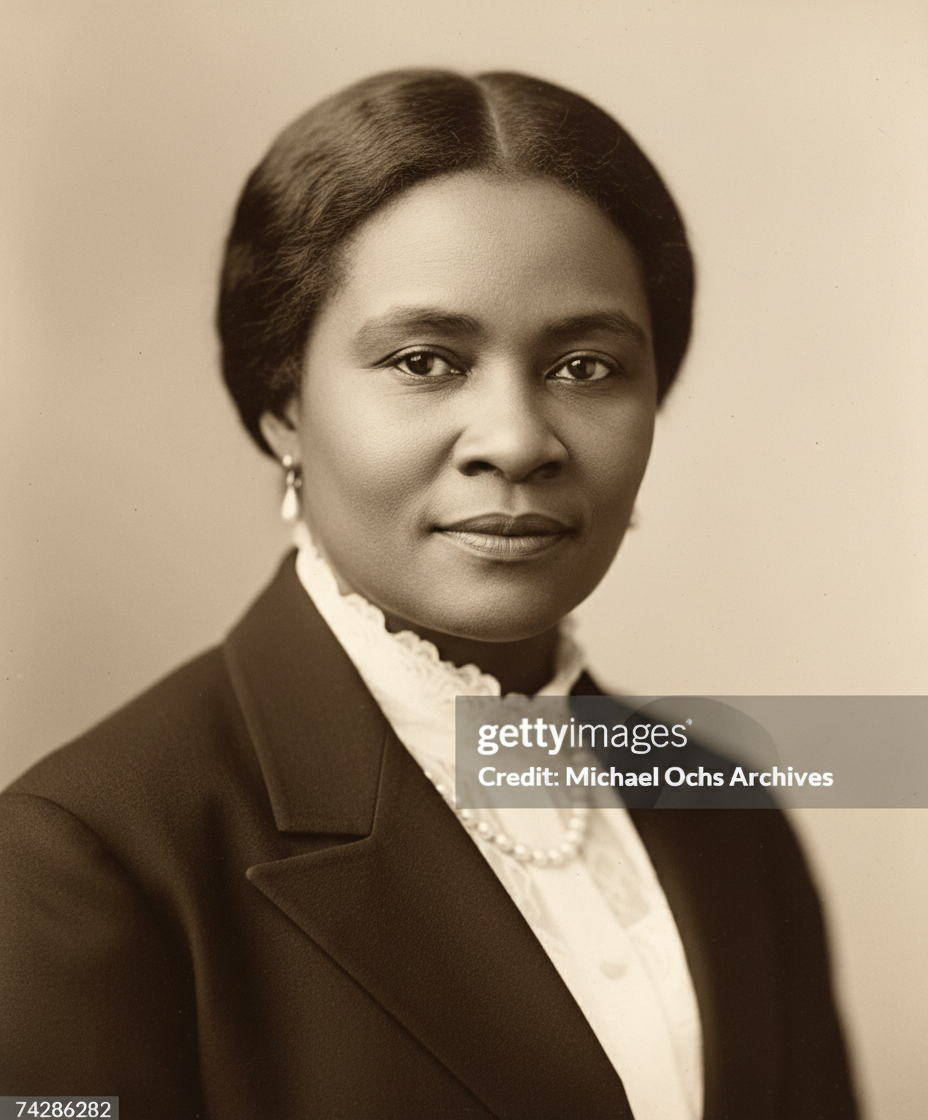
Portrait of Madam C.J. Walker
UNITED STATES / BEAUTY, PERSONAL CARE, DIRECT SALES
Madam C.J. Walker
Pioneering African American entrepreneur who built a haircare empire and became a self-made millionaire.
Netherlands

From Netherlands

Browse all →
Portrait of Gillian Tans
NETHERLANDS / ONLINE TRAVEL AGENCY (OTA)
Gillian Tans
Gillian Tans: A transformative leader in online travel and digital commerce, known for global strategy execution and brand expansion at Booking.com.
Portrait of Paul Polman
NETHERLANDS / CONSUMER GOODS (FMCG)
Paul Polman
The architect of purpose-driven capitalism and sustainable business transformation at Unilever.
Portrait of Pieter van der Does
NETHERLANDS / FINTECH, PAYMENT PROCESSING
Pieter van der Does
Co-founder and CEO of Adyen, a global payment processing company transforming financial transactions for enterprises.
Portrait of Aart de Geus
NETHERLANDS / ELECTRONIC DESIGN AUTOMATION (EDA), SEMICONDUCTORS, SOFTWARE
Aart de Geus
Aart de Geus is a pivotal figure in Electronic Design Automation (EDA), co-founding Synopsys and driving its evolution into a multi-billion dollar leader in semiconductor design software, influencing countless chip designs globally.
Portrait of Frank Slootman
NETHERLANDS / ENTERPRISE SOFTWARE
Frank Slootman
A CEO renowned for driving rapid growth, operational efficiency, and successful IPOs in enterprise software, specializing in 'turnaround' and 'scale-up' leadership.
Portrait of Peter Wennink
NETHERLANDS / SEMICONDUCTOR EQUIPMENT MANUFACTURING
Peter Wennink
The architect of ASML's Extreme Ultraviolet Lithography dominance, indispensable to global semiconductor manufacturing.
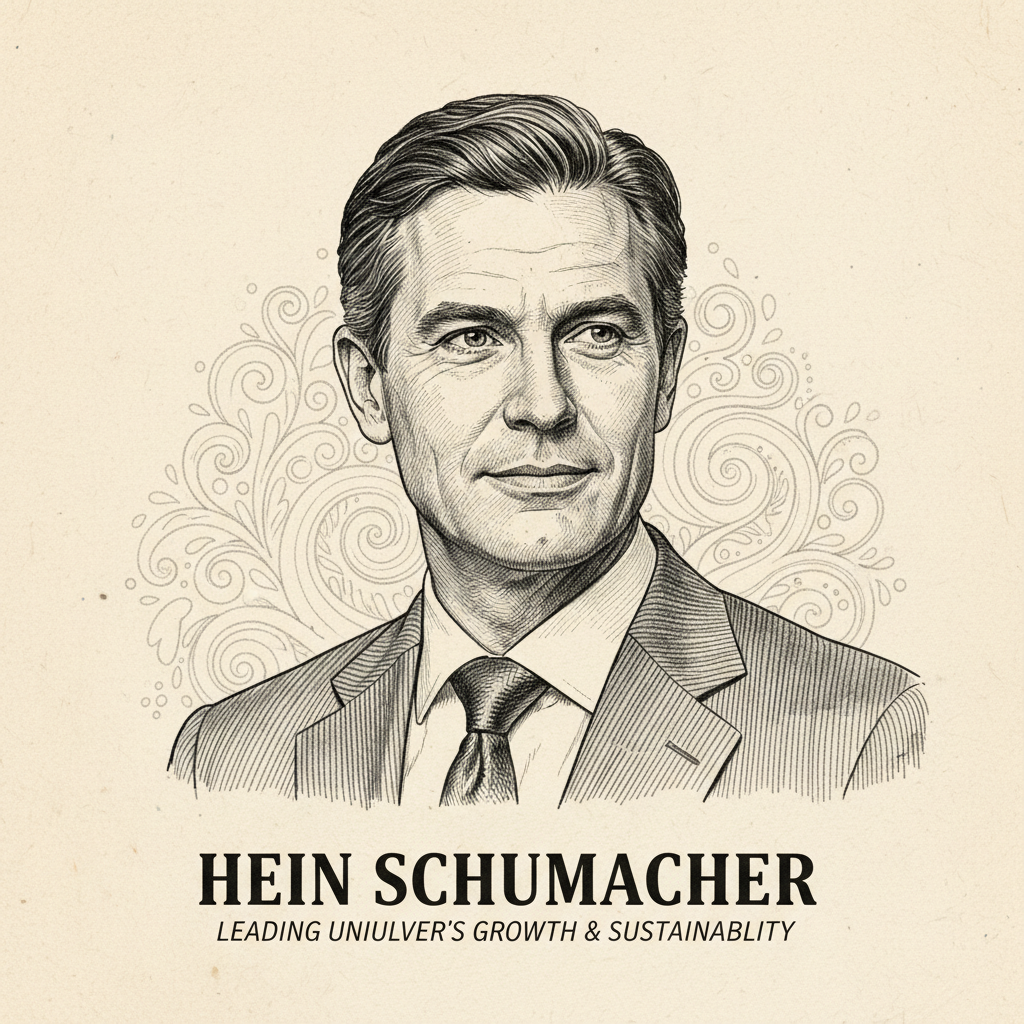
Portrait of Hein Schumacher
NETHERLANDS / CONSUMER GOODS
Hein Schumacher
Architect of Focus and Performance in Global Consumer Goods
Portrait of Jean-Marc Huët
NETHERLANDS / CONSUMER GOODS, TECHNOLOGY, FINANCE
Jean-Marc Huët
Financial architect and strategic leader known for transforming global consumer goods and technology companies.
Portrait of Frans van Houten
NETHERLANDS / HEALTH TECHNOLOGY
Frans van Houten
Architect of Philips' transformation from diversified conglomerate to focused health technology leader.
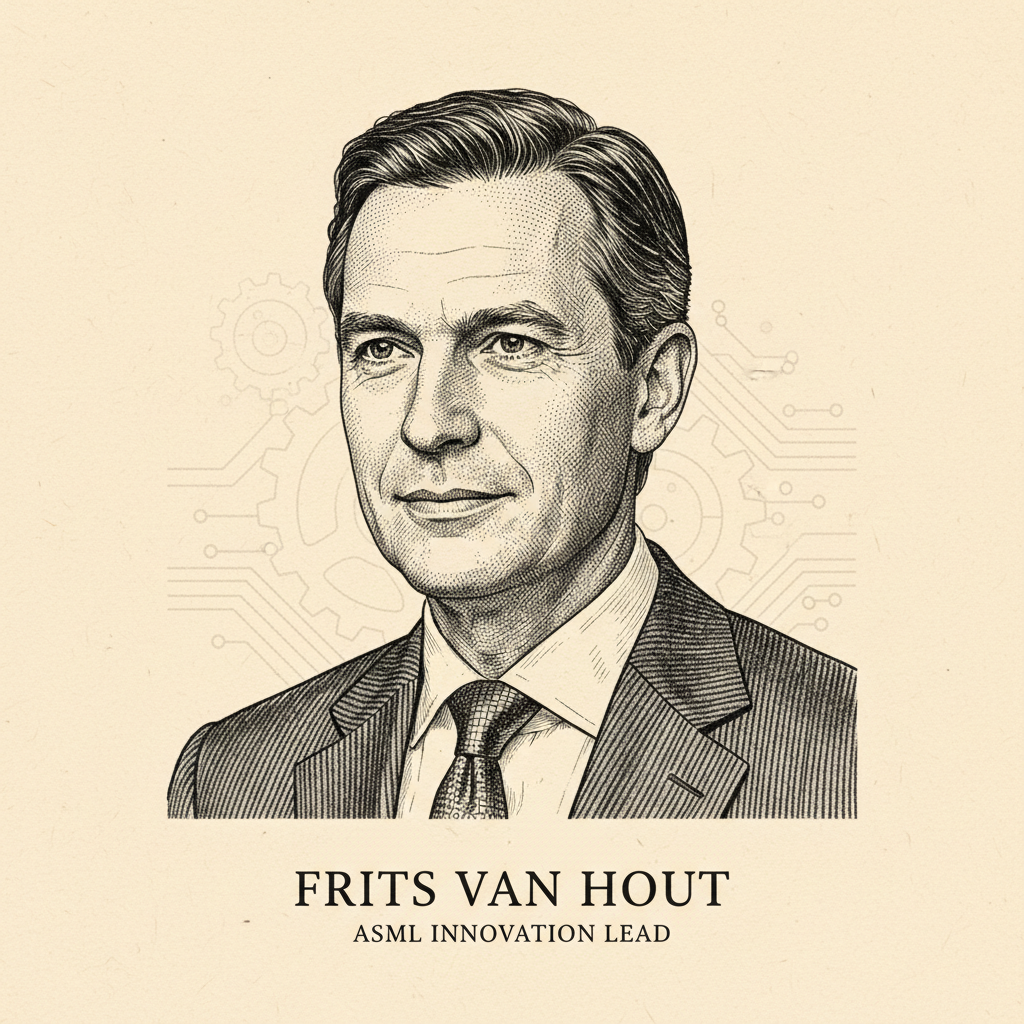
Portrait of Frits van Hout
NETHERLANDS / SEMICONDUCTOR EQUIPMENT
Frits van Hout
Architect of ASML's supply chain and operational resilience, pivotal in scaling extreme ultraviolet (EUV) lithography.
Same Era

Contemporaries — 19th century
Browse all →
Portrait of Andrew Carnegie
UNITED STATES / STEEL & MANUFACTURING
Andrew Carnegie
The architect of American steel supremacy and a pioneering industrialist whose innovations in cost control and vertical integration reshaped global manufacturing.
Portrait of Henry Ford
UNITED STATES / AUTOMOTIVE
Henry Ford
The architect of mass production, democratizing the automobile through efficiency and scale.
Portrait of J. Pierpont Morgan
UNITED STATES / BANKING & FINANCE
J. Pierpont Morgan
The architect of American industrial capitalism and financial stability.
Portrait of Thomas Edison
UNITED STATES / INDUSTRIAL & ENERGY
Thomas Edison
The Prolific Inventor and Industrialist Who Electrified the World and Standardized Innovation.
Portrait of John D. Rockefeller
UNITED STATES / OIL & ENERGY
John D. Rockefeller
Architect of Standard Oil: Pioneering Vertical and Horizontal Integration in the Petroleum Industry.
Portrait of Konosuke Matsushita
JAPAN / CONSUMER ELECTRONICS
Konosuke Matsushita
The Founder of Panasonic, pioneered mass-market electronics and the 'management philosophy' approach to business.
Portrait of Coco Chanel
FRANCE / FASHION & LUXURY
Coco Chanel
The architect of modern female fashion, transforming haute couture into an empire of timeless style and aspirational luxury.
Portrait of Madam C.J. Walker
UNITED STATES / BEAUTY & COSMETICS
Madam C.J. Walker
America's First Self-Made Woman Millionaire, Founder of a Global Haircare and Cosmetics Empire.
Portrait of Henry J. Heinz
UNITED STATES / FOOD & BEVERAGE
Henry J. Heinz
Henry J. Heinz: The pioneer of branded foods, meticulous quality, and innovative marketing, transforming the food industry from local bulk sales to a trusted global enterprise.
Portrait of Otto von Bismarck
GERMANY / NATION-BUILDING / STATECRAFT
Otto von Bismarck
The Iron Chancellor: Unifier of Germany through Realpolitik and Strategic Statecraft.