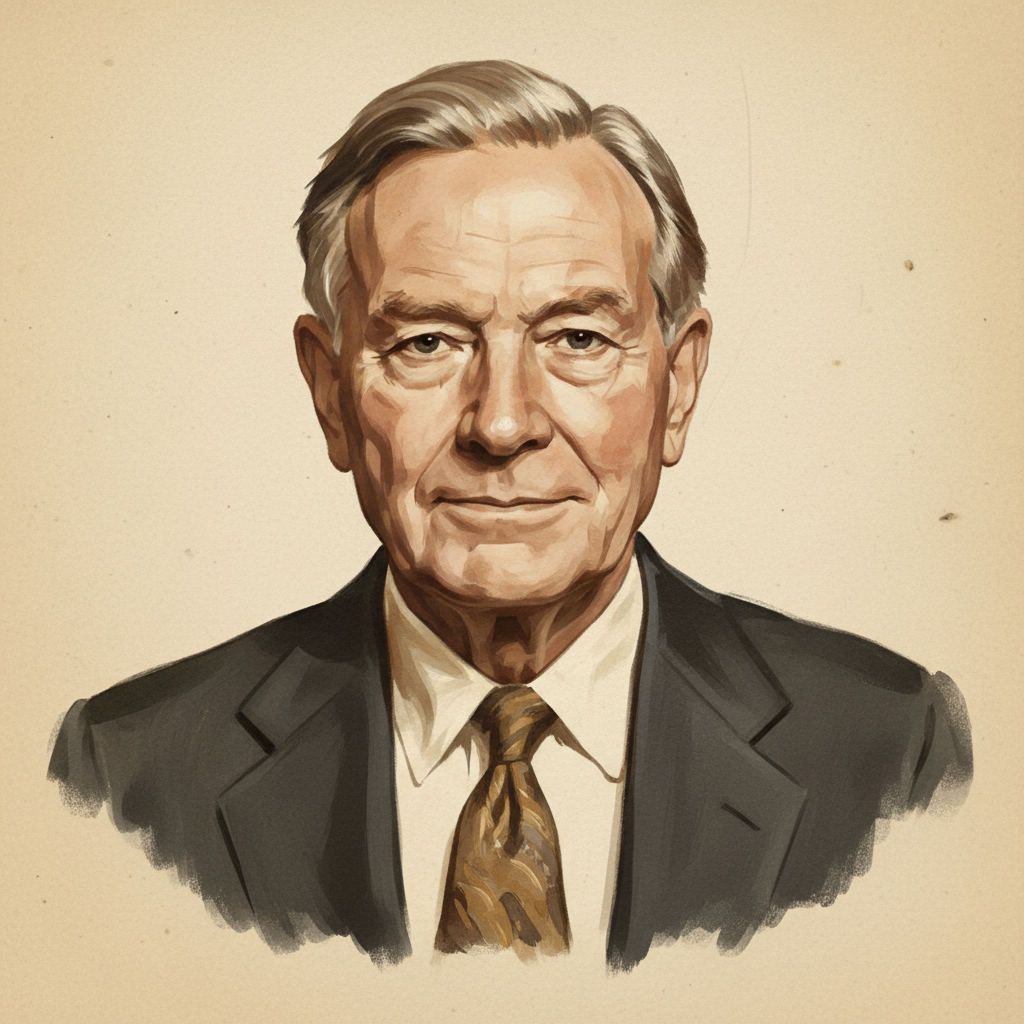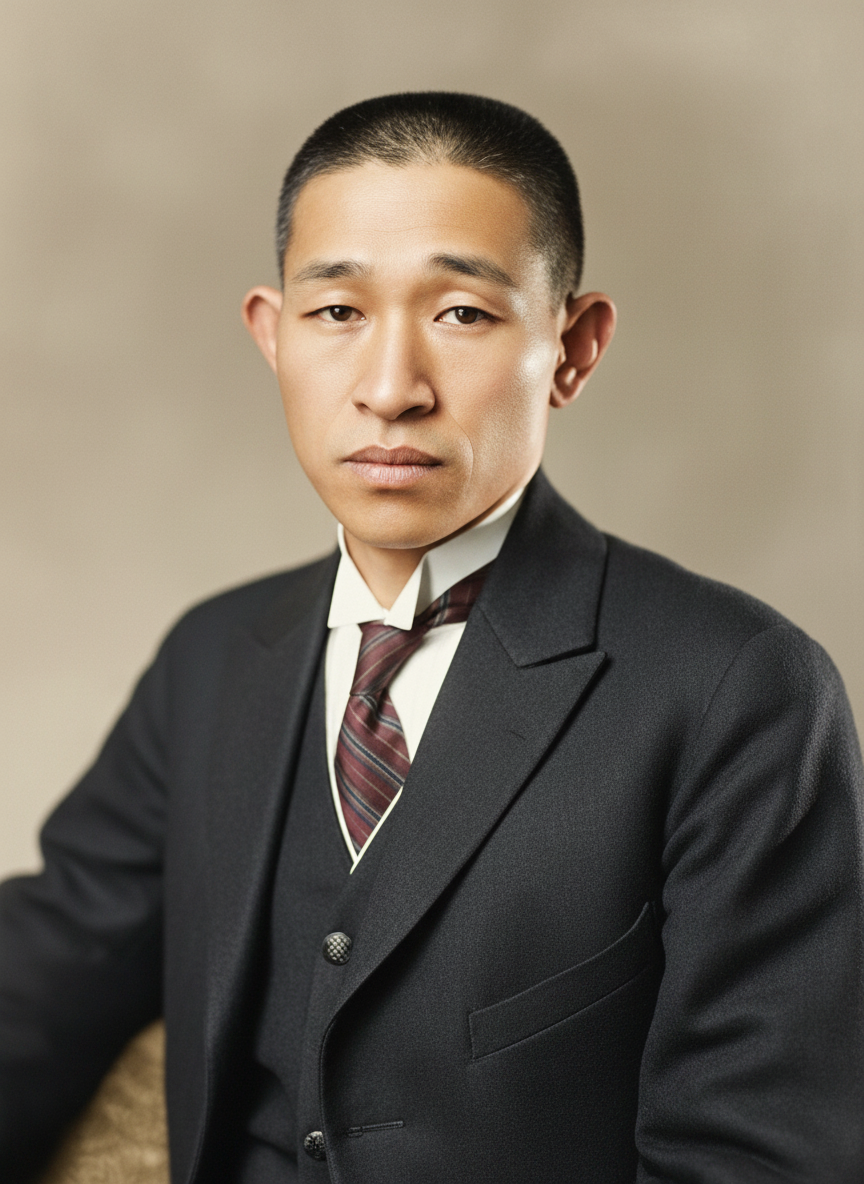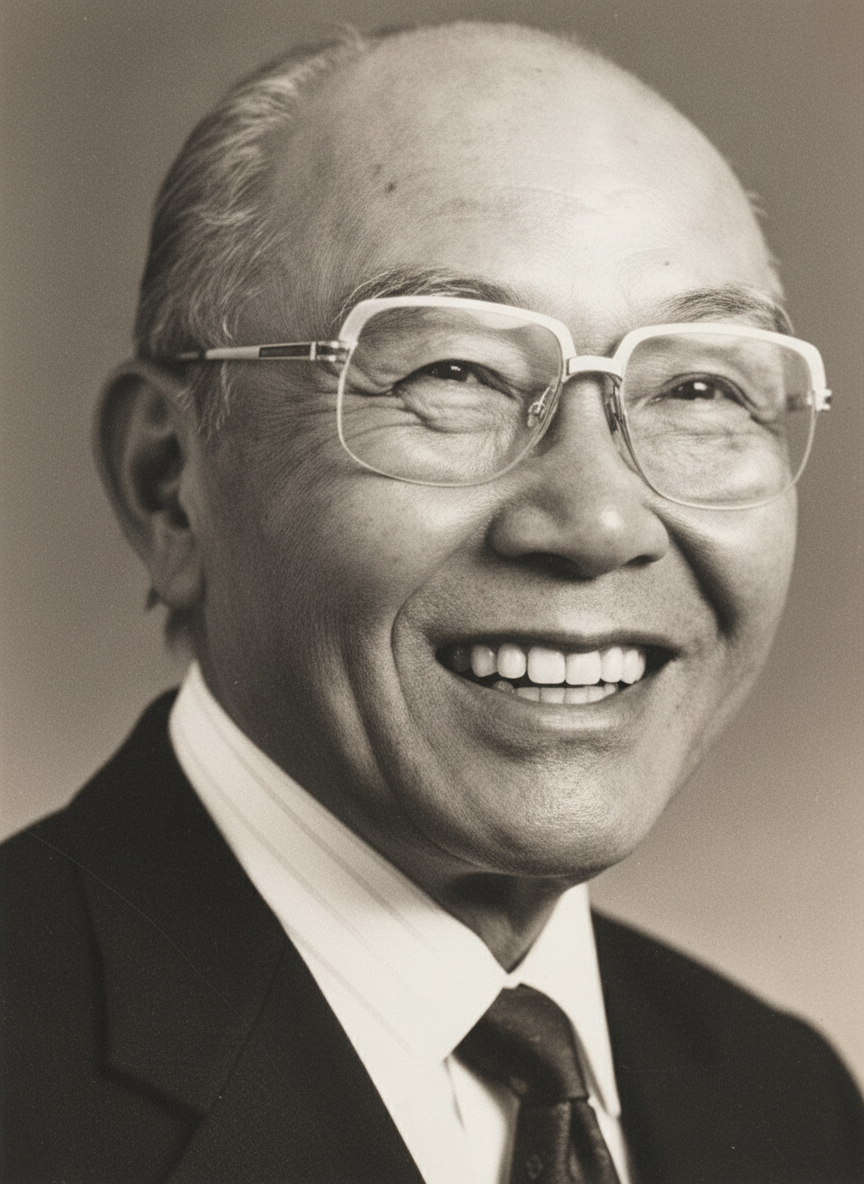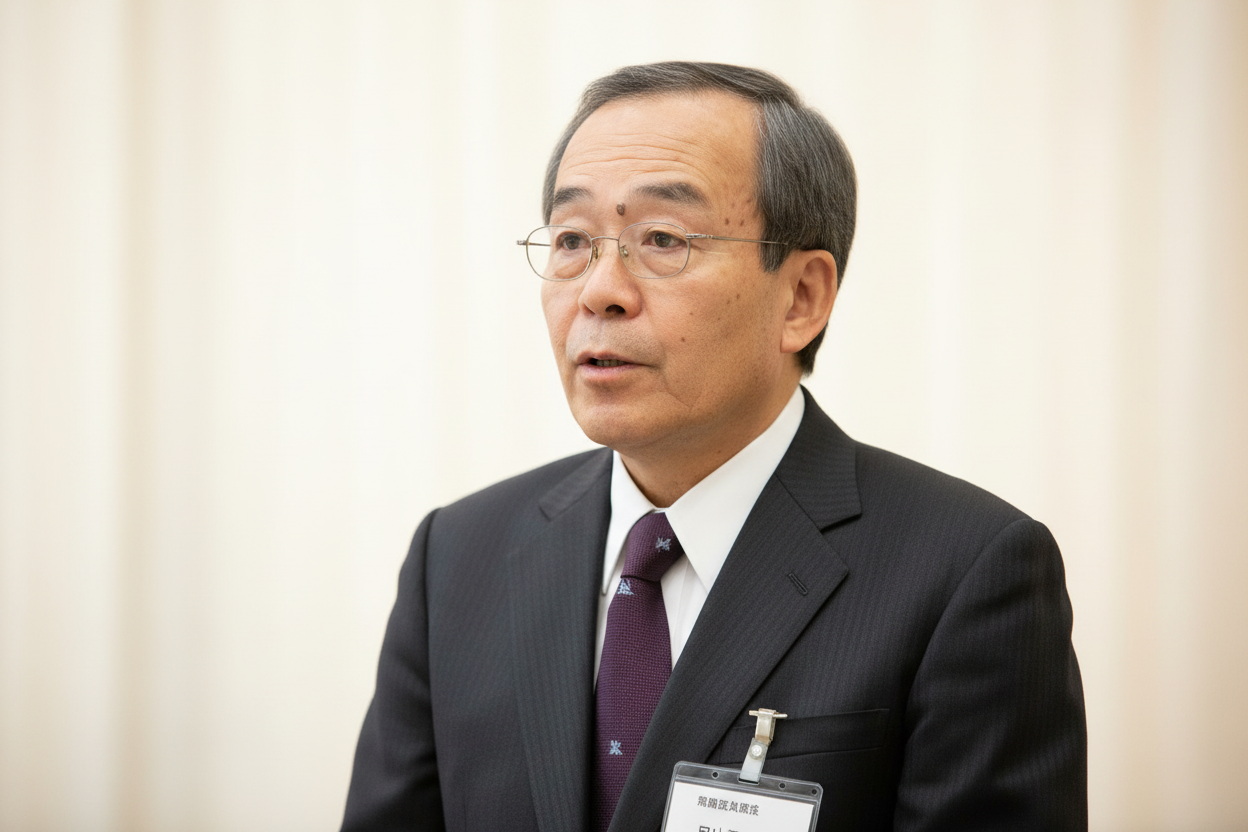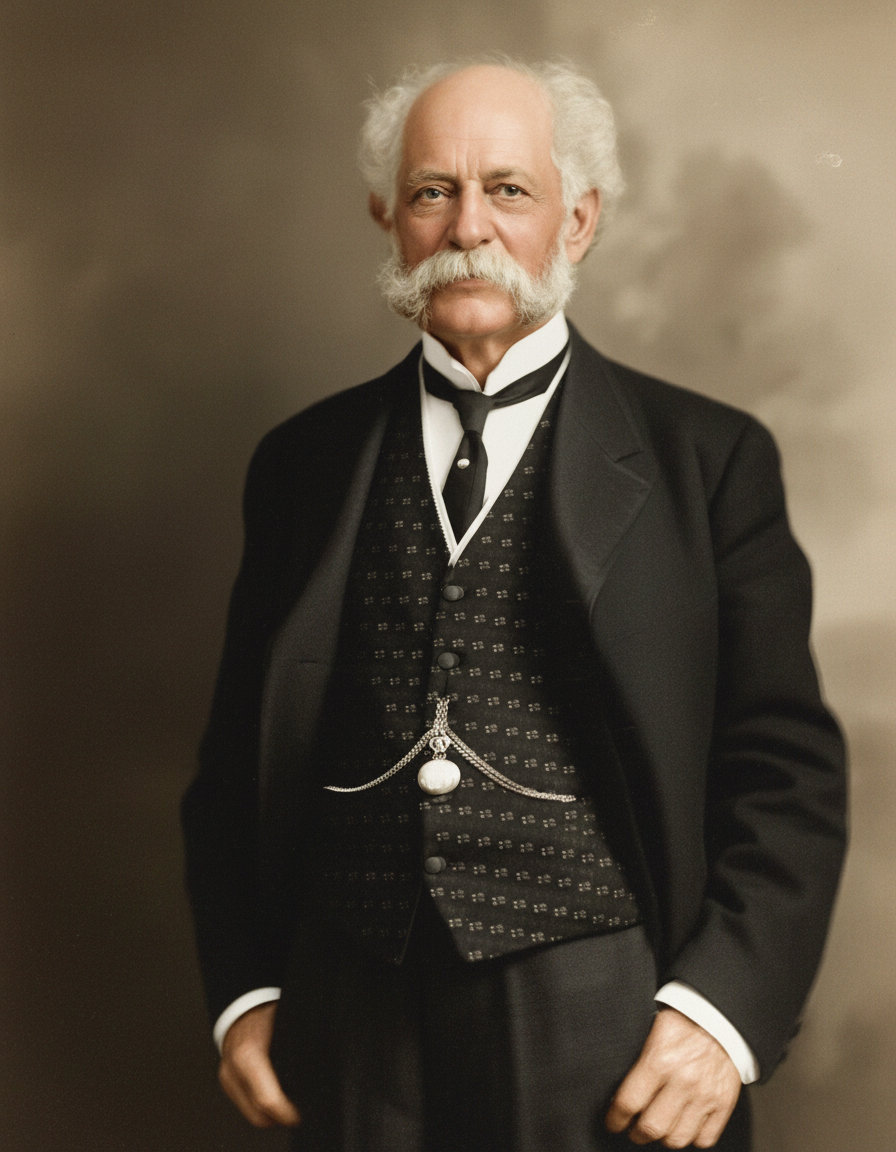
Portrait of Shibusawa Eiichi
Historical Mind · 1840 — 1931

Shibusawa Eiichi

Architect of modern Japanese commerce who popularized the joint-stock corporation and seeded over 500 enterprises on Confucian ethical foundations.

Country
Japan
Continent
Asia
Industry
Banking & Financial Services
Role
Financier, Industrial Architect, and Statesman

Shibusawa Eiichi was a visionary Japanese industrialist, bureaucrat, and banker revered as the 'Father of Japanese Capitalism.' Leveraging insights gained from traveling to Europe during the 1867 Paris Exposition, Shibusawa rejected the insular feudal economic model and championed the joint-stock corporation (gapponshugi). Rather than building a family-controlled zaibatsu monopoly, he catalyzed Japan's modernization by establishing the First National Bank (now Mizuho Bank), the Tokyo Stock Exchange, and more than 500 pioneering enterprises spanning manufacturing, infrastructure, transport, and education, all under the ethical doctrine that commerce must serve the public good.

Biography

Born into a farming and indigo-merchant family in Musashi Province in 1840, Shibusawa Eiichi was educated in the Confucian classics and early merchant practicalities. He was initially drawn to the anti-foreign sonno joi movement, but his administrative talents led to his recruitment into the service of Tokugawa Yoshinobu, the last Tokugawa Shogun. In 1867, Shibusawa traveled to France as part of the Japanese delegation to the Paris Exposition. The 18-month European tour fundamentally reshaped his view of statecraft: observing Western joint-stock structures, central banking, and the high social standing of merchants convinced him that capital aggregation, rather than hereditary status or state-run monopolies, was the key to national resilience. Following the 1868 Meiji Restoration, Shibusawa joined the Ministry of Finance, where he drafted modern tax policies, established the national currency system, and spearheaded the National Bank Act of 1872. Resigning from government in 1873 to demonstrate that talent belonged in private enterprise, Shibusawa founded the First National Bank (Dai-Ichi Kokuritsu Ginko), serving as its president. Through this platform, he operated as a venture capitalist, merchant banker, and institutional builder. He systematically identified critical infrastructure bottlenecks in modernizing Japan and organized private syndicates to resolve them. Shibusawa directly founded or backed foundational companies including Oji Paper (1873), Tokyo Stock Exchange (1878), Osaka Spinning (now Toyobo, 1882), Tokyo Gas (1885), the Imperial Hotel (1890), Sapporo Breweries, and Nippon Yusen (NYK Line). Unlike peers like Iwasaki Yataro of Mitsubishi or the Mitsui house, Shibusawa deliberately avoided concentrating ownership into a single family-controlled zaibatsu. He argued for 'gapponshugi'—pooling distributed capital and management talent for broad socioeconomic progress. In parallel, he established trade associations, chambers of commerce, and over 600 social welfare and higher education institutions, notably Hitotsubashi University and Tokyo Keizai University. His lifelong philosophy, immortalized in 'The Analects and the Abacus' (Rongo to Soroban), asserted that sustainable corporate profitability must be rooted in integrity and public welfare. By his death in 1931, Shibusawa had laid the structural and ethical foundations that transformed Japan from an agrarian feudal society into an industrial superpower.

Accomplishments

  • 01Drafted and executed Japan's National Bank Act of 1872, enabling the transition from feudal scrip to a standardized national financial and currency system.
  • 02Founded Dai-Ichi Kokuritsu Ginko (First National Bank) in 1873, Japan's first commercial joint-stock bank, laying the institutional blueprint for the modern banking system.
  • 03Engineered the capital formation and launch of the Tokyo Stock Exchange in 1878 to facilitate liquidity and transparent public share ownership across Japan.
  • 04Organized, financed, or directed over 500 commercial enterprises across critical sectors, including Oji Paper, Osaka Spinning, Tokyo Gas, Ishikawajima Shipyard (now IHI), and Nippon Yusen (NYK Line).
  • 05Pioneered modern industrial production in textiles by establishing Osaka Spinning in 1882 with steam-powered operations and overnight shifts, breaking foreign textile import dominance.
  • 06Established institutional market infrastructure including the Tokyo Chamber of Commerce and Industry and the Bankers Association, serving as primary interlocutor between private enterprise and government.
  • 07Founded or co-funded over 600 civic and educational institutions, including Hitotsubashi University, Tsuda University, and the Tokyo Poorhouse (Yoikuin), demonstrating institutional commitment to social infrastructure.

Lessons for Operators

Syndicate capital for common infrastructure: Rather than hoarding control, aggregate equity from disparate investors to de-risk large-scale nation-building initiatives.
Balance ethical legitimacy with capital return: Decoupling profitability from social trust breeds instability; sustainable enterprise requires an ethical framework (the Analects) paired with operational measurement (the abacus).
Focus on ecosystem enablement rather than zero-sum extraction: Long-term wealth creation stems from developing foundational platforms (banking, power, paper, transport) that allow hundreds of secondary businesses to thrive.
Professionalize management over familial dynasty: Retain executives and allocate capital based on merit and operational capability rather than hereditary succession.
Bridge state objectives with private-market discipline: Align commercial ventures with broad macroeconomic goals without turning companies into inefficient, state-subsidized bureaucracies.
Exit operational control to seed new industries: Once a mature enterprise achieves self-sustaining cash flows and institutional stability, divest day-to-day authority to deploy capital and attention into emergent frontiers.
The Operator's Playbook

Key Takeaways

Practical lessons distilled for operators, investors, C-levels, and capital allocators.

Lesson 01

Gapponshugi Over Zaibatsu Extraction

Shibusawa rejected the prevailing model of family-controlled monopoly conglomerates in favor of open, joint-stock corporations with widely dispersed shareholding, proving that enterprise networks can scale rapidly without dynastic concentration.

Lesson 02

The Analects and the Abacus

Long before modern ESG or stakeholder capitalism frameworks, Shibusawa codified the principle that economic calculation (the abacus) must operate in harmony with moral integrity (Confucian ethics) to sustain enterprise longevity.

Lesson 03

Infrastructure-First Capital Allocation

He methodically tackled foundational industrial dependencies sequentially—first currency and banking, then paper and communications, followed by maritime transport, heavy industry, and energy—creating compound growth loops for the broader economy.

Lesson 04

Venture Incubation via Ecosystem Building

Rather than acting purely as an investor or manager, Shibusawa operated as a systemic catalyst: he recruited top technical leadership, secured regulatory clarity, organized equity syndicates, and instituted professional governance.

Mental Models

Frameworks & Principles

Named frameworks and strategic principles they popularized or embodied.

01

The Analects and Abacus Matrix (Rongo to Soroban)

A dual-axis strategic framework evaluating every business activity along two dimensions: Economic Profitability (the Abacus) and Moral/Social Utility (the Analects). Ventures falling into high profit but low social value are rejected as destabilizing extraction; ventures with high social value but zero profitability are treated as philanthropic trusts. Sustainable private enterprise exists exclusively in the upper quadrant where disciplined capital returns reinforce public utility.

When to useUse when evaluating new investments, platform business models, or enterprise pivots where long-term regulatory, societal, or counterparty trust is required for enduring enterprise value.

02

Gapponshugi Capital Aggregation Framework

A structural methodology for funding capital-intensive, high-risk infrastructure projects. The model relies on four pillars: 1) Broad-based equity syndication across independent investors to distribute risk; 2) Recruitment of specialized technocrats rather than political or family cronies; 3) Creation of open-market liquidity mechanisms (e.g., public exchanges); and 4) Deliberate non-concentration of majority shares by the orchestrator to preserve executive accountability.

When to useApply when launching high-CapEx infrastructure projects, pioneering venture syndicates, or consortium-led industry utilities where counterparty trust and shared risk distribution are critical to scale.

Citations

Sources & Further Reading

Profiles, interviews, podcasts, and articles used to compile and verify this entry. Each link opens at the original publisher.

Adjacent Minds

Explore Related Titans

Other figures in the archive who share Shibusawa Eiichi's domain, geography, or era.

Finance & Investing

More in Finance & Investing

Browse all →
Portrait of Warren Buffett
UNITED STATES / INVESTING
Warren Buffett
The Oracle of Omaha: Architect of long-term value investing and compounding returns through disciplined acquisition and intrinsic value focus.
Portrait of Charlie Munger
USA / DIVERSIFIED HOLDINGS, INVESTMENT MANAGEMENT
Charlie Munger
The architect of modern value investing at Berkshire Hathaway, known for his multidisciplinary approach and acerbic wit.
Portrait of Mohnish Pabrai
UNITED STATES / FINANCIAL SERVICES
Mohnish Pabrai
The Dhandho Investor: A Value Investing Maverick.
Portrait of Ray Dalio
UNITED STATES / INVESTMENT MANAGEMENT
Ray Dalio
The architect of 'radical transparency' and systematic investing, Ray Dalio built Bridgewater Associates into one of the world's largest and most influential hedge funds.
Portrait of J. Pierpont Morgan
UNITED STATES / BANKING & FINANCE
J. Pierpont Morgan
The architect of American industrial capitalism and financial stability.
Portrait of Sam Altman
UNITED STATES / ARTIFICIAL INTELLIGENCE, VENTURE CAPITAL
Sam Altman
Architect of Artificial General Intelligence and Venture Capital Visionary.
Portrait of Cosimo de' Medici
ITALY / BANKING, FINANCE, STATESMANSHIP
Cosimo de' Medici
The architect of Medici power, leveraging finance and cultural patronage to establish a dynastic legacy.
Portrait of Giovanni di Bicci de' Medici
ITALY / BANKING AND FINANCE
Giovanni di Bicci de' Medici
The silent architect of Florence's financial supremacy and the Medici dynasty.
Portrait of Bruce Kovner
UNITED STATES / FINANCIAL SERVICES
Bruce Kovner
Pioneering Macro Trader and Founder of Caxton Associates
Portrait of Manfredi Lefebvre d'Ovidio
ITALY, MONACO / LEISURE & TRAVEL, INVESTMENTS
Manfredi Lefebvre d'Ovidio
A leisure and travel magnate noted for strategic divestment and investment in high-end tourism.
Japan

From Japan

Browse all →
Portrait of Konosuke Matsushita
JAPAN / CONSUMER ELECTRONICS
Konosuke Matsushita
The Founder of Panasonic, pioneered mass-market electronics and the 'management philosophy' approach to business.
Portrait of Soichiro Honda
JAPAN / AUTOMOTIVE
Soichiro Honda
From garage mechanic to global automotive titan, Soichiro Honda built a legacy grounded in engineering prowess and entrepreneurial zeal.
Portrait of Akio Morita
JAPAN / CONSUMER ELECTRONICS
Akio Morita
Akio Morita, co-founder of Sony Corporation, transformed a war-torn electronics repair shop into a global consumer electronics giant, championing innovation, global branding, and design-led product development.
Portrait of Masayoshi Son
JAPAN / TECHNOLOGY, TELECOMMUNICATIONS, INVESTMENT
Masayoshi Son
Visionary founder of SoftBank, pioneering global technology investing with audacious long-term bets.
Portrait of Kiichiro Toyoda
JAPAN / AUTOMOTIVE
Kiichiro Toyoda
The engineer who pivoted a textile machinery company into a global automotive titan by relentlessly pursuing 'just-in-time' efficiency.
Portrait of Sakichi Toyoda
JAPAN / MANUFACTURING
Sakichi Toyoda
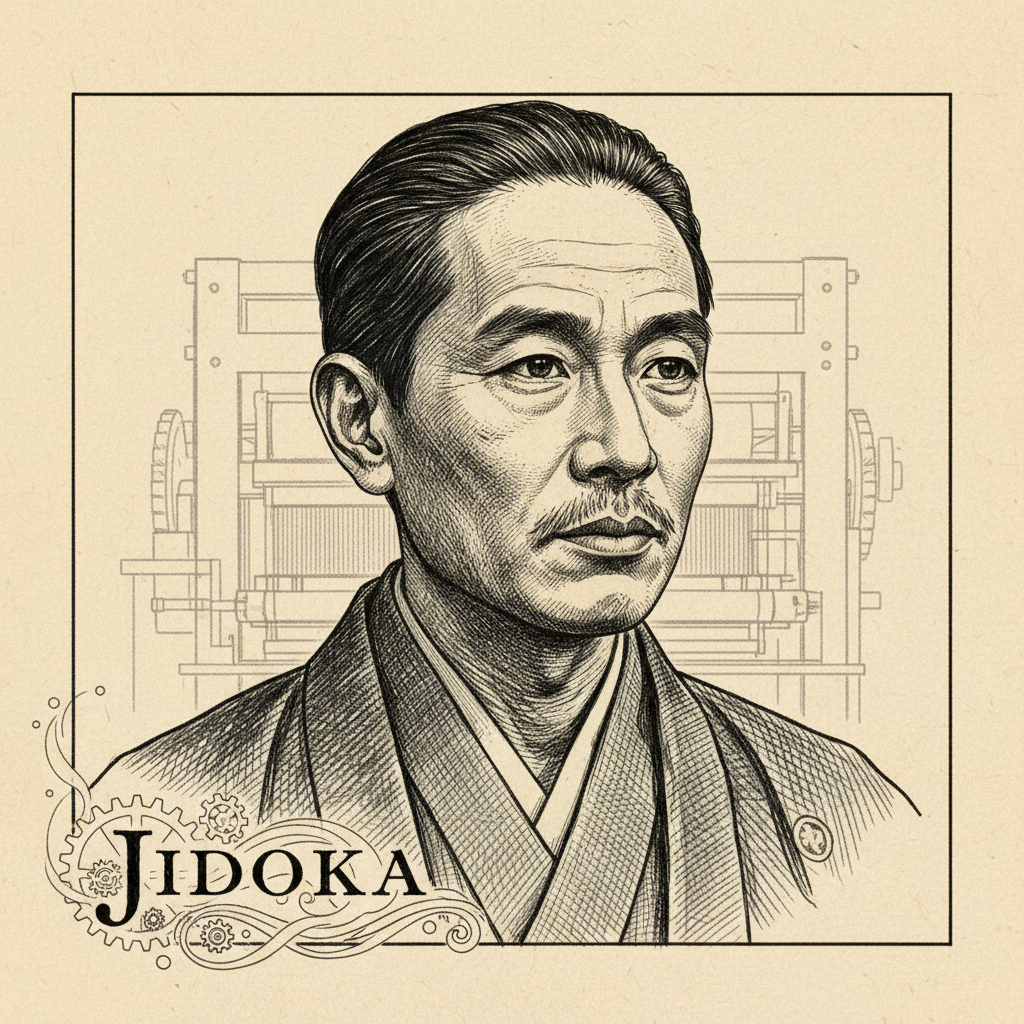
The father of the Japanese industrial revolution and founder of Toyota Industries, Sakichi Toyoda pioneered automatic loom technology and established the principles of 'Jidoka' and continuous improvement that underpin modern manufacturing.
Portrait of Koji Sato
JAPAN / AUTOMOTIVE
Koji Sato
A Toyota veteran ascending to lead the automotive giant's electrification and sustainable growth strategy.
Portrait of Hajime Satomi
JAPAN / ENTERTAINMENT, GAMING, LEISURE
Hajime Satomi
Hajime Satomi: The Architect of SEGA Sammy Holdings and a Japanese Entertainment Conglomerate Leader
Portrait of Masamichi Honda
JAPAN / AUTOMOTIVE
Masamichi Honda
Masamichi Honda: Architect of Honda's electrification strategy and a pivotal figure in autonomous driving technology.
Portrait of Takeshi Uchiyamada
JAPAN / AUTOMOTIVE
Takeshi Uchiyamada
The 'Father of the Prius,' whose engineering leadership transformed automotive propulsion and positioned Toyota as a leader in sustainable mobility.
Same Era

Contemporaries — 19th century
Browse all →
Portrait of Andrew Carnegie
UNITED STATES / STEEL & MANUFACTURING
Andrew Carnegie
The architect of American steel supremacy and a pioneering industrialist whose innovations in cost control and vertical integration reshaped global manufacturing.
Portrait of Henry Ford
UNITED STATES / AUTOMOTIVE
Henry Ford
The architect of mass production, democratizing the automobile through efficiency and scale.
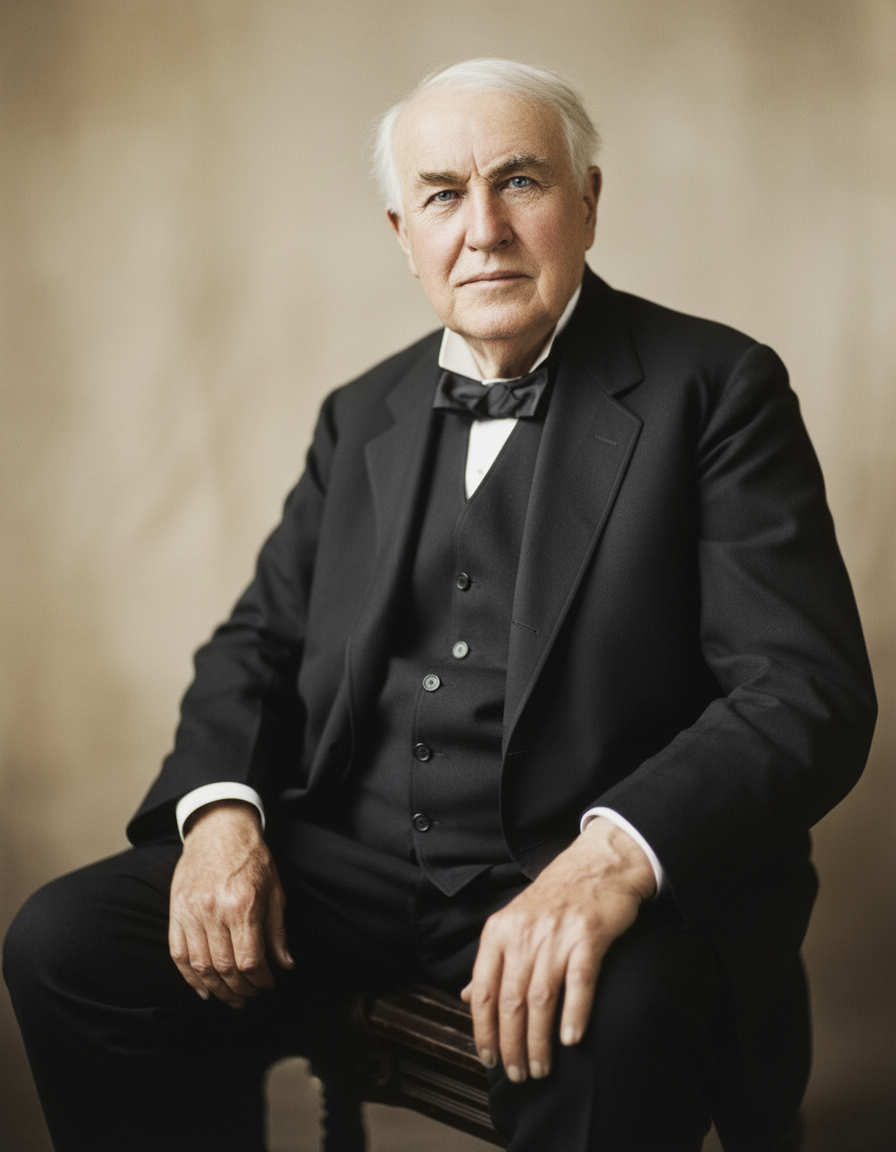
Portrait of Thomas Edison
UNITED STATES / INDUSTRIAL & ENERGY
Thomas Edison
The Prolific Inventor and Industrialist Who Electrified the World and Standardized Innovation.
Portrait of J. Pierpont Morgan
UNITED STATES / BANKING & FINANCE
J. Pierpont Morgan
The architect of American industrial capitalism and financial stability.
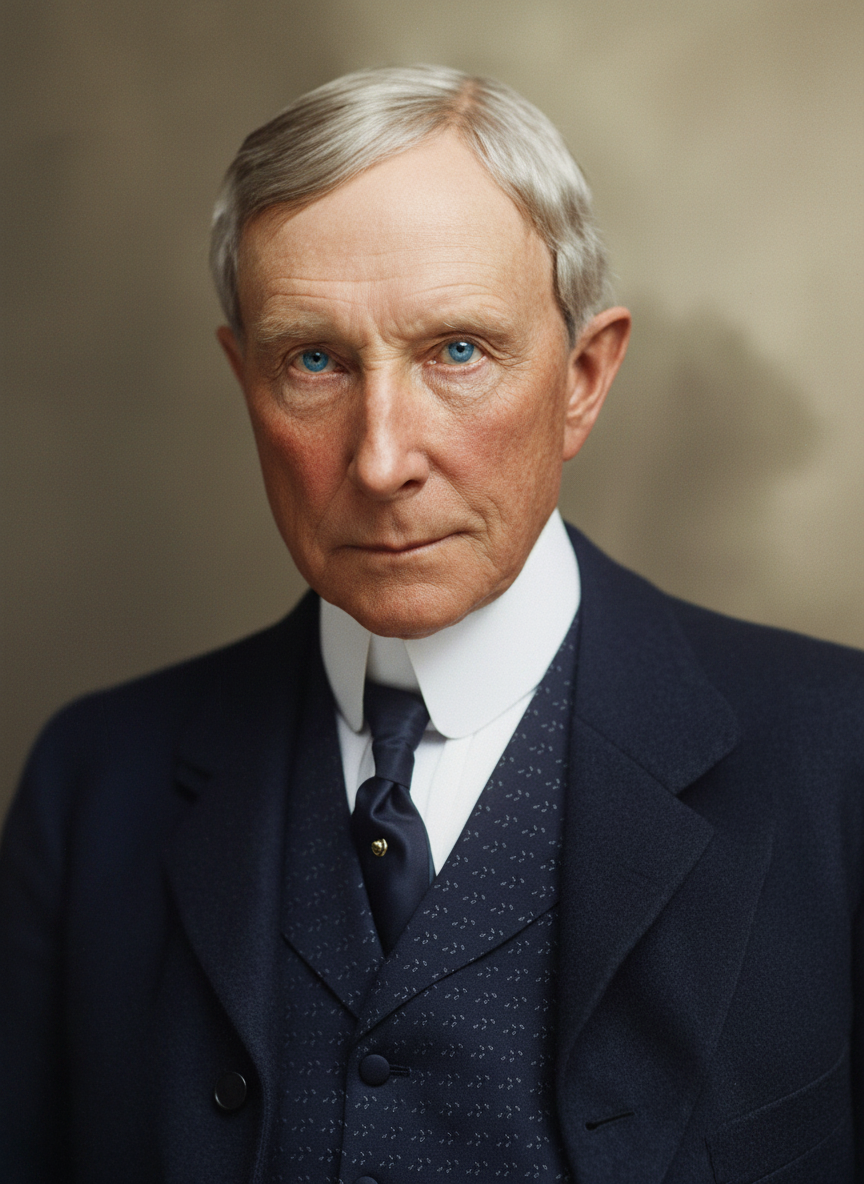
Portrait of John D. Rockefeller
UNITED STATES / OIL & ENERGY
John D. Rockefeller
Architect of Standard Oil: Pioneering Vertical and Horizontal Integration in the Petroleum Industry.
Portrait of Konosuke Matsushita
JAPAN / CONSUMER ELECTRONICS
Konosuke Matsushita
The Founder of Panasonic, pioneered mass-market electronics and the 'management philosophy' approach to business.
Portrait of Coco Chanel
FRANCE / FASHION & LUXURY
Coco Chanel
The architect of modern female fashion, transforming haute couture into an empire of timeless style and aspirational luxury.
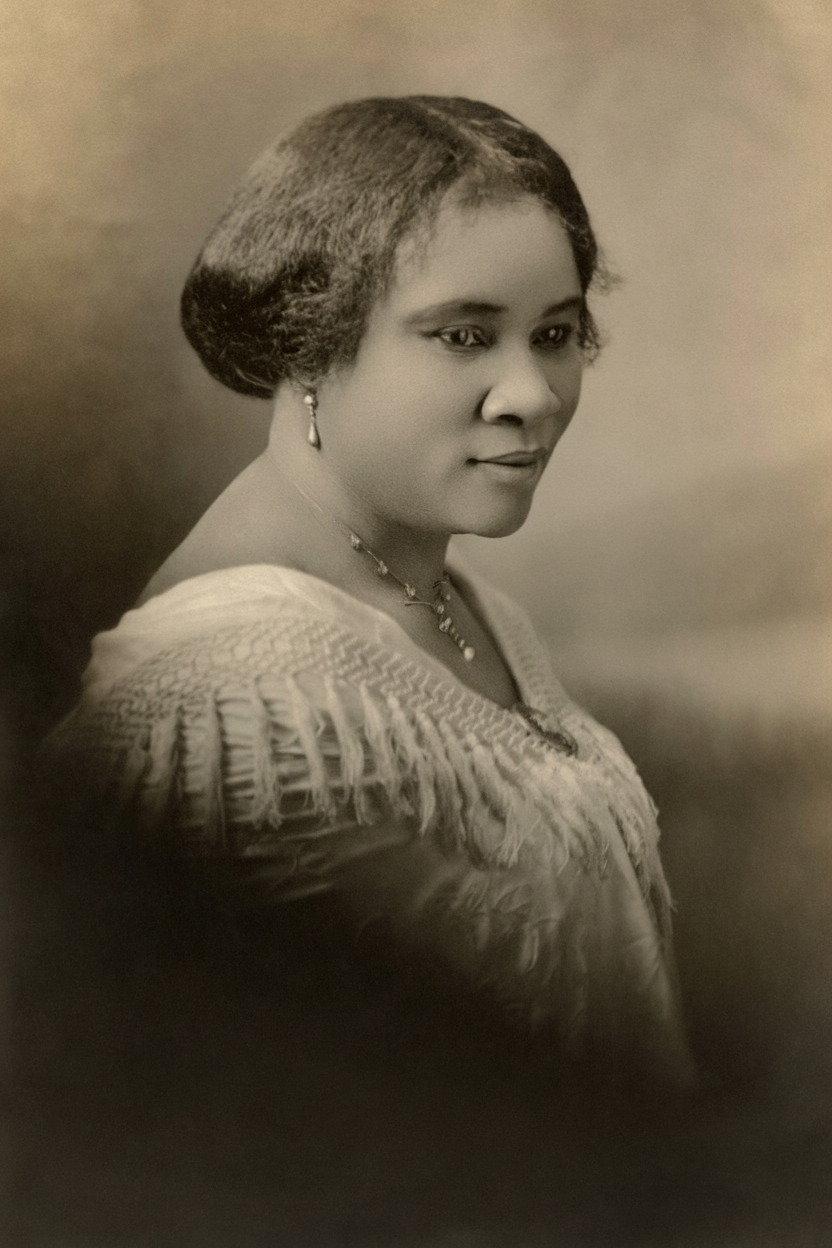
Portrait of Madam C.J. Walker
UNITED STATES / BEAUTY & COSMETICS
Madam C.J. Walker
America's First Self-Made Woman Millionaire, Founder of a Global Haircare and Cosmetics Empire.
Portrait of Henry J. Heinz
UNITED STATES / FOOD & BEVERAGE
Henry J. Heinz
Henry J. Heinz: The pioneer of branded foods, meticulous quality, and innovative marketing, transforming the food industry from local bulk sales to a trusted global enterprise.
Portrait of Otto von Bismarck
GERMANY / NATION-BUILDING / STATECRAFT
Otto von Bismarck
The Iron Chancellor: Unifier of Germany through Realpolitik and Strategic Statecraft.