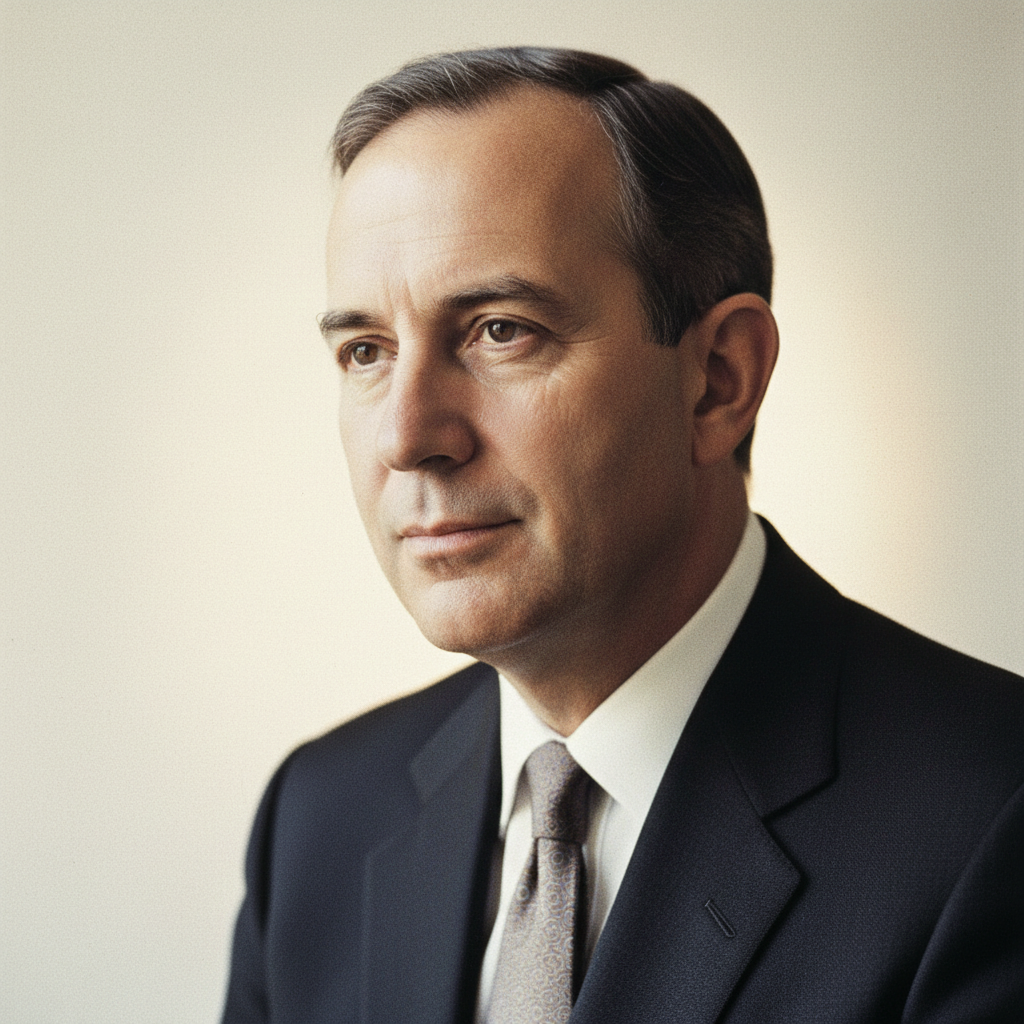
Bruce Kovner
Pioneering Macro Trader and Founder of Caxton Associates
Bruce Kovner is an American billionaire hedge fund manager and philanthropist. He founded Caxton Associates in 1983, building it into a diversified trading powerhouse before establishing CAM Capital in 2012 to manage his personal investment and philanthropic activities.
Biography
Accomplishments
- 01Founded Caxton Associates in 1983, building it into a leading global macro hedge fund.
- 02Managed Caxton Associates as Chairman from 1983 through 2011, delivering significant returns.
- 03Established CAM Capital in January 2012 to manage his investment, trading, and philanthropic activities.
- 04Achieved billionaire status through astute investment and trading strategies (Net worth estimated at US$7.7 billion as of April 2024).
- 05Developed a reputation for rigorous risk management and sophisticated macroeconomic analysis in trading.
- 06Chairing the board of Lincoln Center for the Performing Arts.
Lessons for Operators
Key Takeaways
Practical lessons distilled for operators, investors, C-levels, and capital allocators.
Risk Management First
Kovner's primary lesson is that survival is the first priority. Implement strict stop-losses, cap position sizes relative to total capital, and understand your maximum downside risk before entering any trade. Preserving capital allows for future opportunities.
Macroeconomic Acumen
Develop models and analytical frameworks to interpret global economic data, central bank statements, and geopolitical developments. Successful trading often hinges on anticipating major shifts in interest rates, currencies, and commodities driven by these forces.
Discipline and Patience
Emotional control is critical. Avoid impulsive decisions driven by fear or greed. Stick to your predefined trading plan, risk parameters, and investment thesis. Patience for opportunities to materialize and for trades to develop is a key advantage.
Learning and Adaptation
Markets are dynamic. Continuously educate yourself on new theories, technologies, and market behaviors. Be willing to re-evaluate your assumptions and adapt your strategies as conditions change.
Holistic Perspective
Draw insights from diverse fields, not just finance. Kovner's broad intellectual base allowed him to see connections and implications that others missed. A multidisciplinary approach can foster unique edge.
Frameworks & Principles
Named frameworks and strategic principles they popularized or embodied.
Global Macro Trading
Investing decisions are driven by high-level systemic considerations, focusing on interest rate differentials, currency valuations, commodity price trends, and major geopolitical shifts. Positions are typically concentrated and often involve derivatives to express views on these macro themes.
When to useApplicable when identifying significant dislocations or impending shifts in global economic policy or geopolitical equilibria. Requires deep research into monetary policy, fiscal policy, international trade, and market psychology.
Risk-Adjusted Sizing
A methodical approach to determining position size based on the volatility of the asset, the potential loss on the trade, and the overall risk tolerance of the portfolio. This ensures no single trade can disproportionately impact overall capital.
When to useEssential for any trading or investment activity. Apply this framework for every new position to ensure consistency in risk exposure and to protect against catastrophic losses. Often involves calculating 'units of risk' per trade.
Behavioral Arbitrage (Implied)
While not explicitly stated as a 'framework,' Kovner's success often involved identifying market inefficiencies caused by crowd psychology, overreactions, or under-reactions to fundamental information. He capitalized on the gap between intrinsic value (or fundamental trajectory) and market price.
When to useUtilize when markets appear to be mispricing assets due to emotional trading, narrative-driven biases, or short-term noise that deviates from long-term fundamental drivers. Requires a strong counter-narrative and discipline.
Recent Appearances
Latest interviews, keynotes, and press from the past half year.
 youtube.com
 youtube.com
 youtube.com
 youtube.com
 youtube.com
 youtube.com
 youtube.com
![Market Wizards by Jack D. Schwager [ Full Audiobook Free ]](https://i.ytimg.com/vi/d3rGHFy01uk/hqdefault.jpg) youtube.com
youtube.com youtube.com
 youtube.com
 youtube.com
 youtube.com
 youtube.com
 youtube.com
 youtube.com
 youtube.com
 youtube.com
 m.youtube.com
 youtube.com
 youtube.com
 youtube.com
 youtube.com
 youtube.com
 m.youtube.com
 youtube.com
 youtube.com
 youtube.com
 youtube.comyoutube.com
 youtube.com
 youtube.com
 youtube.com
 youtube.com
 youtube.com
 youtube.com
 youtube.com
 youtube.com
 youtube.com
 youtube.com
 youtube.comyoutube.com
 youtube.com
 youtube.com
 youtube.com
 youtube.comyoutube.com
 youtube.com
 youtube.com
 youtube.com
 youtube.com
 youtube.com
 youtube.com
 youtube.com
 youtube.com
 youtube.com
Sources & Further Reading
Profiles, interviews, podcasts, and articles used to compile and verify this entry. Each link opens at the original publisher.
Explore Related Titans
Other figures in the archive who share Bruce Kovner's domain, geography, or era.
More in Finance & Investing





From United States