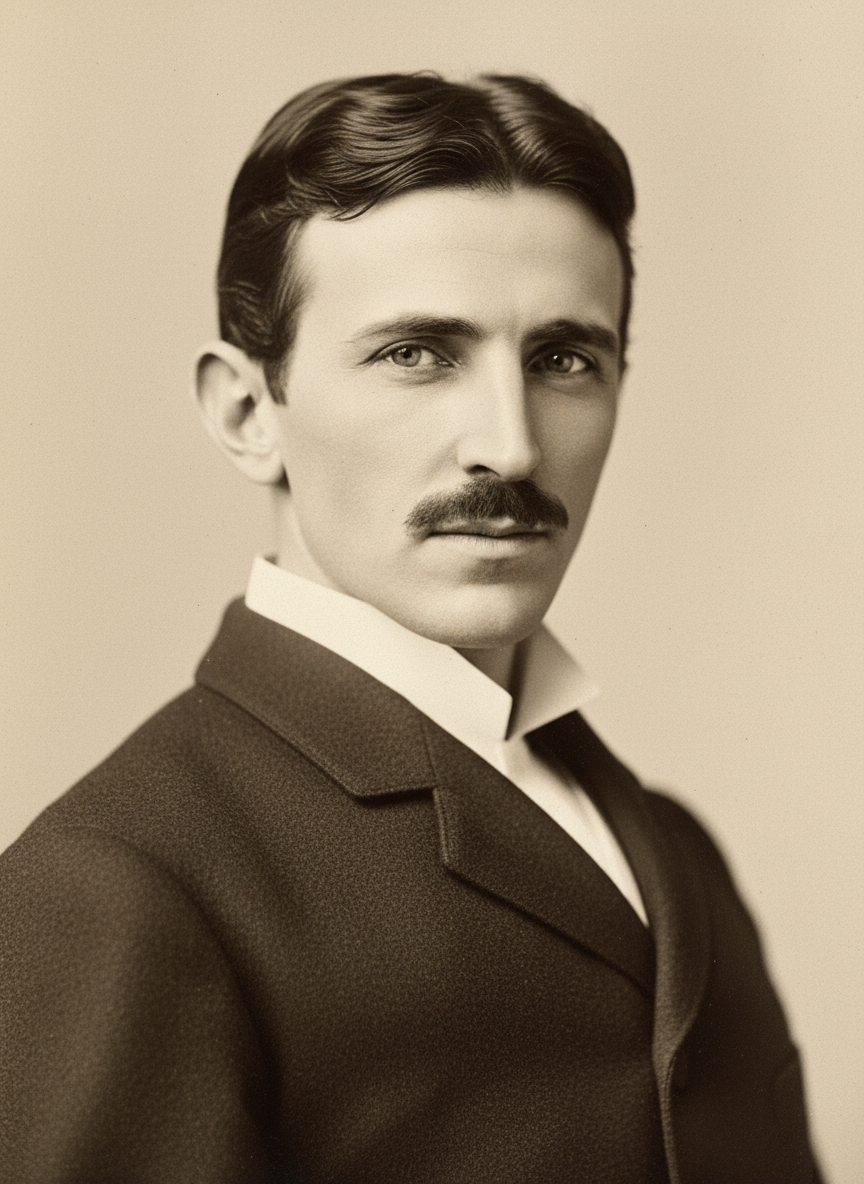
Iwasaki Yataro
Architect of Mitsubishi who leveraged state patronage, maritime dominance, and resource integration to build Japan's foremost zaibatsu.
Iwasaki Yataro rose from an impoverished lower-ranking samurai background in Tosa to establish Mitsubishi, the preeminent maritime and industrial powerhouse of Meiji Japan. By aligning his commercial fleet with state strategic priorities during the 1874 Taiwan Expedition and the 1877 Satsuma Rebellion, he secured near-monopoly mail subsidies, vessels, and capital. He systematically integrated horizontally across marine transport and vertically into coal mining, marine insurance, and shipbuilding, laying the organizational foundation of the modern Japanese zaibatsu.
Biography
Accomplishments
- 01Transformed the liquidated shipping assets of Tosa domain into Mitsubishi Shokai (1873), creating Japan's first globally competitive private merchant marine.
- 02Ousted dominant Western shipping cartels—forcing Pacific Mail to sell its Shanghai-Yokohama branch in 1875 and undercutting P&O's coastal monopoly through disciplined pricing and nationalist appeal.
- 03Monopolized domestic wartime logistics for the Meiji government during the 1874 Taiwan Expedition and 1877 Satsuma Rebellion, capturing state subsidies and surplus capital.
- 04Pioneered vertical zaibatsu integration by acquiring the Takashima Coal Mine (1881) for bunker fuel, pioneering Tokyo Marine Insurance (1879), and securing the lease of Nagasaki Shipyard (1884).
- 05Established Japan's first commercial marine school (Mitsubishi Shosen Gakko, later Tokyo University of Marine Science and Technology) in 1875 to domesticate maritime engineering and navigation talent.
- 06Instituted rigorous commercial accounting, hierarchical administrative structures, and direct performance-based compensation across a sprawling multi-industry enterprise.
Lessons for Operators
Key Takeaways
Practical lessons distilled for operators, investors, C-levels, and capital allocators.
State Geopolitics as an Early-Stage Capital Engine
Yataro achieved scale not through open equity markets, but by positioning Mitsubishi as the indispensable logistical arm of the Meiji state during times of war, trading balance-sheet risk for permanent operational subsidies and gifted assets.
Ecosystem Synergies over Standalone Profitability
Mitsubishi used maritime transport as an anchor to build self-reinforcing monopolies in mining, trade finance, warehousing, and insurance, allowing individual business units to cross-subsidize one another during market downturns.
Calculated Aggression in Capital-Intensive Moats
In his battles against Pacific Mail and Kyodo Unyu, Yataro demonstrated that market-share dominance in logistics belongs to the operator willing to bleed cash the longest while maintaining tight operational cost controls.
Corporate Resilience Beyond the Strongman Founder
While Yataro's autocratic management style brought the firm to the brink of disaster during the Kyodo Unyu price war, his talent infrastructure and industrial asset base allowed his successors to institutionalize the enterprise into a durable conglomerate.
Frameworks & Principles
Named frameworks and strategic principles they popularized or embodied.
State-Aligned Asset Arbitrage (SAAA)
A strategic model where private firms take on high-risk, logistically complex missions for sovereign states during structural transformations or crises in exchange for distressed public assets, regulatory moats, and operational subsidies.
When to useApplicable in emerging economies, frontier sectors, or infrastructure plays where private capital markets are shallow and state patronage dictates market access.
Logistical Anchor Integration
Building an empire around a core transportation or distribution network by acquiring upstream inputs (fuel, raw commodities) and downstream facilitators (insurance, repair docks, trade finance) to capture margin across the entire throughput cycle.
When to useOptimal for capital allocators in asset-heavy transport, supply chain, or energy markets looking to insulate core operations against extreme commodity and freight cyclicality.
Sources & Further Reading
Profiles, interviews, podcasts, and articles used to compile and verify this entry. Each link opens at the original publisher.
Explore Related Titans
Other figures in the archive who share Iwasaki Yataro's domain, geography, or era.
More in Technology







From Japan



Contemporaries — 19th century