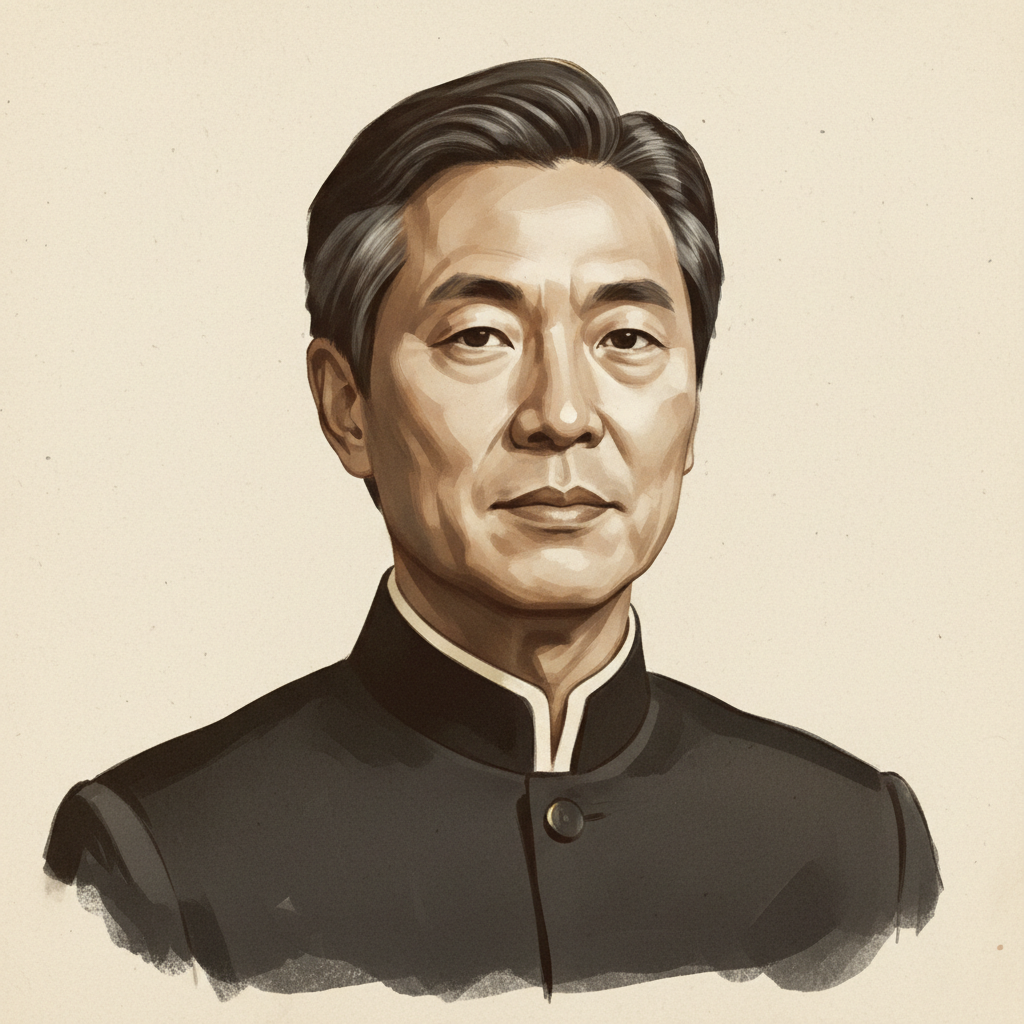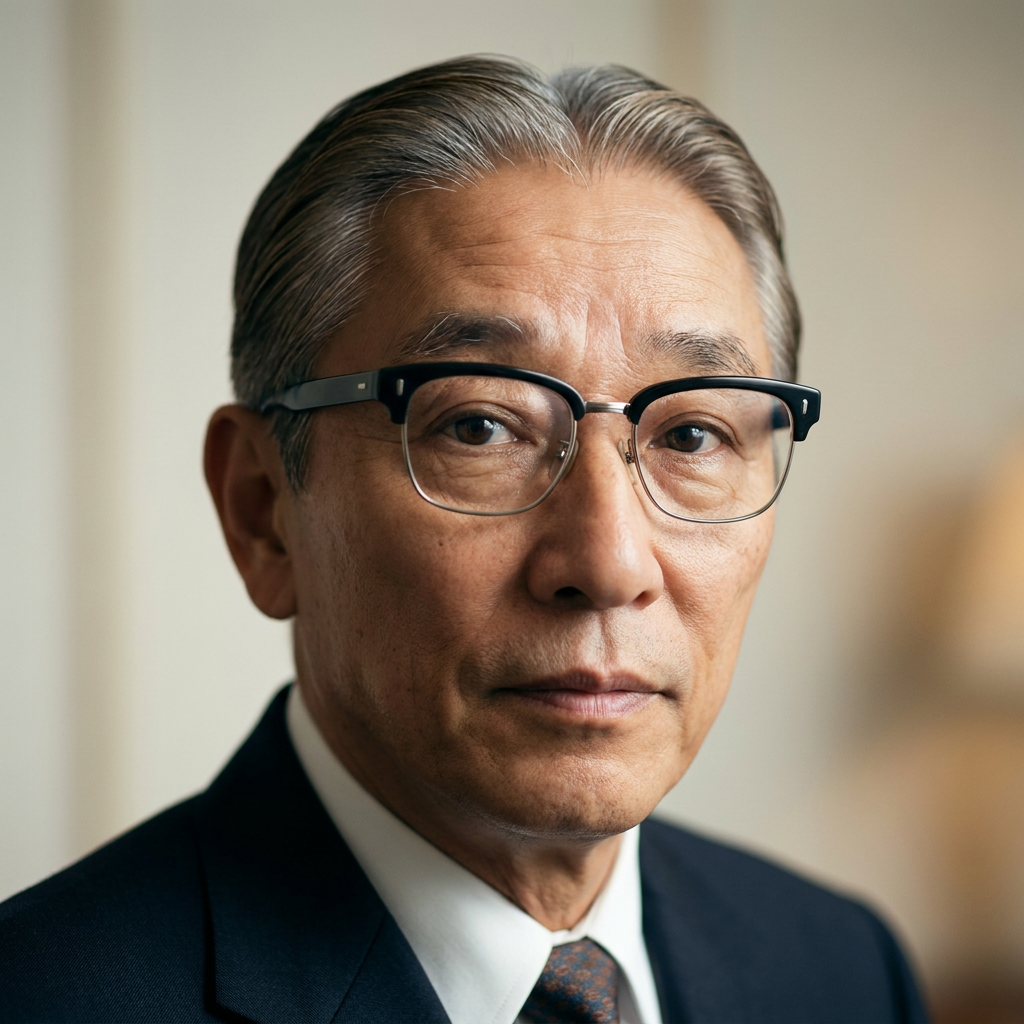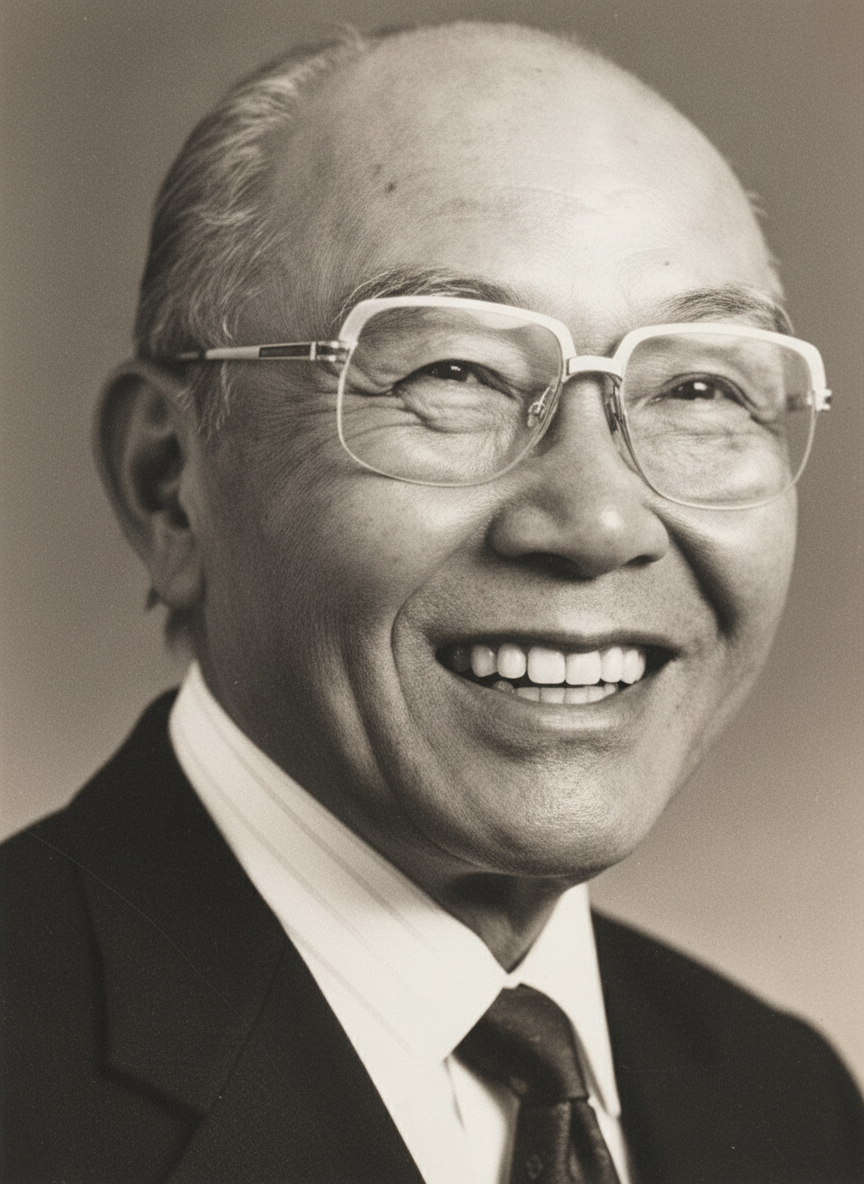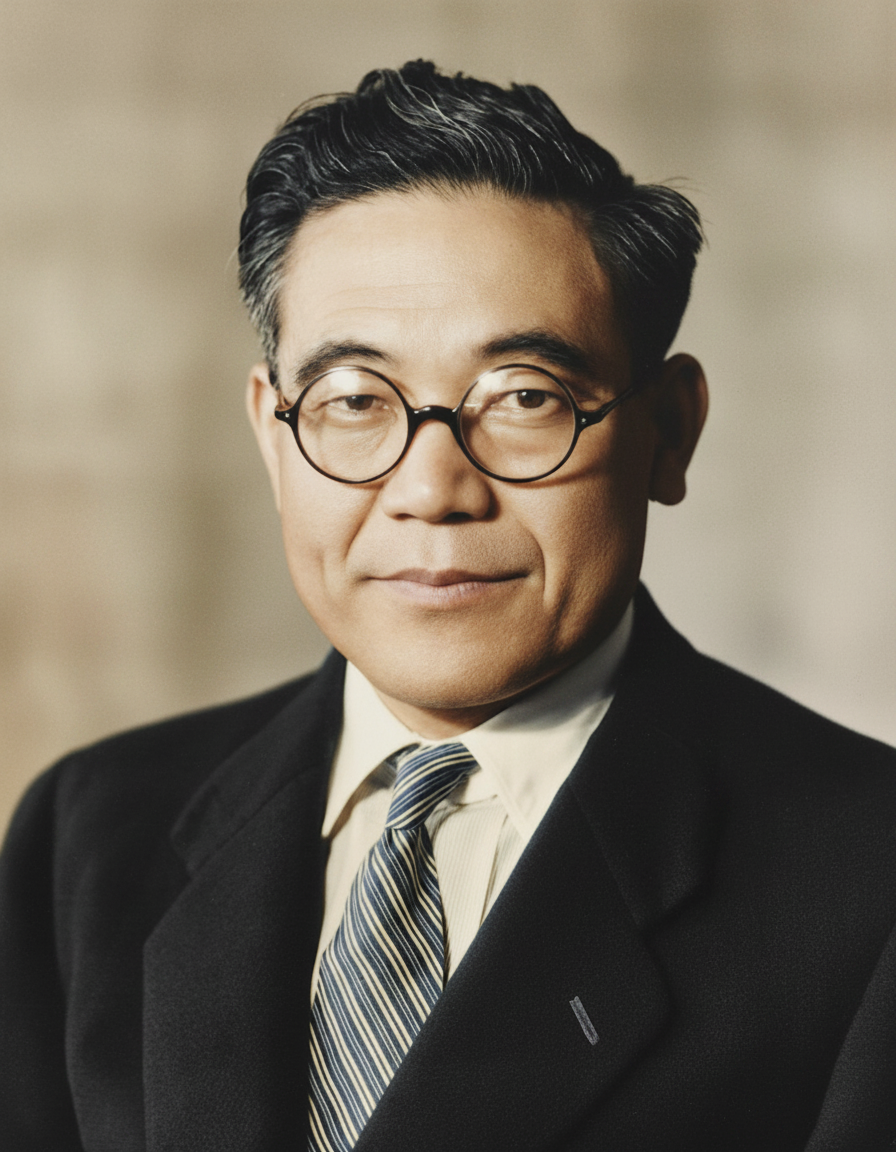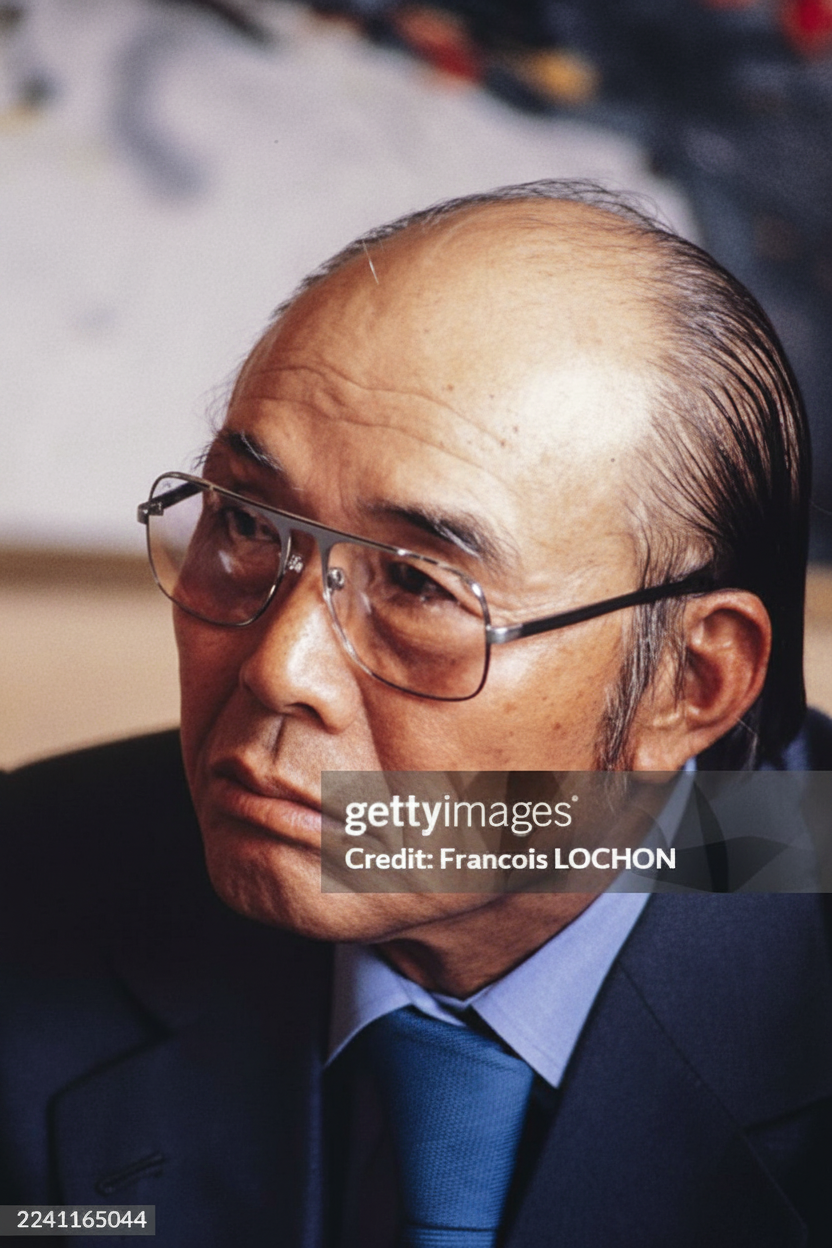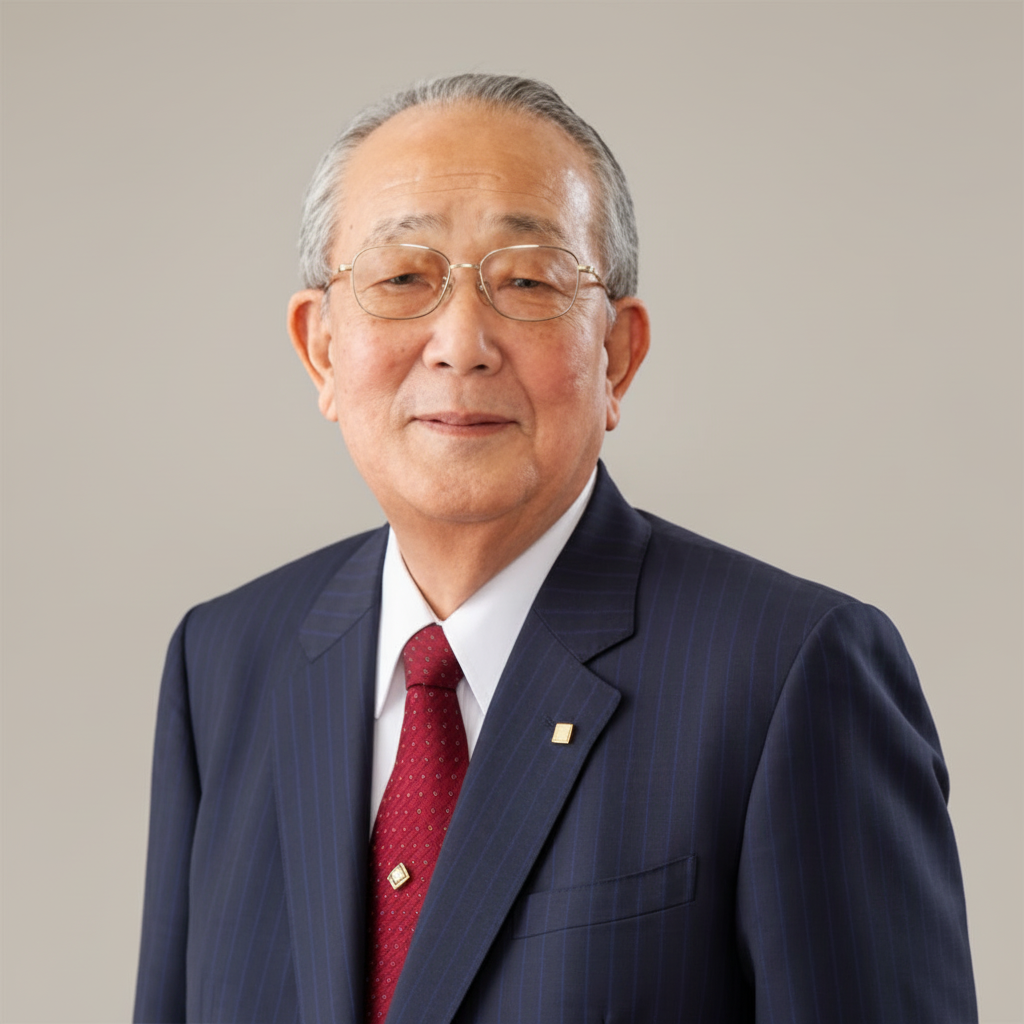
Portrait of Kazuo Inamori
Modern Architect · 1932 — 2022

Kazuo Inamori

Architect of Amoeba Management, founder of Kyocera and KDDI, and mastermind of the historic Japan Airlines turnaround.

Country
Japan
Continent
Asia
Industry
Electronics & Telecommunications / Aviation
Role
Industrialist, Founder & Turnaround CEO

Kazuo Inamori was one of postwar Japan's most revered industrial titans. He founded Kyocera in 1959, transforming a modest Kyoto ceramics workshop into an advanced materials and electronics conglomerate, and launched DDI (now KDDI) in 1984 to break the state telecommunications monopoly. In 2010, at age 78, he took over bankrupt Japan Airlines pro bono, executing one of corporate history's fastest operational turnarounds by deploying his decentralized Amoeba Management system and philosophical leadership framework.

Biography

Born in Kagoshima in 1932, Kazuo Inamori graduated from Kagoshima University with an applied chemistry degree before joining Shofu Industries, an insulator manufacturer on the verge of failure. Frustrated by poor management, Inamori resigned and in 1959 founded Kyoto Ceramic Co. (Kyocera) alongside seven colleagues with an initial capital of 3 million yen. Capitalizing on precision technical ceramics for the emerging semiconductor sector, Kyocera secured crucial early contracts from IBM for alumina ceramic substrates, propelling the company onto the global stage. Over four decades, Inamori steered Kyocera through continuous profitability, leveraging ultra-conservative balance sheet management with zero debt. In 1984, recognizing the inefficiencies of Nippon Telegraph and Telephone's (NTT) state monopoly, Inamori founded Daini Denden (DDI), later merging with KDD and IDO in 2000 to form KDDI, which grew into Japan's second-largest telecommunications network. Beyond operational expansion, Inamori synthesized his management doctrines into the Amoeba Management system, a granular managerial accounting structure that splits enterprises into self-governing profit centers. In 1983, he established Seiwajyuku, a voluntary leadership academy through which he mentored over 14,000 small and mid-market business owners worldwide, and in 1984 established the Inamori Foundation to award the prestigious Kyoto Prize. In February 2010, at age 78 and having ordained as a Zen Buddhist monk, Inamori accepted the Japanese government's invitation to lead Japan Airlines (JAL) out of bankruptcy without compensation. Inheriting approximately 2.32 trillion yen ($25.6 billion) in debt, Inamori cut unprofitable routes, reduced headcount by roughly a third, installed real-time departmental accounting, and realigned employee mindset toward commercial profitability and customer service. By FY2011, JAL posted a record operating profit of 188.4 billion yen ($2.35 billion), relisting on the Tokyo Stock Exchange in September 2012 with an initial market capitalization of roughly 663 billion yen. Inamori passed away in Kyoto in August 2022, leaving a permanent imprint on modern enterprise architecture and ethical capitalism.

Accomplishments

  • 01Scaled Kyocera from an 8-person regional venture in 1959 to a multinational advanced electronics powerhouse with annual revenues exceeding 1.8 trillion yen.
  • 02Founded Daini Denden (DDI) in 1984, creating KDDI to dismantle NTT's monopoly and reduce long-distance telecommunications costs across Japan.
  • 03Engineered the rapid turnaround of Japan Airlines (JAL) following its January 2010 bankruptcy, returning it to profitability within 12 months and relisting it in September 2012.
  • 04Invented and commercialized the Amoeba Management System, a decentralized micro-P&L framework adopted by hundreds of manufacturing and service corporations globally.
  • 05Established the Seiwajyuku management academy in 1983, directly mentoring over 14,000 corporate founders and CEOs in long-term capital allocation and organizational design.
  • 06Founded the Inamori Foundation and the Kyoto Prize in 1984, endowed with his personal stock to honor international contributions to science, technology, and philosophy.

Lessons for Operators

Break down large organizations into micro-units where every manager operates with complete P&L visibility and accountability.
Balance sheet resilience is a strategic weapon; carrying minimal debt allows enterprises to withstand generational shocks and invest countercyclically.
Corporate turnarounds require simultaneous structural financial intervention and cultural transformation; one without the other fails.
Financial transparency must cascade to frontline workers; when operators see daily unit economics, cost containment becomes instinctive rather than imposed.
Pricing is managerial mastery: maximize unit price at the exact intersection where customers still perceive compelling value and purchase without hesitation.
Alignment of employee self-interest with enterprise mission delivers higher operational leverage than coercive top-down mandates.
The Operator's Playbook

Key Takeaways

Practical lessons distilled for operators, investors, C-levels, and capital allocators.

Lesson 01

Granular Profit Center Decentralization

Through Amoeba Management, business units are segmented into self-contained operational teams (amoebas) of 5 to 50 employees, each calculating their own hourly value-add and profit-and-loss daily.

Lesson 02

The Multiplicative Performance Formula

Inamori conceptualized personal and organizational output as 'Result = Attitude × Effort × Ability'. While ability and effort range from 0 to 100, attitude ranges from -100 to +100, meaning negative ethics or cynical culture completely nullifies high skill and energy.

Lesson 03

Real-Time Managerial Accounting vs. Historical Reporting

Accounting must serve decision-makers in real-time, not accountants months later. By mandating immediate visibility into operational expenses, JAL managers adjusted routes, fuel strategies, and catering days in advance rather than waiting for quarterly reviews.

Lesson 04

Ethical Capitalism as a Risk Mitigant

Inamori maintained that decisions must pass the fundamental filter: 'Is it right as a human being?' This ethical rigidity protected Kyocera and KDDI from the speculative excesses and asset bubbles that destroyed peer Japanese conglomerates in the early 1990s.

Mental Models

Frameworks & Principles

Named frameworks and strategic principles they popularized or embodied.

01

Amoeba Management System

A decentralized governance structure where an enterprise is divided into small, autonomous units called amoebas. Each unit operates as an independent business with a designated leader responsible for planning, budgeting, revenue, and cost control. Amoebas trade with each other at market-derived internal prices, and performance is tracked using an 'Hourly Efficiency' metric (Value Added divided by Total Hours Worked).

When to useDeploy in matrixed, bloated, or opaque organizations where central corporate overhead obscures unit economics and front-line managers lack ownership over costs and revenue.

02

The Three-Factor Success Model

A framework for evaluating human capital, leadership potential, and culture where performance is governed by Result = Attitude (-100 to +100) × Effort (0 to 100) × Ability (0 to 100). The model emphasizes that talent and raw work ethic are entirely subservient to moral alignment, cooperative mindset, and integrity.

When to useUse during executive hiring, board evaluations, talent assessment, and culture resets to eliminate high-performing toxic individuals who degrade enterprise enterprise value.

03

Weight-Bearing Management (Conservative Capital Allocation)

A treasury and capital allocation doctrine prioritizing high cash buffers, aggressive internal retained earnings, and zero long-term bank borrowing. Inamori viewed high liquidity reserves as essential to survive economic downturns, preserve employment, and execute opportunistic acquisitions without debt covenant distress.

When to useApply during capital structure design, risk management policy drafting, and cyclical peak positioning to safeguard against liquidity freezes and credit contractions.

Citations

Sources & Further Reading

Profiles, interviews, podcasts, and articles used to compile and verify this entry. Each link opens at the original publisher.

Adjacent Minds

Explore Related Titans

Other figures in the archive who share Kazuo Inamori's domain, geography, or era.

Technology

More in Technology

Browse all →
Portrait of Steve Jobs
USA / TECHNOLOGY
Steve Jobs
Co-founder of Apple Inc. and visionary credited with transforming multiple industries.
Portrait of Jeff Bezos
UNITED STATES / TECHNOLOGY, RETAIL, LOGISTICS, CLOUD COMPUTING, SPACE EXPLORATION
Jeff Bezos
Architect of Amazon, pioneer of e-commerce, and visionary across cloud computing, logistics, and space exploration.
Portrait of Elon Musk
SOUTH AFRICA / AEROSPACE, AUTOMOTIVE, ARTIFICIAL INTELLIGENCE, ENERGY, TELECOMMUNICATIONS
Elon Musk
Elon Reeve Musk: Visionary entrepreneur leading advancements in aerospace, automotive, and artificial intelligence.
Portrait of Jensen Huang
TAIWAN (NATURALIZED AMERICAN CITIZEN) / SEMICONDUCTORS, ARTIFICIAL INTELLIGENCE, COMPUTING
Jensen Huang
Co-founder, President, and CEO of NVIDIA, a pioneering force in graphics processing units (GPUs) and artificial intelligence.
Portrait of Satya Nadella
UNITED STATES / TECHNOLOGY
Satya Nadella
Architect of Microsoft's cloud-first, AI-driven renaissance, shifting culture and strategy to drive sustained growth and market leadership.
Portrait of Bill Gates
UNITED STATES / SOFTWARE, TECHNOLOGY, PHILANTHROPY
Bill Gates
Co-founder of Microsoft, architect of the personal computing revolution, and global philanthropist.
Portrait of Mark Cuban
UNITED STATES / TECHNOLOGY, MEDIA, SPORTS, HEALTHCARE
Mark Cuban
Mark Cuban: The Prolific Disrupter – From Software Startups to Sports Franchises and Pharmaceutical Innovation, Leveraging Technology and Direct-to-Consumer Models.
Portrait of Sam Walton
UNITED STATES / RETAIL
Sam Walton
The architect of modern retail, pioneering discount merchandising and logistical efficiency to establish the world's largest retail corporation.
Portrait of Jack Ma
CHINA / E-COMMERCE, TECHNOLOGY, FINANCE
Jack Ma
Co-founder of Alibaba Group, pioneering e-commerce and digital finance in China.
Portrait of Walt Disney
UNITED STATES / ENTERTAINMENT
Walt Disney
Co-founder of The Walt Disney Company, pioneering animation, theme parks, and diversified entertainment.
Japan

From Japan

Browse all →
Portrait of Konosuke Matsushita
JAPAN / CONSUMER ELECTRONICS
Konosuke Matsushita
The Founder of Panasonic, pioneered mass-market electronics and the 'management philosophy' approach to business.
Portrait of Masayoshi Son
JAPAN / TECHNOLOGY, TELECOMMUNICATIONS, INVESTMENT
Masayoshi Son
Visionary founder of SoftBank, pioneering global technology investing with audacious long-term bets.
Portrait of Akio Morita
JAPAN / CONSUMER ELECTRONICS
Akio Morita
Akio Morita, co-founder of Sony Corporation, transformed a war-torn electronics repair shop into a global consumer electronics giant, championing innovation, global branding, and design-led product development.
Portrait of Soichiro Honda
JAPAN / AUTOMOTIVE
Soichiro Honda
From garage mechanic to global automotive titan, Soichiro Honda built a legacy grounded in engineering prowess and entrepreneurial zeal.
Portrait of Kiichiro Toyoda
JAPAN / AUTOMOTIVE
Kiichiro Toyoda
The engineer who pivoted a textile machinery company into a global automotive titan by relentlessly pursuing 'just-in-time' efficiency.
Portrait of Masamichi Honda
JAPAN / AUTOMOTIVE
Masamichi Honda
Pioneering automotive R&D executive who bridged internal combustion excellence and multi-mode hybrid electrification across global vehicle architectures.
Portrait of Sakichi Toyoda
JAPAN / MANUFACTURING
Sakichi Toyoda
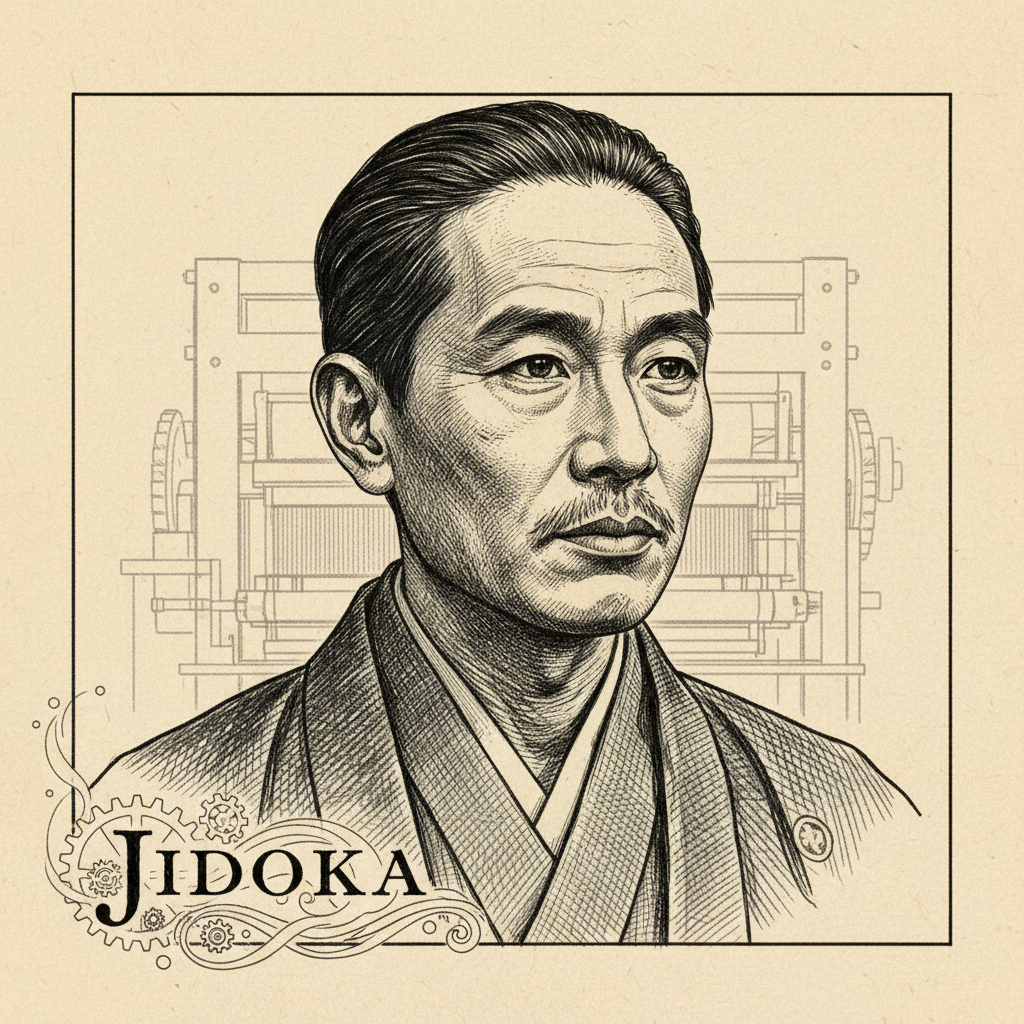
The father of the Japanese industrial revolution and founder of Toyota Industries, Sakichi Toyoda pioneered automatic loom technology and established the principles of 'Jidoka' and continuous improvement that underpin modern manufacturing.
Portrait of Koji Sato
JAPAN / AUTOMOTIVE
Koji Sato
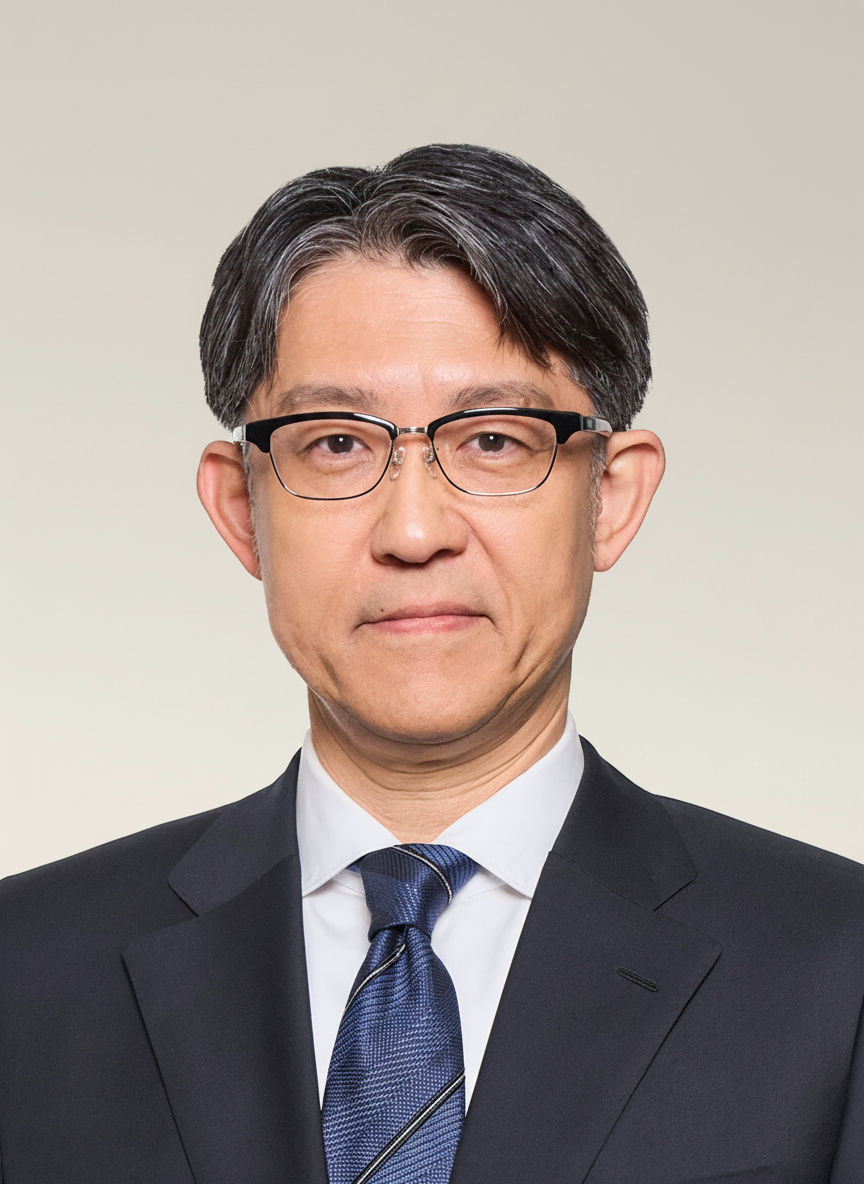
A Toyota veteran ascending to lead the automotive giant's electrification and sustainable growth strategy.
Portrait of Hajime Satomi
JAPAN / ENTERTAINMENT, GAMING, LEISURE
Hajime Satomi
Hajime Satomi: The Architect of SEGA Sammy Holdings and a Japanese Entertainment Conglomerate Leader
Portrait of Takeshi Uchiyamada
JAPAN / AUTOMOTIVE
Takeshi Uchiyamada
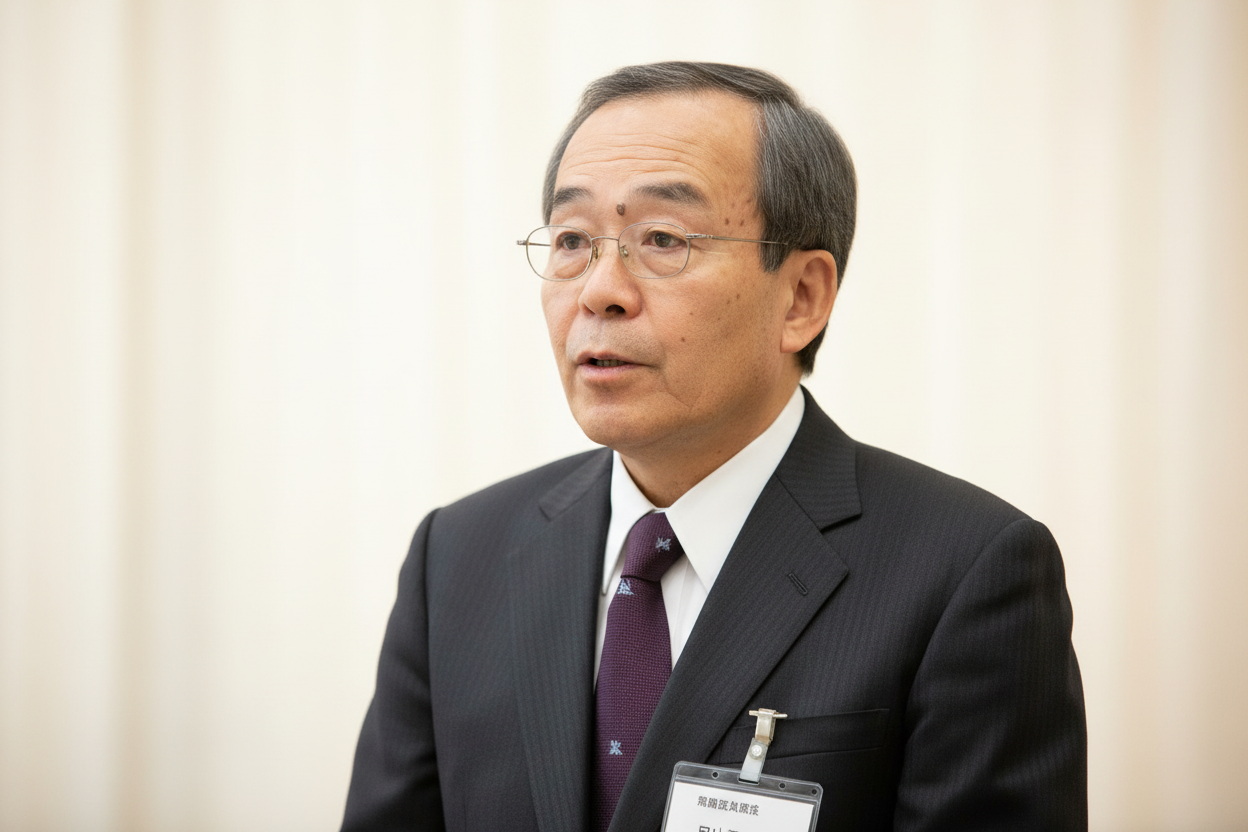
The 'Father of the Prius,' whose engineering leadership transformed automotive propulsion and positioned Toyota as a leader in sustainable mobility.
Same Era

Contemporaries — born 1930s
Browse all →
Portrait of Warren Buffett
UNITED STATES / INVESTING
Warren Buffett
The Oracle of Omaha: Architect of long-term value investing and compounding returns through disciplined acquisition and intrinsic value focus.
Portrait of Phil Knight
UNITED STATES / APPAREL & FOOTWEAR
Phil Knight
Phil Knight: The Visionary Architect of Nike, who transformed athletic footwear from functional gear into a global cultural phenomenon.
Portrait of Mikhail Gorbachev
SOVIET UNION / GOVERNMENT
Mikhail Gorbachev
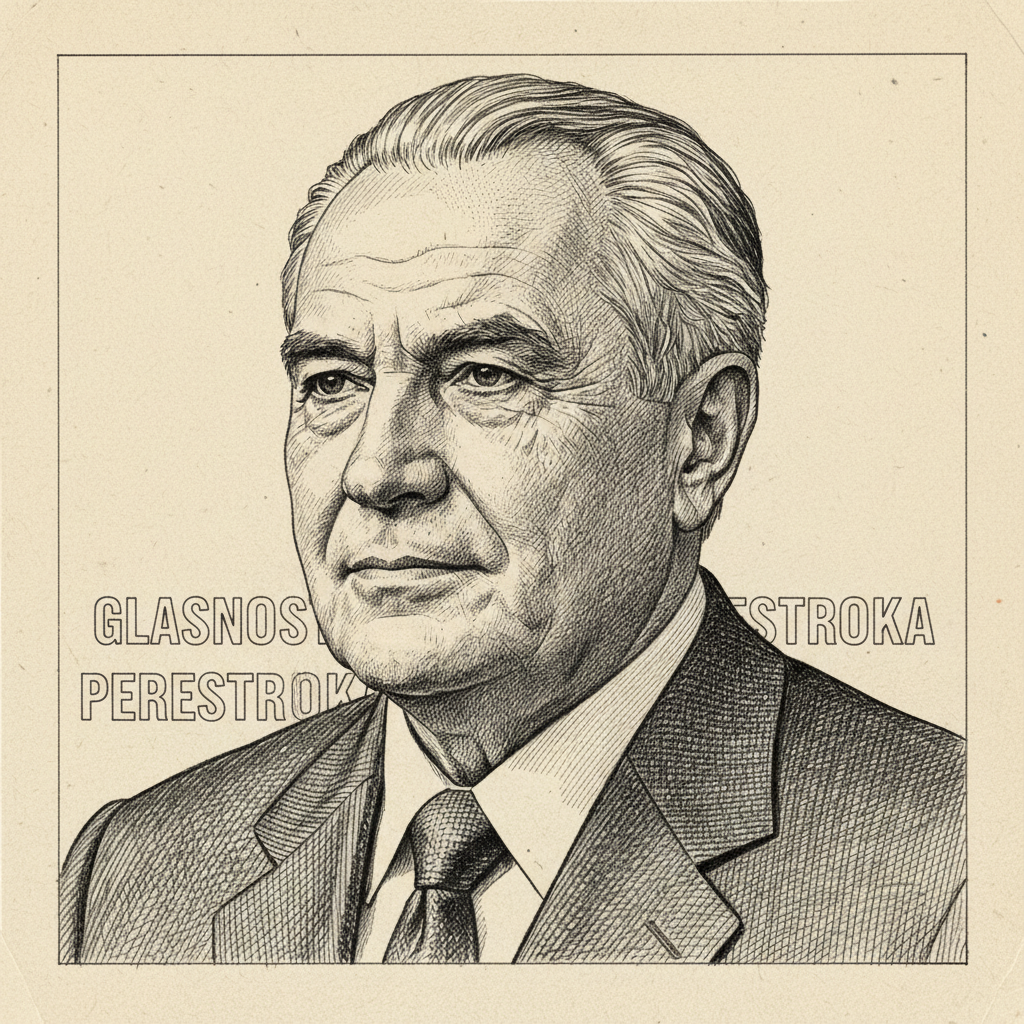
The architect of Soviet reform and unintended dissolution.
Portrait of Charles Koch
UNITED STATES / DIVERSIFIED CONGLOMERATE
Charles Koch
Architect of Koch Industries' diversified growth and proponent of market-based management.
Portrait of James Simons
UNITED STATES / FINANCE, TECHNOLOGY, ASSET MANAGEMENT
James Simons
The Enigma of Quantitative Finance: Architect of Automated Alpha Generation.
Portrait of Philip Kotler
UNITED STATES / ACADEMIA, CONSULTING, PUBLISHING
Philip Kotler
The father of modern marketing, Philip Kotler revolutionized marketing theory by integrating economics, behavioral science, and management, defining the discipline for academics and practitioners alike.
Portrait of Julian Robertson
UNITED STATES / FINANCE
Julian Robertson
Julian Robertson: The 'Tiger' of Wall Street who pioneered the modern hedge fund industry and nurtured a generation of investment talent.
Portrait of Eli Broad
UNITED STATES / REAL ESTATE, FINANCIAL SERVICES
Eli Broad
The relentless entrepreneur who co-founded two Fortune 500 companies in divergent industries through strategic vision and disciplined execution.
Portrait of Leonardo Del Vecchio
ITALY / EYEWEAR, MANUFACTURING, RETAIL
Leonardo Del Vecchio
The architect of the vertical integration strategy that transformed the global eyewear industry.
Portrait of Oscar de la Renta
DOMINICAN REPUBLIC / UNITED STATES / LUXURY FASHION
Oscar de la Renta
The Dominican couturier whose eponymous brand became a global standard-bearer for sophisticated luxury and timeless elegance.