Nikola Tesla
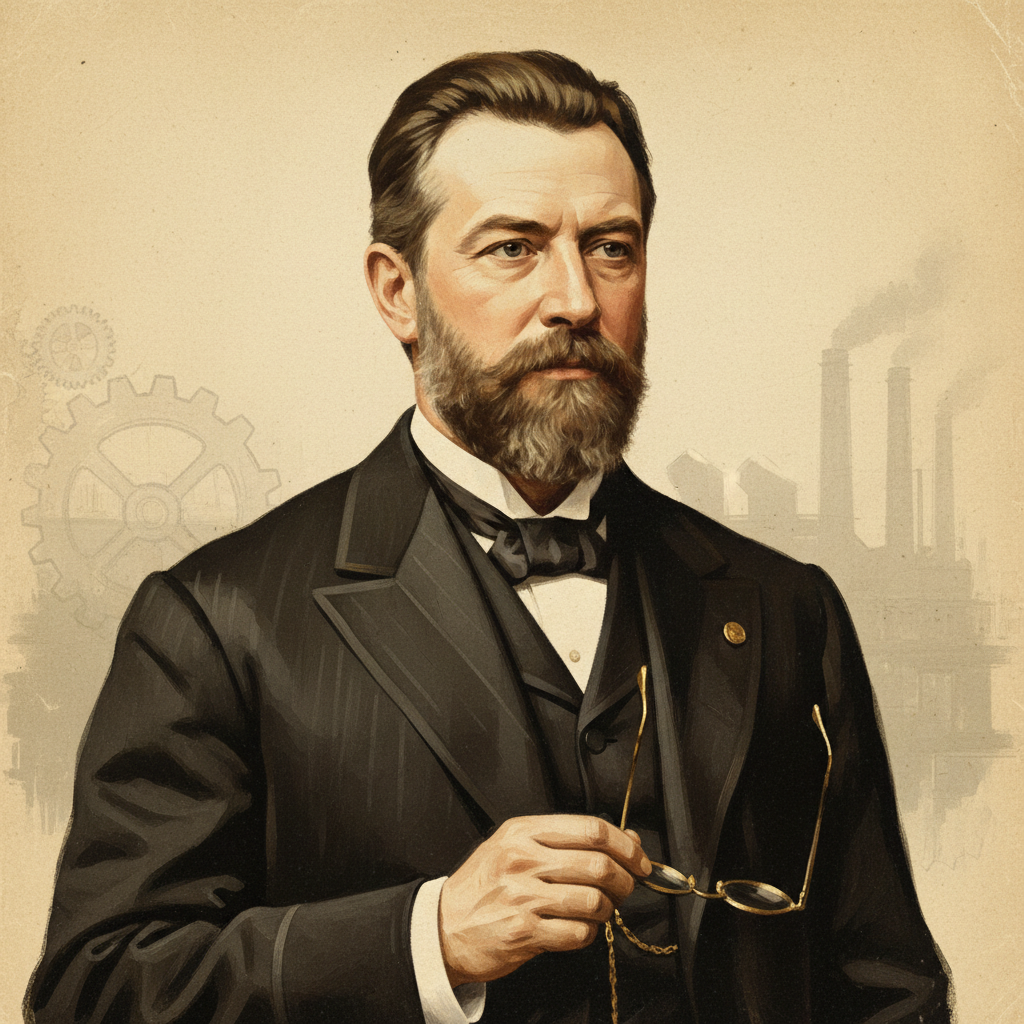
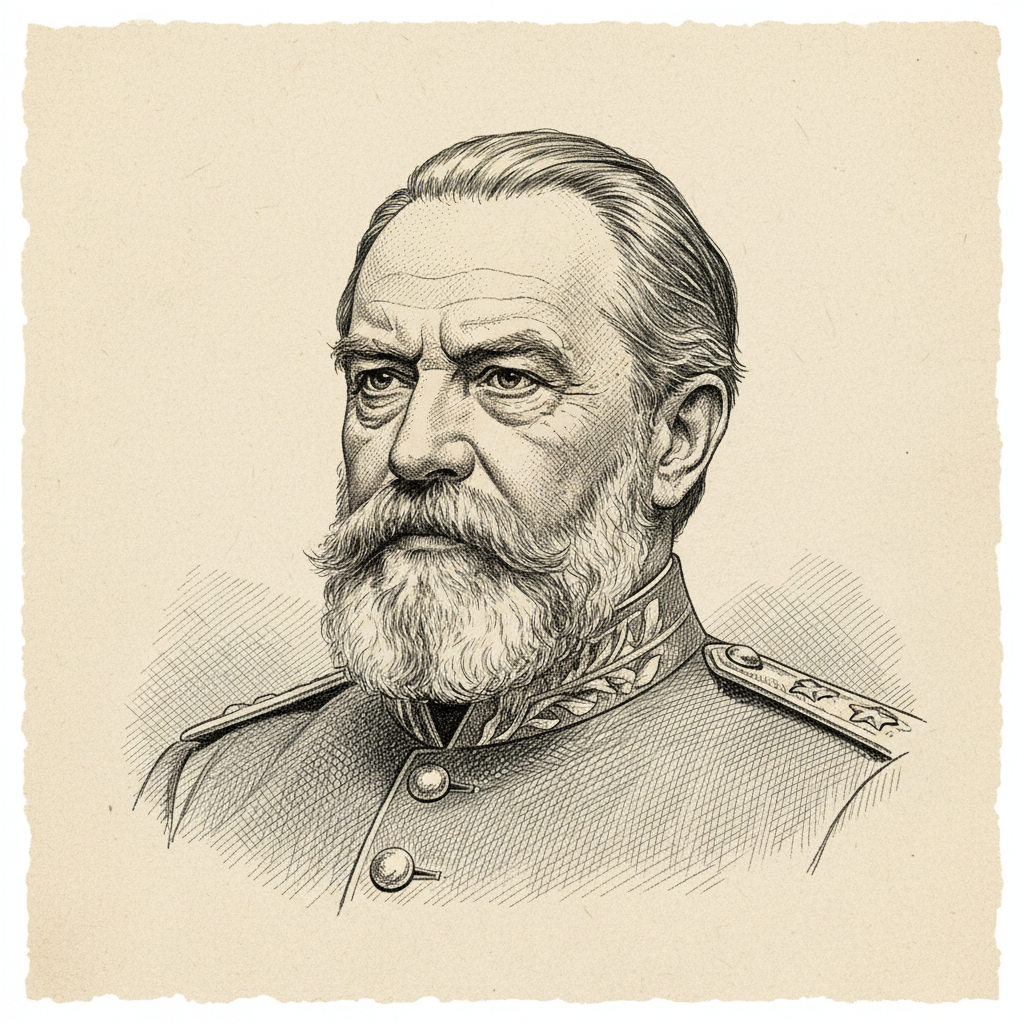
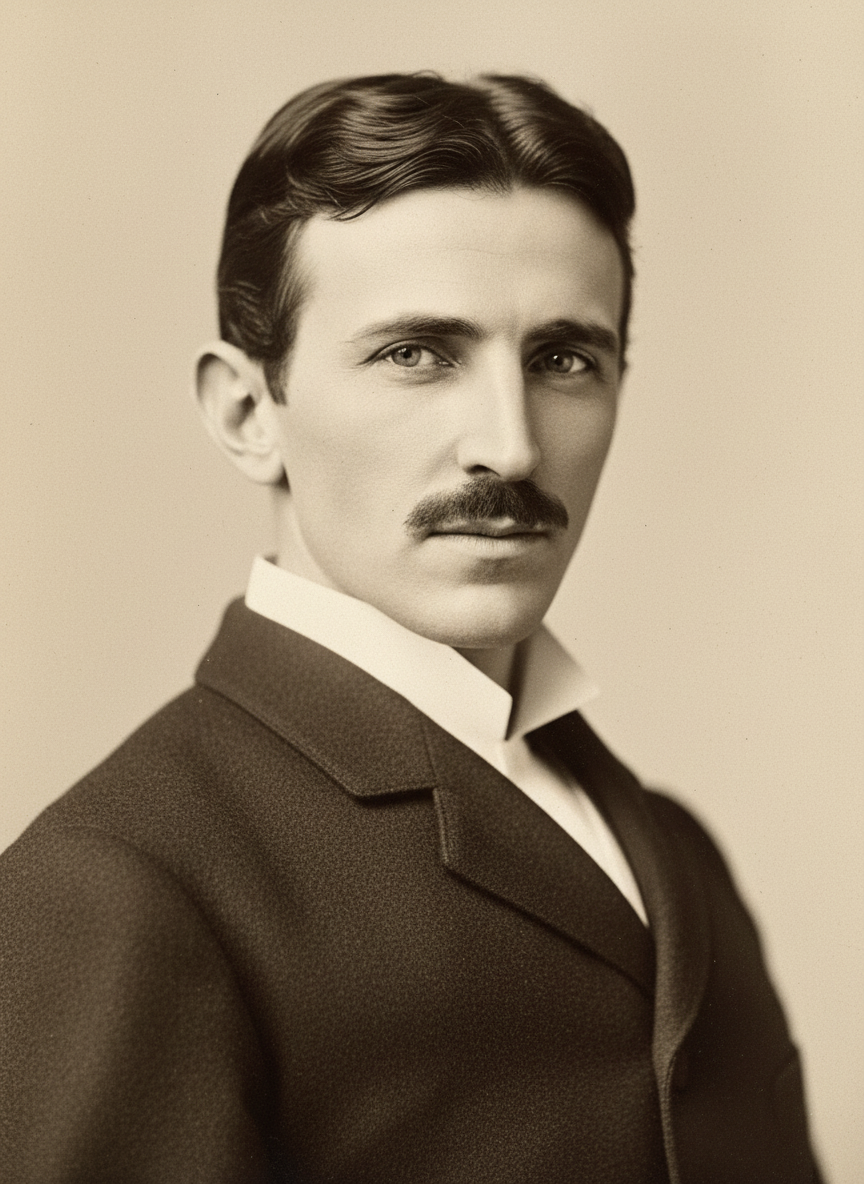
Nikola Tesla: The visionary engineer whose innovations in alternating current laid the foundation for modern electrical power systems, driving the second industrial revolution.
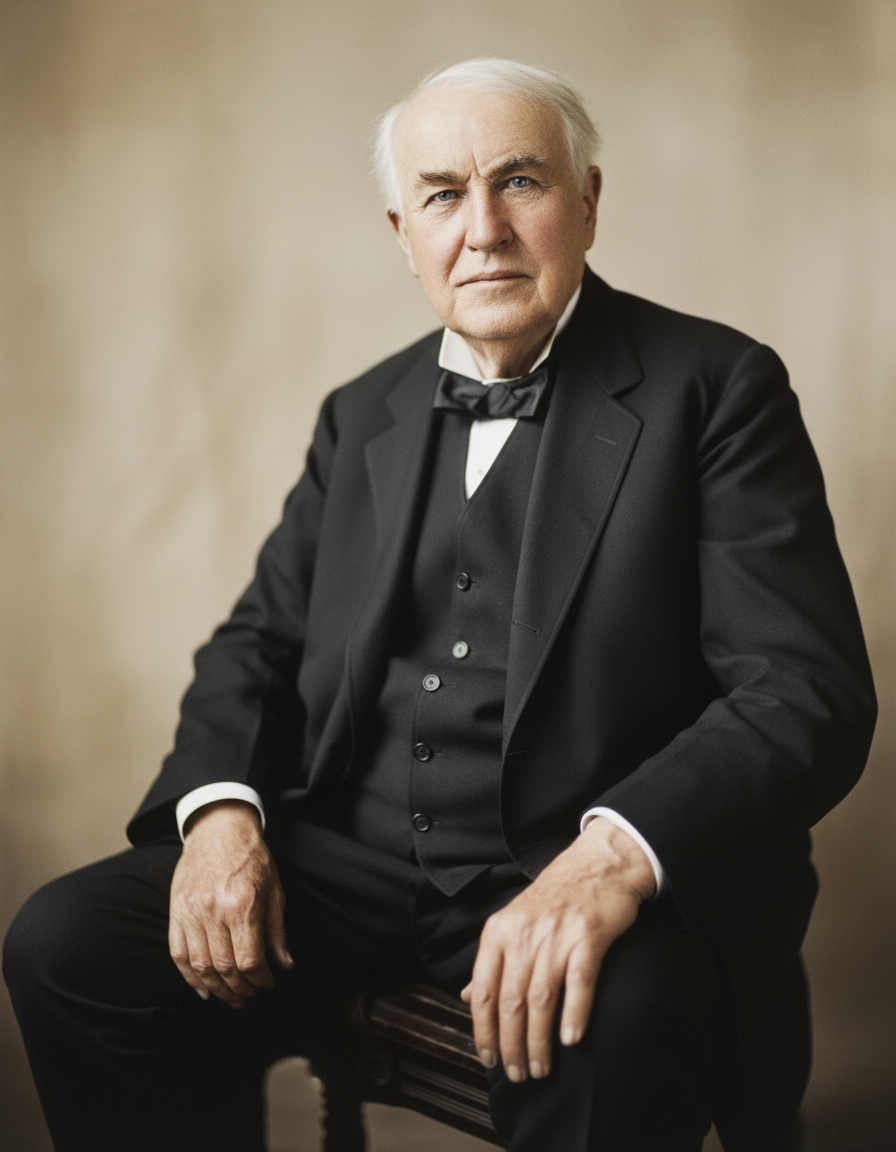
Nikola Tesla was a Serbian-American inventor, electrical engineer, mechanical engineer, and futurist best known for his contributions to the design of the modern alternating current (AC) electricity supply system. His work included the AC induction motor and polyphase systems, crucial for widespread electrification.
Biography
Accomplishments
- 01Developed the alternating current (AC) polyphase system and the AC induction motor (1887-1888), crucial for long-distance power transmission and industrialization.
- 02Engineered and implemented the hydroelectric power plant at Niagara Falls (1895) with George Westinghouse, demonstrating the viability of AC for large-scale power generation.
- 03Invented the Tesla coil (1891), a high-frequency resonant transformer widely used in radio and television technology, and for scientific research.
- 04Pioneered radio frequency communication and remote control technology, including demonstrating a radio-controlled boat in 1898, predating many recognized wireless innovations.
- 05Held approximately 300 patents worldwide for his inventions, covering areas from electrical mechanics to robotics and x-ray imaging.
- 06Instrumental in establishing the foundation for modern electrical grids, impacting global industrial development and quality of life.
Lessons for Operators
Key Takeaways
Practical lessons distilled for operators, investors, C-levels, and capital allocators.
Disruptive Technology Adoption
Tesla's AC system's victory over Edison's DC during the 'War of Currents' highlights that technically superior solutions, particularly those enabling scale and efficiency, eventually displace incumbent technologies, even if initially less understood or more costly to implement at the individual device level.
The Value of Core Infrastructure
Tesla's work on AC established the fundamental infrastructure for modern electrical grids. Investing in foundational technologies that enable broad societal and industrial progress yields exponential long-term returns, even if the immediate applications aren't fully clear.
Patent Strategy and Monetization
Tesla's complex relationship with his patents, particularly the licensing terms with Westinghouse and his later financial struggles, underscores the critical importance for inventors and startups to not only protect IP but also strategically monetize it to sustain further development and personal wealth.
Funding for Grand Visions
The unfinished Wardenclyffe Tower project serves as a cautionary tale: revolutionary ideas require consistent, substantial capital. Investors and founders must align on the scope, timeline, and funding required for truly transformative, long-horizon ventures.
Reputational & Commercial 'Air Cover'
While Tesla was the genius, Westinghouse provided the commercial muscle and strategic backing necessary to win the 'War of Currents.' Founders should seek partners who bring not just capital, but also market influence, operational expertise, and a willingness to fight for the technology's adoption.
Frameworks & Principles
Named frameworks and strategic principles they popularized or embodied.
Ecosystem Disruption Model
This framework analyzes how a new technology (e.g., AC electricity) challenges and eventually replaces an established system (e.g., DC electricity) by offering superior performance, scalability, or cost-efficiency that fundamentally alters an entire industry's infrastructure and business models.
When to useApply when evaluating disruptive technologies that promise to overhaul existing industry infrastructure or value chains. Assess the new technology's scalability, interoperability, and long-term economic advantages against the incumbent.
Intellectual Property Value Chain
This framework examines how intellectual property (patents, trade secrets) is created, protected, licensed, commercialized, and enforced. It highlights the journey from invention to market dominance and the various points at which value can be captured or lost.
When to useUtilize when developing IP strategies for startups or established firms. Focus on securing broad patent protection, exploring licensing models, and understanding the long-term commercialization pathways for innovative technologies.
Capital Allocation for Moonshots
This framework guides decision-making for investing in highly ambitious, long-term projects with uncertain but potentially transformative outcomes. It considers risk tolerance, staged funding, milestones, and the potential for a 'valley of death' before commercial viability.
When to useEmploy when evaluating or pitching 'moonshot' projects that require significant R&D and capital over extended periods, without clear short-term returns. Emphasize the long-term strategic value and potential for paradigm shifts.
Recent Appearances
Latest interviews, keynotes, and press from the past half year.
 youtube.com
 youtube.com
 youtube.com
 youtube.com
 youtube.com
 youtube.com
 youtube.com
 m.youtube.com
 youtube.com
 youtube.com
 youtube.com
 youtube.com
 youtube.com
 youtube.com
 youtube.com
 youtube.com
 youtube.com
 youtube.com
 m.youtube.com
 youtube.com
 youtube.com
 youtube.com
 youtube.com
 youtube.com
 youtube.com
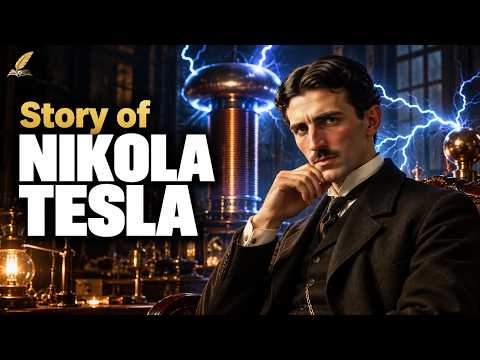 youtube.com
 youtube.com
 youtube.com
 youtube.com
 youtube.com
 youtube.com
 youtube.com
 youtube.com
 youtube.com
 youtube.com
 m.youtube.com
 youtube.com
 youtube.com
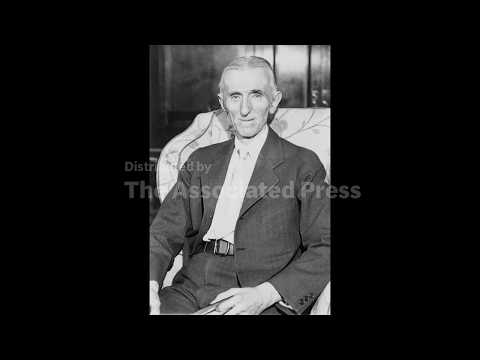 youtube.com
 youtube.com
 youtube.com
 youtube.com
 youtube.com
 youtube.com
Sources & Further Reading
Profiles, interviews, podcasts, and articles used to compile and verify this entry. Each link opens at the original publisher.
Explore Related Titans
Other figures in the archive who share Nikola Tesla's domain, geography, or era.
More in Technology



Contemporaries — 19th century