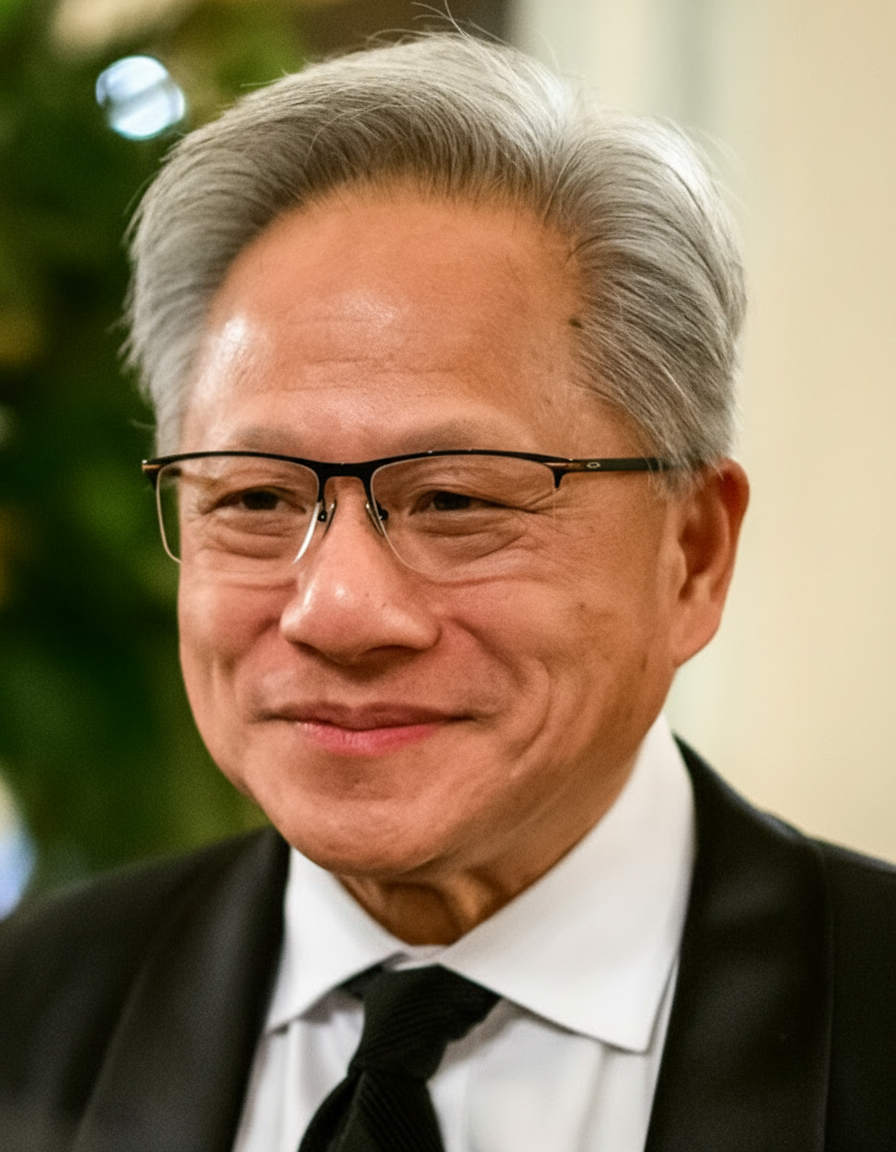
V.F.W. de Klerk
Architect of a peaceful transition from apartheid to democracy in South Africa.
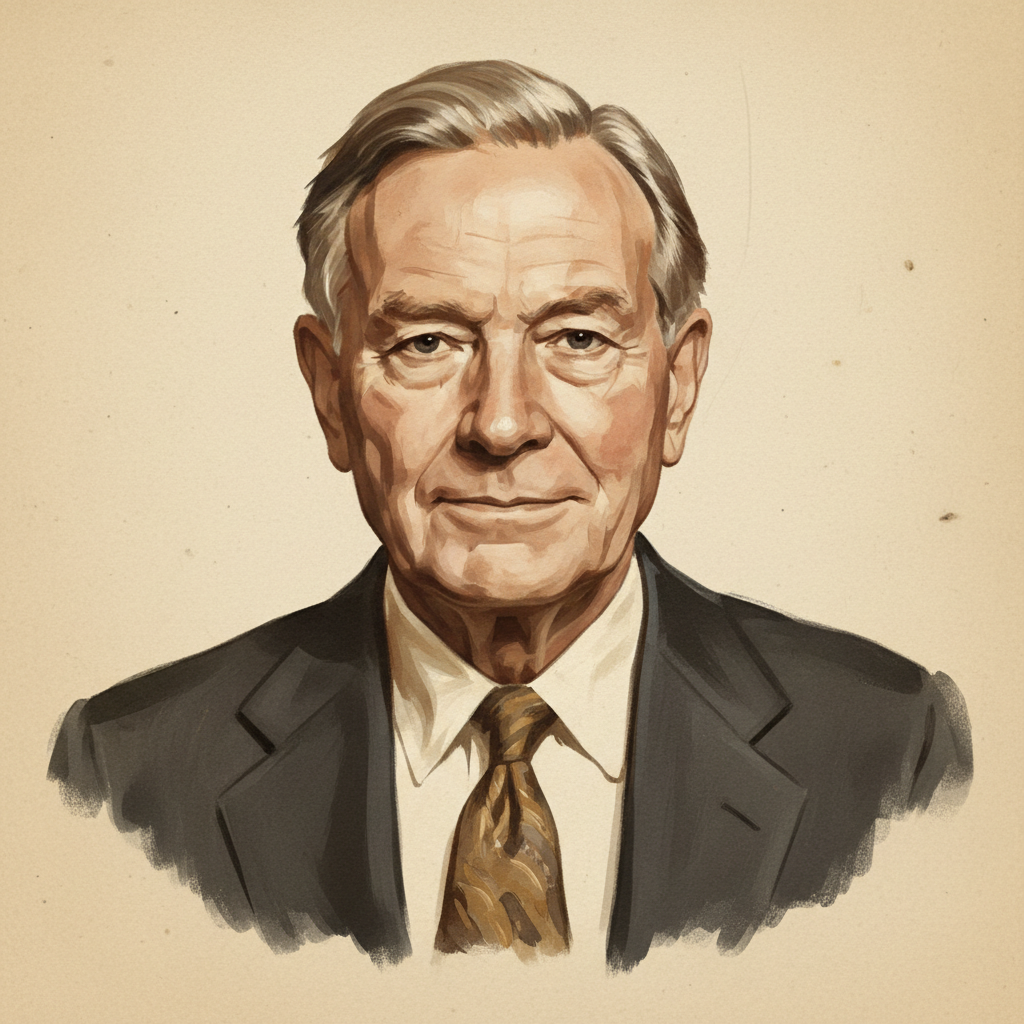
F.W. de Klerk was a South African politician who served as the last State President of apartheid-era South Africa from 1989 to 1994. He was instrumental in dismantling the apartheid system and negotiating the transition to a multiracial democracy, culminating in the release of Nelson Mandela and the first democratic elections. He shared the Nobel Peace Prize with Mandela in 1993.
Biography
Accomplishments
- 01Initiated the dismantling of the apartheid system, including the repeal of discriminatory laws (e.g., Population Registration Act) from 1990 to 1991.
- 02Ordered the unbanning of political organizations, specifically the African National Congress (ANC), Pan Africanist Congress (PAC), and South African Communist Party (SACP) on February 2, 1990.
- 03Orchestrated the release of Nelson Mandela on February 11, 1990, after 27 years of imprisonment.
- 04Co-chaired the multi-party Convention for a Democratic South Africa (CODESA) negotiations (1991-1993) that drafted a new democratic constitution.
- 05Successfully held South Africa's first multiracial democratic elections in April 1994, ensuring a peaceful transfer of power.
- 06Awarded the Nobel Peace Prize jointly with Nelson Mandela in 1993 for their work in ending apartheid.
Lessons for Operators
Key Takeaways
Practical lessons distilled for operators, investors, C-levels, and capital allocators.
Embrace Strategic Pivots
When entrenched systems are demonstrably failing, leaders must have the foresight and courage to execute a radical strategic pivot, even if it overturns prior foundational beliefs. De Klerk's 'leap of faith' in 1990 prevented civil war.
Negotiate from a Position of Strength (or Managed Weakness)
De Klerk opened negotiations when his government still held significant power, allowing him to shape the transition rather than be dictated by unavoidable collapse. This proactive approach preserved some influence for the outgoing regime.
Internal Communication is Critical During Transformation
De Klerk faced considerable dissent from within his own conservative base. Continual communication, justifications for policy shifts, and managing internal factions are essential to maintain cohesion during disruptive change.
Seek Common Ground Amidst Adversity
Despite decades of deeply ingrained animosity, de Klerk and Mandela found common ground on the necessity of a peaceful, democratic South Africa. Identifying shared overarching objectives is vital when overcoming seemingly insurmountable differences.
The Power of Legitimization
By formally recognizing and negotiating with previously banned organizations, de Klerk legitimized the opposition, transforming a clandestine struggle into a political process. This established the framework for a peaceful resolution.
Frameworks & Principles
Named frameworks and strategic principles they popularized or embodied.
Calculated Risk-Taking Model
This involves assessing the probability and impact of various outcomes, then making a high-stakes decision where the potential upside of radical change outweighs the inevitable risks of maintaining the status quo. De Klerk's decision to unban the ANC was a calculated risk with monumental implications.
When to useApplicable when an organization faces existential threats or stagnation, and current strategies offer diminishing returns. Requires rigorous analysis of alternatives and robust contingency planning.
Multi-Party Negotiation Strategy (CODESA Model)
Managing complex negotiations involving numerous parties with deeply conflicting interests, where success hinges on finding overlapping consensus on procedural and substantive issues. The CODESA negotiations were a masterclass in this.
When to useEmploy when brokering alliances, mergers, or complex multi-stakeholder projects where broad buy-in from diverse groups is crucial for long-term implementation and stability.
Phased De-escalation Strategy
Gradually dismantling an established, controversial system through a series of planned steps, rather than a sudden rupture. De Klerk’s approach involved unbanning, releasing key figures, repealing laws, and then negotiating, allowing for controlled adjustments.
When to useUseful for organizations undergoing significant restructuring, divestitures, or winding down legacy systems, where abrupt changes could cause market instability or internal chaos. It allows for adaptation and mitigation of adverse effects.
Explore Related Titans
Other figures in the archive who share V.F.W. de Klerk's domain, geography, or era.
More in Other



From South Africa


Contemporaries — 20th century