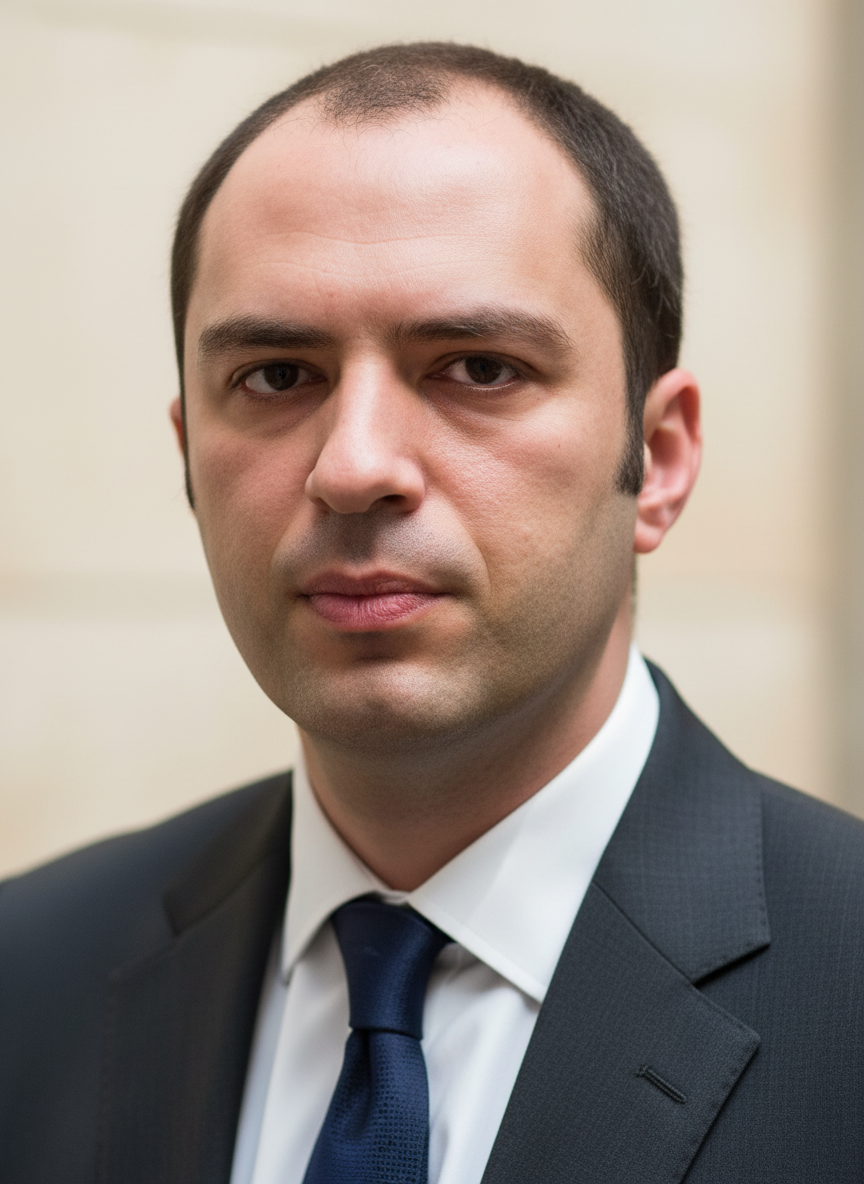
Tshepo Mahloele
Architect of African Infrastructure Investment: Pioneering large-scale capital deployment for transformative development.
Tshepo Mahloele is a prominent South African entrepreneur and investor, best known as the founder and CEO of Harith General Partners, a leading Pan-African infrastructure private equity fund manager. His career is marked by a focus on mobilizing significant capital for critical infrastructure development across the African continent.
Biography
Accomplishments
- 01Founded Harith General Partners in 2007, establishing Africa's premier infrastructure private equity fund manager, which has raised billions of dollars for African development.
- 02Led Harith's investment in the Lake Turkana Wind Power Project (Kenya), Africa's largest wind power scheme, demonstrating successful large-scale renewable energy financing.
- 03Orchestrated the investment and development of the Henri Konan Bédié Bridge (Côte d'Ivoire), a critical piece of urban infrastructure significantly improving connectivity in Abidjan.
- 04Successfully launched and managed multiple infrastructure funds, including the Pan African Infrastructure Development Fund (PAIDF) I and PAIDF II, attracting capital from institutional investors globally and within Africa.
- 05Oversaw Harith's strategic investment in various telecommunications infrastructure projects, including building fiber optic networks and data centers across the continent, enhancing digital connectivity.
- 06Played a pivotal role at the PIC, overseeing significant corporate finance transactions and principal investments prior to establishing Harith, laying the groundwork for his infrastructure focus.
Lessons for Operators
Key Takeaways
Practical lessons distilled for operators, investors, C-levels, and capital allocators.
Niche Specialization for Competitive Advantage
Harith's singular focus on African infrastructure investment allowed it to develop deep expertise, proprietary deal flow, and a strong track record, differentiating it from generalists. For operators, this suggests that excelling in a specific, underserved market segment can yield significant competitive advantage.
The Power of Developmental Impact Investing
Mahloele's model demonstrates that investments solving critical societal needs (e.g., energy, transport, data) can generate both strong financial returns and profound developmental impact. Fund managers and capital allocators should consider the long-term value creation beyond pure financial metrics.
Structuring Complex Multi-Jurisdictional Deals
Harith regularly navigates diverse legal and regulatory frameworks across multiple African nations. Their success lies in meticulous due diligence, robust legal structuring, and strong local partnerships. Enterprise leaders expanding into new or complex markets should prioritize legal and regulatory expertise.
Patience and Persistence in Emerging Markets
Building a successful infrastructure fund in Africa required years of persistent effort, relationship building, and navigating economic cycles. This highlights the importance of long-term commitment and resilience when investing in or operating within emerging markets.
African Ownership of African Solutions
Mahloele's leadership underscores the capability of African fund managers to mobilize and deploy capital effectively within the continent, fostering local economic agency. This principle encourages local stakeholders to take charge in identifying and financing their own development needs.
Frameworks & Principles
Named frameworks and strategic principles they popularized or embodied.
Pan-African Infrastructure Value Chain Analysis
This framework involves analyzing the entire value chain of an infrastructure sector (e.g., energy: generation, transmission, distribution) across multiple African countries to identify critical bottlenecks and investment opportunities that offer regional connectivity or scale.
When to useWhen evaluating large-scale, cross-border infrastructure projects or identifying strategic sectors for investment that can drive regional economic integration.
De-Risking Infrastructure Projects through Blended Finance
A strategy involving the catalytic use of concessional finance (e.g., from development finance institutions) to attract and mobilize additional commercial capital for projects that might otherwise be deemed too risky or financially unviable by private investors alone.
When to useWhen structuring complex, high-impact infrastructure projects in emerging markets where perceived risks (political, FX, regulatory) deter purely commercial funding.
Integrated Impact and Financial Return Assessment
This approach systematically evaluates investment opportunities not only on their projected financial returns but also on their measurable economic, social, and environmental impact. KPIs are developed for both financial and impact metrics.
When to useWhen making capital allocation decisions where sustainable development goals and long-term societal value creation are as important as traditional financial performance.
Explore Related Titans
Other figures in the archive who share Tshepo Mahloele's domain, geography, or era.
More in Finance & Investing










From South Africa





Contemporaries — born 1970s