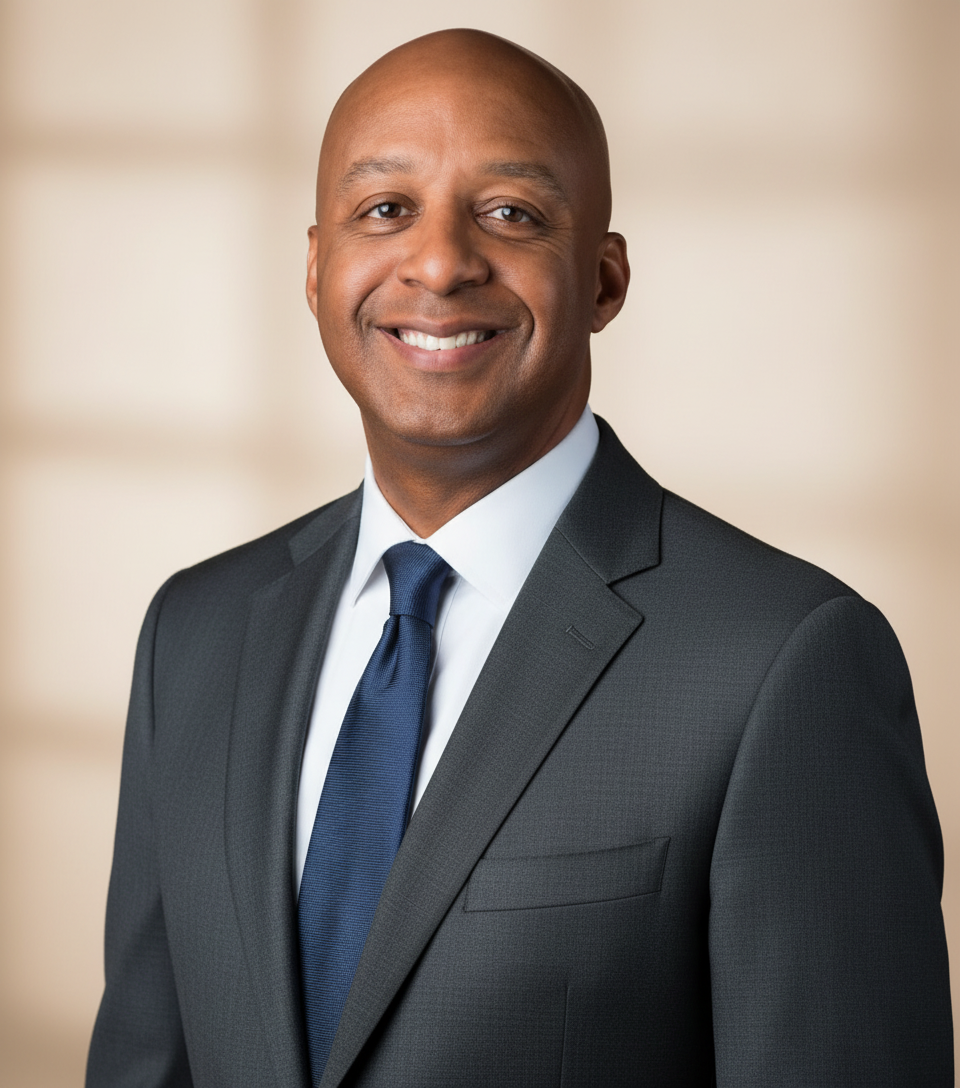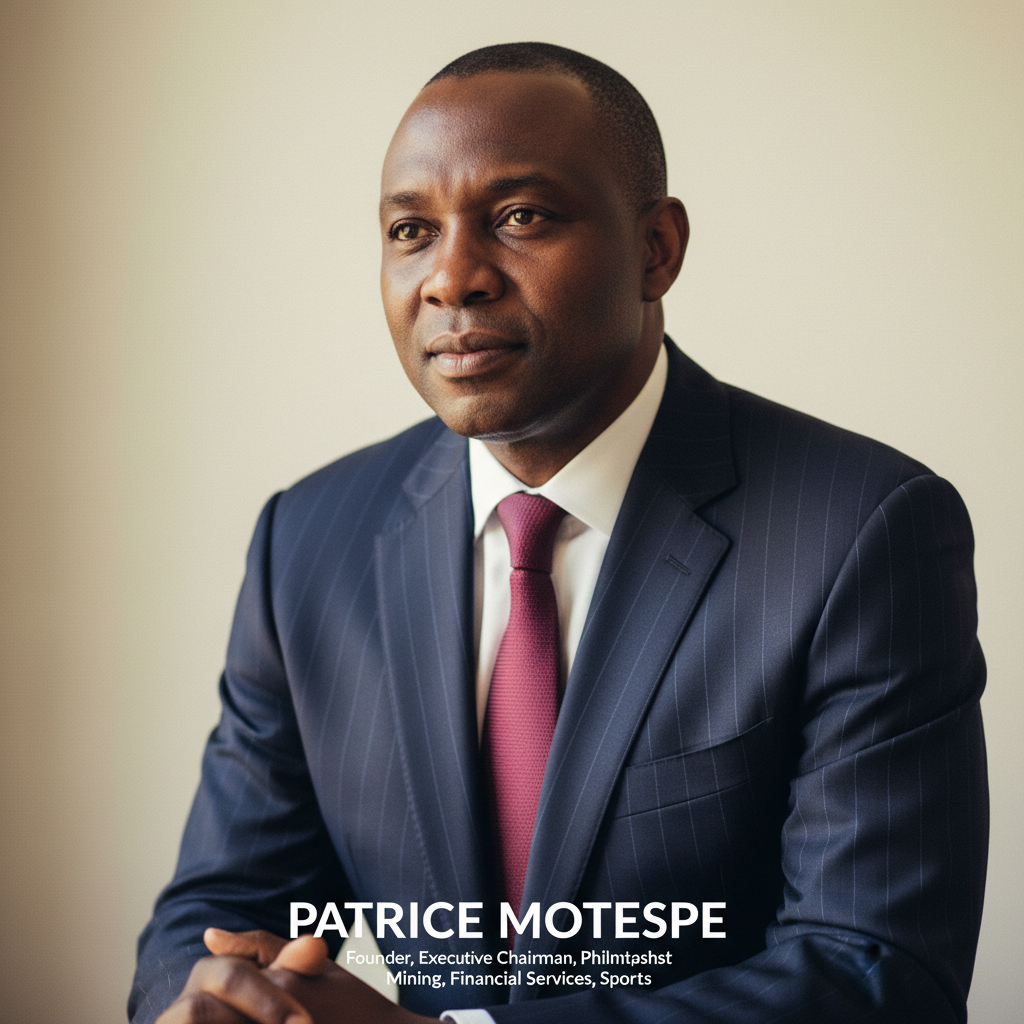
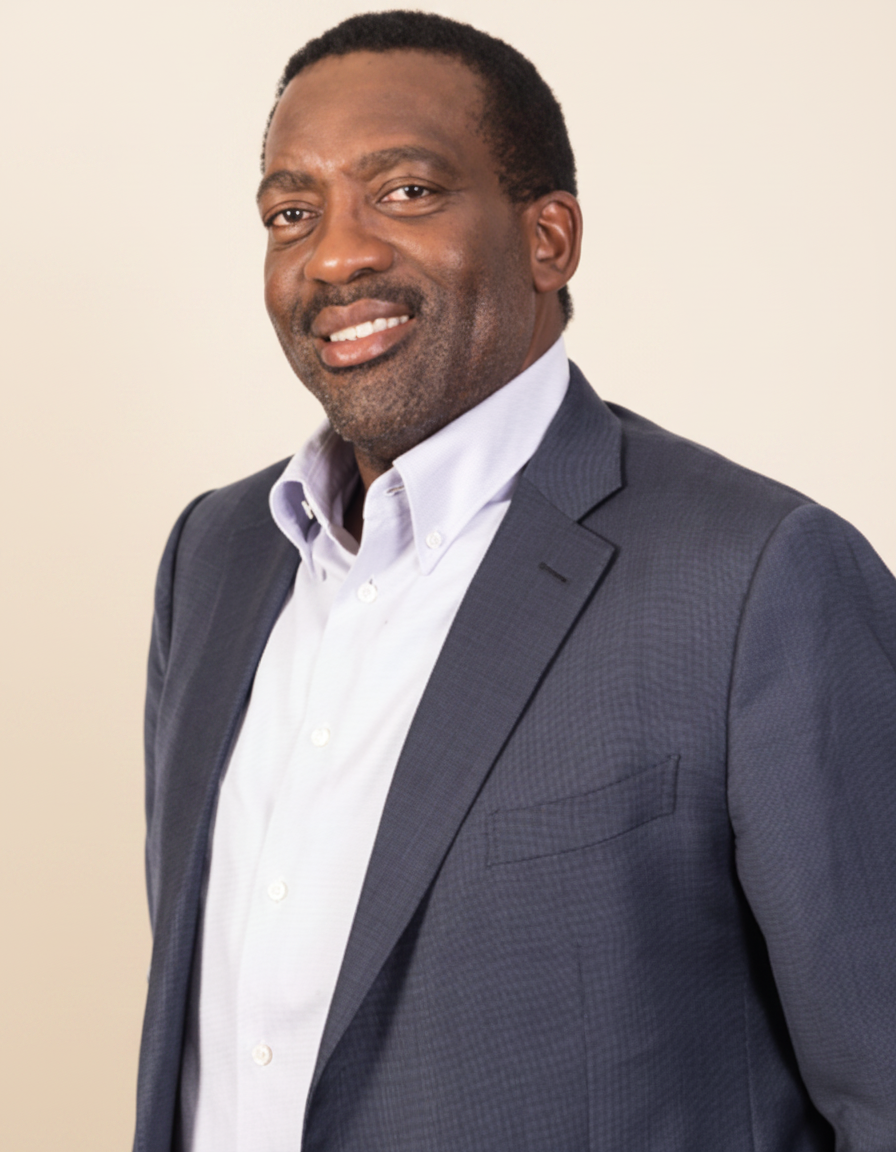
Patrice Motsepe
Mining magnate who leveraged empowerment policies to build a diversified conglomerate, demonstrating strategic acquisition and community engagement in post-apartheid South Africa.
Patrice Motsepe is a South African billionaire mining magnate. He is the founder and executive chairman of African Rainbow Minerals (ARM), a diversified mining and minerals company. He also holds significant interests in financial services through African Rainbow Capital (ARC) and is the owner of the Mamelodi Sundowns Football Club. Motsepe became the first black African on the Forbes billionaires list in 2008 and is a prominent philanthropist.
Biography
Accomplishments
- 01Founded African Rainbow Minerals (ARM) in 1997, transforming it into a leading diversified African mining and minerals company listed on the Johannesburg Stock Exchange.
- 02Became the first black African billionaire on the Forbes list in 2008, demonstrating wealth creation through strategic business development in a challenging post-apartheid economic environment.
- 03Established African Rainbow Capital (ARC) in 2016, building a significant financial services conglomerate with investments across insurance, banking, and asset management.
- 04Acquired Mamelodi Sundowns FC in 2009, leading the club to multiple domestic league titles and a CAF Champions League victory in 2016, showcasing effective sports management and investment.
- 05Elected President of the Confederation of African Football (CAF) in 2021, marking a significant leadership role in continental sports governance.
Lessons for Operators
Key Takeaways
Practical lessons distilled for operators, investors, C-levels, and capital allocators.
Strategic Disadvantage into Advantage
Motsepe used BEE policies, initially designed to address historical inequalities, as a springboard for acquiring assets and building capital. This illustrates transforming regulatory frameworks into competitive advantages.
Operational Excellence in Underperforming Assets
His success with AngloGold's marginal mines emphasizes that rigorous operational efficiency, cost management, and focused leadership can unlock value where others see only liabilities. This is a critical lesson for private equity and distressed asset investors.
Ecosystem Building for Sustained Growth
From mining to finance and sports, Motsepe's ventures form a broader ecosystem. This interconnectedness provides capital, market knowledge, and brand recognition that support continuous growth and resilience.
The Power of Local Legitimacy and Philanthropy
Motsepe's commitment to philanthropy (The Giving Pledge) and investment in local sports builds social capital and enhances his 'social license to operate,' especially crucial for industries like mining with significant environmental and community impacts.
Frameworks & Principles
Named frameworks and strategic principles they popularized or embodied.
BEE Capitalization Strategy
A framework for identifying and leveraging local empowerment or industrial development policies to gain preferential access to assets, licenses, or contracts. Involves understanding policy mechanisms, building local partnerships, and demonstrating compliance.
When to useWhen operating in emerging markets or sectors with strong government intervention and policies aimed at promoting local ownership, inclusion, or specific industrial growth. Requires deep regulatory analysis and stakeholder mapping.
Marginal Asset Revitalization
A strategy focusing on acquiring assets deemed non-core or unprofitable by larger incumbents, then applying intense operational restructuring, cost-cutting, and focused management to turn them into profitable ventures. Often involves a different risk appetite and operational model.
When to useApplicable for fund managers and operators looking for undervalued assets, particularly in mature industries with large, less agile players. Requires strong operational expertise and a clear plan for efficiency gains.
Conglomerate Diversification for Resilience
Building a diversified portfolio of businesses across different sectors, often with strategic interdependencies or cross-funding capabilities. Aims to mitigate risks associated with single-sector reliance and create multiple growth engines.
When to useFor long-term capital allocators and enterprise leaders seeking to build resilient organizations in volatile markets. Requires careful consideration of synergy, capital allocation discipline, and distinct management structures for each vertical.
Sources & Further Reading
Profiles, interviews, podcasts, and articles used to compile and verify this entry. Each link opens at the original publisher.
Explore Related Titans
Other figures in the archive who share Patrice Motsepe's domain, geography, or era.
More in Finance & Investing









From South Africa



Contemporaries — born 1960s