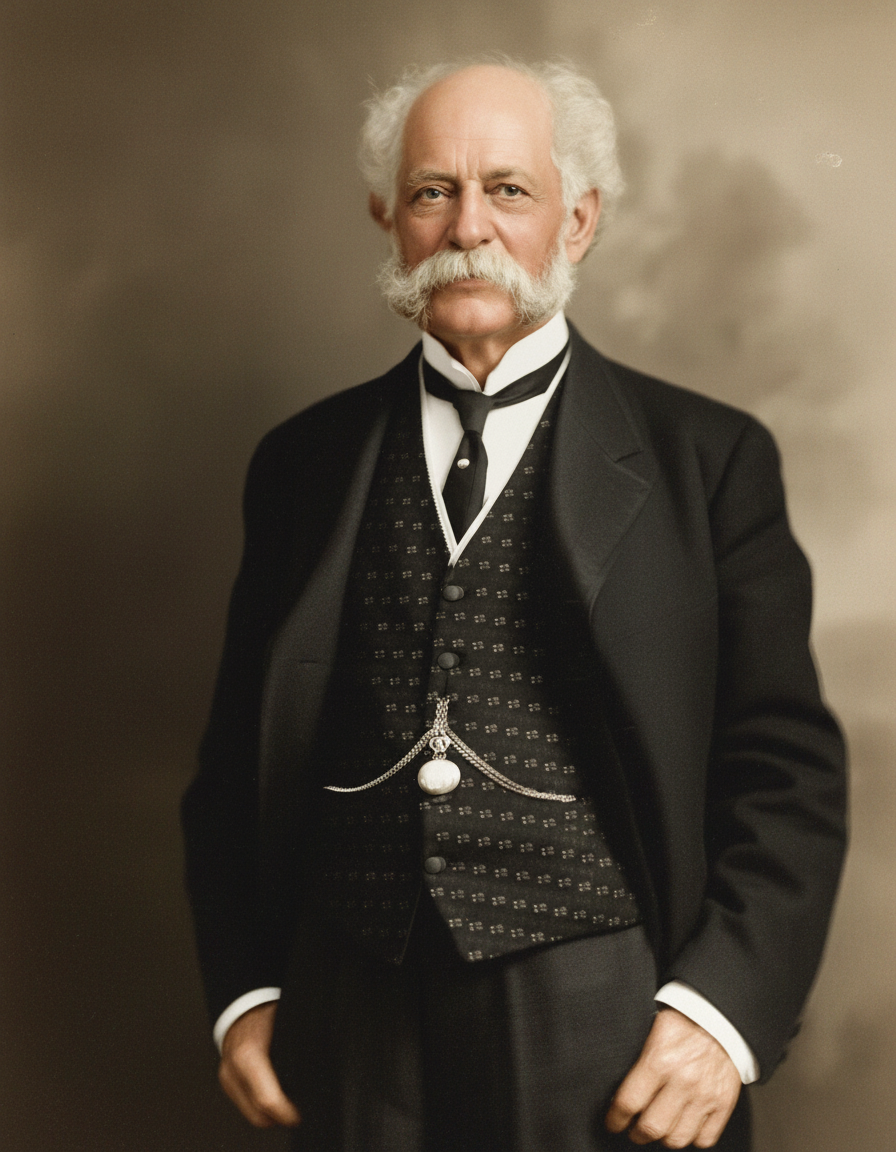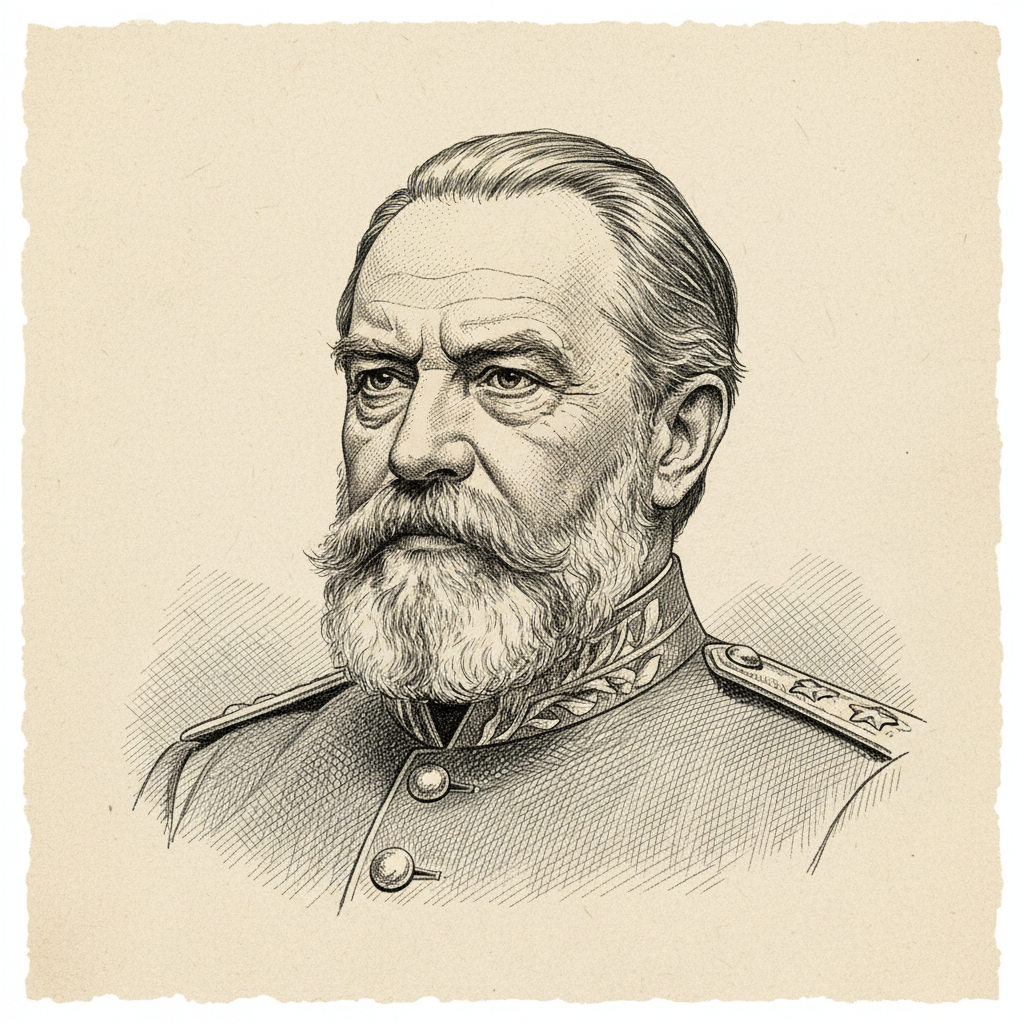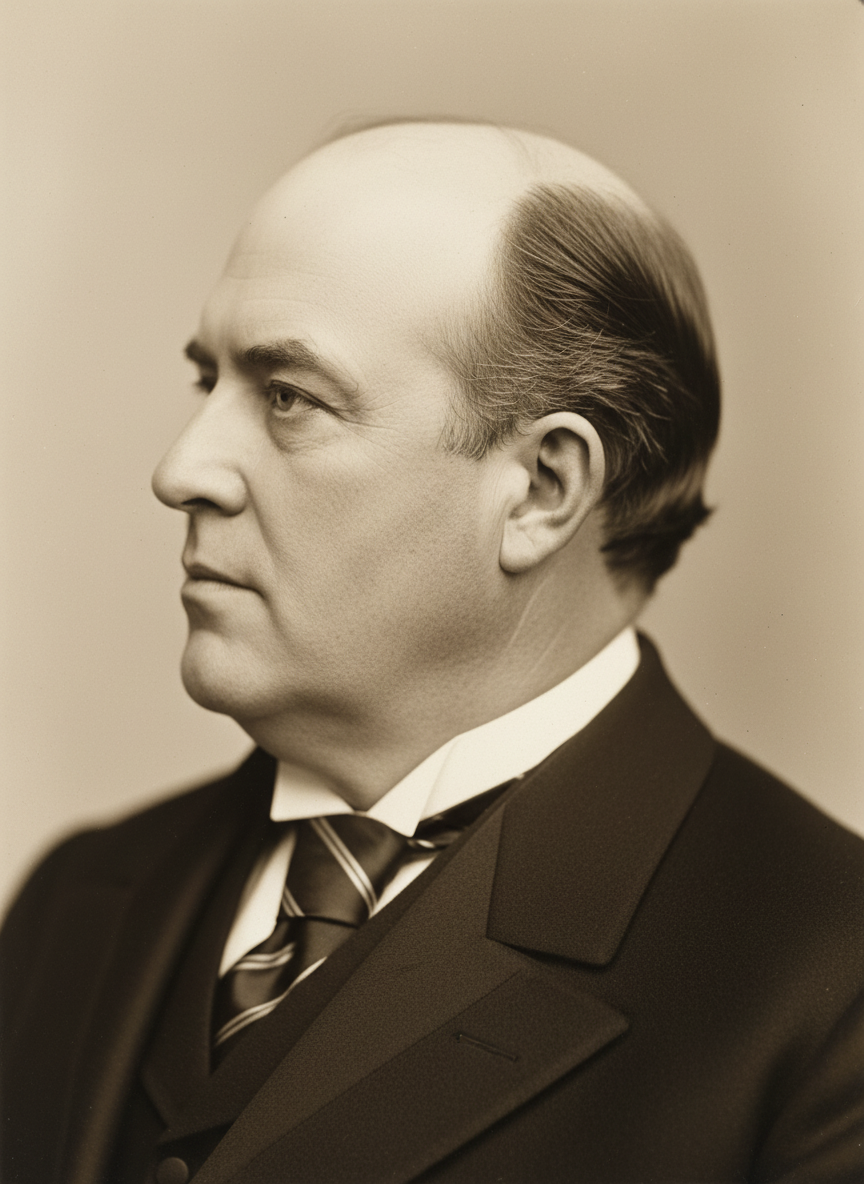
Philip Danforth Armour
Philip D. Armour: A pioneer of industrialized meatpacking, transforming a perishable commodity into a global enterprise through vertical integration, innovation, and strategic market dominance.
Philip Danforth Armour was an American entrepreneur who built Armour and Company into one of the largest and most influential meatpacking firms globally during the late 19th century. Starting in grain and provision trading, he revolutionized the industry through vertical integration, sophisticated logistics, byproduct utilization, and a relentless focus on efficiency and scale. His innovations in refrigerated rail transport and mass production fundamentally altered the food supply chain and consumer markets.
Biography
Accomplishments
- 01Established Armour and Company, transforming it into the world's largest meatpacking firm by the late 19th century, with operations across North America and Europe.
- 02Pioneered the large-scale adoption of refrigerated railcars (reefers) for shipping dressed meat, revolutionizing the distribution of perishable goods and creating national and international markets for meat products.
- 03Implemented comprehensive vertical integration strategies, controlling aspects from livestock purchasing and slaughtering to processing, distribution, and byproduct utilization, creating unprecedented efficiencies and cost advantages.
- 04Developed extensive byproduct industries, converting animal waste into valuable products like fertilizers, glue, soap, and pharmaceuticals, significantly increasing profitability and reducing environmental impact for its era.
- 05Founded the Armour Institute of Technology (now Illinois Institute of Technology) in 1893, providing practical, technical education to a broad range of students, demonstrating a commitment to human capital development.
- 06Strategically entered the grain and provision trading markets, using his financial acumen to capitalize on price fluctuations and secure raw materials, demonstrating early supply chain mastery.
Lessons for Operators
Key Takeaways
Practical lessons distilled for operators, investors, C-levels, and capital allocators.
Holistic Value Chain Optimization
Armour's success stemmed from viewing the entire production process, from raw material sourcing to final product delivery and byproduct valorization, as a single, interconnected system to be optimized. This holistic approach generated unprecedented efficiency and competitive advantage.
Logistical Innovation as Market Disruption
The strategic deployment of new logistics technologies (refrigerated railcars) allowed Armour to completely redefine market boundaries, enabling national distribution of a highly perishable product and directly challenging established local supply chains. Identifying and investing in such transformative infrastructure can reshape industries.
Profit from 'Waste' Mindset
A critical lesson is the meticulous attention to converting all possible outputs into revenue. Armour's extensive byproduct industries demonstrated that what is considered 'waste' by competitors can be a significant source of profit and a differentiator, enhancing sustainability and financial performance.
Scale and Capital Intensity as Barriers to Entry
Armour built an empire that was incredibly capital-intensive and leveraged enormous economies of scale. This created substantial barriers to entry for smaller competitors, solidifying his market position. Understand when scale and significant capital investment are necessary to achieve dominance.
The Imperative of Continuous Improvement
Armour's career was marked by an incessant drive for efficiency, often at the expense of traditional methods. Business leaders must foster a culture that relentlessly seeks out process improvements and cost reductions, challenging existing paradigms.
Educational Investment as Philanthropic Strategy
Beyond direct business, Armour's founding of the Armour Institute of Technology shows foresight in investing in practical education. This not only contributed to societal good but also indirectly supported the industrial ecosystem by developing a skilled workforce for a rapidly industrializing nation.
Frameworks & Principles
Named frameworks and strategic principles they popularized or embodied.
Vertical Integration Model
A strategy where a company controls multiple stages of its production process, from raw materials to distribution.
When to useWhen seeking to reduce costs, improve quality control, gain supply chain predictability, and secure a competitive advantage in a complex or volatile market.
Byproduct Revenue Maximization
A strategy focused on identifying and converting all 'waste' materials or secondary outputs from a core production process into marketable products, generating additional revenue streams.
When to useApplicable in any industry with significant 'waste' or underutilized resources, to improve profitability, reduce environmental impact, and create diversified revenue.
Logistics Innovation as Market Expansion
Utilizing or developing advanced logistical capabilities (e.g., new transport methods, warehousing) to overcome geographic barriers, reduce lead times, or preserve product quality, thereby expanding market reach.
When to useWhen existing logistics limit market access, product viability, or competitive pricing, particularly for perishable or time-sensitive goods.
Economies of Scale Strategy
Achieving cost advantages through increased production output, leading to lower per-unit costs.
When to useWhen market demand is high, fixed costs are substantial, and the industry benefits significantly from high-volume production and efficient resource utilization.
Recent Appearances
Latest interviews, keynotes, and press from the past half year.
 m.youtube.com
 youtube.com
 youtube.comyoutube.com
 youtube.com
 youtube.com
 youtube.com
 youtube.com
Sources & Further Reading
Profiles, interviews, podcasts, and articles used to compile and verify this entry. Each link opens at the original publisher.
Explore Related Titans
Other figures in the archive who share Philip Danforth Armour's domain, geography, or era.
More in Technology









From United States



Contemporaries — 19th century