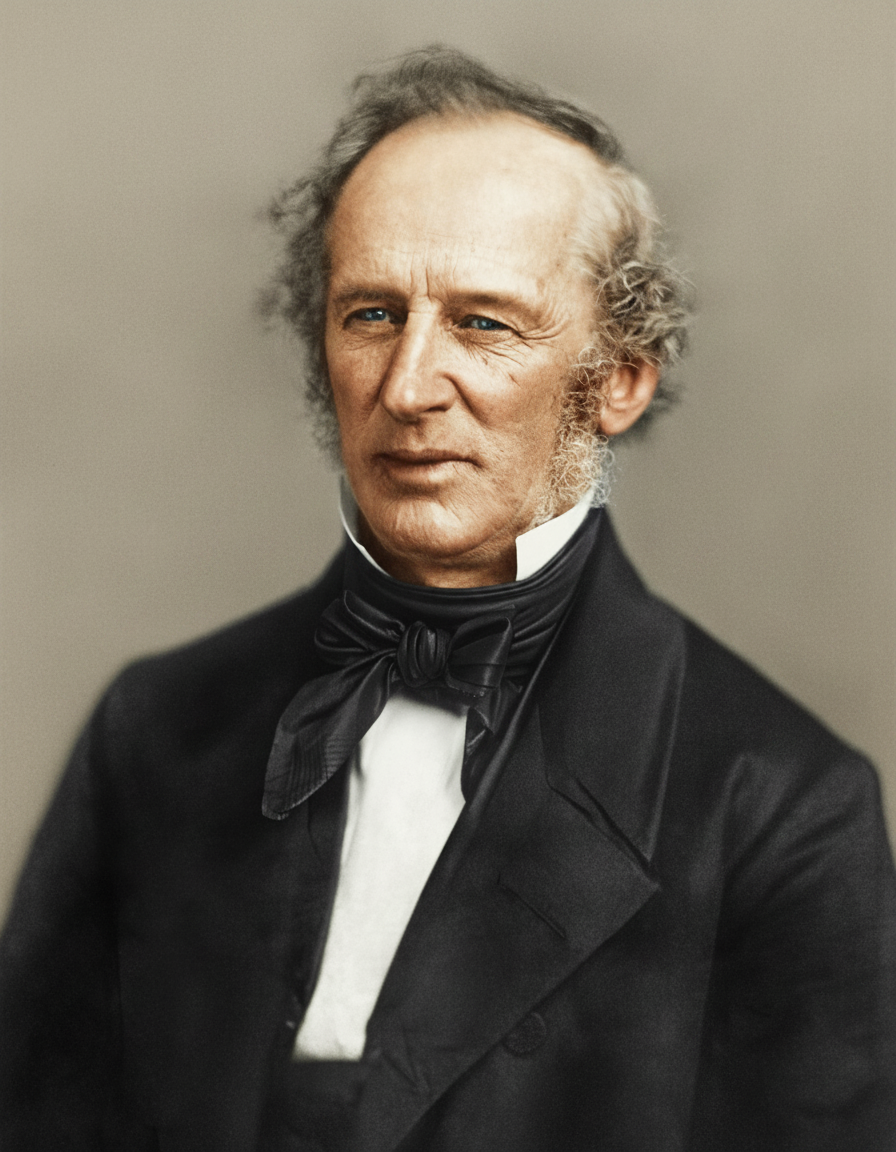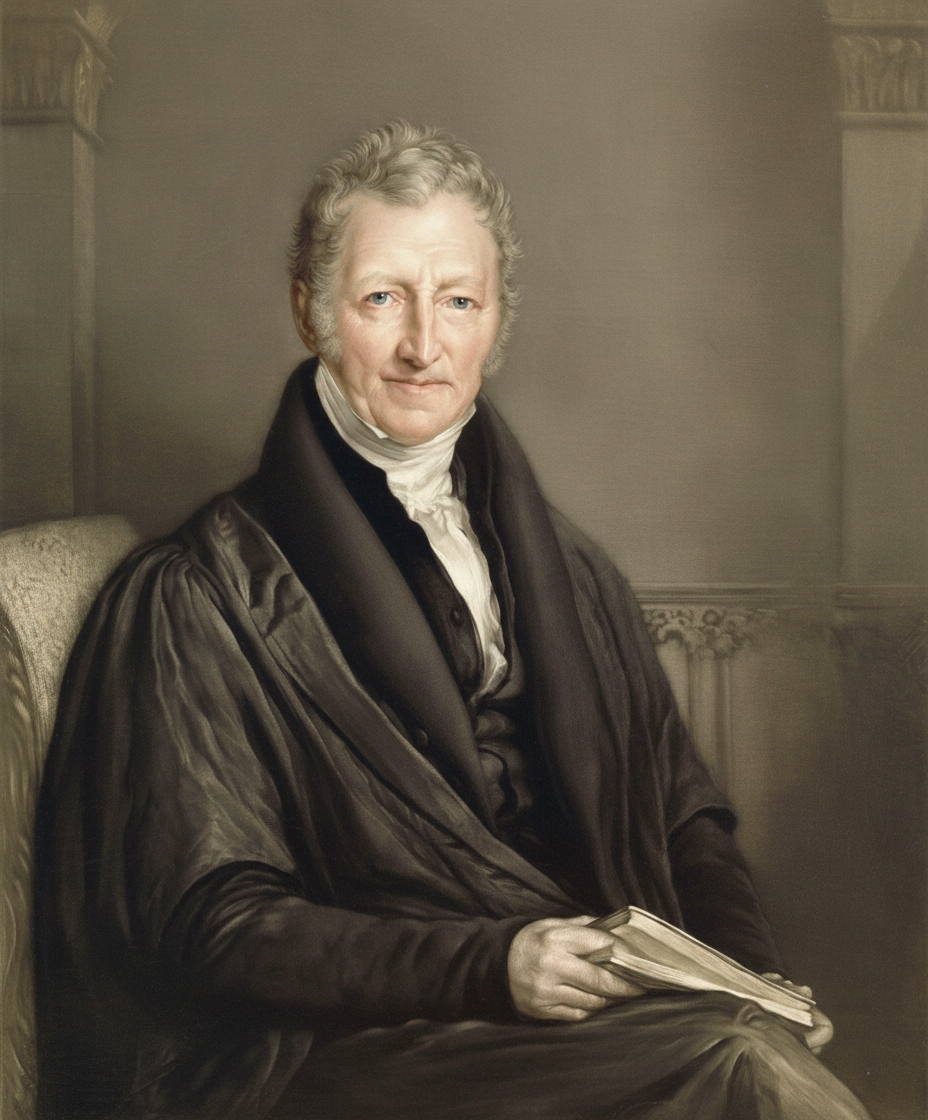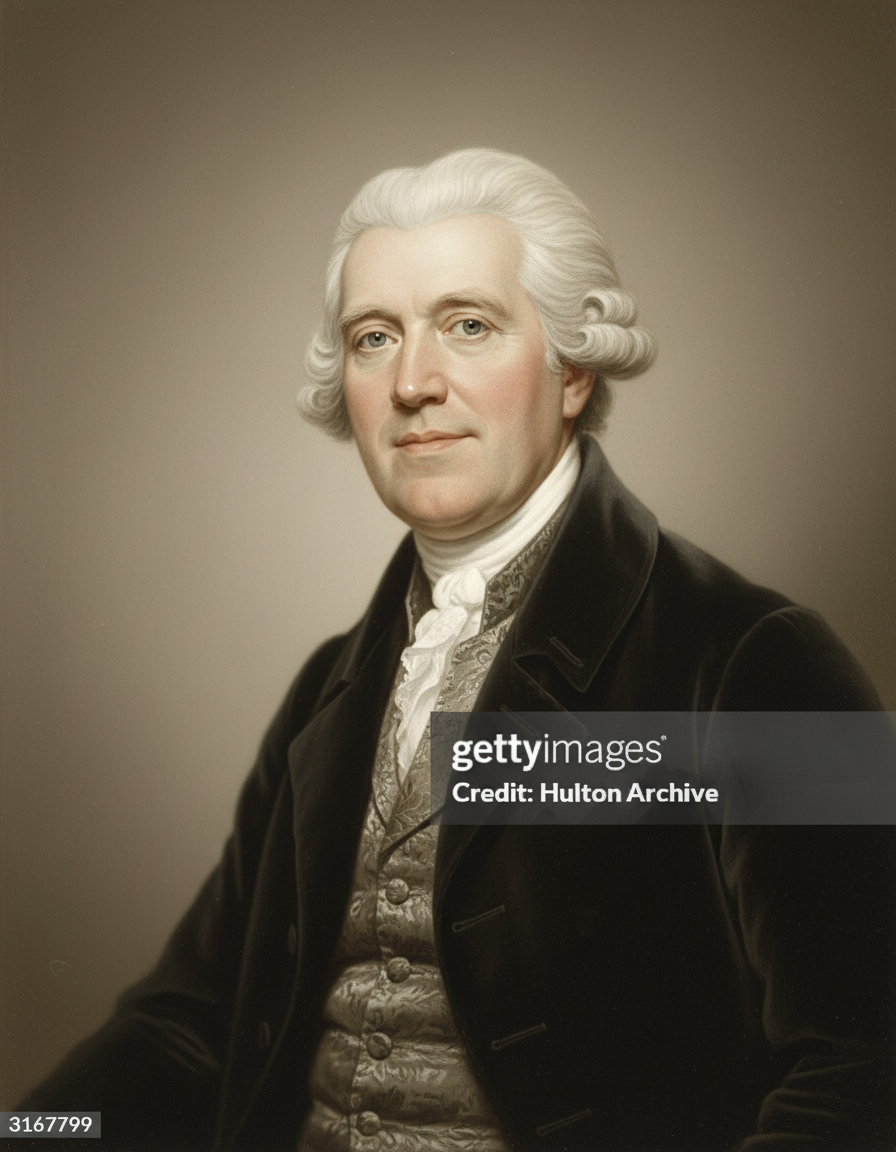
Portrait of Josiah Wedgwood
Historical Mind · 1730 — 1795

Josiah Wedgwood

Industrial Revolution pioneer who revolutionized ceramic manufacturing, invented modern luxury branding, and codified standard industrial cost accounting.

Country
United Kingdom
Continent
Europe
Industry
Manufacturing & Luxury Consumer Goods
Role
Founder & Industrialist

Josiah Wedgwood transformed pottery from a cottage craft into a global, scientifically managed industry. Overcoming a childhood battle with smallpox that left him permanently disabled, he founded the Wedgwood ceramics company in 1759. He created the commercial blueprint for modern premium branding through the invention of Queen's Ware, Black Basalt, and Jasperware. Beyond artistic and material breakthroughs, Wedgwood pioneered division of labor in manufacturing, spearheaded major national infrastructure investments like the Trent and Mersey Canal to de-risk his supply chain, and invented variance analysis and cost accounting to protect margins during macroeconomic shocks.

Biography

Born into a modest family of potters in Burslem, Staffordshire, Josiah Wedgwood began his apprenticeship at age nine following his father's death. A severe bout of smallpox weakened his right knee, ultimately leading to the amputation of his leg in 1768; unable to operate the potter's wheel treadle, he concentrated on design, chemistry, and production efficiency. After an educational partnership with master potter Thomas Whieldon between 1754 and 1759, Wedgwood established his own venture at the Ivy House Works in Burslem in 1759. His early obsession was perfecting cream-colored earthenware, culminating in an order from Queen Charlotte in 1765. Securing permission to brand the line 'Queen's Ware' transformed his regional enterprise into an international status symbol. To capitalize on aristocratic demand while mass-producing utilitarian pieces, Wedgwood formed a commercial partnership in 1768 with merchant Thomas Bentley and designed the purpose-built Etruria Works in 1769. Etruria operated with strict division of labor, standard operating procedures, and dedicated workshops separating ornamental luxury goods from mass-market utility wares. During the severe credit crisis and economic recession of 1772, Wedgwood conducted rigorous empirical studies of material consumption and labor time, inventing the concepts of modern cost accounting, overhead allocation, and piece-rate incentives to preserve operational solvency. Understanding logistics as a direct margin driver, he served as the principal commercial backer and treasurer of the Trent and Mersey Canal, which slashed transport breakages from over 30% to negligible figures and cut transit costs by more than 80%. Wedgwood combined scientific research—earning a Fellowship of the Royal Society in 1783 for his invention of the pyrometer to measure kiln temperatures—with disruptive marketing practices including money-back guarantees, illustrated direct mail catalogs, traveling sales showrooms, and celebrity product placements, cementing a commercial legacy that directly shaped modern corporate enterprise.

Accomplishments

  • 01Commercialized Queen's Ware in 1765, turning royal patronage into the world's first scalable, high-margin consumer lifestyle brand.
  • 02Engineered and built the Etruria manufacturing works in 1769, institutionalizing the division of labor, standardized tooling, and assembly specialization decades ahead of modern factory frameworks.
  • 03Pioneered early managerial and cost accounting in 1772, mapping fixed versus variable overheads, identifying worker embezzlement, and calculating per-item product margins.
  • 04Formed and financed the Trent and Mersey Canal Corporation (chartered 1766, completed 1777), structurally slashing inbound clay and outbound finished good transit costs by over 80%.
  • 05Invented the pyrometer in 1782 to standardize kiln temperature measurement, securing election as a Fellow of the Royal Society in 1783.
  • 06Pioneered modern luxury merchandising techniques, including direct-to-consumer catalogs, money-back guarantees, free domestic shipping, and VIP-only showroom previews in London.

Lessons for Operators

Turn physical or operational constraints into strategic leverage: Inability to operate the potter's foot pedal forced Wedgwood into research, operational design, and management, creating far more enterprise value than manual craftsmanship.
Establish a high-margin halo product to subsidize and drive mass-market distribution: Queen's Ware established high-status authority among nobility, allowing high-volume, lower-margin household utility ware to capture enormous market share.
Cost accounting must be treated as a defensive moat during macroeconomic stress: When the 1772 recession hit, granular unit economics revealed which lines bled cash and prevented premature price-cutting wars.
De-risk supply chain infrastructure through direct equity investment: Relying on rutted turnpikes meant unsustainable loss rates; co-funding canal infrastructure secured a permanent logistics cost advantage over regional competitors.
Standardize input measurement to eliminate operational variance: Developing the pyrometer converted ceramic firing from intuitive artisanal guesswork into a repeatable, scalable industrial process.
The Operator's Playbook

Key Takeaways

Practical lessons distilled for operators, investors, C-levels, and capital allocators.

Lesson 01

The Influencer-to-Mass Pipeline

Wedgwood targeted sovereign and aristocratic trendsetters deliberately at zero profit to capture cultural cachet, then immediately monetized that perceived exclusivity through high-volume, premium-priced sales to the rising middle class.

Lesson 02

Granular Unit Economics Over Aggregate Margin

During the 1772 credit crunch, Wedgwood calculated the separate costs of raw materials, mold depreciation, and individual labor touchpoints, proving that volume expansion without clear unit margin knowledge destroyed enterprise capital.

Lesson 03

Infrastructure-Level Supply Chain Control

Recognizing that road transport caused catastrophic product breakage rates of up to 30%, Wedgwood integrated forward into transportation infrastructure, becoming the chief financier of the canal system that connected Staffordshire to international ports.

Lesson 04

Decoupling Ornamental from Utility Production

At his Etruria facility, Wedgwood architecturally separated ornamental luxury manufacture from high-volume utility production to prevent bespoke artisanal work from inflating the fixed cost base of standardized goods.

Mental Models

Frameworks & Principles

Named frameworks and strategic principles they popularized or embodied.

01

The Halo-Tier Diffusion Model

A tiered brand architecture where bespoke, highly publicized artifacts are created for tier-one cultural elites at near-cost, creating reputational gravity that permits immediate 3x to 5x pricing premiums on standardized tier-two and tier-three consumer lines.

When to useDeploy when introducing mass-affluent consumer products or enterprise SaaS tiers where enterprise-grade brand prestige directly reduces customer acquisition costs across mid-market segments.

02

Downturn Cost Decomposition (Wedgwood Audit)

A defensive forensic audit framework created during revenue contractions that splits operating expenses into raw variable materials, labor piece-rates, and structural facility overhead to locate operational drag, waste, and margin leaks across individual SKUs.

When to useUse during liquidity crises, market contractions, or sudden drops in demand when broad-brush price cuts threaten operational viability and granular SKU-level pruning is required.

03

Supply-Chain De-Bottlenecking via Consortium Capital

A strategic infrastructure play where enterprise leaders co-invest in or lobby for shared logistical public-private assets (canals, railways, cloud connectivity, power grids) to lower operational friction and establish structural cost advantages over competitors.

When to useUse when high transport, compute, or regulatory friction severely caps unit distribution and internal capacity investments yield diminishing returns without external infrastructure upgrades.

Citations

Sources & Further Reading

Profiles, interviews, podcasts, and articles used to compile and verify this entry. Each link opens at the original publisher.

Adjacent Minds

Explore Related Titans

Other figures in the archive who share Josiah Wedgwood's domain, geography, or era.

Consumer & Retail

More in Consumer & Retail

Browse all →
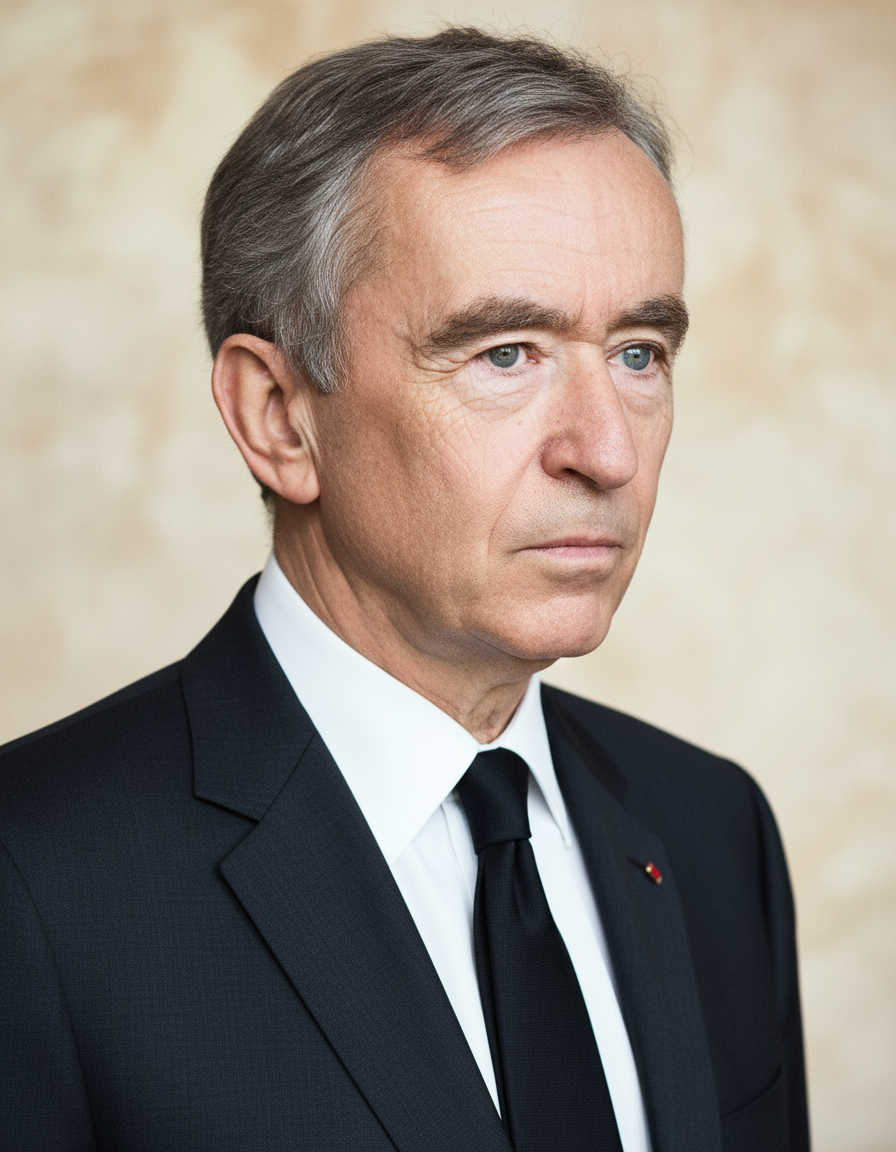
Portrait of Bernard Arnault
FRANCE / LUXURY GOODS
Bernard Arnault
The architect of modern luxury, Bernard Arnault transformed LVMH into the world's leading luxury conglomerate.
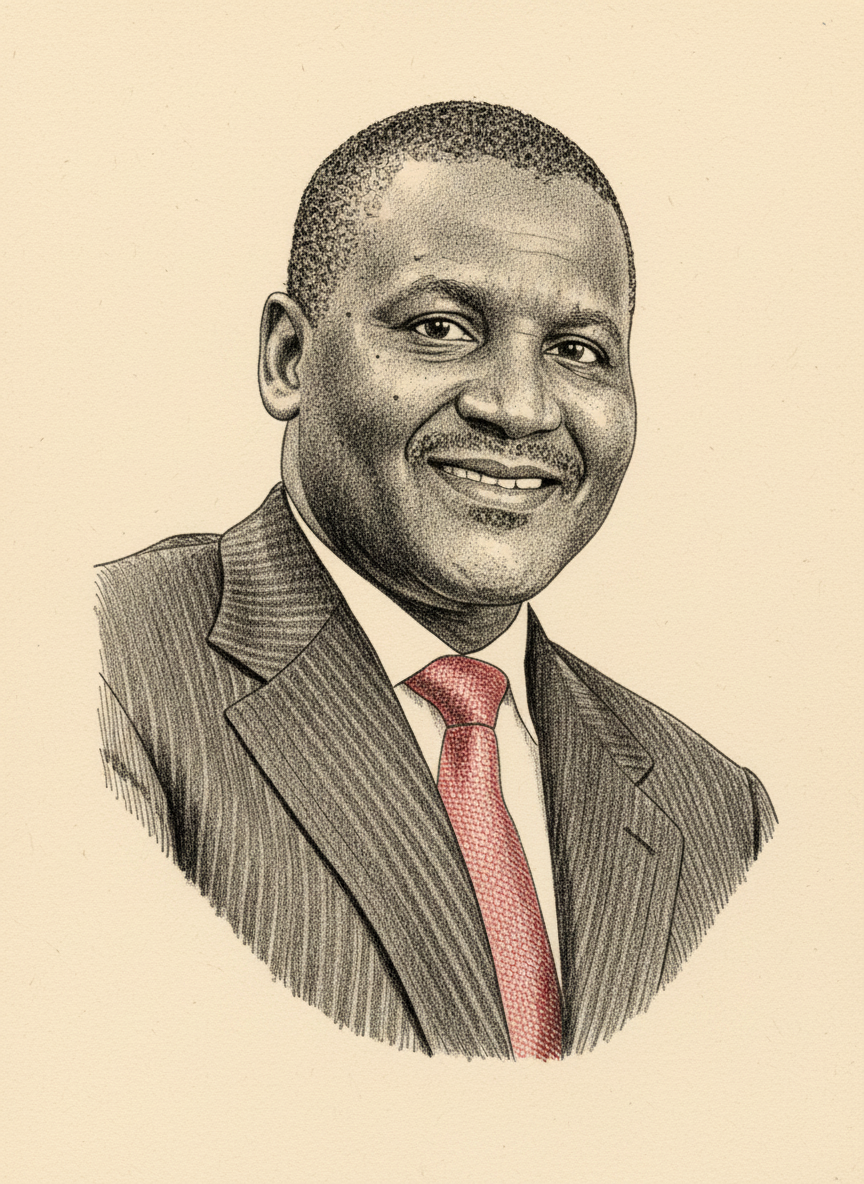
Portrait of Aliko Dangote
NIGERIA / DIVERSIFIED CONGLOMERATE (CEMENT, SUGAR, REFINING, FOOD & BEVERAGES, PETROCHEMICALS)
Aliko Dangote
Aliko Dangote: The architect of Africa's largest industrial conglomerate, transforming local resources into global-scale enterprises across cement, sugar, refining, and petrochemicals.
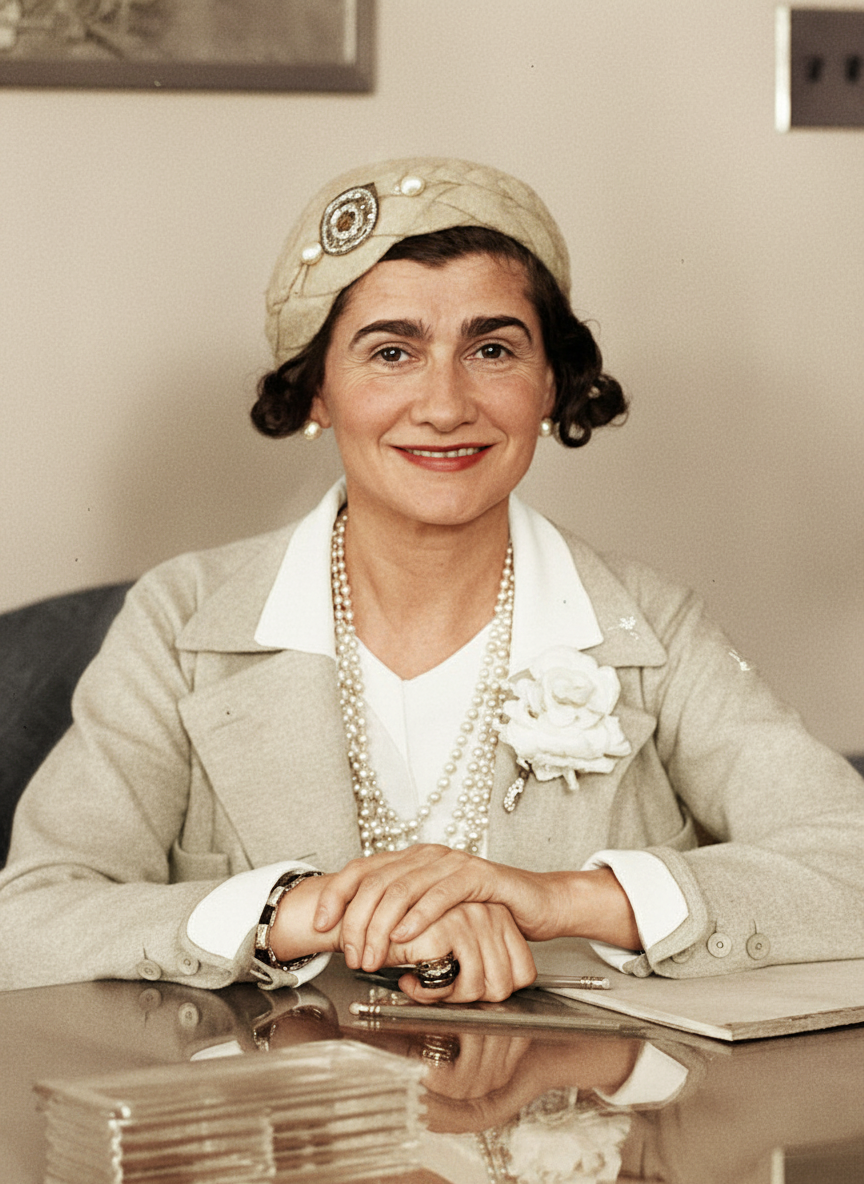
Portrait of Coco Chanel
FRANCE / FASHION & LUXURY
Coco Chanel
The architect of modern female fashion, transforming haute couture into an empire of timeless style and aspirational luxury.
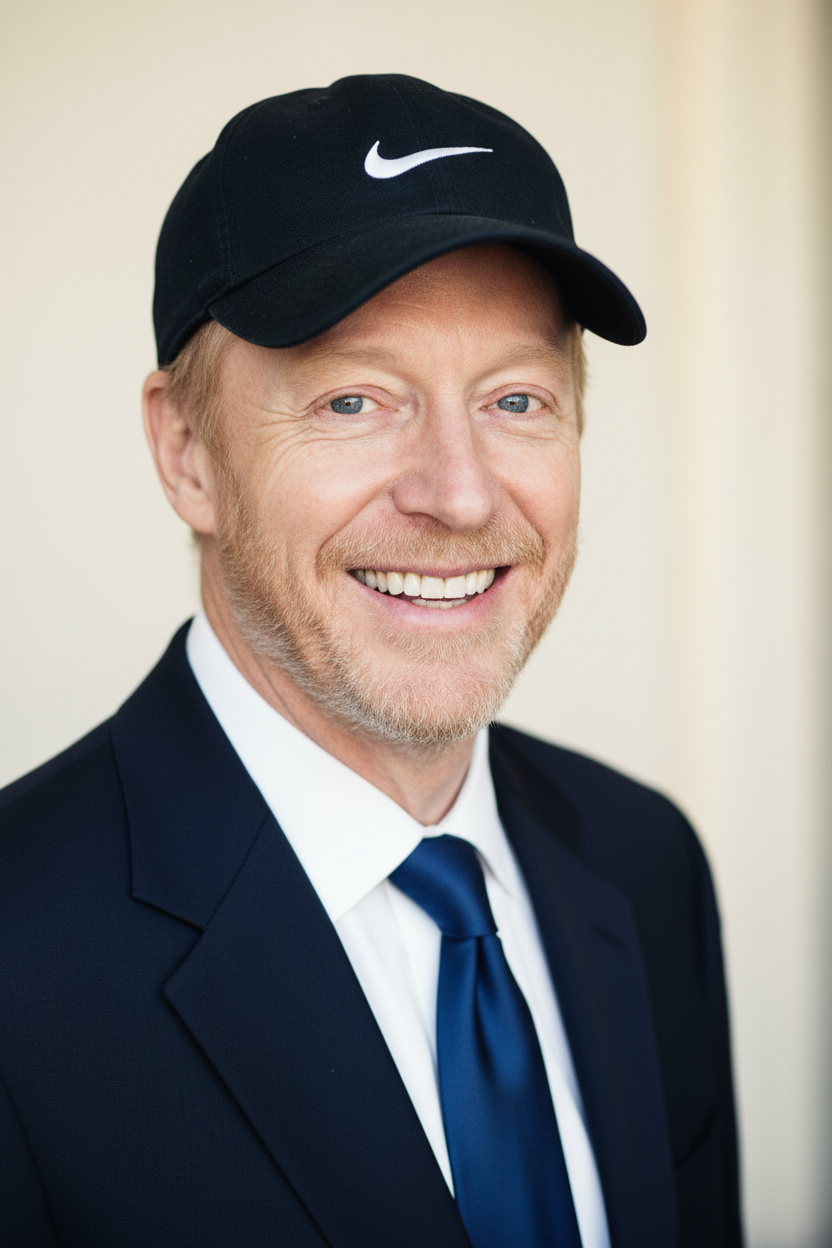
Portrait of Phil Knight
UNITED STATES / APPAREL & FOOTWEAR
Phil Knight
Phil Knight: The Visionary Architect of Nike, who transformed athletic footwear from functional gear into a global cultural phenomenon.
Portrait of Estée Lauder
UNITED STATES / BEAUTY & COSMETICS
Estée Lauder
The architect of the modern beauty industry, Estée Lauder built a global empire on personalized service, product innovation, and aspirational marketing.
Portrait of Madam C.J. Walker
UNITED STATES / BEAUTY & COSMETICS
Madam C.J. Walker
America's First Self-Made Woman Millionaire, Founder of a Global Haircare and Cosmetics Empire.
Portrait of Henry J. Heinz
UNITED STATES / FOOD & BEVERAGE
Henry J. Heinz
Henry J. Heinz: The pioneer of branded foods, meticulous quality, and innovative marketing, transforming the food industry from local bulk sales to a trusted global enterprise.
Portrait of Paul Polman
NETHERLANDS / CONSUMER GOODS (FMCG)
Paul Polman
The architect of purpose-driven capitalism and sustainable business transformation at Unilever.
Portrait of Madam C.J. Walker
UNITED STATES / CONSUMER GOODS, DIRECT SALES
Madam C.J. Walker
Madam C. J. Walker: Pioneering hair care entrepreneur, philanthropist, and America's first documented self-made female millionaire.
Portrait of Frédéric Arnault
FRANCE / LUXURY GOODS
Frédéric Arnault
Architect of brand revitalization and digital transformation in luxury goods.
United Kingdom

From United Kingdom
Browse all →
Portrait of Richard Branson
UNITED KINGDOM / CONGLOMERATE
Richard Branson
The Maverick Billionaire: Pioneering and Proliferating the Virgin Brand Across Diverse Sectors.
Portrait of Queen Victoria
UNITED KINGDOM / GOVERNMENT & EMPIRE MANAGEMENT
Queen Victoria
The enduring matriarch who presided over an era of unparalleled imperial expansion and industrial transformation.
Portrait of Kate Bingham
UNITED KINGDOM / BIOTECHNOLOGY, VENTURE CAPITAL, PUBLIC HEALTH
Kate Bingham
Architect of vaccine procurement strategies, venture capital pioneer in life sciences, and influential biotech board leader.
Portrait of Sir Martin Sorrell
UNITED KINGDOM / MARKETING & ADVERTISING
Sir Martin Sorrell
The architect of WPP, transforming a wire-basket manufacturer into the world's largest advertising and marketing services company.
Portrait of Rupert Hillhouse
UNITED KINGDOM / PRIVATE EQUITY, TECHNOLOGY INVESTMENT
Rupert Hillhouse
Rupert Hillhouse is a pivotal figure in European technology private equity, known for identifying and scaling growth-oriented software and tech-enabled services companies.
Portrait of Blythe Masters
UNITED KINGDOM / FINANCIAL SERVICES, ENTERPRISE TECHNOLOGY
Blythe Masters
The architect of modern credit derivatives and a blockchain enterprise pioneer.
Portrait of Michael Platt
UNITED KINGDOM / FINANCE
Michael Platt
Michael Platt: The relentless arbitrageur who built a quantitative trading powerhouse by identifying and scaling exceptional talent.
Portrait of Antonia Romeo
UNITED KINGDOM / PUBLIC ADMINISTRATION, INTERNATIONAL RELATIONS, INVESTMENT MANAGEMENT
Antonia Romeo
A British civil servant who rose to the highest echelons of public service, leading critical government departments and representing national economic interests globally.
Portrait of David Ricardo
UNITED KINGDOM / FINANCE, ECONOMICS, GOVERNMENT
David Ricardo
The architect of comparative advantage and a transformative figure in classical economics and finance.
Portrait of Clara Furse
UNITED KINGDOM / FINANCIAL SERVICES
Clara Furse
Architect of Modern Exchange: Clara Furse's stewardship transformed the London Stock Exchange Group into a globally competitive financial infrastructure powerhouse.