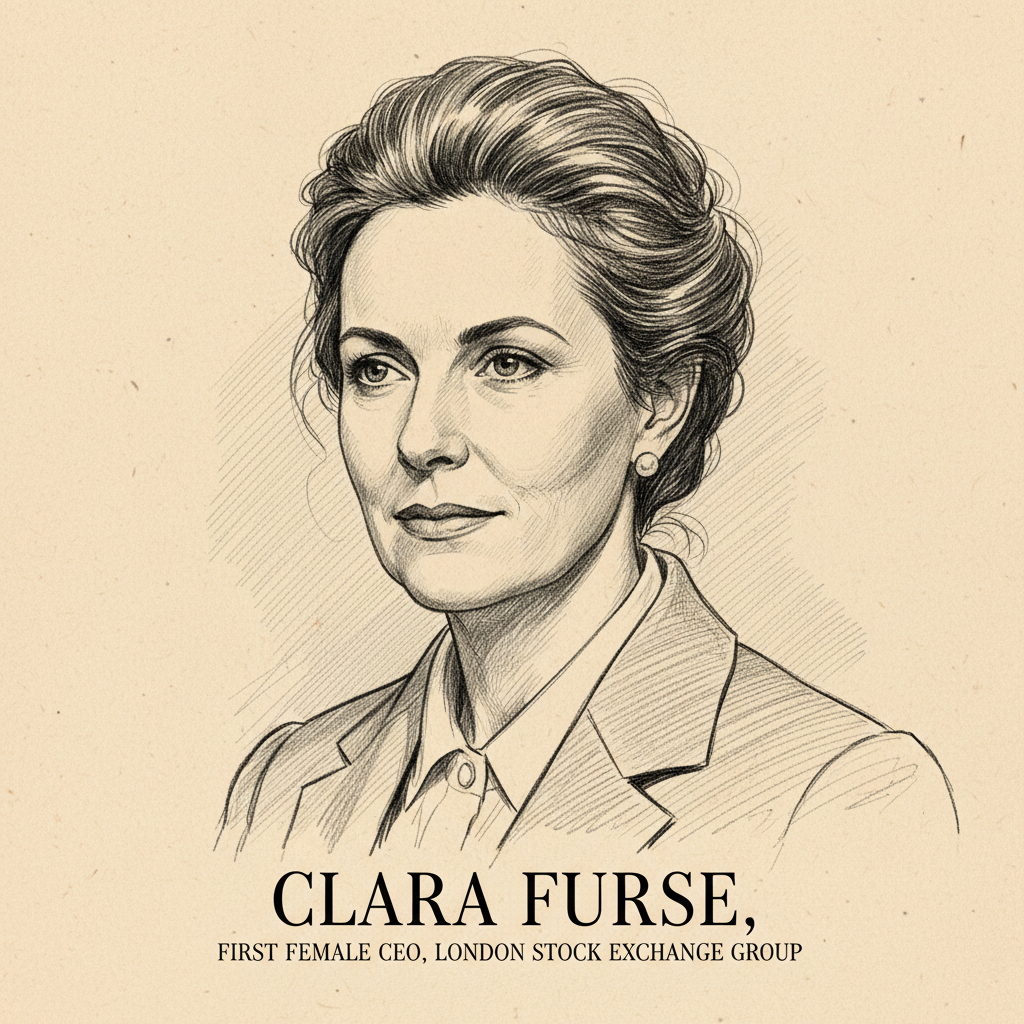
Antonia Romeo
A British civil servant who rose to the highest echelons of public service, leading critical government departments and representing national economic interests globally.
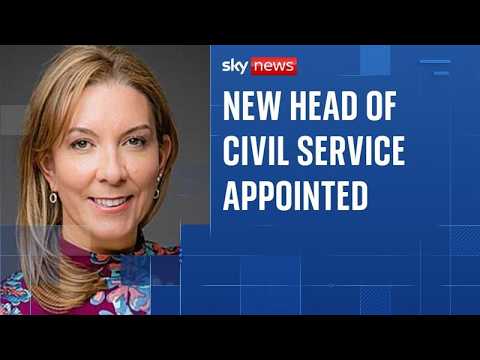
Dame Antonia Romeo is a British civil servant renowned for her leadership in critical government departments. She has served as Cabinet Secretary and Head of the Civil Service since February 2026. Prior to this, she held Permanent Secretary roles at the Home Office, Ministry of Justice, and Department for International Trade. Her career also includes serving as the British Consul-General in New York and Director-General for Economic and Commercial Affairs in the USA.
Biography
Accomplishments
- 01Appointed Cabinet Secretary and Head of the Civil Service in February 2026, the highest non-political civil service position in the United Kingdom.
- 02Served as Permanent Secretary at the Home Office, overseeing critical national security, immigration, and law enforcement operations.
- 03Led the Department for International Trade (DIT) as Permanent Secretary, playing a pivotal role in the UK's independent trade policy development and negotiation post-Brexit.
- 04Held the Permanent Secretary position at the Ministry of Justice, guiding significant reforms and operational management within the UK's justice system.
- 05Represented the UK as British Consul-General in New York, enhancing diplomatic and economic ties in a crucial global market.
- 06Simultaneously served as Director-General for Economic and Commercial Affairs in the USA, driving economic growth and investment between the UK and the US.
Lessons for Operators
Key Takeaways
Practical lessons distilled for operators, investors, C-levels, and capital allocators.
Strategic Leadership in Highly Regulated Environments
Romeo's career exemplifies strategic leadership within highly regulated and complex public sector environments. Her ability to navigate national security, justice, and international trade portfolios demonstrates a capacity for comprehensive oversight and policy implementation under intense scrutiny.
Global Economic Acumen
Her tenure as Consul-General in New York and Director-General for Economic Affairs in the USA provided her with first-hand experience in fostering international trade and investment. This background underscores the importance of a global perspective for leaders in any sector dealing with international markets or geopolitics.
Transitioning Across Diverse Domains
The seamless transition between roles in diplomacy, justice, trade, and national security highlights the value of transferable leadership skills. Cultivating a foundational understanding of governance, stakeholder management, and organizational change allows leaders to succeed in varied operational contexts.
Policy Implementation and Operational Excellence
As Permanent Secretary across multiple departments, Romeo was responsible for both advising ministers on policy and ensuring the effective operational delivery of government services. This dual focus on strategy and execution is a critical differentiator for top-tier leadership.
The Power of Public Service Influence
Reaching the pinnacle of the civil service demonstrates the immense influence individuals can wield through dedicated public service, shaping national policy, economic direction, and international standing without holding elected office.
Frameworks & Principles
Named frameworks and strategic principles they popularized or embodied.
Whole-of-Government Approach
A collaborative approach where government departments work together to achieve common goals, rather than operating in silos. Romeo's diverse roles across the Home Office, Justice, and Trade inherently require this integrated perspective.
When to useApplicable when tackling complex issues that span multiple organizational units or policy areas, requiring coordinated effort and resource allocation. Ideal for large enterprises facing cross-functional challenges or public bodies addressing societal problems.
Stakeholder Engagement Matrix
A tool to identify, analyze, and prioritize stakeholders, detailing their influence, interest, and potential impact on a project or policy. Crucial for navigating complex political and economic landscapes like those Romeo operated within.
When to useUtilize when initiating new projects, developing strategies, or managing significant organizational change to ensure all relevant parties are identified, understood, and engaged appropriately to foster support and mitigate risks.
Diplomatic Negotiation Principles
A set of guidelines for effective communication and bargaining in international relations, focusing on mutual gain, clear objectives, cultural sensitivity, and maintaining long-term relationships. Directly relevant to her Consul-General and trade roles.
When to useEmploy when conducting international business deals, forming strategic partnerships, resolving conflicts with external entities, or engaging in any high-stakes negotiation where relationships and reputation are as important as outcomes.
Strategic Workforce Planning
The process of aligning an organization's human capital with its business goals and strategic objectives. Essential for managing vast public sector workforces and ensuring the right skills are in place for future challenges.
When to useImplement when an organization anticipates significant growth, technological shifts, or changes in its operating model, ensuring talent acquisition, development, and retention strategies support long-term objectives.
Recent Appearances
Latest interviews, keynotes, and press from the past half year.
 youtube.com
 youtube.com
 youtube.com
 youtube.com
 youtube.com
 youtube.com
 m.youtube.com
 youtube.com
 youtube.com
 youtube.com
 youtube.com
 youtube.com
 youtube.com
 youtube.com
 youtube.com
 youtube.com
 youtube.com
 youtube.com
 youtube.com
 youtube.com
 youtube.com
 youtube.com
 youtube.com
 youtube.com
 youtube.com
 youtube.com
 youtube.com
 youtube.com
 youtube.com
 youtube.com
 youtube.com
 youtube.com
 youtube.com
 youtube.com
 youtube.com
 youtube.com
 youtube.com
 youtube.com
 youtube.com
 youtube.com
Sources & Further Reading
Profiles, interviews, podcasts, and articles used to compile and verify this entry. Each link opens at the original publisher.
Explore Related Titans
Other figures in the archive who share Antonia Romeo's domain, geography, or era.
More in Finance & Investing






From United Kingdom