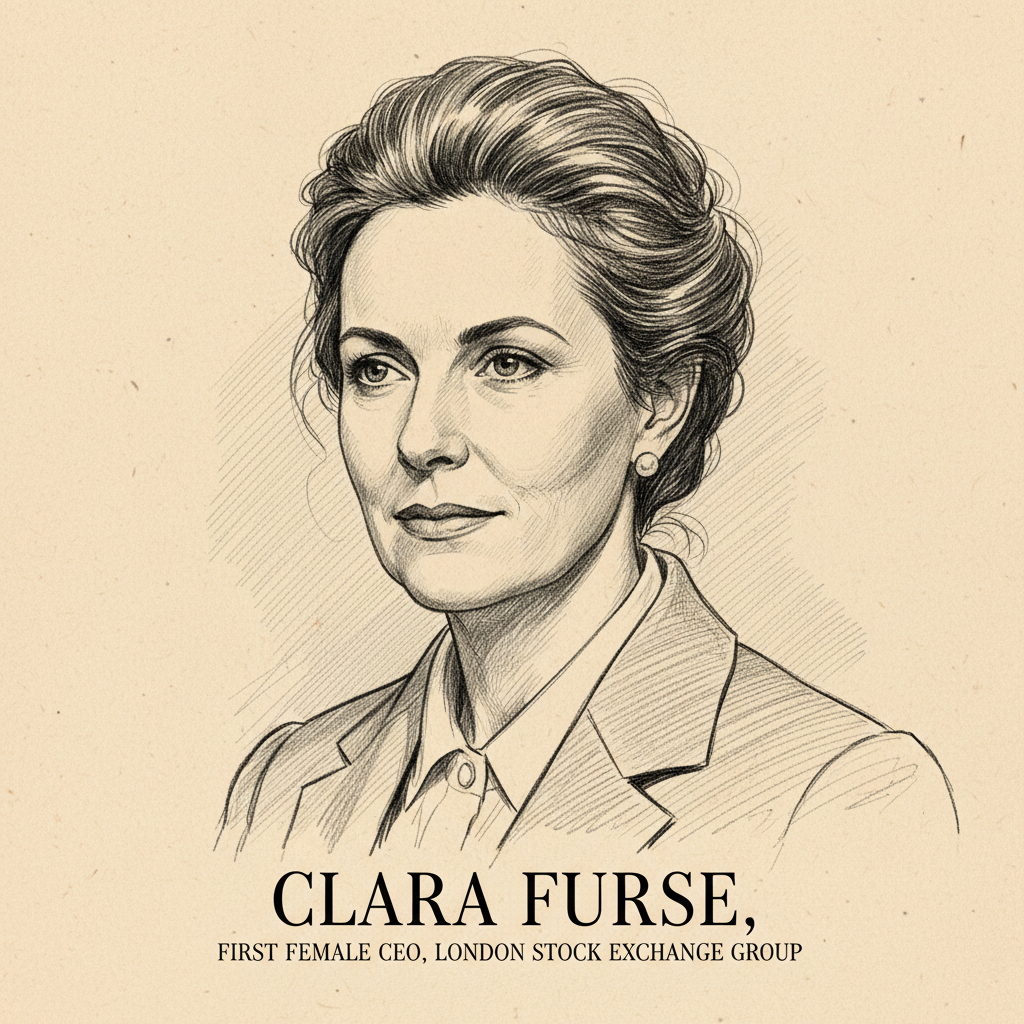
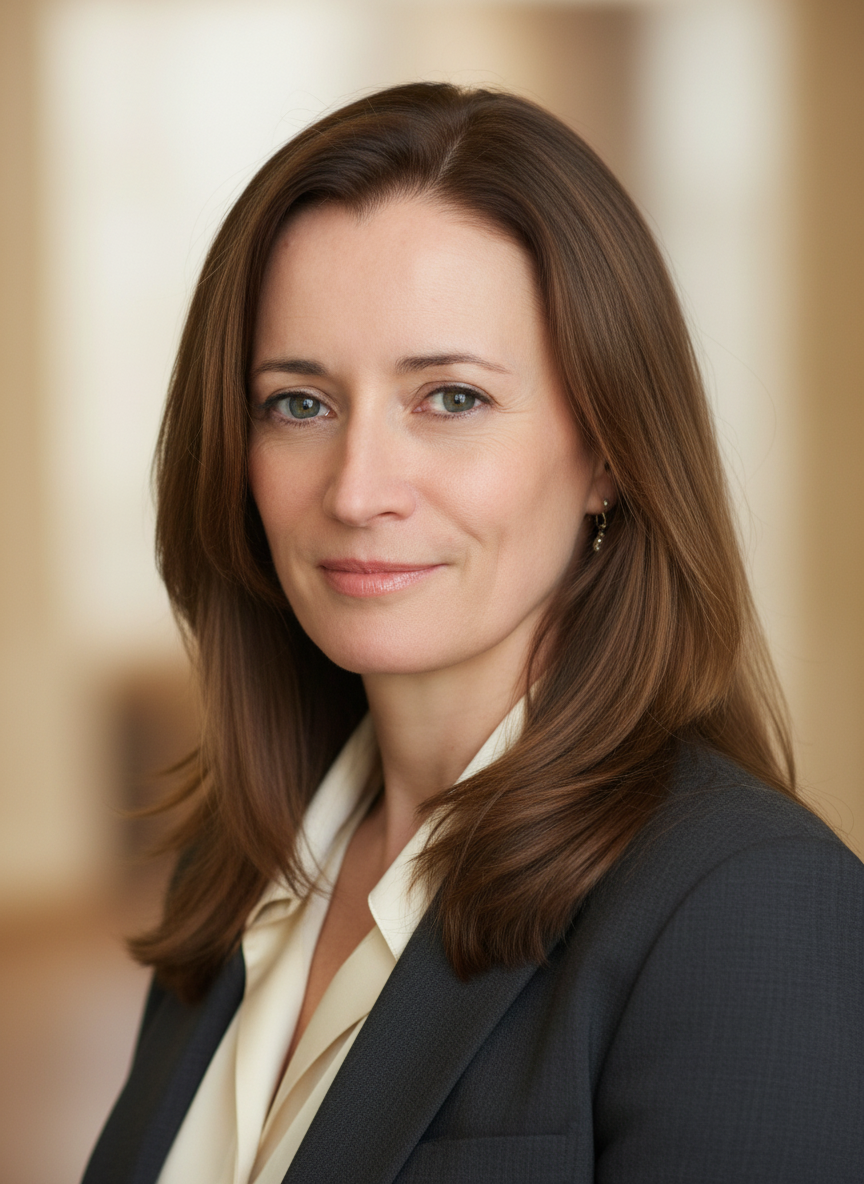
Clara Furse
Architect of Modern Exchange: Clara Furse's stewardship transformed the London Stock Exchange Group into a globally competitive financial infrastructure powerhouse.
Clara Furse served as CEO of the London Stock Exchange Group (LSEG) from 2001 to 2009. During her tenure, she spearheaded a significant modernization and internationalization of the exchange, fending off multiple takeover bids and transforming LSEG into a publicly listed, diversified financial data and trading entity. Her leadership was instrumental in navigating a period of intense technological change and consolidation within global exchanges.
Biography
Accomplishments
- 01Successfully defended the London Stock Exchange (LSE) from multiple hostile takeover bids (Deutsche Börse, Euronext, Macquarie Bank) between 2004-2007, preserving its independence and strategic direction.
- 02Led the demutualization and subsequent public listing of the LSE, transforming its governance and access to capital for growth.
- 03Orchestrated a fundamental technological overhaul, implementing new trading platforms like TradElect (launched 2007) to enhance speed, capacity, and efficiency, addressing critical infrastructure deficiencies.
- 04Diversified LSEG's revenue streams beyond cash equities trading, expanding into data services, derivatives markets, and technology licensing, reducing reliance on core trading volumes.
- 05Achieved significant growth in market capitalization and international footprint for the LSE during a period of intense global exchange consolidation and competition.
- 06Championed a strategic shift towards becoming a major financial market infrastructure provider, expanding the group's scope and resilience.
- 07Implemented robust governance structures and transparency, bolstering investor confidence in the LSE's operational integrity.
Lessons for Operators
Key Takeaways
Practical lessons distilled for operators, investors, C-levels, and capital allocators.
Visionary Defense
Furse demonstrated that defending against hostile takeovers can be a value-creating strategy when accompanied by a clear, independently conceived vision for growth and modernization, rather than merely resisting for its own sake. Her defense was intertwined with a profound transformation agenda.
Infrastructure as a Service (IaaS) Mindset
She recognized that an exchange is fundamentally a piece of critical financial infrastructure. By treating technology and data capabilities as core products, analogous to Infrastructure as a Service, she positioned LSEG for future relevance and monetization beyond mere transaction processing.
The Power of Incremental Strategic Shifts
While facing existential threats, Furse pursued a strategy of continuous, significant operational and technological improvements that collectively amounted to a fundamental transformation over her tenure, rather than relying on a single 'big bang' solution. This sustained focus built momentum.
Stakeholder Management in Crisis
Navigating multiple takeover bids required exceptional skill in managing diverse stakeholder interests – shareholders, regulators, employees, and customers – while concurrently executing a modernization agenda. Maintaining consistent communication and demonstrating clear progress was paramount.
Evolution of Market Infrastructure
Furse's leadership exemplified the shift required for traditional exchanges to evolve from simple trading venues to diversified financial market infrastructure (FMI) providers, encompassing data analytics, technology, and clearing, which is a blueprint for current FMI leaders.
Competitive Differentiation through Resilience
By investing in robust, high-performance technology and resilient operations, LSEG not only improved its competitive standing but also strengthened its brand as a reliable and innovative market partner, a crucial differentiator in high-stakes financial environments.
Frameworks & Principles
Named frameworks and strategic principles they popularized or embodied.
Strategic Defense & Value Creation Matrix
This framework involves assessing hostile takeover bids not just as threats to independence, but as opportunities to articulate and accelerate an independent value creation strategy. It requires a clear long-term vision, robust communication to shareholders, and demonstrable progress on strategic initiatives.
When to useWhen facing a hostile takeover attempt or significant external pressure, to guide leadership in formulating a response that both defends independence and clearly articulates a superior, deliverable standalone strategy to stakeholders.
Financial Market Infrastructure (FMI) Diversification Model
Focuses on expanding revenue streams beyond core trading activities (e.g., equities, bonds) into adjacent, higher-margin, and less cyclical areas such as market data, technology licensing, indices, and post-trade services (clearing, settlement).
When to useFor leaders of exchanges, clearing houses, or other market infrastructure providers seeking to enhance resilience, reduce reliance on volatile trading volumes, and unlock new growth opportunities in a rapidly evolving financial landscape.
Technology Debt Remediation & Future-Proofing
A structured approach to evaluating existing technology infrastructure for obsolescence ('tech debt'), prioritizing critical upgrades, and implementing a roadmap for continuous technological advancement to ensure competitive parity and future scalability. This includes significant investment cycles.
When to useWhen an organization's core operational technology is lagging competitors, hindering efficiency, or limiting growth potential, especially in high-transaction, data-intensive industries where speed and reliability are paramount.
Sources & Further Reading
Profiles, interviews, podcasts, and articles used to compile and verify this entry. Each link opens at the original publisher.
Explore Related Titans
Other figures in the archive who share Clara Furse's domain, geography, or era.
More in Finance & Investing





From United Kingdom






Contemporaries — born 1950s