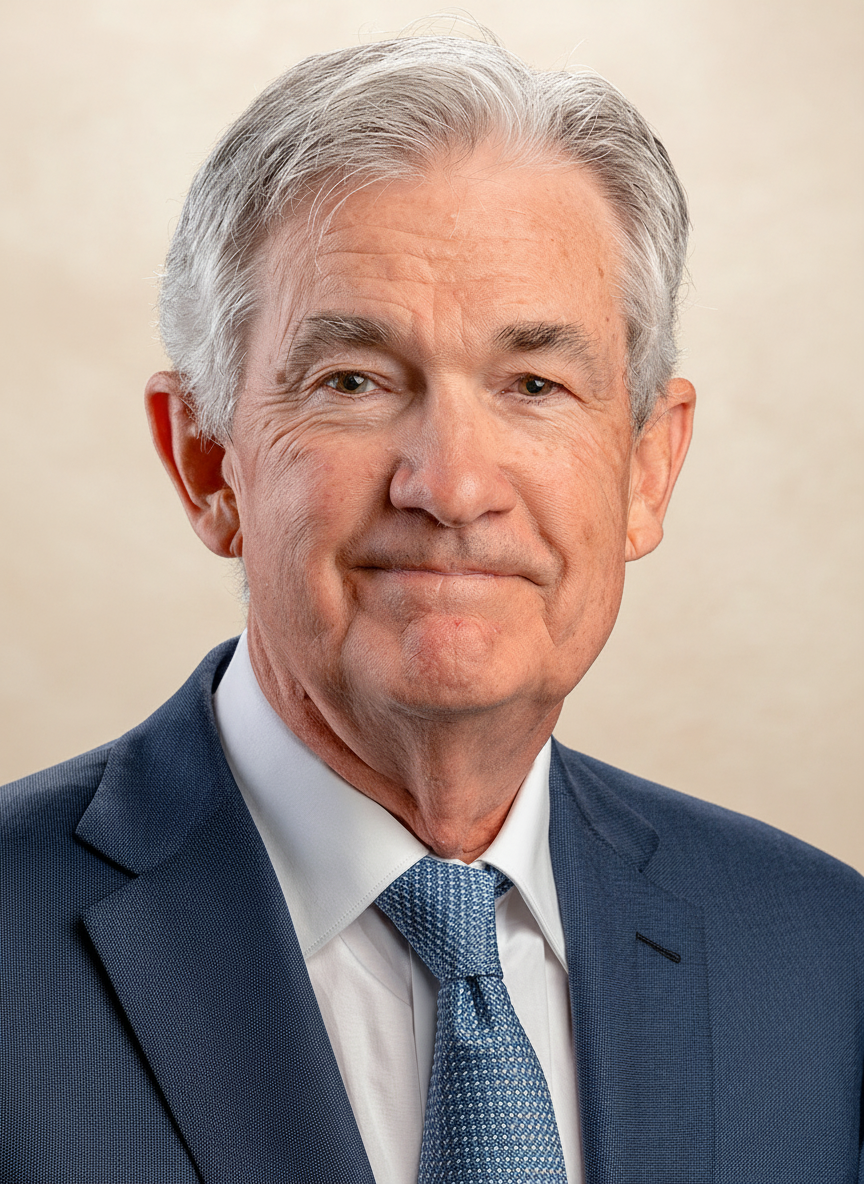
Jerome Powell
Navigating macroeconomic stability, Jerome Powell steered the Federal Reserve through unprecedented economic challenges and monetary policy shifts.
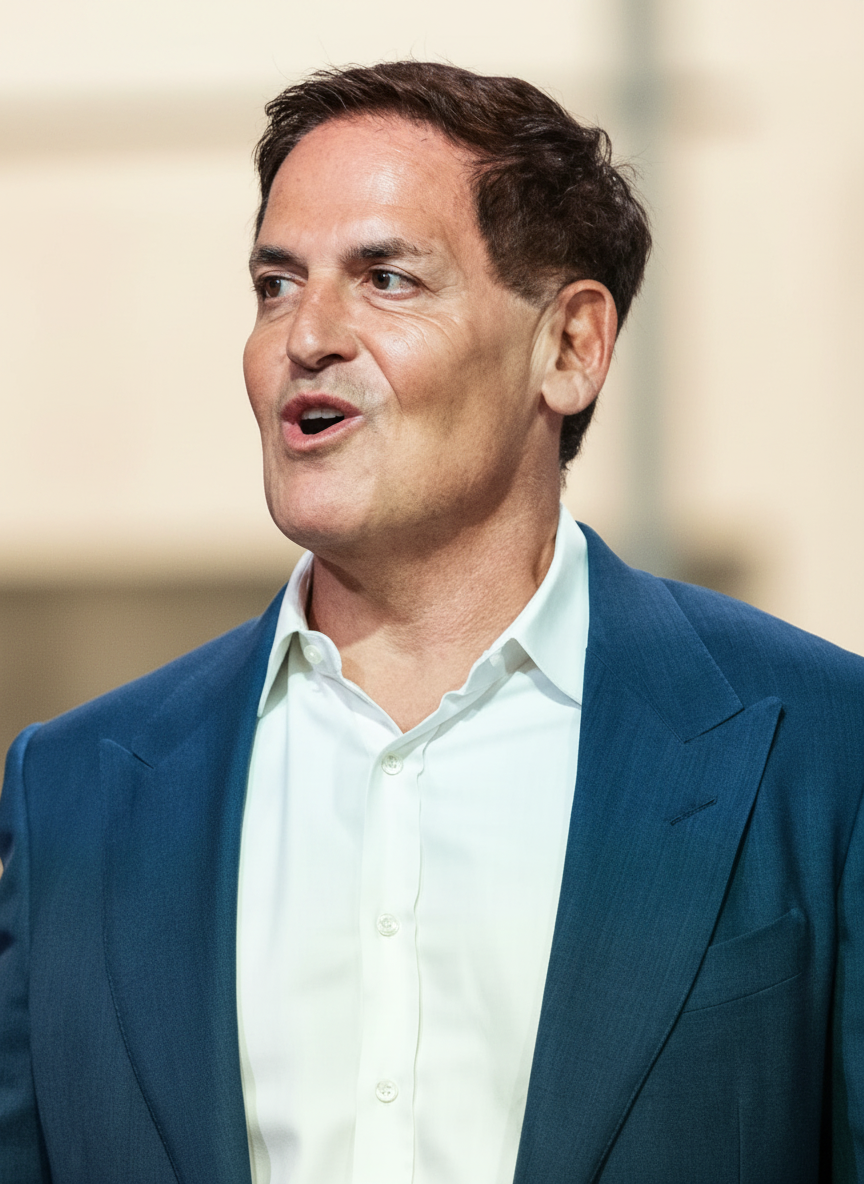
Jerome H. Powell is an American central banker who served as the 16th Chair of the Federal Reserve from 2018 to 2026. Following the conclusion of his chairmanship on May 22, 2026, he remained a member of the Federal Reserve Board of Governors, with his term as governor extending until January 31, 2028. Prior to his tenure at the Fed, Powell held roles as a lawyer and investment banker in the private sector, and also served in various public service capacities, including as an Under Secretary of the Treasury.
Biography
Accomplishments
- 01Led the Federal Reserve's response to the COVID-19 economic crisis, implementing unprecedented monetary easing measures including near-zero interest rates and extensive quantitative easing (QE) to stabilize financial markets and support economic activity.
- 02Oversaw the adoption of a new monetary policy framework in August 2020, shifting to 'Flexible Average Inflation Targeting,' which sought to achieve inflation averaging 2% over time, allowing for periods of above-2% inflation to compensate for past shortfalls.
- 03Successfully managed the taper of quantitative easing and initiated a series of interest rate hikes from 2022 to 2025 to combat post-pandemic inflation, aiming for a 'soft landing' for the U.S. economy.
- 04Maintained Federal Reserve independence and credibility amidst significant political pressure and economic uncertainty, often communicating complex policy decisions clearly to diverse audiences.
- 05Implemented reforms within the Federal Reserve's supervisory framework, particularly in the aftermath of financial market disruptions, ensuring greater resilience in the banking sector.
- 06Navigated geopolitical tensions and their economic implications, particularly concerning global supply chain disruptions and energy price volatility, by carefully calibrating domestic monetary policy.
Lessons for Operators
Key Takeaways
Practical lessons distilled for operators, investors, C-levels, and capital allocators.
Adaptive Monetary Policy is Essential
The Federal Reserve's pivot to Flexible Average Inflation Targeting and its aggressive, then measured, responses to inflation and economic shocks illustrate the necessity of a monetary policy framework that can adapt to evolving economic conditions rather than adhere strictly to pre-set rules. Business leaders should build adaptive strategies.
The Power of Forward Guidance
Powell's use of forward guidance to signal future policy intentions, such as the path of interest rates or the duration of asset purchases, profoundly influenced market expectations and financial conditions. Organizations can leverage clear strategic communication to align stakeholders and reduce uncertainty.
Systemic Risk Management is Paramount
Through the financial stresses of the pandemic, the Fed's interventions underscored the critical role of central banks in maintaining financial system stability. Enterprise leaders must consider systemic risks beyond their immediate operational scope and build resilience against broader market dislocations.
Inflation is a Complex Beast
Powell's initial assessment of inflation as 'transitory' and the subsequent sustained battle against it revealed the complex, multi-faceted drivers of price increases, including supply shocks, demand surges, and labor market dynamics. Businesses need robust economic intelligence to anticipate and manage cost pressures.
Talent Matters in Public Service
Powell's background as both a lawyer and investment banker, coupled with his previous Treasury experience, provided him with a unique blend of legal, financial, and policy expertise. This multi-disciplinary background proved invaluable in navigating complex economic challenges, emphasizing the value of diverse leadership experience.
Resilience in Leadership
Powell's leadership through periods of intense political pressure and economic uncertainty demonstrated resilience and commitment to the Fed's mandate. Leaders must cultivate mental fortitude and a clear vision to steer their organizations through challenging external environments.
Frameworks & Principles
Named frameworks and strategic principles they popularized or embodied.
Flexible Average Inflation Targeting (FAIT)
A monetary policy framework adopted by the Federal Reserve in August 2020, aiming for inflation to average 2% over time. This implies that following periods when inflation has run persistently below 2%, appropriate monetary policy will likely aim to achieve inflation moderately above 2% for some time.
When to useWhen managing a long-term economic strategy that seeks to stabilize inflation expectations and provide more robust support for employment, particularly after periods of low inflation or economic downturns. This framework allows for greater flexibility in responding to economic shocks.
Dual Mandate Strategy
The Federal Reserve's statutory objectives to achieve maximum employment and stable prices (low and stable inflation). Powell's leadership emphasized addressing both components, often navigating trade-offs between them.
When to useWhen developing any economic or business strategy that needs to consider both labor market health and price stability. For businesses, this means understanding the implications of labor supply/demand and inflation trends on operating costs, consumer purchasing power, and investment decisions.
Forward Guidance
Communication by the central bank about the likely future course of monetary policy. Under Powell, this included explicit statements about the expected path of the federal funds rate and asset purchases.
When to useWhen leaders need to manage market expectations and reduce uncertainty about future policy or strategic moves. By clearly articulating future intentions, organizations can influence behavior, stabilize planning, and enhance confidence among investors and stakeholders.
Recent Appearances
Latest interviews, keynotes, and press from the past half year.
 youtube.com
 youtube.com
 youtube.com
 youtube.com
 youtube.com
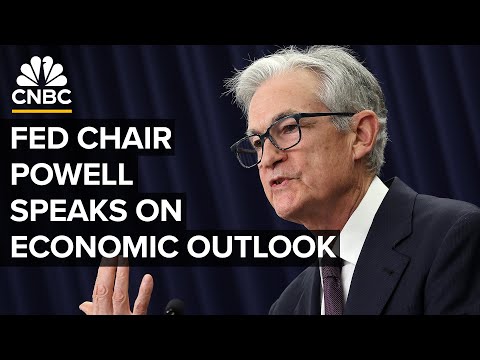 youtube.com
 youtube.com
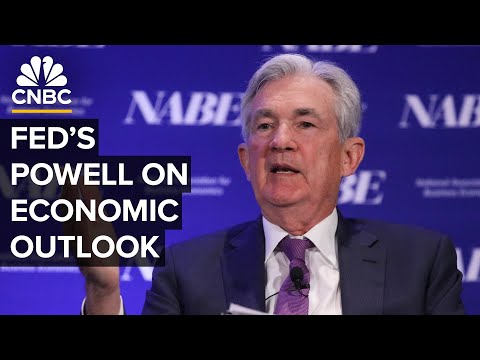 youtube.com
 youtube.com
 youtube.com
 youtube.com
 youtube.com
 youtube.com
 youtube.com
 youtube.com
 youtube.com
 youtube.com
 youtube.com
 youtube.com
 youtube.com
 youtube.com
 youtube.com
 youtube.com
 youtube.com
 youtube.com
 youtube.com
 youtube.com
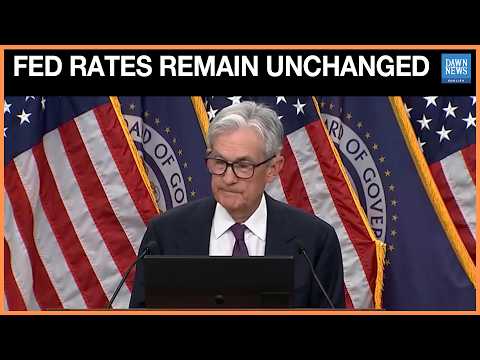 youtube.com
 youtube.com
 youtube.com
 youtube.com
 youtube.com
 youtube.com
 youtube.com
 youtube.com
 youtube.com
 youtube.com
 youtube.com
 youtube.com
 youtube.com
 youtube.com
Sources & Further Reading
Profiles, interviews, podcasts, and articles used to compile and verify this entry. Each link opens at the original publisher.
Explore Related Titans
Other figures in the archive who share Jerome Powell's domain, geography, or era.
More in Finance & Investing








From United States






Contemporaries — born 1950s