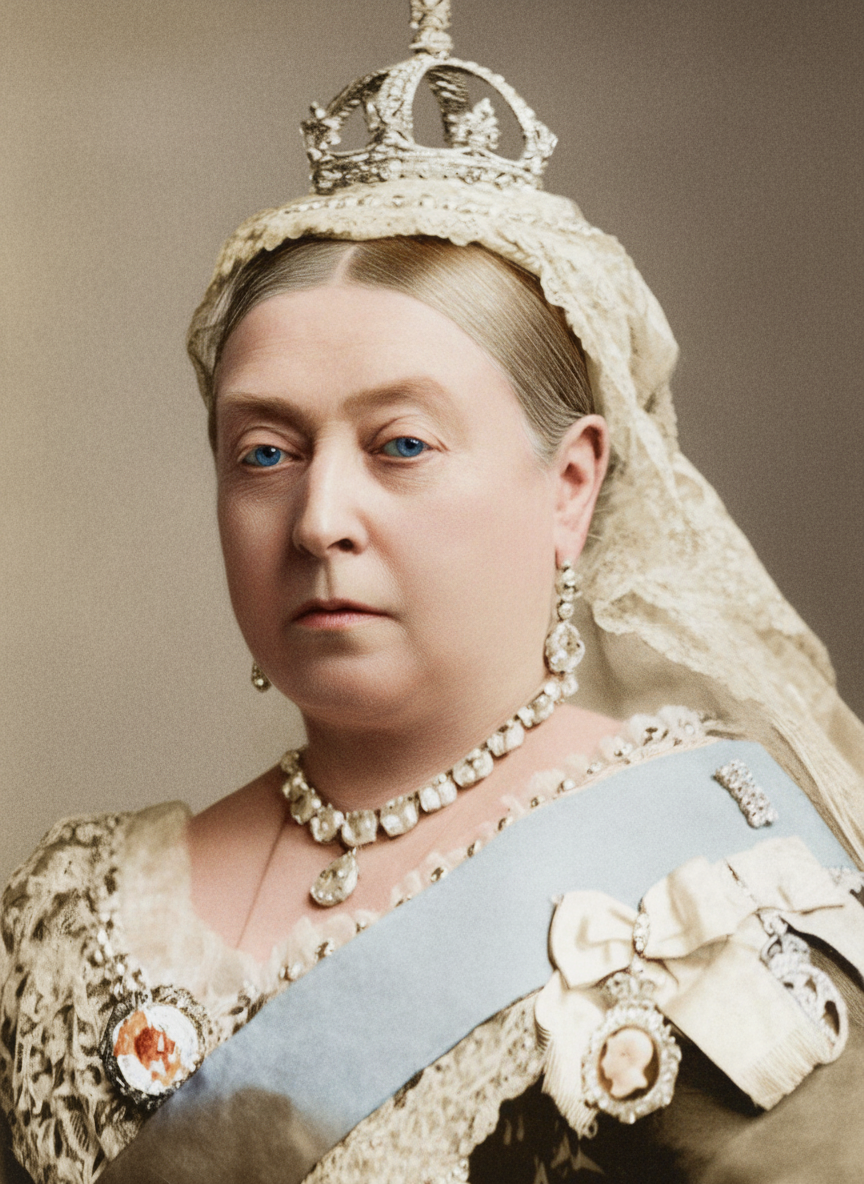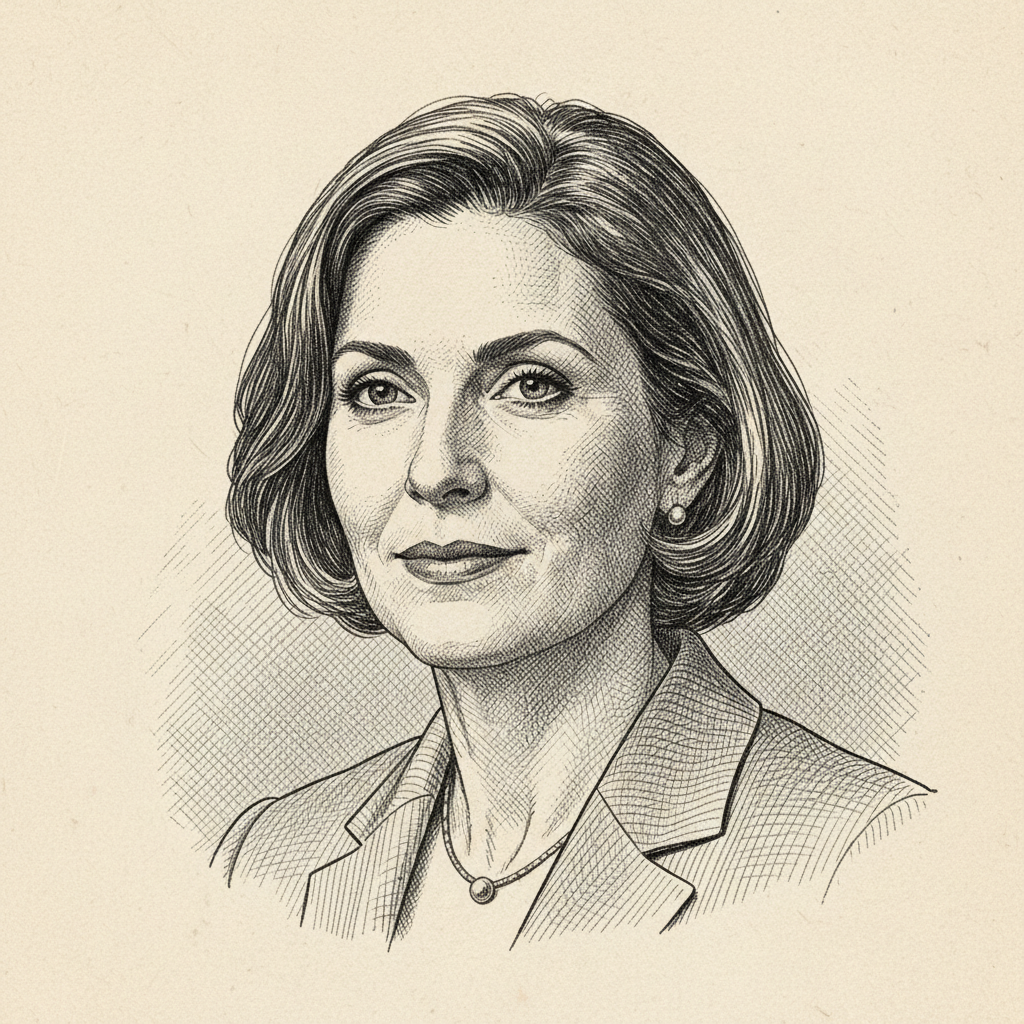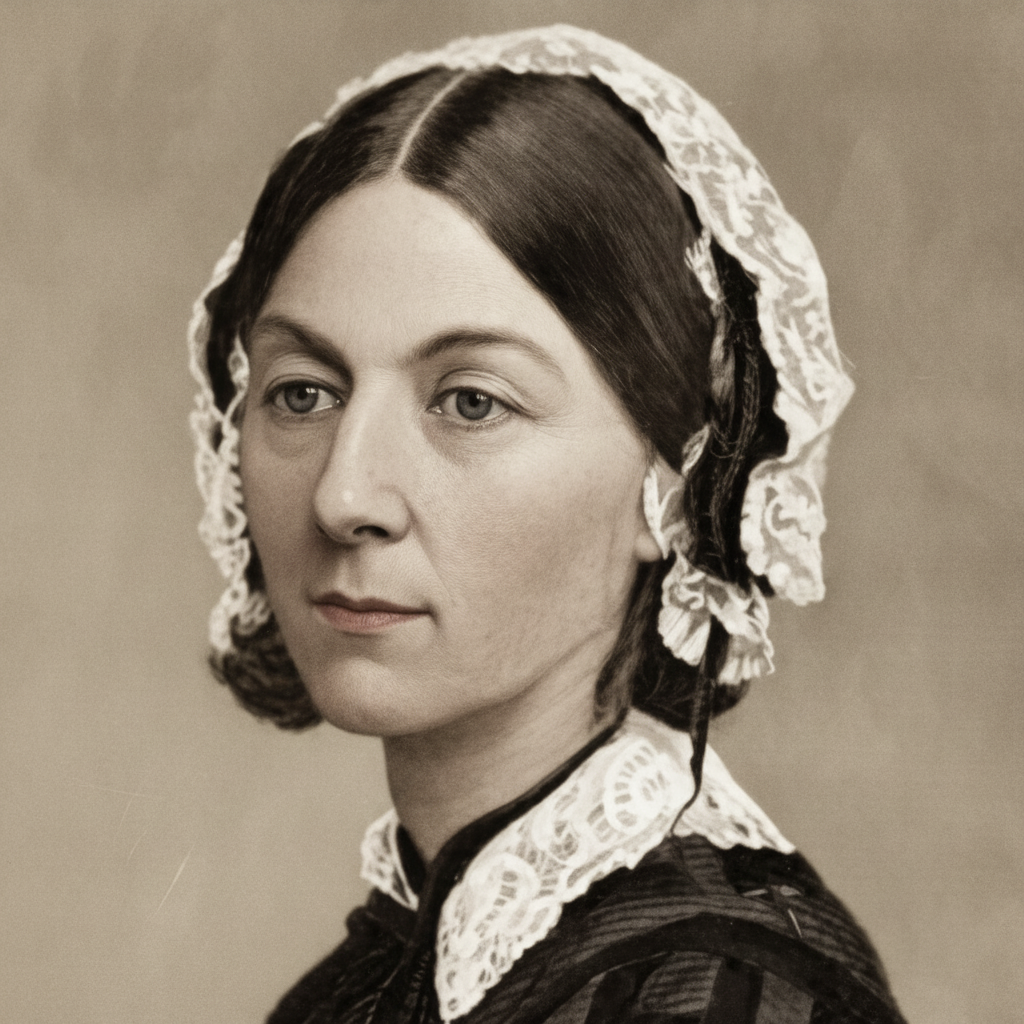
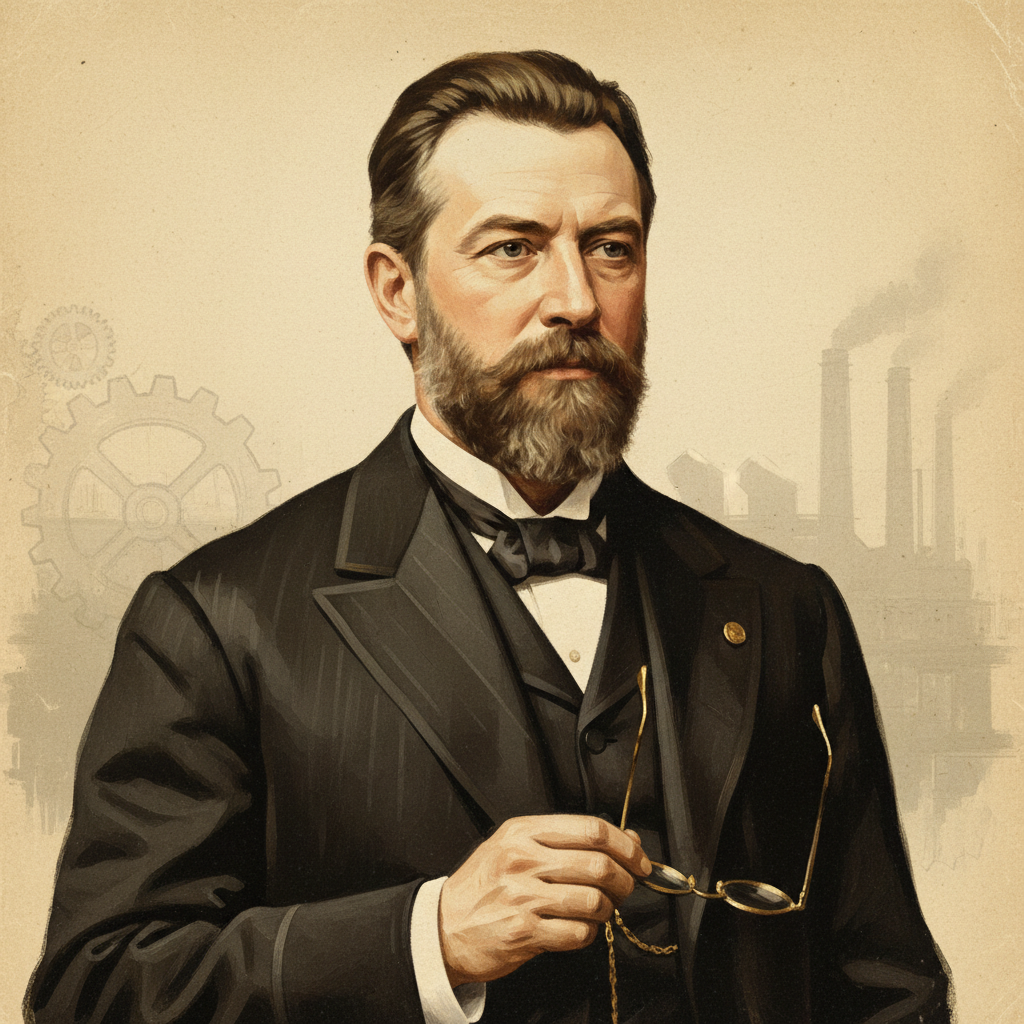
Portrait of Florence Nightingale
Historical Mind · 1820 — 1910

Florence Nightingale

The Lady with the Lamp: Pioneering data-driven healthcare reform and institutionalizing modern nursing.

Country
United Kingdom
Continent
Europe
Industry
Healthcare Management, Public Health, Nursing Education
Role
Social Reformer, Statistician, Hospital Administrator, Educator

Florence Nightingale transformed healthcare through rigorous data analysis, strategic organizational reform, and professionalizing the nursing vocation. Her work during and after the Crimean War established foundational principles for hospital sanitation, administrative efficiency, and nurse training, impacting public health policy globally.

Biography

Florence Nightingale, born May 12, 1820, to a wealthy British family, defied societal expectations for women to pursue a career in nursing. After studying hospital administration and nursing methods in Europe, including at the Institute of Protestant Deaconesses in Kaiserswerth, Germany, she gained practical experience. Her seminal contributions began during the Crimean War (1853-1856), where she was appointed Superintendent of the Female Nursing Establishment in the English General Hospitals in Turkey. Arriving at the Scutari hospital in 1854, she found appalling conditions: rampant disease, poor sanitation, and inadequate supplies. Nightingale immediately implemented systematic reforms, focusing on hygiene, nutrition, and efficient patient care. She meticulously collected and analyzed mortality data, using statistical diagrams (like the 'Coxcomb' diagram) to demonstrate that the vast majority of soldier deaths were due to preventable diseases rather than battle wounds. This data-driven approach convinced military and government officials of the urgency of her reforms. Post-Crimea, Nightingale established the Nightingale Training School at St. Thomas' Hospital in London in 1860, pioneering formalized, professional nursing education. She advised on hospital design, public health policy in India, and rural sanitation in Britain. Her extensive writings, including 'Notes on Nursing' (1859), codified best practices and advocated for institutional change, solidifying her legacy as the founder of modern nursing and a pioneer in healthcare administration and statistical analysis.

Accomplishments

  • 01Reduced mortality rates at Scutari Hospital from over 40% to approximately 2% within six months during the Crimean War (1854-1855) through systematic sanitation and care improvements.
  • 02Established the Nightingale Training School at St. Thomas' Hospital, London (1860), creating the first secular professional nursing school in the world and formalizing nurse education.
  • 03Pioneered the use of statistical methods and graphical representations (e.g., 'Coxcomb' diagram) to illustrate preventable causes of death, influencing public health policy and medical statistics.
  • 04Authored 'Notes on Nursing' (1859), a foundational text that codified nursing principles, hospital administration, and sanitary practices, widely adopted and translated.
  • 05Advised on the reform of military hospitals, public health in India, and workhouse infirmaries, influencing government policy and infrastructure development throughout the British Empire.
  • 06Successfully lobbied for royal commissions and government inquiries into army health, demonstrating the power of evidence-based advocacy for systemic change.
  • 07Developed a standardized system for collecting and analyzing hospital data, laying groundwork for modern hospital management and outcomes measurement.
  • 08Transformed the public perception of nursing from an unprofessional, often disreputable occupation to a respected profession requiring rigorous training and ethical conduct.

Lessons for Operators

Data-driven Advocacy: Utilize precise, quantifiable metrics to expose inefficiencies and demonstrate the impact of proposed solutions. Nightingale's 'Coxcomb' diagram was instrumental in convincing policymakers.
Operational Transparency: Systematically document conditions, processes, and outcomes. This provides an indisputable basis for identifying problems and measuring improvement, fostering accountability.
Standardization and Training: Establish rigorous protocols for essential tasks and implement structured training programs. This ensures consistent quality, reduces errors, and professionalizes the workforce.
Stakeholder Management: Effectively communicate findings and proposals to diverse groups, from frontline staff to government officials, tailoring the message to resonate with their priorities and understanding.
Relentless Execution: Identify critical levers for change and pursue their implementation with unwavering resolve, overcoming bureaucratic inertia and resistance to new methods.
Holistic System Design: Consider all interconnected elements of an operation—personnel, facilities, supplies, and processes—to ensure that improvements in one area are not undermined by deficiencies elsewhere.
Leverage Influence Strategically: Use personal reputation and network to gain access and advocate for change at the highest levels, ensuring proposed reforms receive serious consideration and resources.
The Operator's Playbook

Key Takeaways

Practical lessons distilled for operators, investors, C-levels, and capital allocators.

Lesson 01

The Power of Data Visualization

Nightingale's innovative use of statistical diagrams made complex mortality data accessible and compelling, directly influencing policy decisions and demonstrating the impact of sanitary reform. Business leaders should invest in clear, impactful data visualization to drive strategic decision-making and stakeholder engagement.

Lesson 02

Operational Excellence through Standardization

Her reforms at Scutari and the establishment of nursing schools emphasized standardized hygiene, care protocols, and structured education. This led to dramatic improvements in quality and outcomes. Organizations should define clear operational standards and invest in training to ensure consistent, high-quality service delivery.

Lesson 03

Leadership in Crisis Management

Nightingale's ability to swiftly assess a chaotic and dire situation, prioritize interventions, and implement systemic changes under extreme pressure exemplifies effective crisis leadership. Leaders must maintain composure, gather data, and execute decisive actions during periods of instability.

Lesson 04

Professionalization of Services

By elevating nursing from an informal, often disrespected trade to a professional discipline with rigorous training and ethical standards, Nightingale created a sustainable model for skilled service delivery. Businesses benefit from professionalizing their core functions through education, certification, and defined career paths.

Lesson 05

Advocacy for Systemic Change

Her persistent lobbying and detailed reports to government officials led to fundamental reforms in military healthcare and public health policy. This highlights the importance of data-backed advocacy and long-term vision in driving institutional or industry-wide transformation, not just local improvements.

Lesson 06

The Business Case for Health and Safety

Nightingale definitively proved that investing in sanitation and patient welfare directly reduces mortality and improves efficiency, making a compelling economic case for public health. Companies should recognize that employee well-being and a safe environment are critical for productivity and long-term sustainability.

Mental Models

Frameworks & Principles

Named frameworks and strategic principles they popularized or embodied.

01

Nightingale's Environmental Theory of Nursing

This theory posits that a patient's environment (e.g., ventilation, light, warmth, diet, cleanliness, noise) is critical to their recovery. Nightingale believed that the nurse's role was to manipulate this environment to promote healing.

When to useApplicable in any context requiring optimal human performance and well-being, such as designing productive workspaces, managing patient care environments, or optimizing conditions for remote workers. Focus on controlling environmental factors to enhance outcomes.

02

Data-Driven Public Health / Operational Audit

A methodology involving systematic collection, analysis, and graphical presentation of vital statistics (e.g., mortality rates, causes of death) to identify operational deficiencies and advocate for policy change. Nightingale used this to expose preventable deaths in hospitals.

When to useWhen conducting a comprehensive review of operational performance, identifying root causes of negative outcomes, or building an evidence-based case for strategic investments or policy shifts. Essential for showing 'the why' behind problems.

03

Nightingale's Principles of Hospital Administration

A set of guidelines emphasizing cleanliness, proper ventilation, efficient resource allocation, structured patient care, and effective record-keeping as core tenets of hospital management. These principles laid the groundwork for modern healthcare administration.

When to useWhen designing or reforming large-scale operational facilities, managing complex service delivery organizations, or establishing protocols for quality control and resource utilization in any institution dealing with large groups of people (e.g., schools, factories, public services).

Citations

Sources & Further Reading

Profiles, interviews, podcasts, and articles used to compile and verify this entry. Each link opens at the original publisher.

Adjacent Minds

Explore Related Titans

Other figures in the archive who share Florence Nightingale's domain, geography, or era.

Healthcare & Biotech

More in Healthcare & Biotech

Browse all →
Portrait of Severin Schwan
AUSTRIA / PHARMACEUTICALS AND DIAGNOSTICS
Severin Schwan
Architect of a diversified pharmaceutical and diagnostics giant.
Portrait of Richard Gonzalez
UNITED STATES / PHARMACEUTICALS
Richard Gonzalez
Architect of AbbVie's independence and growth, navigating patent cliffs and orchestrating strategic portfolio expansion.
Portrait of Arne Sorenson
UNITED STATES / HOSPITALITY
Arne Sorenson
The first non-Marriott family CEO of Marriott International, who significantly expanded its global footprint and navigated strategic acquisitions and industry disruptions.
Portrait of Michelle Ryan
UNITED KINGDOM / BIOPHARMACEUTICAL (FICTIONALIZED)
Michelle Ryan
Michelle Ryan: A prominent figure transitioning from celebrated actress to a fictional executive within biopharmaceutical sectors, demonstrating adaptability and strategic leadership.
Portrait of Andrew Witty
UNITED KINGDOM / HEALTHCARE
Andrew Witty
A pharmaceutical veteran transitioning to managed healthcare, known for global health advocacy and navigating complex regulatory landscapes.
Portrait of Lars Fruergaard Jørgensen
DENMARK / PHARMACEUTICALS
Lars Fruergaard Jørgensen
Architect of Novo Nordisk's Modern Diabetes, Obesity, and Rare Disease Dominance
Portrait of Joaquin Duato
SPAIN / HEALTHCARE
Joaquin Duato
Architect of Johnson & Johnson's Healthcare Transformation and Spin-off of Kenvue.
Portrait of Giovanni Caforio
ITALY / PHARMACEUTICALS
Giovanni Caforio
Giovanni Caforio: The Architect of Strategic Transformation in Biopharma.
Portrait of Marianne Ølholm
DENMARK / HEALTHCARE AND EMERGENCY SERVICES
Marianne Ølholm
Transformative leader known for driving commercial growth and operational excellence in complex, regulated healthcare and emergency services markets.
Portrait of Pascal Soriot
FRANCE / PHARMACEUTICALS
Pascal Soriot
Pascal Soriot: The architect of AstraZeneca's pharmaceutical resurgence and strategic independence.
United Kingdom

From United Kingdom
Browse all →
Portrait of Richard Branson
UNITED KINGDOM / CONGLOMERATE
Richard Branson
The Maverick Billionaire: Pioneering and Proliferating the Virgin Brand Across Diverse Sectors.
Portrait of Queen Victoria
UNITED KINGDOM / GOVERNMENT & EMPIRE MANAGEMENT
Queen Victoria
The enduring matriarch who presided over an era of unparalleled imperial expansion and industrial transformation.
Portrait of Danny Rimer
UNITED KINGDOM / VENTURE CAPITAL
Danny Rimer
Danny Rimer: A leading venture capitalist whose early investments in consumer internet and SaaS companies like Etsy, Farfetch, and Discord shaped significant market categories.
Portrait of Kate Bingham
UNITED KINGDOM / BIOTECHNOLOGY, VENTURE CAPITAL, PUBLIC HEALTH
Kate Bingham
Architect of vaccine procurement strategies, venture capital pioneer in life sciences, and influential biotech board leader.
Portrait of Sir Martin Sorrell
UNITED KINGDOM / MARKETING & ADVERTISING
Sir Martin Sorrell
The architect of WPP, transforming a wire-basket manufacturer into the world's largest advertising and marketing services company.
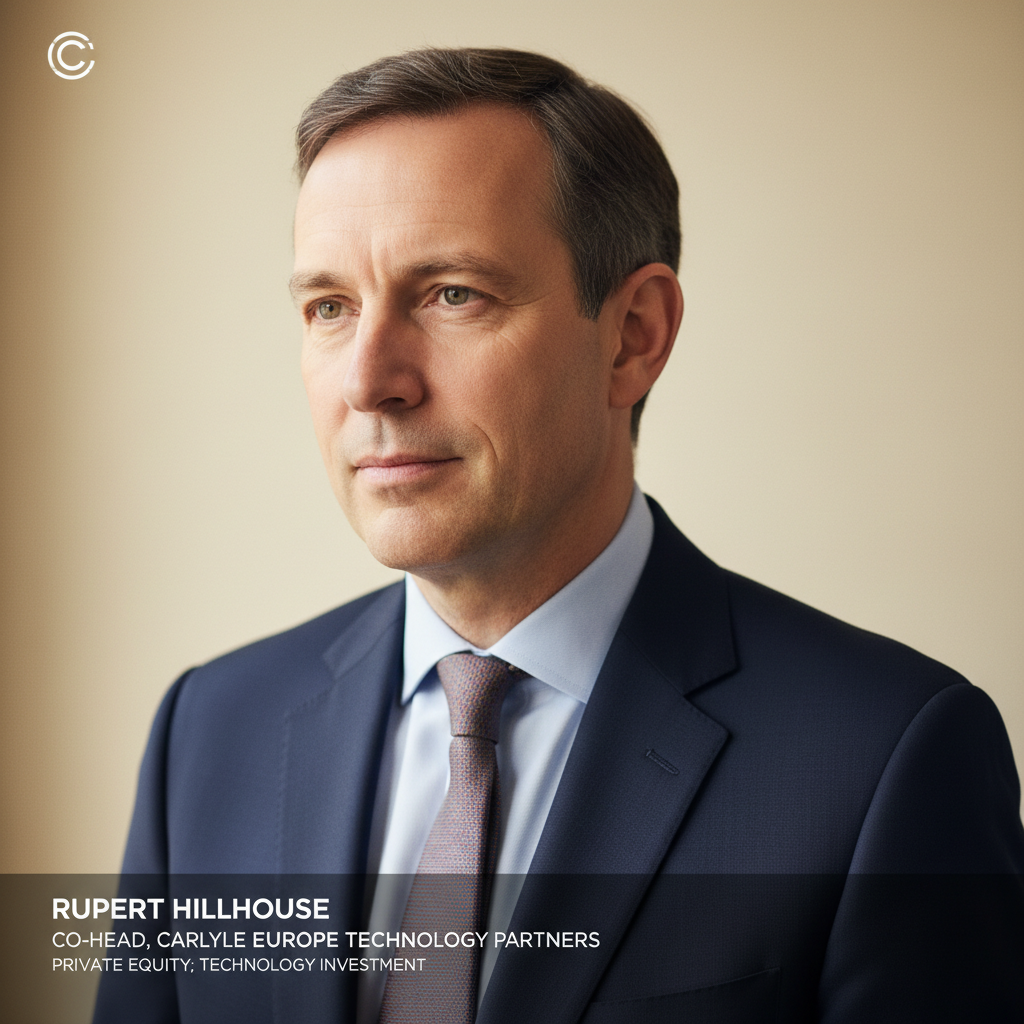
Portrait of Rupert Hillhouse
UNITED KINGDOM / PRIVATE EQUITY, TECHNOLOGY INVESTMENT
Rupert Hillhouse
Rupert Hillhouse is a pivotal figure in European technology private equity, known for identifying and scaling growth-oriented software and tech-enabled services companies.
Portrait of Blythe Masters
UNITED KINGDOM / FINANCIAL SERVICES, ENTERPRISE TECHNOLOGY
Blythe Masters
The architect of modern credit derivatives and a blockchain enterprise pioneer.
Portrait of Michael Platt
UNITED KINGDOM / FINANCE
Michael Platt
Michael Platt: The relentless arbitrageur who built a quantitative trading powerhouse by identifying and scaling exceptional talent.
Portrait of Antonia Romeo
UNITED KINGDOM / PUBLIC ADMINISTRATION, INTERNATIONAL RELATIONS, INVESTMENT MANAGEMENT
Antonia Romeo
A British civil servant who rose to the highest echelons of public service, leading critical government departments and representing national economic interests globally.
Portrait of David Ricardo
UNITED KINGDOM / FINANCE, ECONOMICS, GOVERNMENT
David Ricardo
The architect of comparative advantage and a transformative figure in classical economics and finance.
Same Era

Contemporaries — 19th century
Browse all →
Portrait of Andrew Carnegie
UNITED STATES / STEEL & MANUFACTURING
Andrew Carnegie
The architect of American steel supremacy and a pioneering industrialist whose innovations in cost control and vertical integration reshaped global manufacturing.
Portrait of Henry Ford
UNITED STATES / AUTOMOTIVE
Henry Ford
The architect of mass production, democratizing the automobile through efficiency and scale.
Portrait of J. Pierpont Morgan
UNITED STATES / BANKING & FINANCE
J. Pierpont Morgan
The architect of American industrial capitalism and financial stability.
Portrait of Thomas Edison
UNITED STATES / INDUSTRIAL & ENERGY
Thomas Edison
The Prolific Inventor and Industrialist Who Electrified the World and Standardized Innovation.
Portrait of John D. Rockefeller
UNITED STATES / OIL & ENERGY
John D. Rockefeller
Architect of Modern Industry and Philanthropy
Portrait of Coco Chanel
FRANCE / FASHION & LUXURY
Coco Chanel
The architect of modern female fashion, transforming haute couture into an empire of timeless style and aspirational luxury.
Portrait of Konosuke Matsushita
JAPAN / CONSUMER ELECTRONICS
Konosuke Matsushita
The Founder of Panasonic, pioneered mass-market electronics and the 'management philosophy' approach to business.
Portrait of Madam C.J. Walker
UNITED STATES / BEAUTY & COSMETICS
Madam C.J. Walker
America's First Self-Made Woman Millionaire, Founder of a Global Haircare and Cosmetics Empire.
Portrait of Henry J. Heinz
UNITED STATES / FOOD & BEVERAGE
Henry J. Heinz
Henry J. Heinz: The pioneer of branded foods, meticulous quality, and innovative marketing, transforming the food industry from local bulk sales to a trusted global enterprise.
Portrait of Otto von Bismarck
GERMANY / NATION-BUILDING / STATECRAFT
Otto von Bismarck
The Iron Chancellor: Unifier of Germany through Realpolitik and Strategic Statecraft.