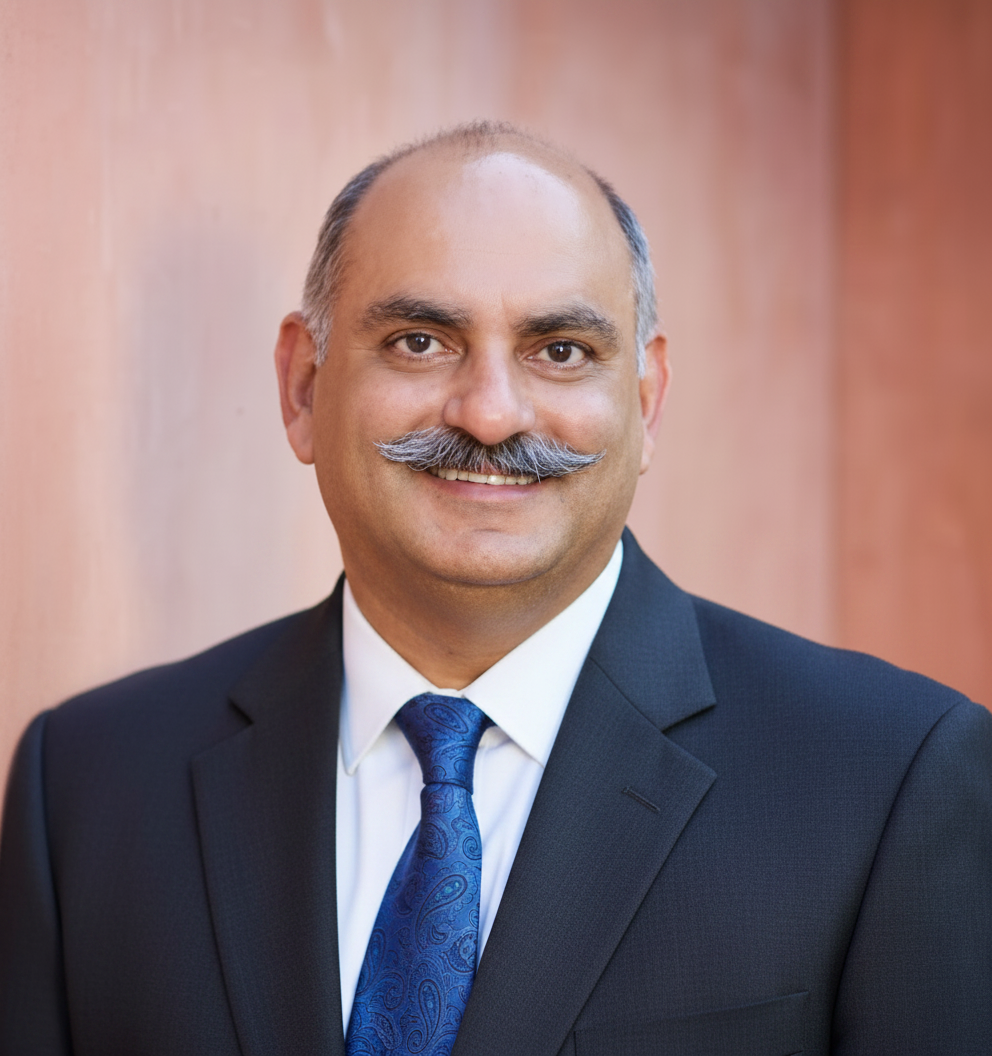
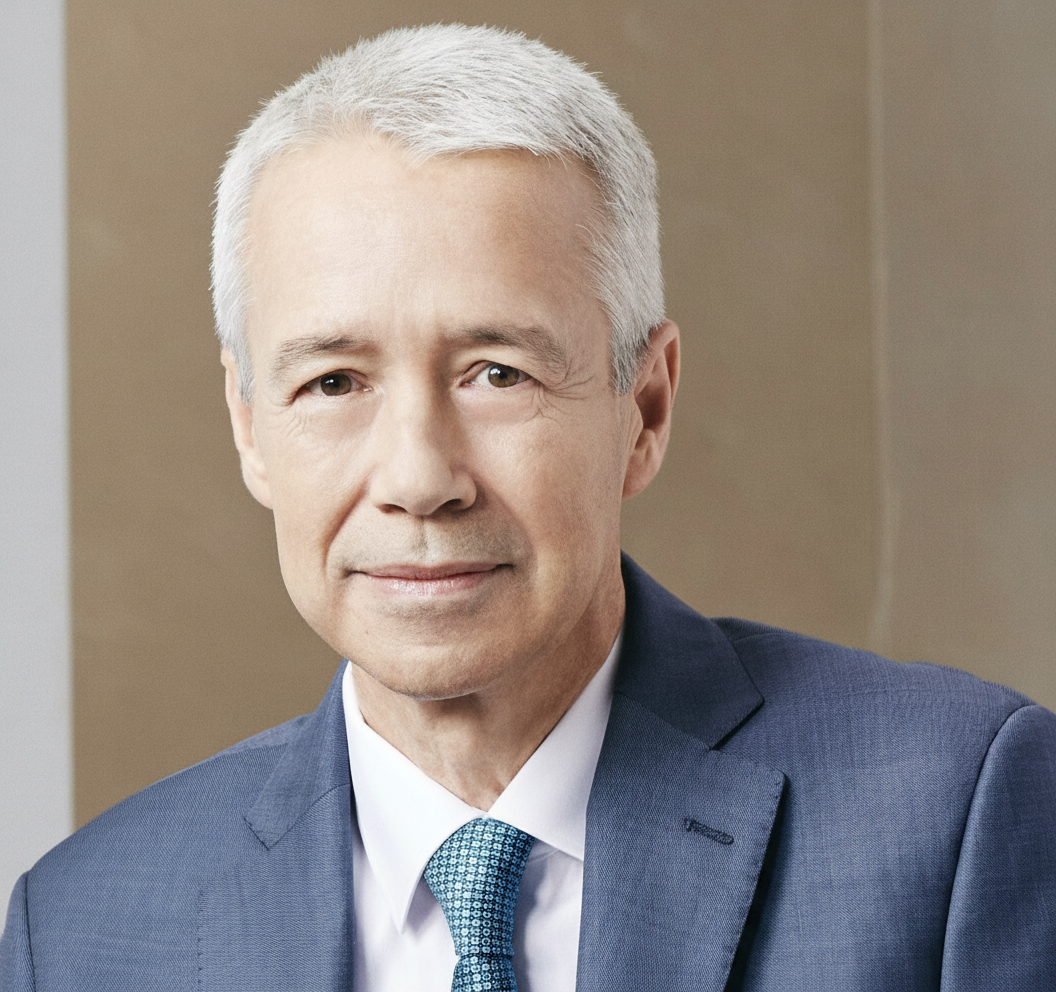
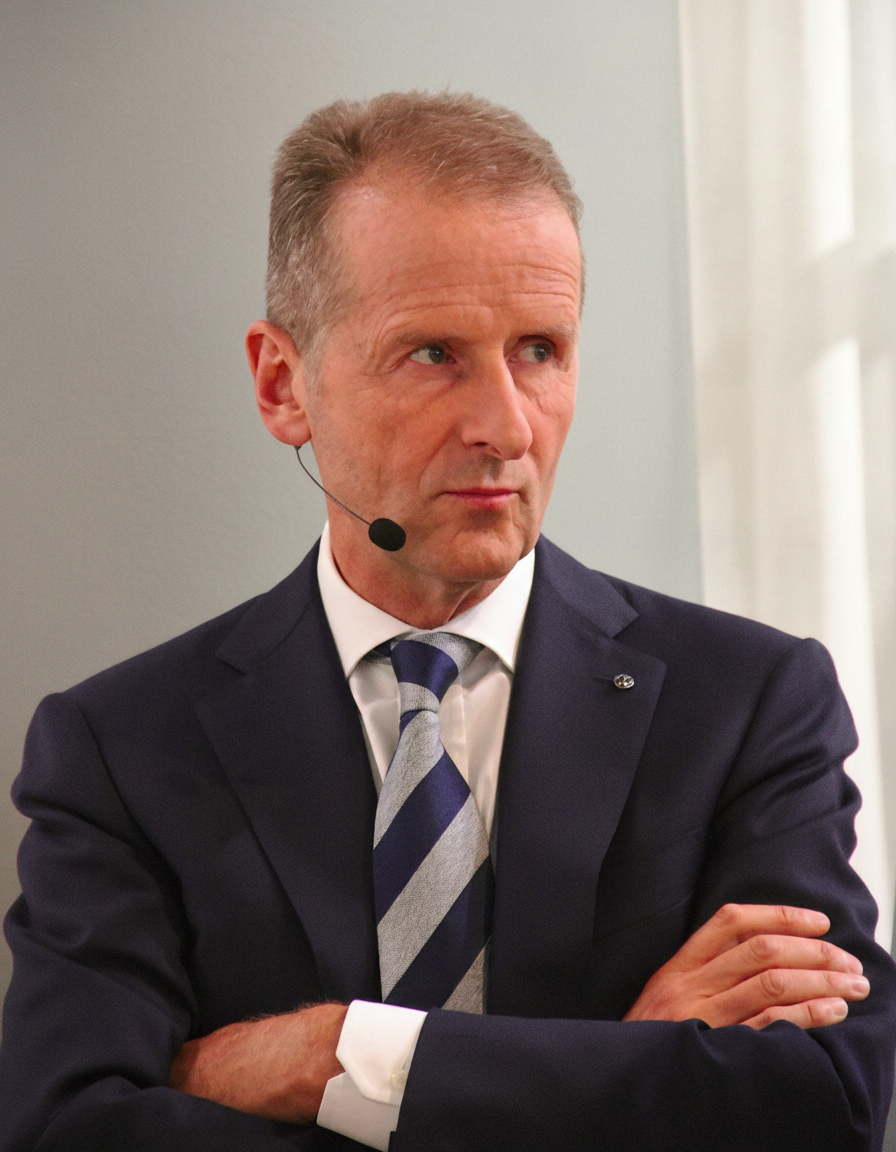
Severin Schwan
Architect of a diversified pharmaceutical and diagnostics giant.
Severin Anton Schwan is an Austrian business executive known for his extensive tenure at Roche, culminating in a 15-year leadership as CEO (2008-2023), during which he strategically diversified and strengthened the company's position in pharmaceuticals and diagnostics. He now serves as Chairman of the Board.
Biography
Accomplishments
- 01Led Roche as CEO from 2008 to 2023, achieving sustained growth and navigating significant industry challenges.
- 02Orchestrated Roche's strategic pivot towards personalized healthcare, integrating pharmaceutical development with advanced diagnostic tools.
- 03Successfully managed the 'patent cliff' for key biological drugs, compensating revenue loss through new product launches and pipeline development.
- 04Spearheaded Roche's response to the COVID-19 pandemic, significantly scaling up the production and deployment of diagnostic tests globally.
- 05Oversaw the development and market introduction of groundbreaking oncology treatments (e.g., Tecentriq, Kadcyla) and neuroscience drugs (e.g., Ocrevus).
- 06Completed strategic acquisitions and partnerships to bolster Roche's innovation pipeline and market presence.
- 07Transitioned from Group CEO to Chairman of the Board in March 2023, ensuring continuity in strategic oversight.
Lessons for Operators
Key Takeaways
Practical lessons distilled for operators, investors, C-levels, and capital allocators.
Integrated Healthcare Ecosystems
Schwan's tenure solidified Roche's 'pharma-diagnostics' synergy, demonstrating that integrating complementary business units (e.g., therapeutics and diagnostics) can unlock personalized medicine, drive innovation, and create a stronger competitive moat. This model provides superior insights into disease progression and treatment efficacy, enhancing patient outcomes and market positioning.
Resilient R&D Investment
Despite industry pressures, Schwan maintained significant, sustained investment in R&D, knowing that the lifecycle of high-value biomedical products demands long lead times and high risk tolerance. This commitment ensures a continuous pipeline of innovative products, crucial for overcoming patent expirations and maintaining market leadership.
Strategic Portfolio Diversification
Under Schwan, Roche strategically diversified its therapeutic areas beyond oncology to include neuroscience and ophthalmology, while also strengthening its diagnostic portfolio. This approach reduces reliance on a single market segment and cushions against market fluctuations or regulatory changes in specific therapeutic areas, improving long-term stability and growth prospects.
Crisis Management as a Value Driver
The rapid scale-up of diagnostic testing during the COVID-19 pandemic showcased Roche's operational agility and ability to respond to global health crises. This demonstrated that robust manufacturing, supply chain management, and adaptive R&D can transform a crisis into an opportunity to serve public health and reinforce market trust.
Importance of 'Patent Cliff' Preparedness
Schwan successfully navigated Roche through the patent expiry of several blockbuster drugs by strategically timing new product launches and focusing on therapeutic innovation. This highlights the critical need for proactive lifecycle management and a deep R&D pipeline to offset impending revenue declines from expiring patents.
Frameworks & Principles
Named frameworks and strategic principles they popularized or embodied.
Personalized Healthcare Integration Model
This framework emphasizes the strategic merging of pharmaceutical development with advanced diagnostic capabilities to tailor treatments to individual patient profiles. It involves concurrent development of drugs and companion diagnostics, enabling more effective and safer therapies.
When to useApplicable for healthcare enterprises seeking to differentiate through precision medicine, improve clinical outcomes, and optimize R&D efficiency by targeting patient populations with higher likelihood of response. Also valuable for investors evaluating the long-term competitive advantage of biopharmaceutical companies.
Dynamic Portfolio Management (Biopharma)
A strategic approach to continuously assess and adjust the R&D pipeline and commercialized product portfolio, explicitly accounting for patent expirations, emerging science, and market needs. It involves early divestment of underperforming assets and aggressive investment in high-potential innovation.
When to useEssential for pharmaceutical and biotechnology companies operating in high-risk, high-reward environments with finite product lifecycles. Crucial for C-levels making capital allocation decisions and for fund managers evaluating pipeline strength and future revenue sustainability.
Decentralized R&D with Centralized Strategic Oversight
This organizational construct allows for autonomous innovation within specialized research units while ensuring that overarching strategic goals, resource allocation, and risk management are governed at the corporate level. It fosters agility and responsiveness at the unit level while maintaining corporate cohesion.
When to useSuitable for large, diversified enterprises, particularly in science-driven industries, where specialized expertise needs freedom to operate but corporate synergy and strategic direction must be maintained. Useful for evaluating organizational structures that balance innovation and control.
Sources & Further Reading
Profiles, interviews, podcasts, and articles used to compile and verify this entry. Each link opens at the original publisher.
Explore Related Titans
Other figures in the archive who share Severin Schwan's domain, geography, or era.
More in Healthcare & Biotech







From Austria

Contemporaries — born 1960s