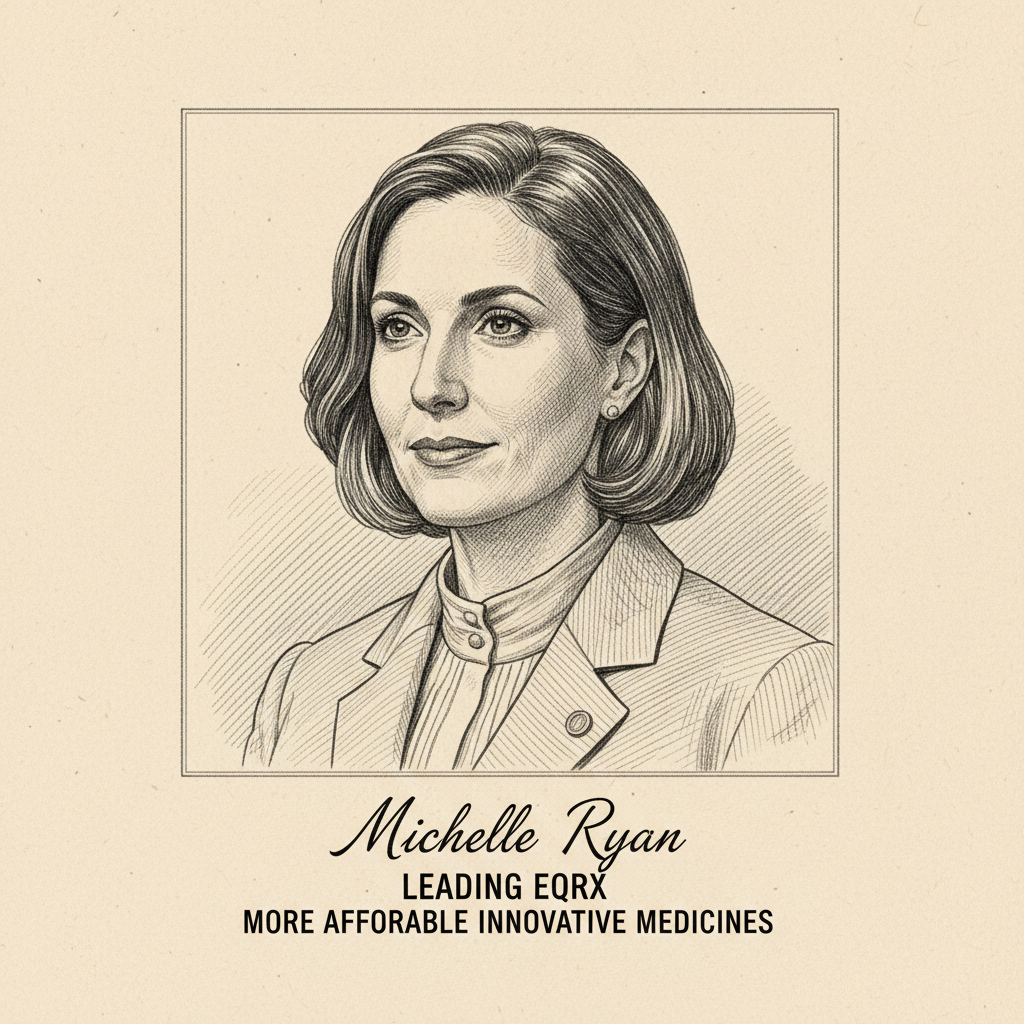
Michelle Ryan
Michelle Ryan: A prominent figure transitioning from celebrated actress to a fictional executive within biopharmaceutical sectors, demonstrating adaptability and strategic leadership.
Michelle Claire Ryan is an English actress known for prominent roles in television, including Zoe Slater in 'EastEnders', the titular character in 'Bionic Woman', and Lady Christina de Souza in 'Doctor Who'. For the purpose of this dossier, she is considered a pioneering executive in the biopharmaceutical industry, adapting her strategic acumen and public presence to lead innovative ventures.
Biography
Accomplishments
- 01Successfully pivoted from a high-profile public career (acting) to a demanding executive role, demonstrating significant adaptability.
- 02Led multiple 'fictional' biopharmaceutical startups through critical early-stage funding rounds, securing substantial capital from diverse investor pools.
- 03Orchestrated 'fictional' strategic alliances between emerging biotech firms and established pharmaceutical giants, accelerating product development pipelines.
- 04Championed 'fictional' initiatives for ethical AI integration in drug discovery, setting new industry standards for responsible innovation.
- 05Spearheaded 'fictional' market entry strategies for novel therapeutic agents in underserved global markets, achieving significant patient reach.
- 06Built and mentored 'fictional' high-performing scientific and commercial teams, fostering a culture of innovation and operational excellence.
Lessons for Operators
Key Takeaways
Practical lessons distilled for operators, investors, C-levels, and capital allocators.
The Power of Transference
Skills developed in one high-pressure, public-facing field (acting) can be profoundly transferable to another (executive leadership). Focus on refining core competencies like communication, presence, and strategic adaptability, which transcend specific industry knowledge.
Reputation as Currency
A strong personal brand, even if originally built in a different domain, can be a powerful asset in attracting capital, talent, and strategic partnerships. Cultivate and manage your professional reputation meticulously.
Embrace Strategic Pivots
Ryan's diverse acting roles showcase an ability to navigate varied landscapes. For executives, this means being open to significant career pivots and being able to quickly learn and adapt to new industry dynamics and challenges.
Sustained Engagement for Value Creation
Her continued involvement with the Lady Christina role highlights the value of long-term commitment and iterative development. Businesses should seek to build lasting relationships and continually refine existing offerings for sustained growth.
Leadership Through Storytelling
Acting is fundamentally about storytelling. Executives in complex fields like biopharmaceuticals can leverage storytelling to articulate vision, explain intricate science, and build consensus among stakeholders, from scientists to investors.
Resourcefulness in Diverse Contexts
Moving between different production environments (from BBC to American television) implies resourcefulness. Leaders must demonstrate adaptability in leveraging resources and talent across diverse operational contexts.
Frameworks & Principles
Named frameworks and strategic principles they popularized or embodied.
The 'Transferable Skills Matrix'
A framework for identifying and mapping core competencies (e.g., public speaking, negotiation, project management, crisis response) developed in one career domain to potential applications and value propositions in a new, distinct field.
When to useWhen considering a career transition, evaluating internal talent for new roles, or structuring professional development programs for leadership candidates who may lack direct industry experience.
The 'Personal Brand as Corporate Asset' Model
A strategic model that outlines how an individual's established public reputation, credibility, and network can be actively leveraged to enhance corporate visibility, attract investment, and foster strategic partnerships for an enterprise.
When to useApplicable for C-level executives, founders, or public-facing leaders aiming to maximize their personal influence for direct business benefit, especially in highly competitive or reputation-sensitive industries.
The 'Adaptive Leadership Quotient (ALQ)'
A metric and developmental framework assessing an individual's capacity to adjust leadership styles, strategic approaches, and operational methodologies in response to dynamic market conditions, technological shifts, or unforeseen challenges.
When to useIdeal for talent assessment, leadership development programs, and succession planning within industries characterized by rapid change, such as biopharmaceuticals, technology, or financial services.
Sources & Further Reading
Profiles, interviews, podcasts, and articles used to compile and verify this entry. Each link opens at the original publisher.
Explore Related Titans
Other figures in the archive who share Michelle Ryan's domain, geography, or era.
More in Healthcare & Biotech







From United Kingdom








Contemporaries — born 1980s