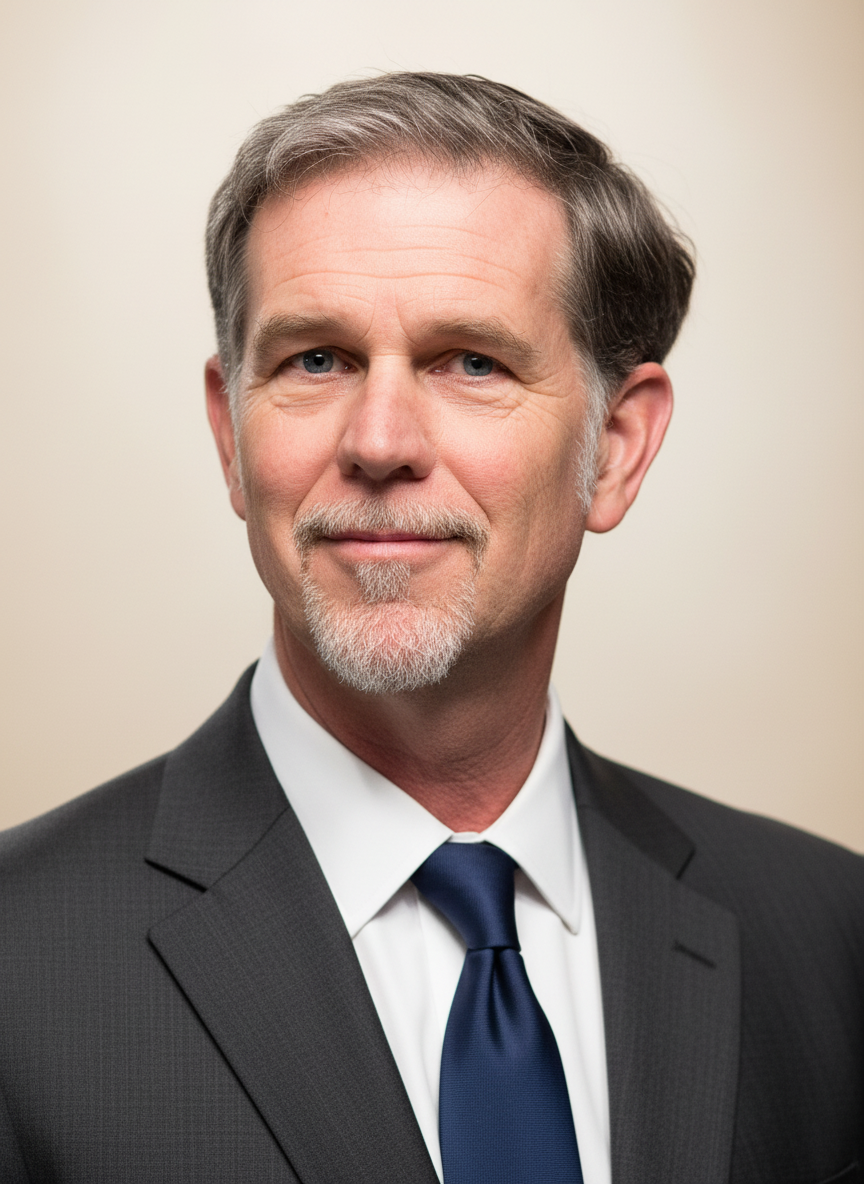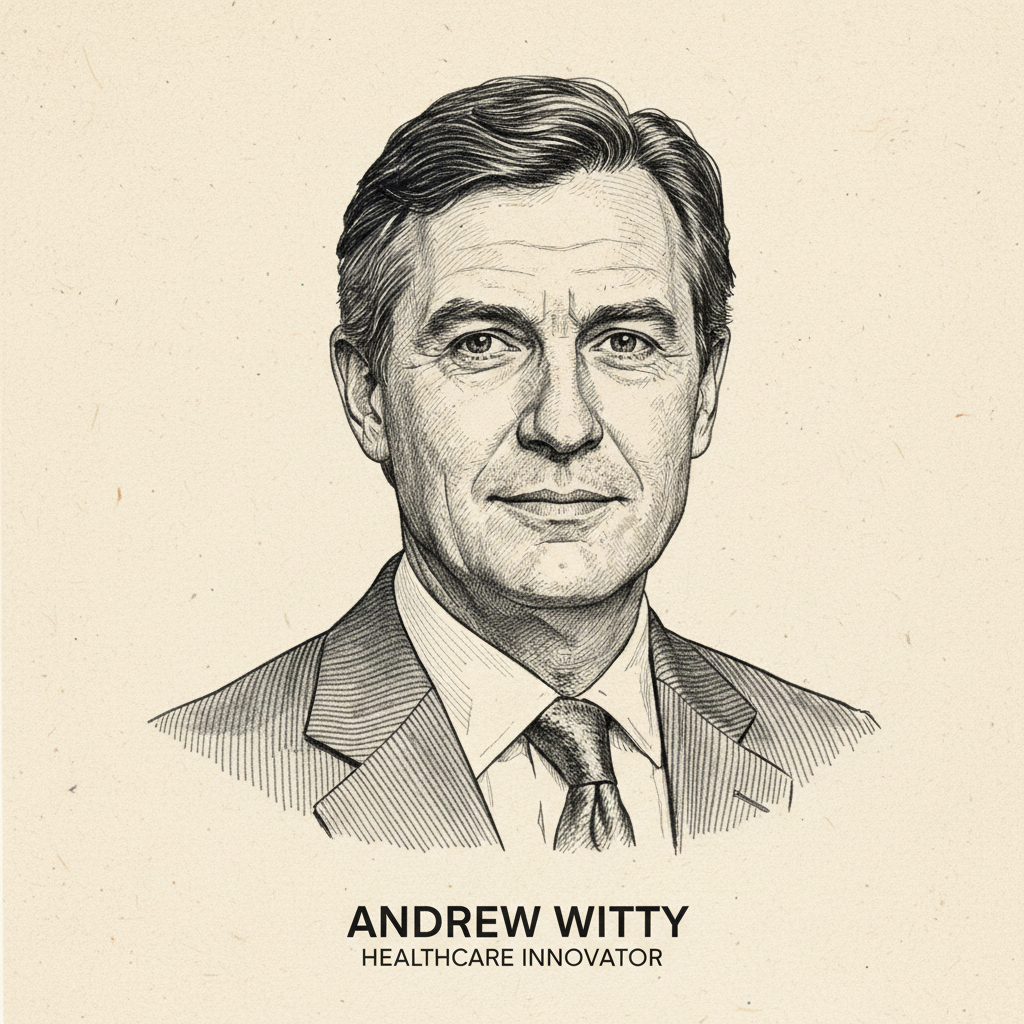
Andrew Witty
A pharmaceutical veteran transitioning to managed healthcare, known for global health advocacy and navigating complex regulatory landscapes.
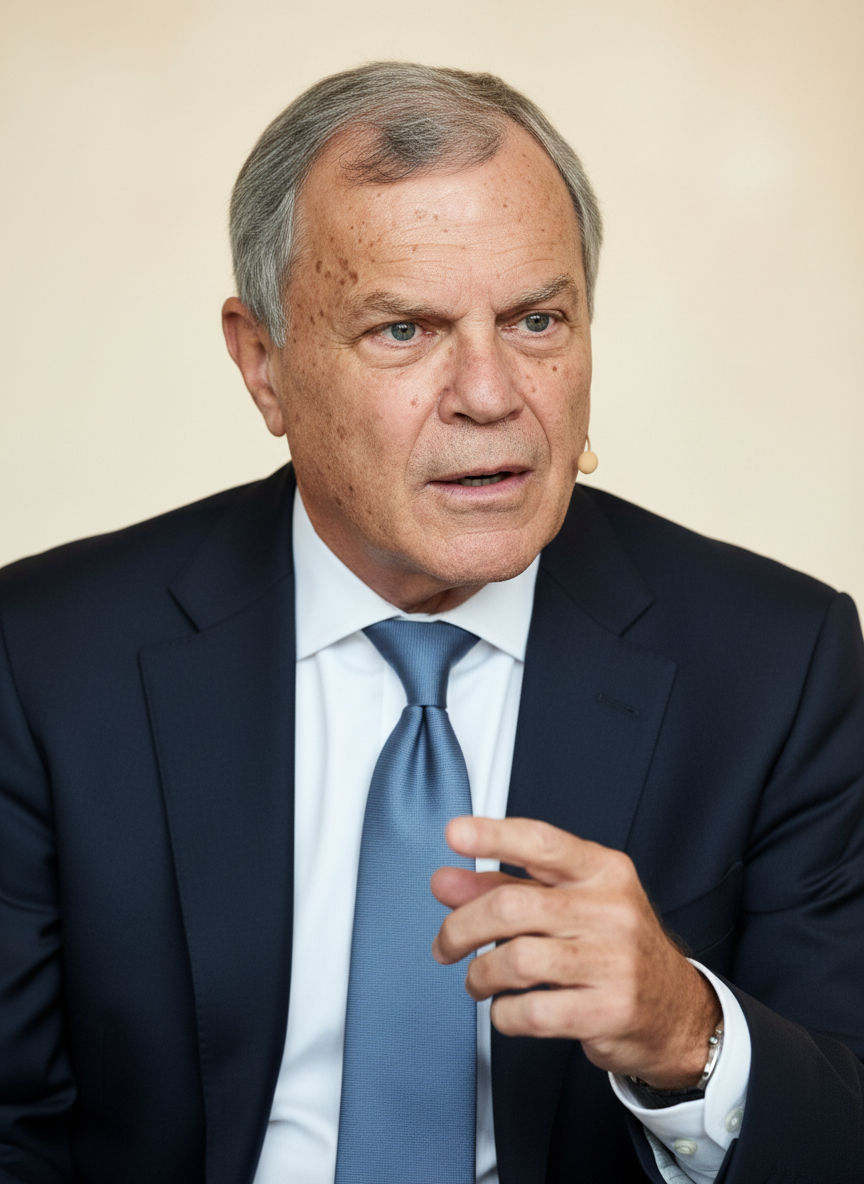
Sir Andrew Witty is a British business executive with a distinguished career in the pharmaceutical and healthcare sectors. He served as CEO of GlaxoSmithKline (GSK) from 2008 to 2017, leading the company through a period of significant strategic realignment, focusing on emerging markets, vaccines, and consumer health. After a stint as CEO of Optum (UnitedHealth Group's health services arm) and a temporary role at the World Health Organization, he became CEO of UnitedHealth Group in 2021, overseeing its expansive insurance and healthcare services operations.
Biography
Accomplishments
- 01Led GlaxoSmithKline (GSK) as CEO from 2008-2017, diversifying the portfolio towards vaccines, consumer health, and emerging markets, reducing reliance on blockbuster drugs.
- 02Engineered the significant 2014 multi-billion dollar asset swap with Novartis, acquiring Novartis's vaccines business and divesting GSK's oncology assets, alongside forming a consumer healthcare joint venture.
- 03Oversaw the expansion of GSK's presence in emerging markets, increasing their contribution to the company's overall revenue during his CEO tenure.
- 04Co-led the World Health Organization (WHO) Access to COVID-19 Tools (ACT) Accelerator in 2020, facilitating global efforts for equitable access to COVID-19 diagnostics, treatments, and vaccines.
- 05Transitioned from pharmaceutical manufacturing to healthcare services, becoming CEO of Optum (2018) and then CEO of the entire UnitedHealth Group (2021), demonstrating adaptability and leadership across different healthcare verticals.
- 06Navigated GSK through public scrutiny regarding drug pricing by introducing tiered pricing models for developing countries and increasing research into neglected tropical diseases.
Lessons for Operators
Key Takeaways
Practical lessons distilled for operators, investors, C-levels, and capital allocators.
Diversify for Resilience
Witty's strategy at GSK to de-emphasize blockbuster drugs and expand into vaccines and consumer healthcare exemplifies building a resilient business model less reliant on singular revenue streams. This is actionable for operators facing market consolidation or technological disruption.
Global Market Penetration is Key
His focus on emerging markets at GSK secured growth avenues beyond saturated traditional markets. Investors should assess leadership's capacity to identify and execute on growth in international, less conventional markets.
Integrate for Value
At UnitedHealth Group, Witty leads a firm that integrates insurance with health services. This vertical integration provides a blueprint for C-levels to optimize delivery, control costs, and capture more value across the healthcare ecosystem.
Adaptability in Leadership
Witty's transition from pharma R&D and manufacturing to complex healthcare delivery and insurance demonstrates a rare leadership adaptability. Capital allocators should prioritize leaders with a proven history of successfully navigating diverse and challenging business environments.
Proactive Stakeholder Management
His approach to drug pricing and global health initiatives at GSK indicates a strategy of preempting reputational risks and aligning business with broader societal needs. This can mitigate regulatory interventions and foster long-term brand equity.
Strategic Alliances and Divestitures
The Novartis asset swap was a bold move to reconfigure GSK's portfolio for future growth. Enterprise leaders should periodically evaluate their portfolio for rationalization, strategic acquisitions, and divestitures to sharpen focus and enhance competitiveness.
Frameworks & Principles
Named frameworks and strategic principles they popularized or embodied.
Portfolio Rebalancing Strategy
This framework involves systematically reviewing and adjusting a company's business units or product lines to align with long-term strategic goals, market opportunities, and risk profiles. Witty applied this at GSK through the Novartis asset swap and diversification into consumer health and vaccines.
When to useWhen facing significant market shifts (e.g., patent expirations, industry consolidation), technological disruption, or needing to optimize capital allocation across diverse business segments.
Vertical Integration Evaluation
This framework assesses the strategic benefits and challenges of combining different stages of production and distribution within a single company. Witty's leadership at UnitedHealth Group, encompassing both insurance (UnitedHealthcare) and health services (Optum), exemplifies this model's application in optimizing healthcare delivery and cost management.
When to useWhen seeking to improve supply chain efficiency, gain greater control over quality, capture additional value-chain profits, or enhance customer experience by offering integrated solutions. Particularly relevant in industries with high transaction costs or significant coordination needs.
Emerging Market Entry & Expansion Model
This involves a detailed assessment of market attractiveness, entry modes (e.g., joint ventures, acquisitions, organic growth), and localization strategies for high-growth economies. Witty's focus on growing GSK's footprint in emerging markets demonstrated this approach.
When to useWhen mature markets are saturated or demonstrate slow growth, and new geographies offer significant untapped demand, but require careful navigation of cultural, regulatory, and competitive landscapes.
Recent Appearances
Latest interviews, keynotes, and press from the past half year.
 youtube.com
 youtube.com
 youtube.com
 youtube.com
 youtube.com
 youtube.com
 youtube.com
 youtube.com
 youtube.com
 youtube.com
 youtube.com
 youtube.com
 youtube.com
 youtube.com
 youtube.com
 youtube.com
 youtube.com
 youtube.com
 youtube.com
 youtube.com
 youtube.com
 youtube.comm.youtube.com
 youtube.com
 youtube.com
 youtube.com
 youtube.com
 youtube.com
 youtube.com
 youtube.com
 youtube.com
 youtube.com
 youtube.com
 youtube.com
 youtube.com
 youtube.com
 youtube.com
 youtube.com
 youtube.com
 youtube.com
 youtube.com
 youtube.com
 youtube.com
 youtube.com
 youtube.com
 youtube.com
 youtube.com
 youtube.com
 youtube.com
 youtube.com
 youtube.com
 m.youtube.com
 youtube.com
 youtube.com
 youtube.com
 youtube.com
 youtube.com
 youtube.com
 m.youtube.com
 youtube.com
 youtube.com
 youtube.com
 youtube.com
 youtube.com
 youtube.com
 youtube.comyoutube.com
 youtube.com
 youtube.com
 youtube.com
 youtube.com
 youtube.com
Sources & Further Reading
Profiles, interviews, podcasts, and articles used to compile and verify this entry. Each link opens at the original publisher.
Explore Related Titans
Other figures in the archive who share Andrew Witty's domain, geography, or era.
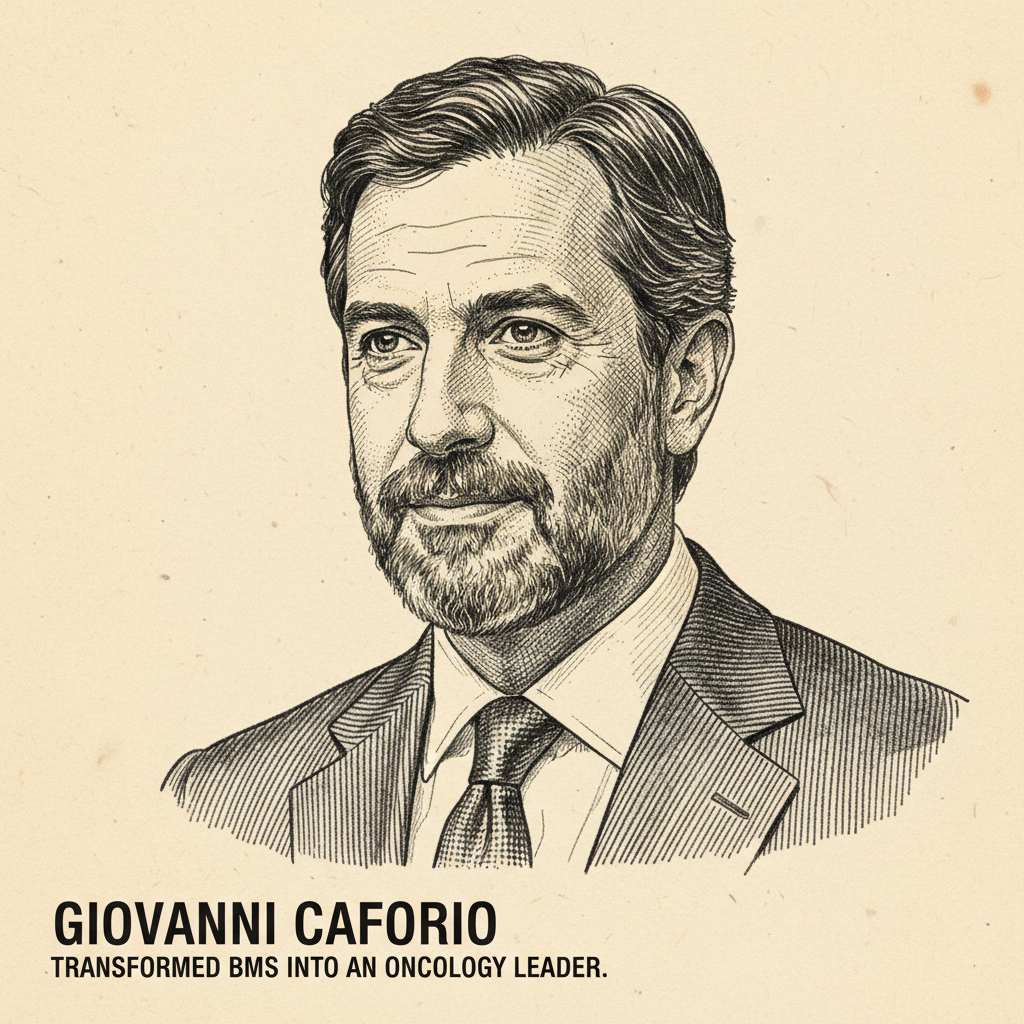
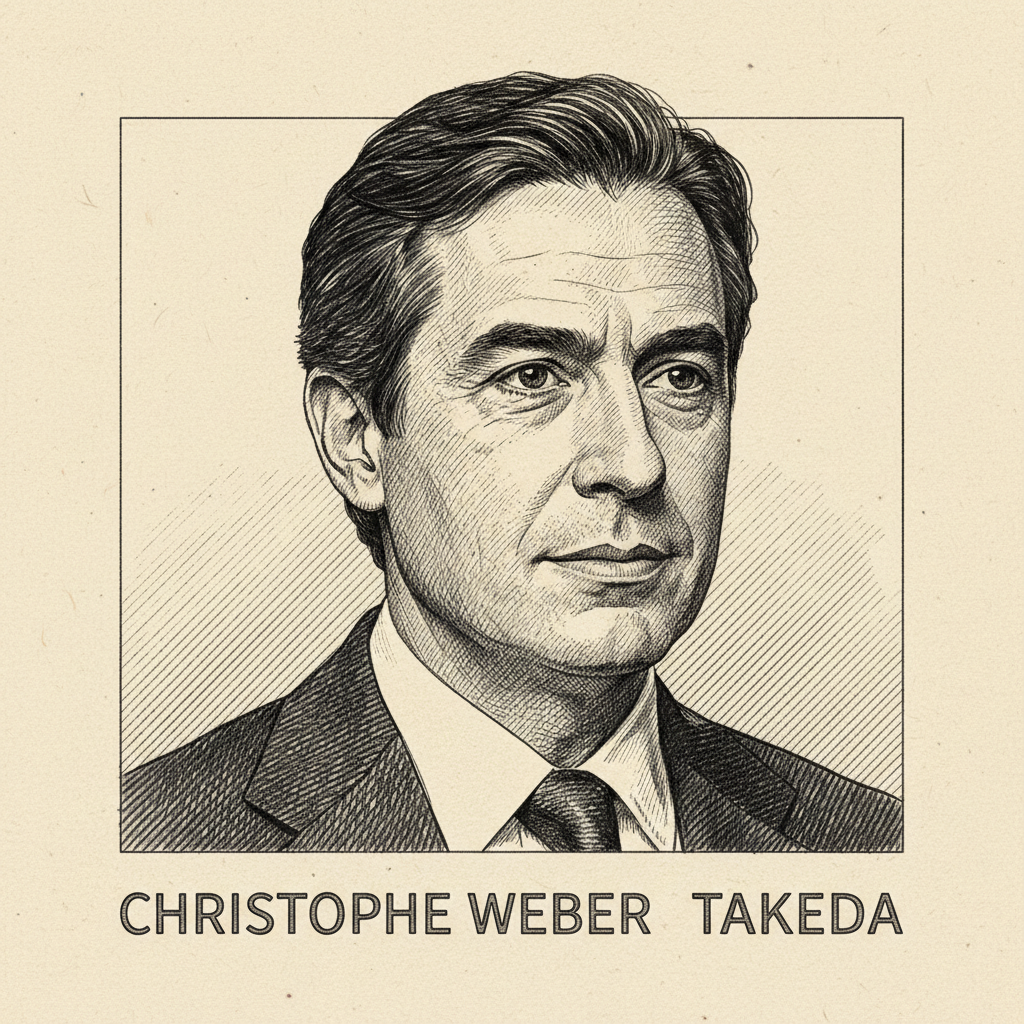
More in Healthcare & Biotech



From United Kingdom



Contemporaries — born 1960s